
Living in Alicante (Alacant) as an expat: climate, healthcare, schools, cost of living and community. Independent analysis from veritySpain.
Living in Alicante (Alacant) as an expat means choosing a city where property ranges from €235k to €380k across the two residential projects currently tracked by veritySpain, which returns an average editorial score of 7.7 out of 10. That score reflects genuine liveability: a Mediterranean climate with more than 300 days of sunshine per year, a functioning public health system, international schools, and a civic infrastructure that has quietly served a large foreign-resident population for decades. Alicante is not a resort strip. It is the regional capital of the Costa Blanca province, with a port, a university, a historic old town above the castle of Santa Bárbara, and the day-to-day practicalities that long-term residency requires.
Climate and daily life
Alicante records an average of roughly 320 sunny days per year, one of the highest figures among Spanish provincial capitals. Winters are mild; hard frosts are rare at sea level. Summer heat is real, often exceeding 35 °C in July and August, but sea breezes moderate temperatures in the centre and along the Playa del Postiguet. The city is walkable in ways that smaller coastal towns are not: the Rambla, the port esplanade, and the old town are all within comfortable walking distance of most central districts. Public transport includes frequent TRAM Metropolitano services linking Alicante with Benidorm and intermediate stops, and local bus routes cover the broader urban area. Everyday shopping is straightforward. The city has a Mercado Central, large Mercadona and Consum supermarkets, and a full range of professional services.
Cost of living
Spain's consumer price index, published by INE (Instituto Nacional de Estadística), consistently places Alicante among the more affordable Spanish provincial capitals. Grocery costs sit below Madrid and Barcelona averages, and restaurant meals outside the tourist belt remain accessible. Utility bills can rise in summer due to air-conditioning load, which is a practical cost to build into any household budget. Healthcare under the Spanish public system is effectively free at point of use for registered residents, and private health insurance, widely used by expats, costs considerably less than equivalent UK or US coverage. Renting before buying is common and sensible: the rental market gives new arrivals time to learn which districts suit their routine before committing capital. The ITP (Impuesto de Transmisiones Patrimoniales) tax on resale property purchases, and IVA on new-build, are fixed by regional law and should be factored into any acquisition budget from the outset.
Healthcare and schools
The Hospital General Universitario de Alicante is a full-service teaching hospital with specialist departments covering oncology, cardiology, and trauma. The public system operates on a catchment model: registration at a local health centre (centro de salud) is the first step for any resident. Wait times for specialist referrals vary by specialty and season, and some expats choose to hold concurrent private health cover for faster access to certain consultants. International schooling is genuinely available in and around Alicante. The British School of Alicante and several other internationally accredited institutions provide English-medium curricula, catering to families relocating from northern Europe and beyond. State schools are free and deliver instruction in Spanish and Valenciano; families with school-age children settling long-term often find that immersion in the state system accelerates language acquisition. Ministerio de Educación, Formación Profesional y Deportes data shows a growing number of international pupils enrolled in the Valencian Community each academic year.
Expat communities and integration
Alicante has hosted a large northern European expat population since at least the 1970s, and the infrastructure of integration is well developed. British, German, Dutch, and Scandinavian residents have established social clubs, language-exchange groups, and civic associations that give new arrivals ready-made social footholds. The city centre mixes Spanish and international residents more thoroughly than purpose-built resort developments further up the coast. Districts such as El Barrio and the Ensanche are largely Spanish in character; areas around the Playa de San Juan have a higher density of northern European residents. This matters for integration: expats who want genuine immersion in Spanish civic life will find Alicante itself more conducive than gated urbanisations. Local bureaucracy, including NIE applications, empadronamiento (municipal registration), and driving licence exchange, is handled at well-documented offices, and a growing number of gestores (administrative agents) offer English-language support for the paperwork that accompanies residency.
Key takeaways
- veritySpain scores Alicante (Alacant) residential projects at 7.7/10, with property tracked between €235k and €380k.
- More than 300 days of sunshine per year, with mild winters and a walkable city centre served by tram and bus.
- Public healthcare is free at point of use for registered residents; international schools with English-medium curricula operate in the city.
- Cost of living sits below Madrid and Barcelona averages, though summer utility bills require budgeting for air-conditioning.
- A large, long-established expat community provides social infrastructure, while the city centre retains a predominantly Spanish civic character.
The market in numbers
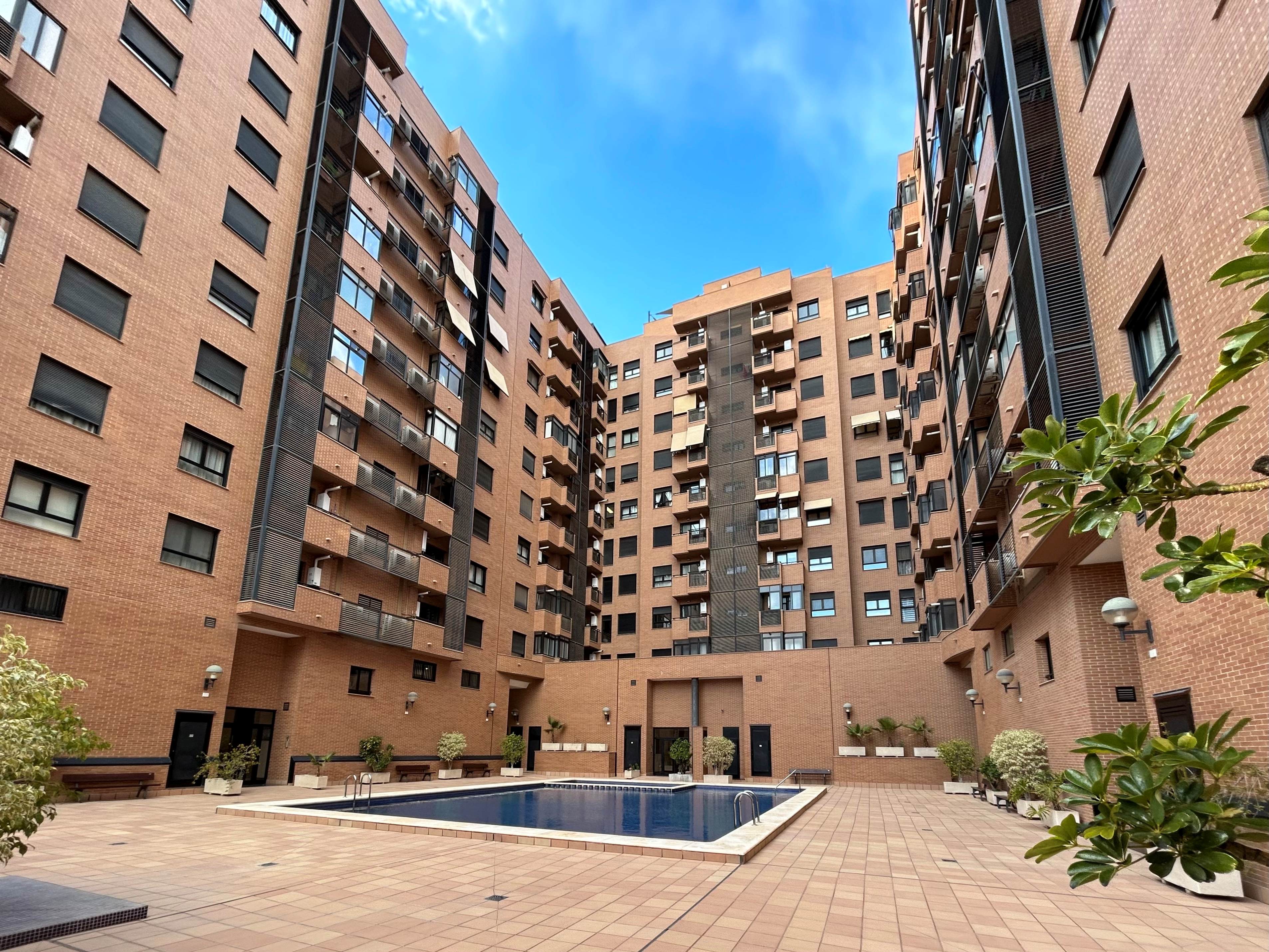
New-build projects in Alicante (Alacant)
View all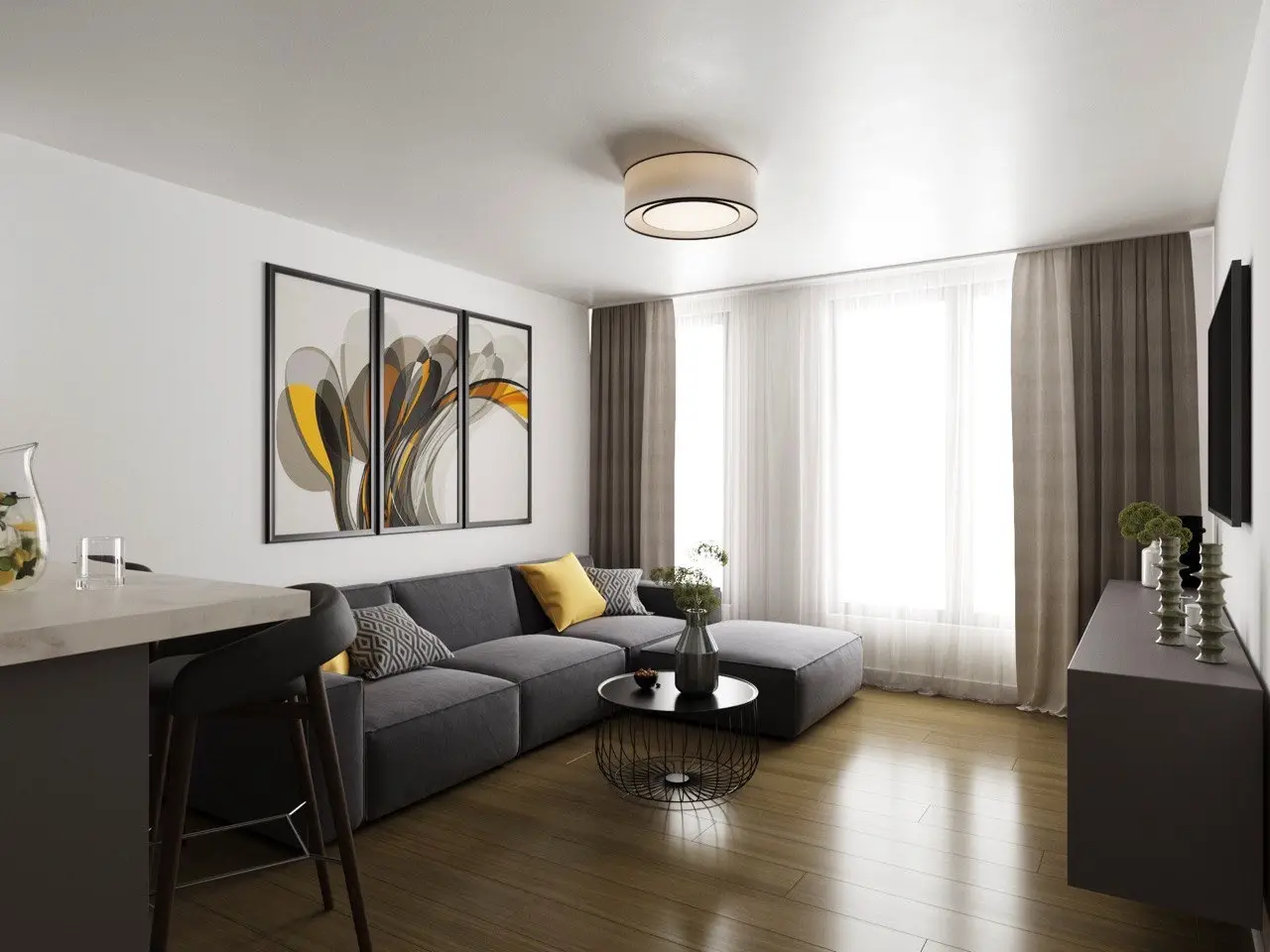
Frequently Asked Questions
Is Alicante a good place to live as an expat?
↓
Alicante scores 7.7 out of 10 in veritySpain's editorial assessment. The city offers a stable climate, functioning public healthcare, international schools, and an established expat community, while retaining a genuine Spanish civic character that distinguishes it from purely tourist-facing coastal resorts.
What is the cost of living in Alicante compared to the rest of Spain?
↓
Alicante is consistently among the more affordable Spanish provincial capitals according to INE consumer price data. Groceries and dining out cost less than in Madrid or Barcelona. The main variable expense for residents is summer air-conditioning, which can raise utility bills significantly during July and August.
How is healthcare for expats in Alicante?
↓
The Hospital General Universitario de Alicante is a full-service teaching hospital. Registered residents access public healthcare free at point of use by enrolling at a local health centre. Many expats also hold private health insurance for faster specialist access, which costs considerably less in Spain than equivalent cover in the UK or US.
Are there international schools in Alicante?
↓
Yes. The British School of Alicante and several other internationally accredited schools offer English-medium education within or close to the city. State schools are free and teach in Spanish and Valenciano; families settling long-term often find state-school immersion accelerates children's language acquisition effectively.
What is the property price range in Alicante (Alacant)?
↓
The residential projects currently tracked by veritySpain in Alicante (Alacant) range from €235,000 to €380,000. Buyers should also budget for ITP on resale property or IVA on new-build, both set by regional law, plus notary and registration costs typically adding several percentage points to the purchase price.
Which districts are best for expats in Alicante?
↓
The city centre, including the Ensanche and the old town below Castillo de Santa Bárbara, mixes Spanish and international residents and offers walkable access to services. The Playa de San Juan area north of the city has a higher concentration of northern European residents. New arrivals typically rent first to assess which area fits their daily routine.
How easy is it to get a NIE and register as a resident in Alicante?
↓
NIE (Número de Identidad de Extranjero) applications and empadronamiento (municipal registration) are handled at established offices in the city. The process is well documented. A growing number of local gestores offer English-language support for residency paperwork, making the administrative side of settling in more manageable for non-Spanish speakers.