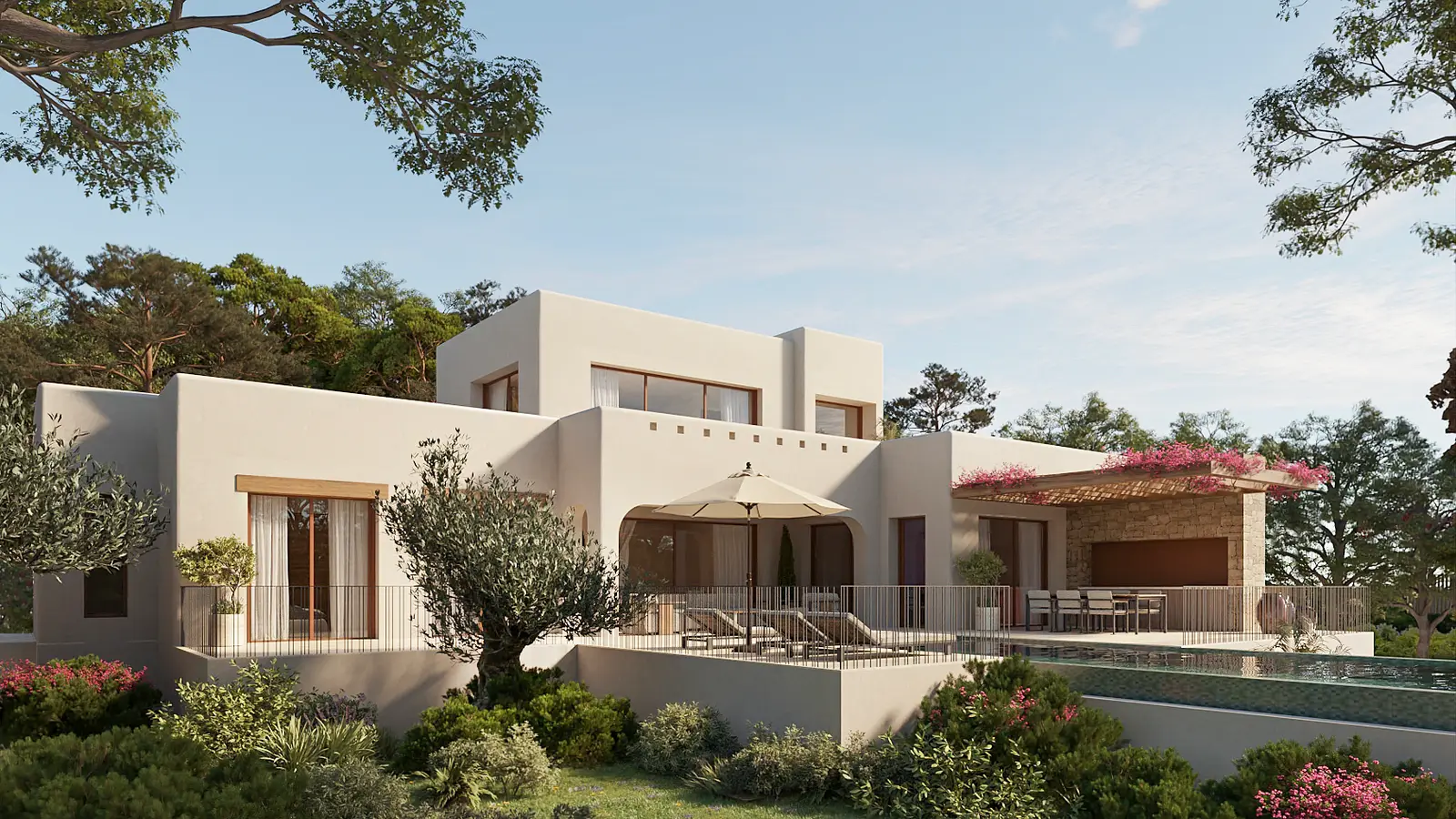
Living in Benissa as an expat: climate, cost of living, healthcare, schools, and community. veritySpain scores the market 7.4/10. Properties from €890k.
Living in Benissa as an expat means trading urban density for a coastal town where veritySpain scores the local residential market at 7.4/10 and tracked properties range from €890,000 to €4,250,000 across 11 analysed projects. That price floor is considerably above the Costa Blanca average, which reflects the municipality's appeal: a UNESCO-recognised old town, direct access to uncrowded coves at Cala Advocat and La Fustera, and a year-round resident community rather than a pure holiday crowd. Northern Europeans, predominantly British, German, and Dutch, make up a substantial portion of the resident register. The town is small enough to navigate on foot, yet sits within 20 minutes of Calpe and 40 minutes of Alicante-Elche Airport.
Climate and everyday rhythms
Benissa averages more than 300 sunny days per year, a figure consistent with meteorological records across the northern Costa Blanca published by AEMET, Spain's state weather agency. Summers are hot and dry, with July and August temperatures regularly reaching 32–34 °C inland. The old town retains its stone architecture specifically because those thick walls moderate interior heat without air conditioning. Winters are mild: frost is rare, and February afternoons frequently allow outdoor lunches. That temperate rhythm shapes daily life directly. Residents shop the Wednesday market in Benissa town, cycle the greenway toward Teulada in cooler months, and spend late afternoons at the cala rather than the coast strip. The pace is deliberate. Fewer tourists than Calpe or Altea means quieter roads through September.
Cost of living and practical finances
Utility costs and groceries in Benissa broadly track the Valencian Community average, which INE household expenditure surveys place consistently below Madrid and Barcelona. Eating at a local restaurant in the old town costs around €12–18 per person for a menu del día, a common midday format across provincial Spain. Supermarket provision is workable but limited: a Mercadona sits in the lower town and a Consum serves the residential zones uphill. Larger shopping, including IKEA and Leroy Merlin, requires a 40-minute drive to Alicante or Calpe's commercial park. Property purchase triggers Spain's standard transfer taxes, either 10% IVA on new-build or ITP (Impuesto de Transmisiones Patrimoniales) on resale, which the Valencian Community sets at a tiered rate. Budget for notary, registry, and legal fees of roughly 1–2% on top.
Healthcare and education
Benissa has a public health centre (Centro de Salud) on Calle San Vicente, staffed by GPs and specialist visit schedules, which forms part of the Valencian Health Agency network. Marina Alta hospital in Dénia, 25 kilometres north, covers emergency and inpatient services for the comarca. A second referral option is Hospital La Pedrera in Dénia or the larger Hospital Universitario in Alicante, reached in under an hour. Most long-term expat residents carry private health insurance, with providers such as Sanitas and Asisa operating widely across the region. School-age children typically attend the local public primary in Benissa or secondary in Calpe; international schooling options are available at bilingual private schools in Jávea, approximately 30 kilometres away. Ministerio de Educación enrolment data indicates a growing number of non-Spanish pupils across the Marina Alta district.
Communities and social infrastructure
11 veritySpain-tracked projects in Benissa attract buyers who value permanence over seasonality. That profile shapes the social fabric. An active British residents' association organises events through the year, and several German-speaking groups meet in Calpe and Teulada. The weekly market is genuinely multilingual. Benissa's old town hosts a full calendar of local fiestas, including the Moros y Cristianos celebrations in late July, which bring the permanent community together rather than drawing primarily seasonal visitors. Connectivity matters for remote workers: fibre broadband has reached most urbanisations through the Valencian broadband rollout, and coworking space exists in nearby Moraira and Jávea. The inland position means Benissa is not a beach resort. That is precisely its appeal for residents who want proximity to the coast without the accompanying noise economy.
Key takeaways
- veritySpain scores Benissa's residential market at 7.4/10 with properties ranging from €890k to €4,250k.
- Climate data from AEMET confirms over 300 sunny days per year and mild, frost-free winters.
- Healthcare covers a local Centro de Salud plus hospital referral in Dénia and Alicante within an hour.
- Cost of living tracks the Valencian Community average, with daily expenses lower than Madrid or Barcelona.
- A stable, multilingual resident community and fibre broadband make Benissa workable for year-round expat life.
The market in numbers
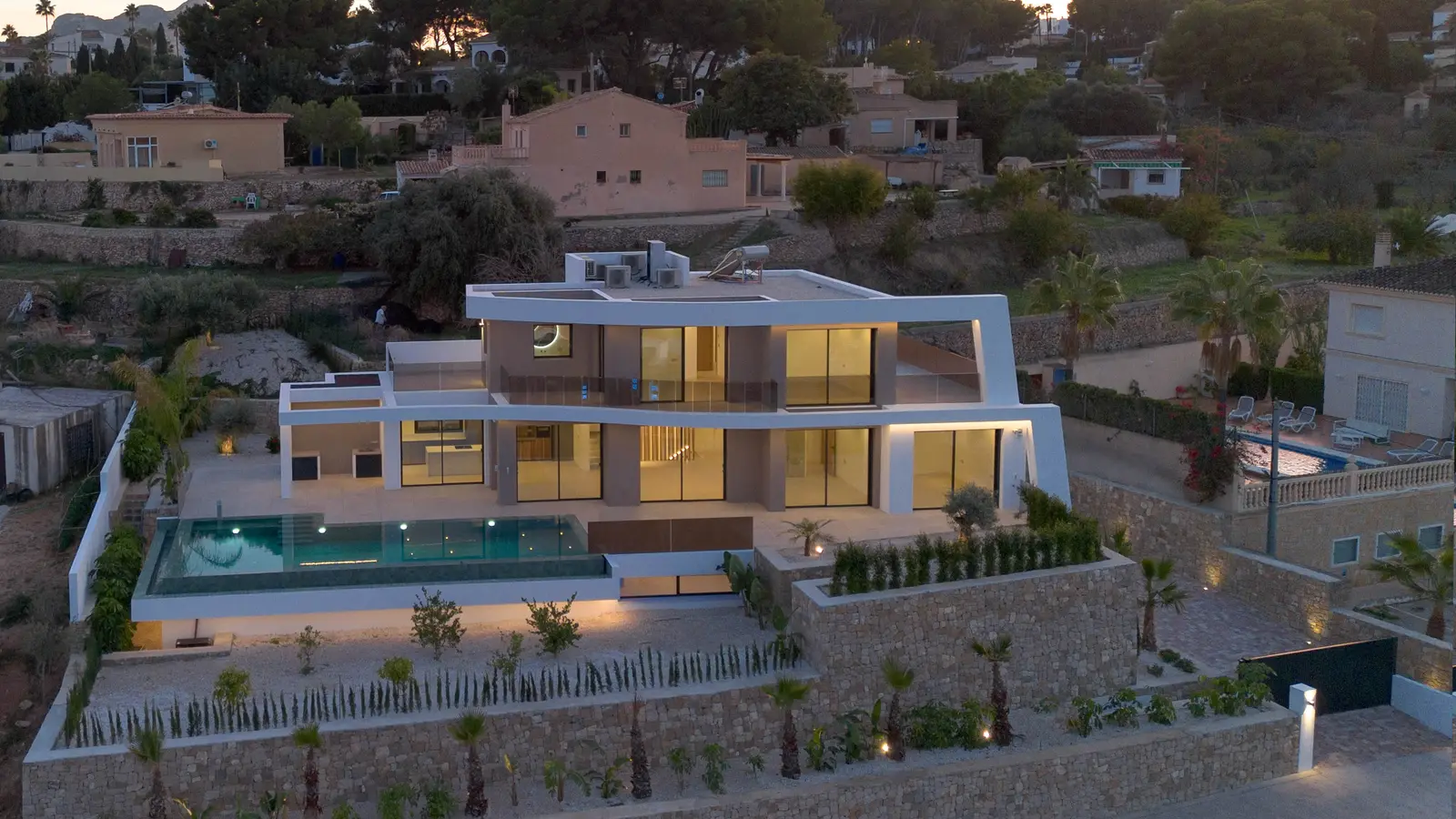
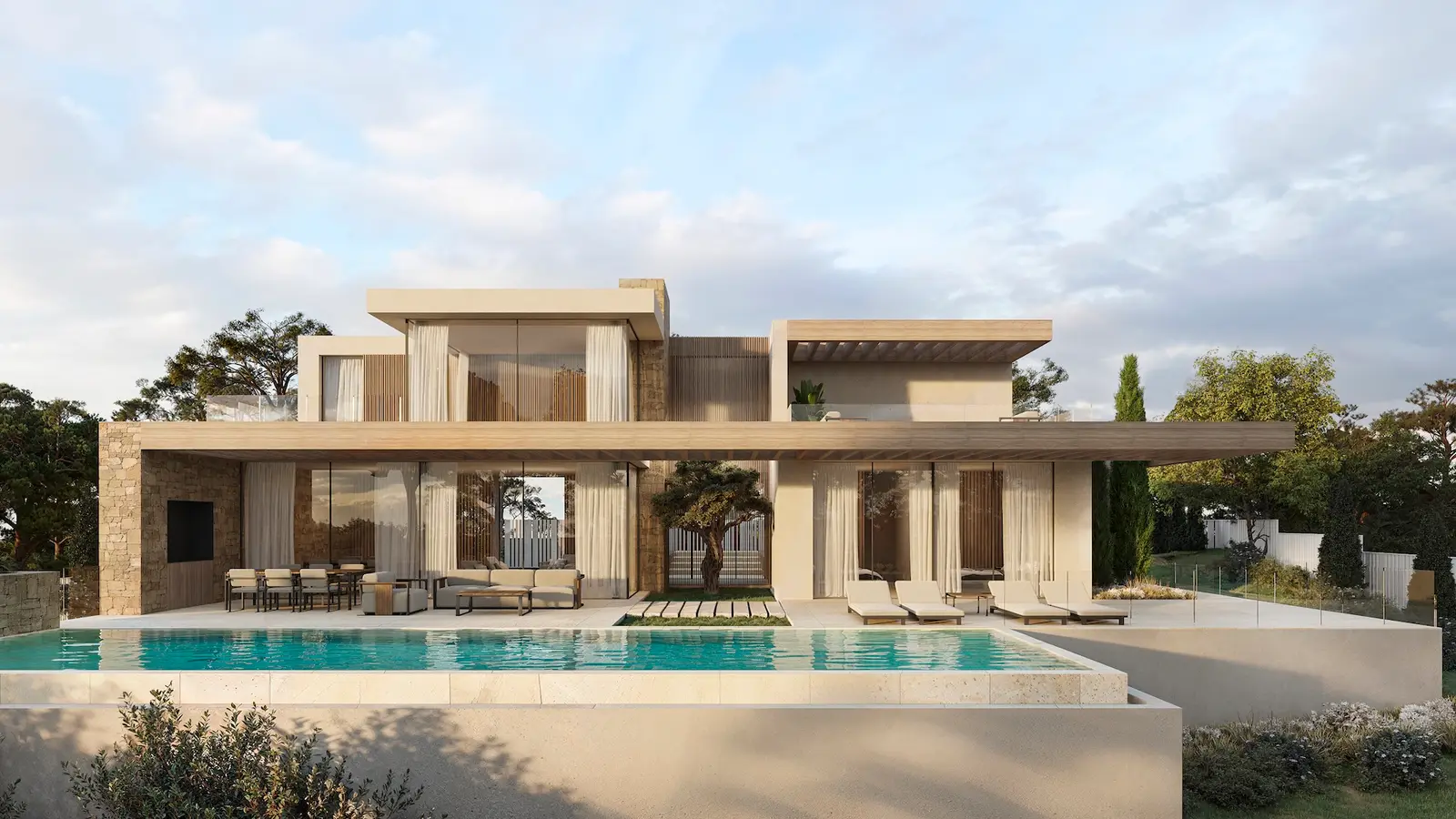
New-build projects in Benissa
View all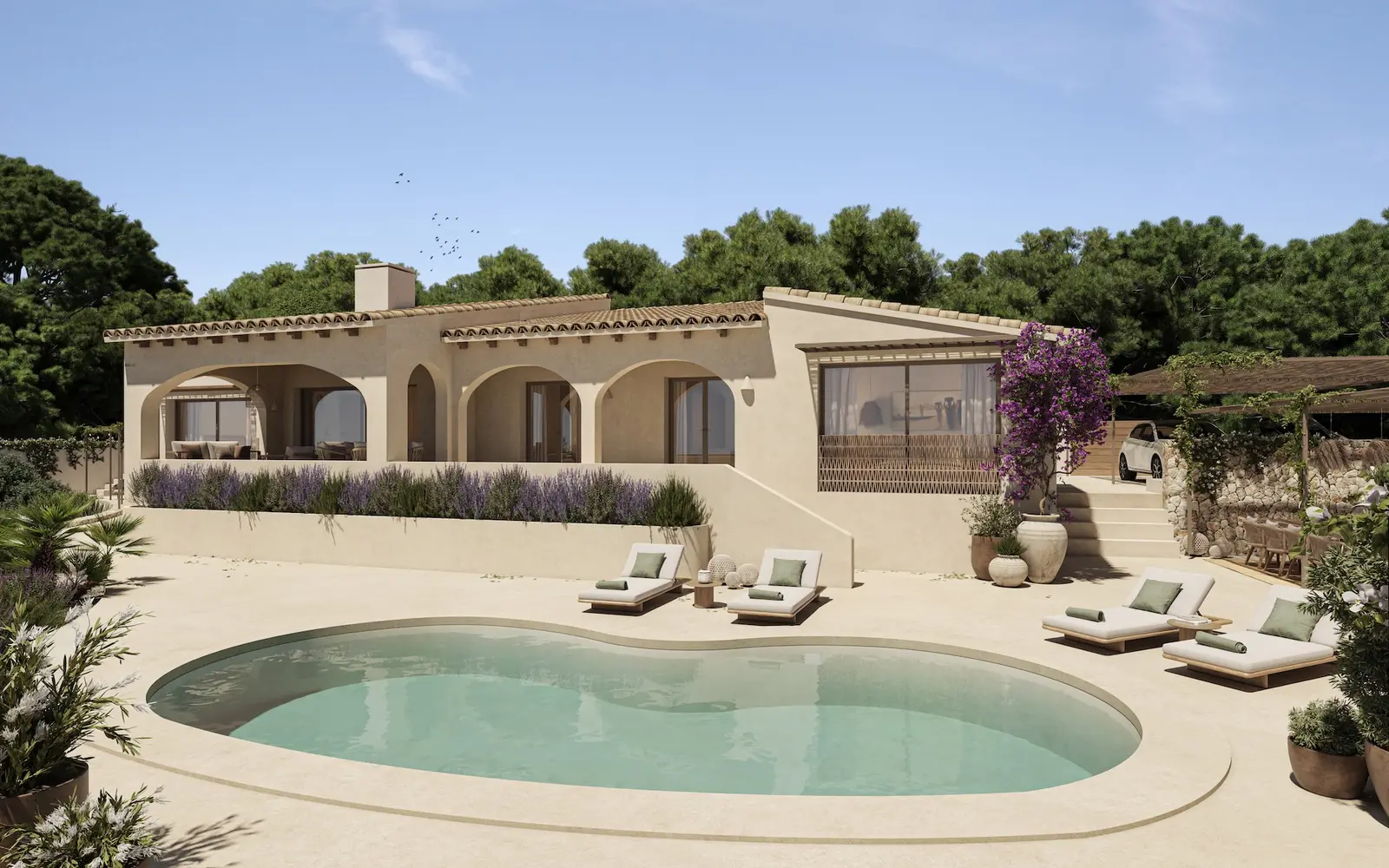
Frequently Asked Questions
Is Benissa a good place to live as an expat?
↓
Benissa suits expats who want a permanent coastal base rather than a seasonal resort. veritySpain rates the local market 7.4/10. The town has a stable year-round resident community, mild winters, and practical access to healthcare in Dénia. It is quieter than Calpe or Altea, which attracts buyers looking for a slower pace and a working old town.
What is the cost of living in Benissa for foreigners?
↓
Day-to-day costs in Benissa broadly match the Valencian Community average, which INE household data places below Madrid and Barcelona. A restaurant menu del día runs €12–18 per person. Supermarkets cover basics locally. Larger retail requires a drive to Calpe or Alicante. Property-related taxes follow standard Spanish rules: 10% IVA on new builds, or tiered ITP on resales in the Valencian Community.
What healthcare is available in Benissa?
↓
Benissa has a public Centro de Salud on Calle San Vicente with GP and specialist visits. Emergency and inpatient care routes to Marina Alta hospital in Dénia, 25 kilometres away. Alicante's university hospital is under an hour by car. Most long-term expat residents complement public access with private insurance from providers such as Sanitas or Asisa.
How is the climate in Benissa?
↓
AEMET data for the northern Costa Blanca confirms over 300 sunny days annually. Summers are hot and dry, reaching 32–34 °C inland, while winters are mild and largely frost-free. The old town's stone architecture moderates indoor temperatures in summer. February afternoons commonly allow outdoor dining. The climate is one of the primary reasons northern European residents choose the area.
Are there international schools near Benissa?
↓
Benissa itself has a public primary school and secondary schooling available in nearby Calpe. Bilingual private and international schools operate in Jávea, approximately 30 kilometres to the north. Ministerio de Educación enrolment data shows an increasing proportion of non-Spanish pupils across the Marina Alta comarca, reflecting the growing expat resident base.
What is the expat community like in Benissa?
↓
The expat community in Benissa is predominantly British, German, and Dutch, with residents registered year-round rather than seasonally. A British residents' association is active, and German-speaking groups meet regularly in nearby Calpe and Teulada. The weekly Wednesday market is multilingual and genuinely local in character. Moros y Cristianos fiestas in late July draw the permanent community together.
Is Benissa suitable for remote workers?
↓
Fibre broadband now covers most urbanisations in Benissa through the Valencian Community infrastructure rollout. Dedicated coworking space is available in Moraira and Jávea within 20–30 minutes. The mild climate and quiet residential character make working from home practical outside the summer peak. Alicante-Elche Airport, under an hour away, provides flight connections for client visits or European travel.