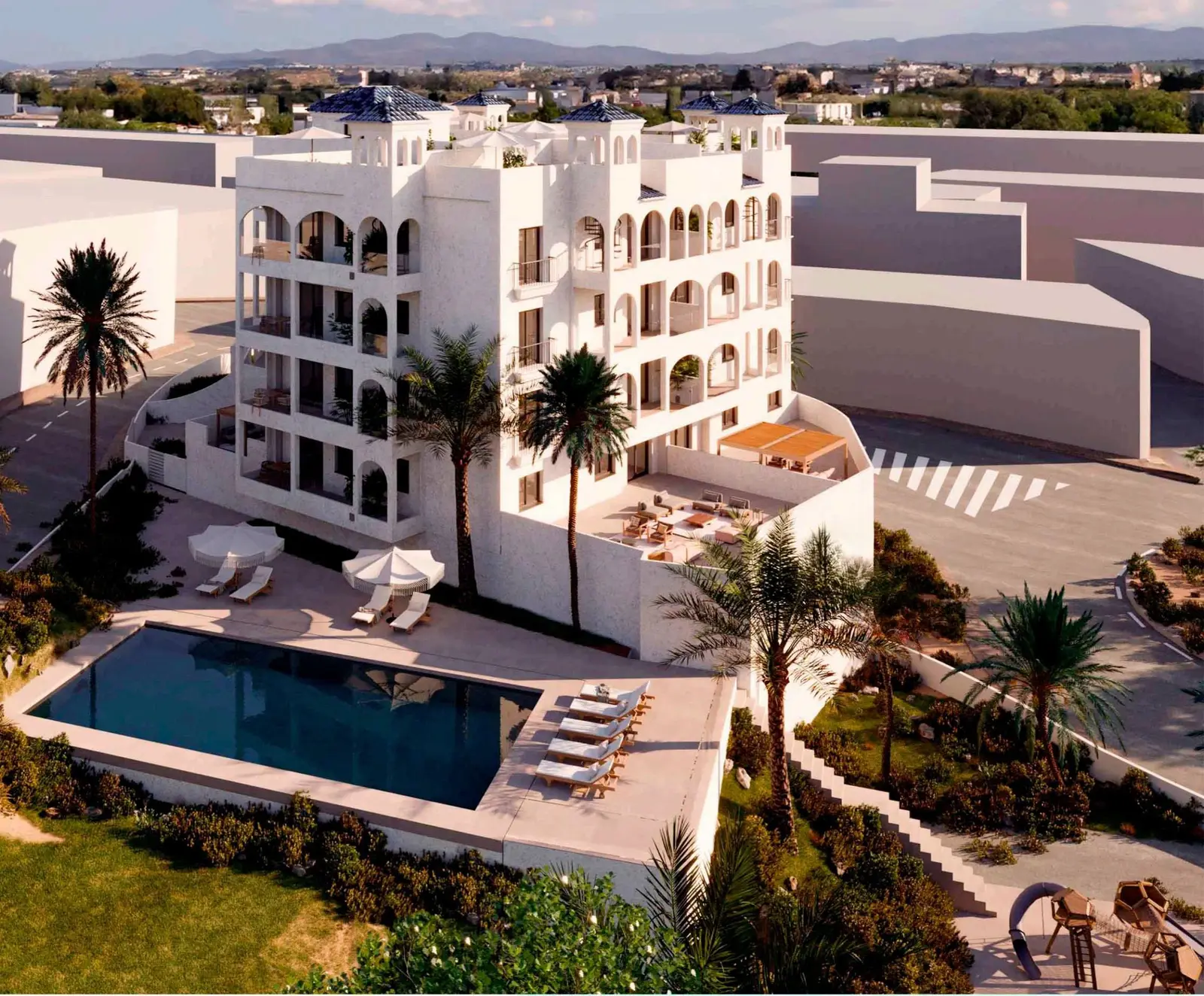
New build Bigastro properties range from €175k to €250k. This guide covers NIE, contracts, taxes, stage payments and completion steps for international buyers.
New build Bigastro listings currently sit between €175,000 and €250,000, and the three projects veritySpain has analysed in the municipality average a score of 7.6 out of 10, a solid indicator that due diligence has been done and the fundamentals hold. Bigastro is a small inland town in the Vega Baja del Segura comarca of Alicante province, within easy reach of the Orihuela Costa coastline and Alicante Airport. For international buyers the buying process follows a fixed legal sequence that differs in important ways from northern European conveyancing. Understanding each step before you reserve protects your deposit and your timeline.
Getting your NIE and opening a Spanish bank account
Every non-Spanish buyer must hold a NIE (Número de Identificación de Extranjero) before signing any purchase contract. Without it, notaries will not complete the deed. NIE applications are submitted at a Spanish consulate in your home country or at a Comisaría de Policía in Spain, and processing times vary from a few days to several weeks. Open a Spanish current account in parallel: the developer will require payment from a Spanish IBAN for the reservation fee and stage payments. Most international banks with Spanish branches, including Sabadell and Bankinter, offer non-resident accounts. This step is administrative, but delays here cascade into missed reservation windows on sought-after phases.
Reservation, private purchase contract, and deposit structure
The first legally binding document is the contrato de reserva, typically requiring a deposit of around 3,000 to 6,000 euros for a new build in this price band. This secures the specific unit and takes it off the market. Within weeks, the parties move to the contrato de arras or contrato privado de compraventa, which sets the full purchase price, payment schedule, and completion date. At this stage a further deposit, commonly 10 percent of the purchase price, is paid. If the buyer withdraws, the deposit is forfeited; if the developer withdraws, they must return double the amount. Registradores de España records for the Valencia Community confirm that off-plan new-build transactions follow this two-stage contract model consistently.
Taxes and purchase costs for new builds in Alicante
New build properties in Spain attract IVA (VAT) rather than the resale transfer tax (ITP). The standard IVA rate on residential property is 10 percent of the purchase price. On top of that, buyers pay Actos Jurídicos Documentados (AJD, stamp duty), which in the Valencian Community is 1.5 percent of the declared value. Legal fees for an independent Spanish solicitor typically run 1 to 1.5 percent. Notary and land-registry costs add a further 0.5 to 1 percent. In total, plan for roughly 12 to 14 percent on top of the purchase price for taxes and fees on a new build in Bigastro. That figure is a planning estimate; your solicitor will produce the precise breakdown once the purchase price is confirmed. veritySpain data incorporates this cost structure into each project's total-cost modelling.
Construction stage payments and bank guarantees
Off-plan purchases in Spain are governed by Law 20/2015 and its predecessor regulations, which oblige developers to insure or bank-guarantee all stage payments made before completion. Request the aval bancario or insurance policy documentation before transferring any money beyond the reservation deposit. Stage payments are typically structured in tranches tied to construction milestones: foundation, structure, and completion. Completions of new build projects in the Alicante province have been subject to planning and materials delays in recent years, a pattern documented in transaction data published by INE. Build in buffer time: a handover date printed in the contract is a target, not a guarantee. Confirm the developer's track record and registered promoter status with the Registro de Promotores.
Completion, handover, and post-completion obligations
Completion takes place at a notary office in Spain. Both buyer and seller (or their legal representatives with power of attorney) must be present. The notary reads the escritura de compraventa, the mortgage deed if applicable, and the buyer pays the outstanding balance, usually via bank-guaranteed cheque or bank transfer. The title is then submitted to the Registro de la Propiedad. Inscription takes two to eight weeks. Once registered, connect utilities: electricity and water accounts require the cedula de habitabilidad (first occupancy licence), which the developer is responsible for obtaining. Annual costs post-completion include IBI (local property tax, set by the Bigastro ayuntamiento), community fees if the development has shared areas, and non-resident income tax if you do not become a Spanish resident. A Spanish fiscal representative can handle annual filings at modest cost.
Key takeaways
- New build Bigastro prices range from €175,000 to €250,000 across three veritySpain-analysed projects averaging 7.6/10.
- A NIE number and Spanish bank account must be in place before signing any purchase contract.
- Budget 12 to 14 percent above the purchase price to cover IVA, AJD, legal, notary, and registry costs.
- Off-plan stage payments must be covered by a bank guarantee or insurance under Spanish law.
- Completion occurs at a notary; post-completion duties include utility connections and annual local property tax.
The market in numbers
New-build projects in Bigastro
View all
Frequently Asked Questions
What is the price range for new build properties in Bigastro?
↓
New build prices in Bigastro range from €175,000 to €250,000 based on current veritySpain project data. The three analysed developments average a score of 7.6 out of 10. Actual prices within a development depend on floor level, aspect, and finishes. Request the full price list from the developer and compare against the schedule of areas.
Do I need a NIE to buy property in Spain as a foreigner?
↓
Yes. A NIE (Número de Identificación de Extranjero) is mandatory for every foreign buyer before a notary will complete the purchase deed. Apply at a Spanish consulate in your home country or at a police station in Spain. Processing takes days to weeks, so start the application as soon as you decide to buy.
What taxes do I pay when buying a new build in Alicante?
↓
New build purchases attract 10 percent IVA instead of the resale transfer tax. Buyers in the Valencian Community also pay 1.5 percent AJD (stamp duty). Adding legal, notary, and land-registry costs, total purchase costs typically reach 12 to 14 percent above the agreed price. A Spanish solicitor will provide a precise breakdown before you sign.
How are off-plan stage payments protected in Spain?
↓
Spanish law requires developers to protect all off-plan stage payments through a bank guarantee or insurance policy before collecting funds beyond the reservation deposit. Request this aval bancario documentation in writing before any transfer. If the developer cannot produce it, walk away. Reputable promoters registered with the Registro de Promotores comply automatically.
How long does a new build purchase take from reservation to keys in Bigastro?
↓
Timelines vary by construction stage at the point of reservation. A project already under construction may complete in six to twelve months; an early-phase purchase may take eighteen to thirty months. Delays linked to planning permissions and materials supply have affected completion dates across Alicante province in recent years. Build buffer time into any relocation plans.
Can I complete a Spanish property purchase without being present in Spain?
↓
Yes. A notarised power of attorney (poder notarial) allows a Spanish solicitor or trusted representative to sign on your behalf at completion. The power of attorney can be granted at a Spanish consulate in your home country. This is common for international buyers unable to travel on the specific completion date. Instruct your solicitor early to prepare the document.
What ongoing costs should I budget for after buying in Bigastro?
↓
Annual costs include IBI (local property tax set by the Bigastro ayuntamiento), community fees where shared facilities exist, and non-resident income tax if you remain a tax resident elsewhere. Non-residents must file an annual Spanish tax return through a registered fiscal representative, typically at modest flat-fee cost. Factor these in when calculating total cost of ownership.