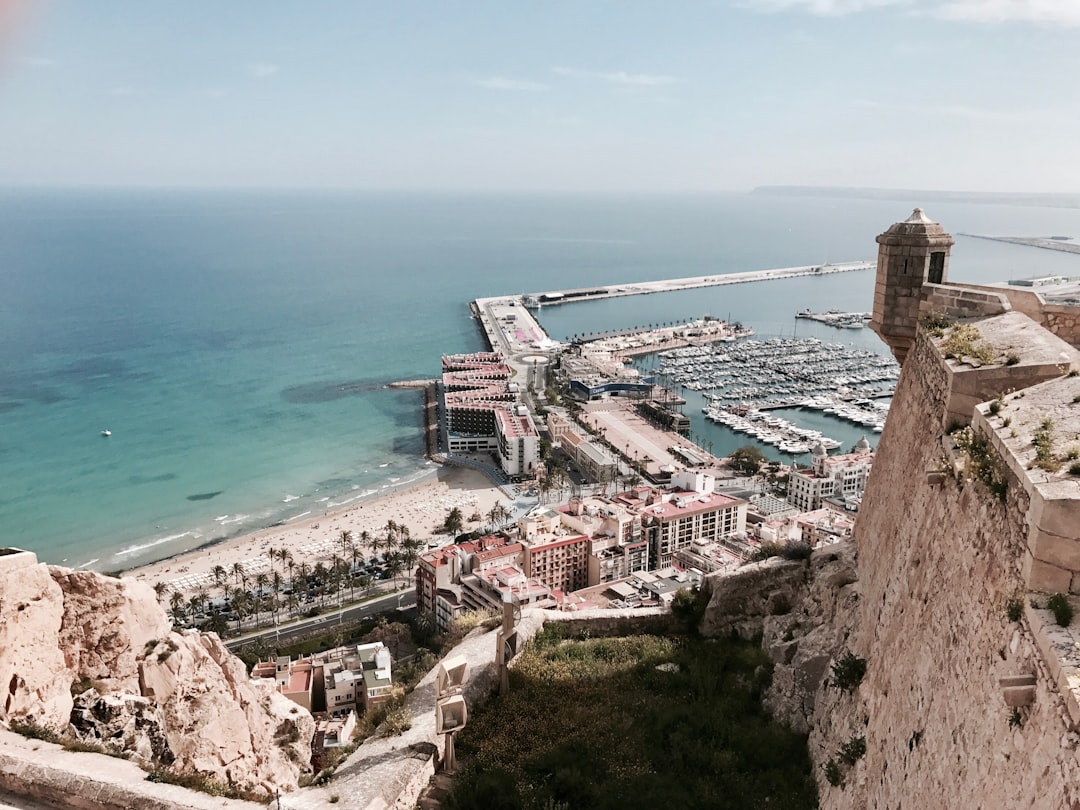
Living in Cabo Roig as an expat: climate, healthcare, costs and community on the Costa Blanca South. Data-led guide by veritySpain.
Living in Cabo Roig as an expat puts you on a stretch of the Costa Blanca where veritySpain has assessed the local new-build market at a score of 8.2 out of 10, with analysed projects priced at €399,000. The area sits in the southern Alicante province, about 50 kilometres south of the city of Alicante and roughly 15 kilometres north of the regional hub of Torrevieja. Winters here are mild by northern European standards, with average daily highs rarely falling below 16 °C from December through February. Year-round sunshine draws a large Northern European population, and the community infrastructure that has grown around that demographic is one of the defining features of daily life in Cabo Roig. That infrastructure ranges from English-language health clinics to international supermarkets, and it makes the initial settling-in process considerably more manageable than in less developed coastal zones.
Climate and outdoor life
Cabo Roig averages more than 300 days of sunshine per year, a figure consistent with the broader Costa Blanca South microclimate documented by AEMET, Spain's state meteorological agency. The Mediterranean basin moderates summer heat: peak temperatures in July and August typically reach the high 30s rather than the extreme values recorded further inland. That distinction matters for day-to-day comfort. The Cala Capitan and Cala de la Mosca inlets are within walking distance of most residential areas, offering small sand-and-pebble beaches that are sheltered enough for swimming from April through October. Outdoor activity is built into the rhythm of the place. Golf courses at nearby La Zenia and Villamartín provide year-round playability, and the Greenways cycling trail network, which follows disused railway lines through the comarca, gives cyclists and walkers a route that avoids coastal traffic entirely. Short distances define the lifestyle: the centre of Cabo Roig is compact.
Healthcare and practical services
Access to healthcare is one of the most frequently cited concerns among incoming expats, and Cabo Roig sits within a serviceable distance of several public and private facilities. The nearest public hospital is Hospital Vega Baja in Orihuela, roughly 20 kilometres inland. Several private clinics operate closer to the coast, including English-speaking practices in Orihuela Costa that handle general practice, dental care, and minor procedures. Spain's public health system (Sistema Nacional de Salud) extends to registered residents, including EU nationals who transfer their health entitlement and non-EU nationals who register as residents and contribute to social security. For day-to-day needs, pharmacies in Cabo Roig and the neighbouring Playa Flamenca strip are well stocked and staffed by Spanish pharmacists who typically speak workable English. International supermarkets, including Mercadona, Lidl, and a Consum within a short drive, stock a broad range of northern European branded goods alongside Spanish produce. Banking, notarial services, and Spanish language courses are all available locally, a reflection of the area's long-standing role as a receiving community for foreign residents.
International community and social fabric
Cabo Roig has one of the highest concentrations of British, Dutch, Scandinavian, and Belgian residents along the southern Costa Blanca. INE (Instituto Nacional de Estadística) registers Orihuela Costa, the larger administrative zone that includes Cabo Roig, among the municipalities with the highest proportions of foreign-born residents in Spain. That demographic reality shapes the area's social calendar in practical ways. English-language social clubs, bowls clubs, amateur dramatics societies, and charity fundraising groups operate throughout the year and provide a ready-made entry point for newly arrived residents. The Wednesday and Saturday markets at La Zenia attract a mixed local and expatriate crowd and remain a reliable way to meet neighbours. Property owners who spend only part of the year here sometimes describe the community as having two seasons: the quieter October-to-March period, when year-round residents dominate, and the busier spring-to-summer phase when seasonal residents return. Year-round residency creates a more grounded social environment than pure holiday zones offer.
Cost of living and practical finances
Living costs in Cabo Roig run below the Spanish national average for accommodation, and considerably below major cities such as Madrid or Barcelona. Food, utilities, and local services in the Alicante province are among the more affordable in Spain, a broad pattern supported by household expenditure data published by INE, though individual costs vary significantly by lifestyle. Eating out locally is accessible: a three-course menu del día in Cabo Roig or Playa Flamenca typically costs between €10 and €14, a range that reflects the genuinely local pricing structure rather than a resort premium. Property running costs, covering community fees, IBI (the annual property tax), and utility connections, are real and should be budgeted carefully before purchase; community fees in particular can vary significantly between developments. Spain's income tax system applies to residents, and non-residents holding property face the non-resident income tax (IRNR) obligation annually. Independent tax advice specific to your country of origin and Spanish residency status is essential. Keep financial planning grounded in verified local data rather than anecdote.
Key takeaways
- Cabo Roig sits on the Costa Blanca South in Alicante province, around 50 km south of Alicante city.
- veritySpain rates the local new-build market at 8.2 out of 10, with analysed properties at €399,000.
- The area averages more than 300 sunshine days per year, supporting year-round outdoor activity.
- Healthcare is accessible via private English-speaking clinics nearby and Hospital Vega Baja inland.
- A large, established Northern European community provides immediate social infrastructure for new arrivals.
- Living costs run below the Spanish average; budget carefully for IBI, community fees, and IRNR obligations.
- Year-round residents benefit from a settled, active off-season community distinct from pure holiday zones.
The market in numbers
New-build projects in Cabo Roig
View all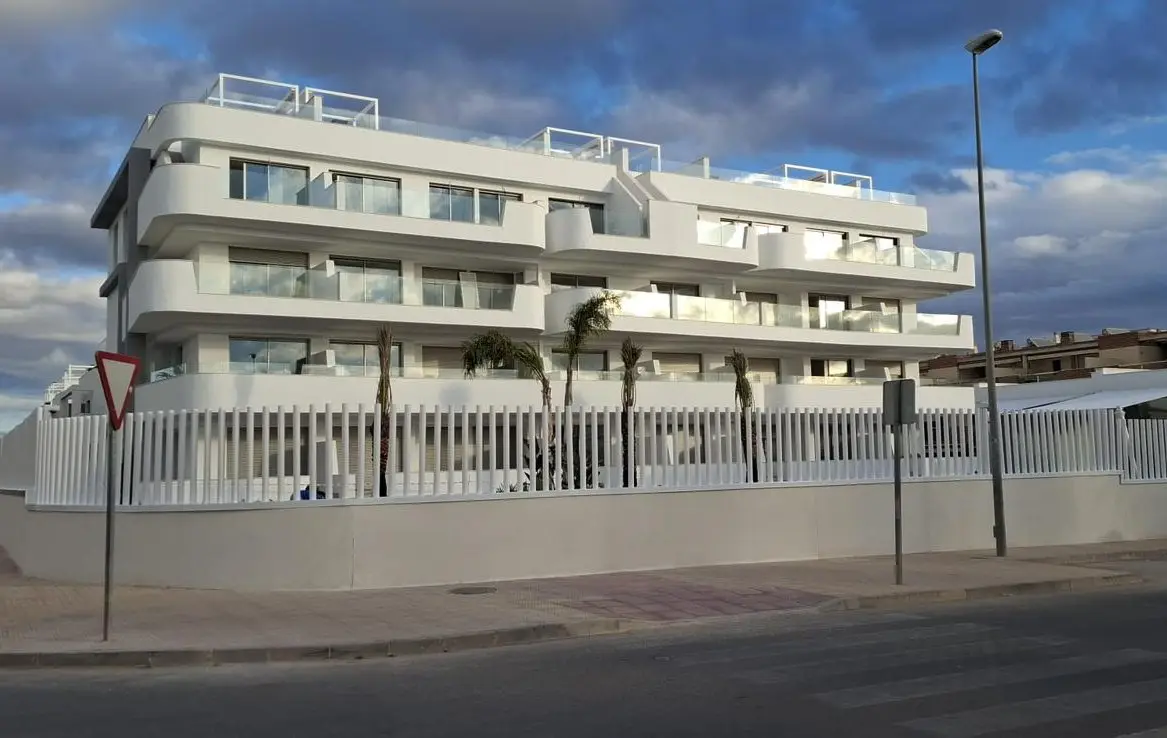
Frequently Asked Questions
Is Cabo Roig a good place to live as an expat?
↓
Cabo Roig suits expats who value a warm climate, an established international community, and coastal convenience. The area has long-standing English-speaking services, from clinics to social clubs. veritySpain rates the local new-build market at 8.2 out of 10, reflecting reasonable developer quality. Year-round residents report a settled off-season community that distinguishes it from pure holiday zones.
What is the climate like in Cabo Roig?
↓
Cabo Roig benefits from a Mediterranean climate with over 300 sunshine days per year, according to AEMET data for the Costa Blanca South. Winters are mild, with daily highs rarely falling below 16 °C. Summers are warm rather than extreme, moderated by the sea. Swimming is practical from April through October in the sheltered coves close to the main residential areas.
How good is healthcare in Cabo Roig for expats?
↓
Several private English-speaking clinics operate in Orihuela Costa, covering general practice, dental, and minor procedures. The nearest public hospital is Hospital Vega Baja in Orihuela, about 20 kilometres inland. EU residents can transfer their state health entitlement; non-EU residents who register and contribute to social security access the Sistema Nacional de Salud. Pharmacies locally are well stocked and often English-speaking.
What is the cost of living in Cabo Roig compared to the UK?
↓
Living costs in Cabo Roig are generally lower than the UK, particularly for food, dining out, and property running costs. A menu del día lunch runs between €10 and €14. Accommodation and utility costs in Alicante province track below Spanish average, based on INE household data. However, property taxes, community fees, and non-resident income tax obligations add up and need careful budgeting.
Are there English-speaking communities in Cabo Roig?
↓
Yes. Cabo Roig and the wider Orihuela Costa zone have one of the highest concentrations of British, Dutch, Scandinavian, and Belgian residents in Spain, as recorded by INE. English-language social clubs, bowls clubs, charity groups, and amateur dramatics societies operate year-round, giving new arrivals immediate access to community life without needing fluent Spanish from day one.
What taxes do expats pay when living in Cabo Roig?
↓
Spanish tax residents pay income tax on worldwide income under the IRPF system. Non-residents who own property pay the non-resident income tax (IRNR) annually, even without rental income. Property owners also pay IBI, the annual local property tax, and community fees to their development. Spanish tax law is complex and interacts with your home country's tax treaty; independent advice is strongly recommended.
What property prices can expats expect in Cabo Roig?
↓
veritySpain's current data shows a new-build project in Cabo Roig priced at €399,000, which the editorial team rates 8.2 out of 10. The local market is relatively small, with limited active new-build supply. Resale prices vary considerably by age, condition, and proximity to the coast. INE and Registradores de España publish broader transaction data for the Alicante province for wider market context.