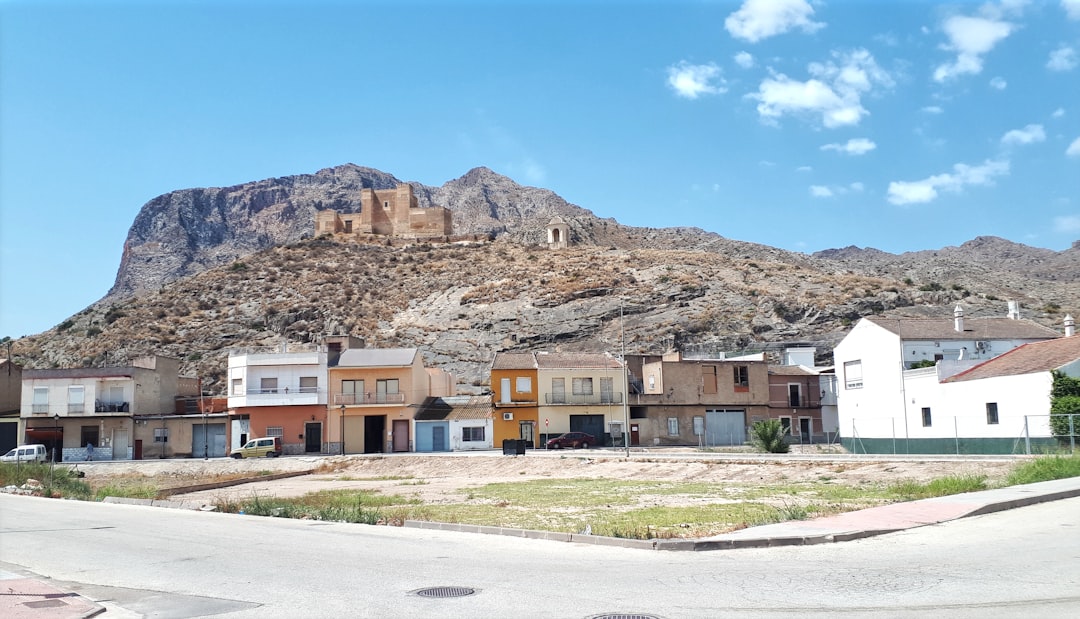
Living in Cox as an expat means €209k–€255k entry prices, 300+ sunny days, and a quiet village pace 40 km from Alicante. veritySpain's practical guide.
Living in Cox as an expat is anchored by affordable entry prices, with residential projects currently ranging from €209,000 to €255,000 across the three developments tracked by veritySpain, which has assigned the town an average editorial score of 7.5 out of 10. Cox sits in the Vega Baja del Segura comarca of Alicante province, roughly 40 kilometres south-west of Alicante city and 20 kilometres from the Costa Blanca coastline at Torrevieja. The town is small: its registered population runs to a few thousand residents, with a growing share from northern Europe, particularly the United Kingdom, Germany, and Belgium. That demographic mix shapes daily life in ways that practical buyers notice immediately. Services exist in both Spanish and English. The pace is unhurried.
Climate and outdoor life
Cox receives more than 300 days of sunshine annually, a figure consistent with the broader Alicante province averages published by the Agencia Estatal de Meteorología (AEMET). AEMET climate normals for Alicante province record average summer highs above 32 °C and mild winters rarely dropping below 8 °C at night. That thermal stability shapes a lifestyle built around outdoor activity for most of the calendar year. The Embalse de la Pedrera reservoir lies within a short drive, offering walking tracks and birdwatching. The Segura river valley, which Cox overlooks, provides flat cycling terrain. Almond and citrus groves surround the town, giving the landscape a working-agricultural character rather than a resort one. Residents who relocate from northern Europe consistently cite the light and the dry warmth as the primary quality-of-life gain. Rain falls mainly in autumn. Summers are hot; shade and timed activity matter.
Cost of living and daily practicalities
Grocery prices in Cox and nearby Orihuela broadly align with Spanish national averages, which INE household expenditure surveys place well below northern European equivalents for food, utilities, and transport. A weekly shop for two people at a local Mercadona or Consum runs to a fraction of what the same basket costs in the Netherlands or the UK. Utilities are moderate: gas is rarely needed, but summer air-conditioning costs can be significant. Property-related taxes follow standard Spanish rules: ITP (Impuesto de Transmisiones Patrimoniales) applies to resale purchases, typically at 8 to 10 percent of the declared value depending on Comunitat Valenciana rates. IVA applies to new builds. Neither figure is unique to Cox; they are provincial and national norms. Eating out is inexpensive by northern European standards. A two-course menu del día with wine costs around €10–€12 at local bars.
Healthcare and education
Public healthcare access in Cox runs through the Departamento de Salud Vega Baja, with the Hospital Vega Baja in Orihuela serving as the nearest full-service facility. Registered residents enrolled in the Spanish public health system (INSS/TGSS) access GP services at the local centro de salud. Expats who arrive without Spanish social security affiliation typically take out private health insurance, which remains comparatively affordable in Spain relative to other EU countries. Several private clinics in Orihuela and Torrevieja operate with English-speaking staff. For schooling, the nearest Spanish state schools are in Cox and Callosa de Segura. International and bilingual private schools operate in Torrevieja and Orihuela Costa, within a 20 to 30 minute drive. The British School Costa Blanca and similar institutions serve the anglophone community across the southern Alicante corridor.
Expat community and integration
A substantial international community has taken root along the Vega Baja over the past two decades, and Cox sits within that network. British expat associations, walking clubs, and amateur sports leagues operate across the comarca. The language barrier is real but manageable: enough local traders and service providers speak English that day-to-day life is functional without Spanish. However, residents who invest in Spanish, even basic conversational ability, report a noticeably different quality of relationship with neighbours and local institutions. Municipal offices operate in Spanish only. Integration events and language exchanges run through the Casa de Cultura in nearby towns. The social texture is quieter and more residential than in coastal resort towns such as Torrevieja or Guardamar. That suits buyers seeking a settled, village-scale life rather than a holiday atmosphere.
Key takeaways
- veritySpain rates Cox projects at an average 7.5 out of 10, with entry prices from €209,000 to €255,000.
- Over 300 sunny days per year makes year-round outdoor activity realistic, with cycling and walking close to home.
- Daily costs for food, eating out, and utilities sit below northern European equivalents by a meaningful margin.
- Public healthcare is accessible via the Vega Baja system; private cover remains affordable for those outside the state network.
- An established expat community offers social infrastructure, but basic Spanish accelerates integration and daily quality of life.
The market in numbers
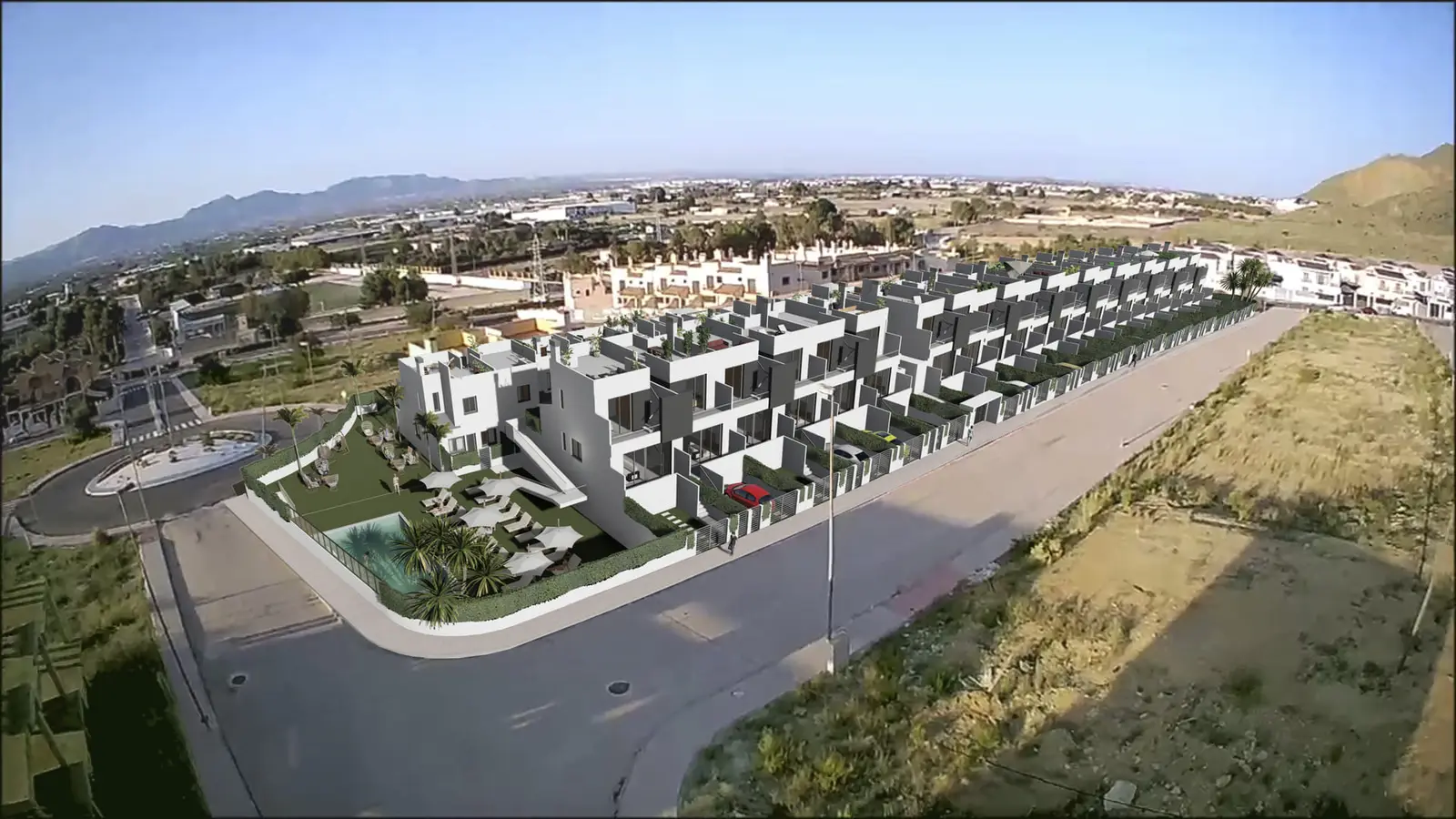
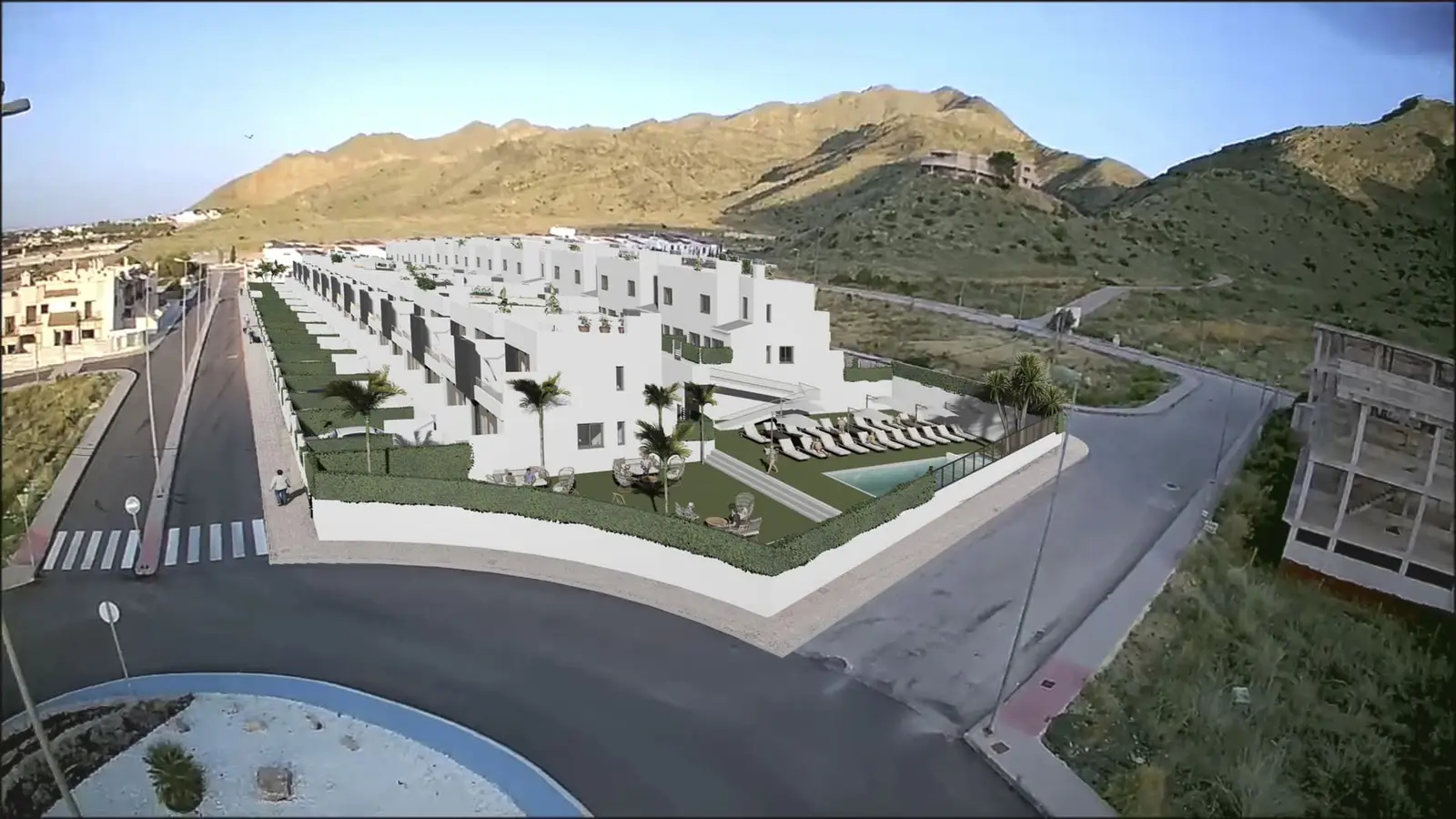
New-build projects in Cox
View all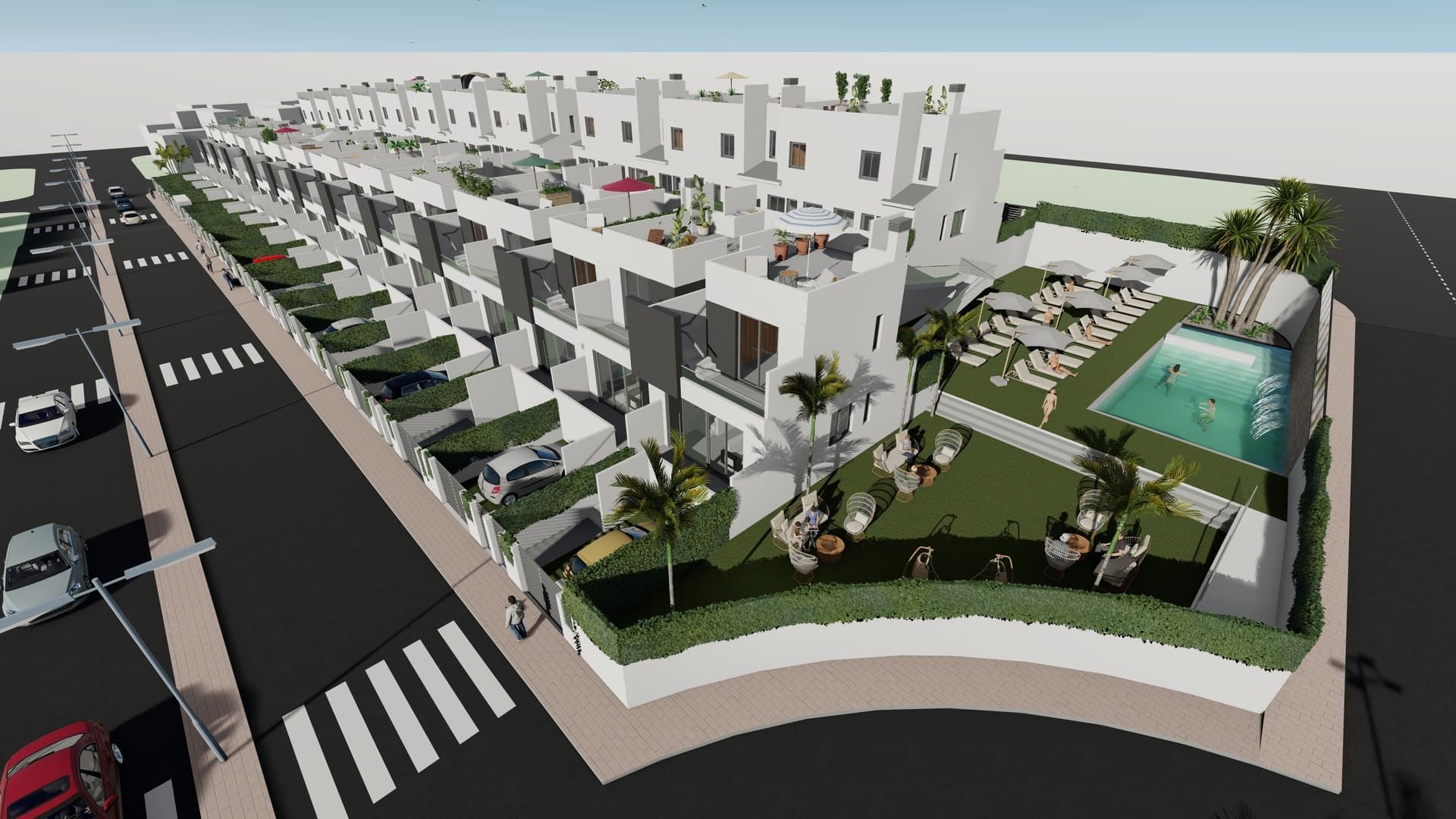
Frequently Asked Questions
Is Cox a good place to live as an expat?
↓
Cox suits expats who want a quiet, village-scale life in inland Alicante rather than a busy resort town. It offers affordable property, reliable sunshine, and proximity to Orihuela and Torrevieja for larger services. veritySpain scores local projects at an average 7.5 out of 10, reflecting reasonable value and livability for the price bracket.
What is the cost of living in Cox, Spain?
↓
Daily costs in Cox are low by northern European standards. Groceries, eating out, and utilities all fall below UK or German equivalents. A menu del día at a local bar runs to roughly €10–€12. Property prices in the town currently range from €209,000 to €255,000 across the projects tracked by veritySpain. Spanish property taxes follow Comunitat Valenciana rates.
How is healthcare in Cox for expats?
↓
Public healthcare is accessed through the Departamento de Salud Vega Baja, with Hospital Vega Baja in Orihuela as the nearest full hospital. Registered residents can use the local centro de salud. Expats without Spanish social security registration typically take private insurance, which remains comparatively affordable. English-speaking private clinics operate in Orihuela and Torrevieja.
What is the climate like in Cox?
↓
Cox enjoys a semi-arid Mediterranean climate with more than 300 sunny days per year, consistent with AEMET data for Alicante province. Summers are hot, regularly exceeding 32 °C. Winters are mild, with overnight temperatures rarely falling below 8 °C. Rain concentrates in autumn. The climate supports year-round outdoor activity and reduces heating costs significantly.
Are there English-speaking services in Cox?
↓
Enough local traders and service providers speak English that day-to-day life is manageable without Spanish. However, municipal offices operate in Spanish only, and deeper integration is noticeably easier with some Spanish. The wider Vega Baja comarca hosts British expat associations, walking clubs, and English-language social networks that serve residents in Cox and surrounding villages.
What schools are available near Cox for expat families?
↓
State schools operate in Cox and in nearby Callosa de Segura. International and bilingual private schools, including institutions serving the anglophone community, are located in Torrevieja and Orihuela Costa, typically 20 to 30 minutes by car. Families with school-age children usually factor the school run distance into their location decision when choosing between Cox and the coast.
How far is Cox from the coast and major airports?
↓
Cox sits roughly 20 kilometres from the Costa Blanca shoreline at Torrevieja and approximately 40 kilometres south-west of Alicante city. Alicante-Elche Airport is around 45 minutes by car, providing direct connections to most northern European cities. Murcia International Airport at Corvera offers an alternative for routes to the UK and other destinations.