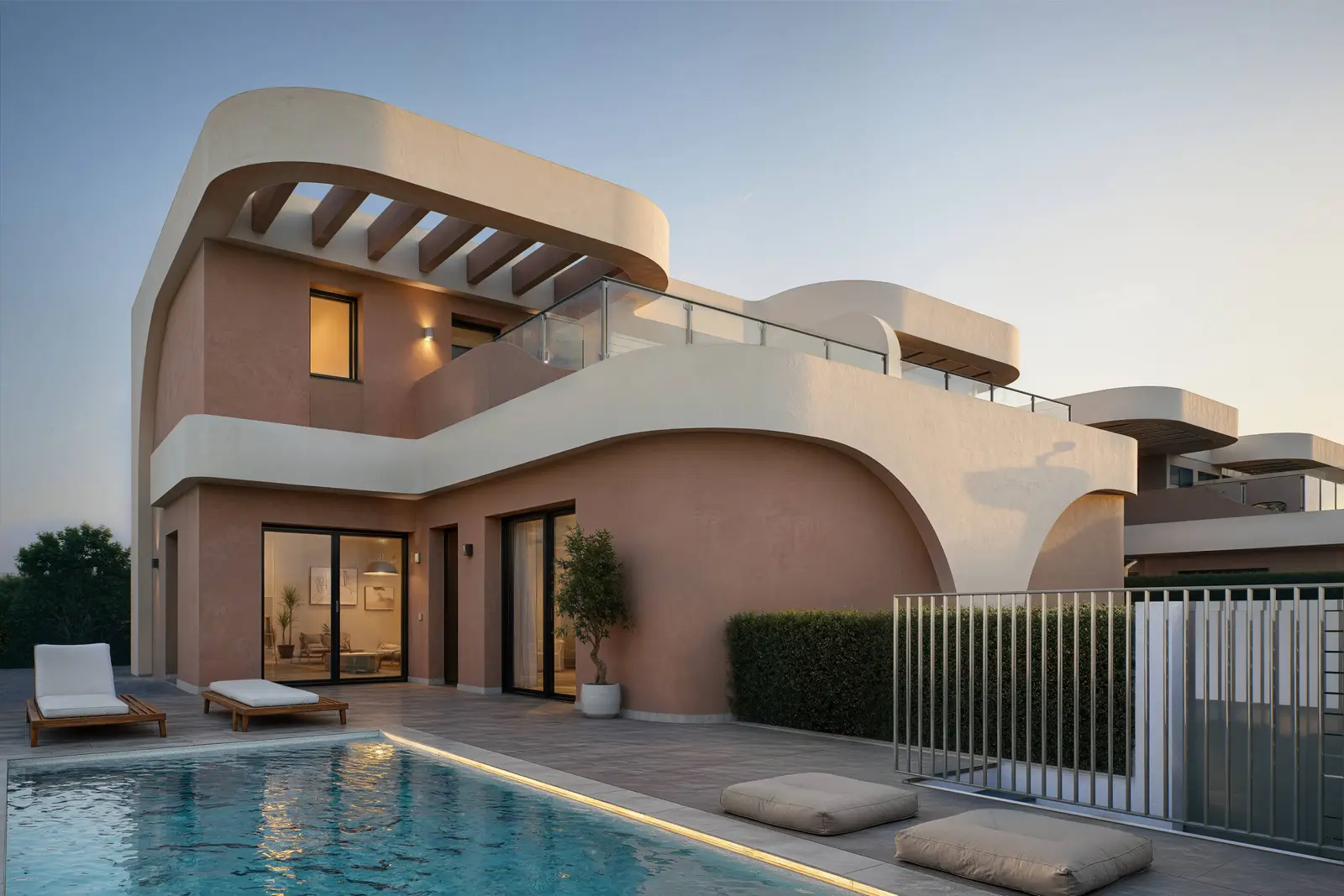
Living in Daya Nueva as an expat: climate, costs, healthcare, schools and community life in this Alicante comarca town. Key facts and figures.
Living in Daya Nueva as an expat means entering a small, Valencian Community municipality where property prices run between €317k and €400k, and where veritySpain data places the area's analysed developments at an average score of 6.9 out of 10 across three active projects. The town sits in the Vega Baja del Segura comarca, roughly 40 kilometres south-west of Alicante and about 20 kilometres inland from the Mediterranean coast. Summers are long and dry. Winters are mild, with daytime temperatures rarely dropping below 10°C. That climate, combined with low population density, draws a steady flow of Northern European residents who want a quieter pace than the coastal strip without sacrificing the sun.
Climate and day-to-day life
Daya Nueva records more than 300 days of sunshine per year, a figure consistent with broader Alicante Province data published by Spain's national meteorological agency, AEMET. Rainfall is concentrated in autumn, mostly brief and heavy. That means outdoor living is genuinely practical for most of the year: morning walks, lunch on a terrace, evening strolls through the orange groves that line the roads out of the village. The town centre is compact. Everything daily, the pharmacy, the bank, the weekly market, fits within walking distance. Pace is slow. Shops close for a long midday break.
Cost of living
300 euros a month covers a comfortable food and household budget for a couple shopping at local markets and the Mercadona in Algorfa, the nearest larger town. Utilities are low. Spanish electricity contracts can be set to a regulated tariff (PVPC), and water bills in the comarca are modest compared with coastal municipalities. Dining out at local restaurants costs roughly a third of northern European equivalents. Petrol is cheaper than in the UK, France, or Germany. The main variable is healthcare: expats who are not registered under the Spanish public system, or who have not obtained a tarjeta sanitaria, will rely on private insurance, and monthly premiums vary significantly by age and provider. Budget for it early.
Healthcare and services
Centro de Salud access is the standard route for registered residents. Daya Nueva falls under the health zone administered from Guardamar del Segura, where a larger primary care centre and pharmacy network operate. For secondary care, Hospital Universitario de Torrevieja is the nearest public referral hospital, approximately 25 kilometres away, with a full accident and emergency department. Several private clinics in Torrevieja and Orihuela cater to the international community and offer English-language consultations. Specialists in cardiology, orthopaedics, and dentistry are available without long waiting lists in the private system. This matters: a fast appointment is often the practical reason expats maintain both a public registration and a private policy.
Schools and families
Three international schools operate within a 30-kilometre radius of Daya Nueva, concentrated in the Orihuela Costa and Los Montesinos corridor. British curriculum schools following the IGCSE and A-Level pathway are the most common option for English-speaking families. Spanish state schooling in Daya Nueva itself is in Valencian and Castilian; most expat families with primary-age children commute to private or semi-private concertado schools. INE municipal register data shows the Vega Baja as one of the Valencian Community's higher-density foreign resident zones, which means the support infrastructure, language classes, integration programmes, has grown organically alongside demand. Families with teenagers report that bilingual paths work well here.
Expat communities and integration
Daya Nueva has an established population of British, Dutch, Belgian, and German long-term residents. Integration is partial by choice for many. The town's social life splits between Spanish-speaking locals and an anglophone layer centred on associations, golf clubs (Vistabella and La Serena are both reachable within 15 minutes), and informal WhatsApp networks that handle everything from trusted builders to car-pooling to Alicante airport. Spanish language classes are available in Algorfa and Guardamar. Integration at even a functional level, supermarket conversations, medical appointments, municipal paperwork, rewards effort. The town hall (ayuntamiento) handles empadronamiento registrations, which are the administrative key to most public services.
Key takeaways
- Property in Daya Nueva ranges between €317k and €400k, with three projects scoring 6.9 on average per veritySpain analysis.
- More than 300 annual sunshine days and mild winters make year-round outdoor living practical and consistent across the area.
- Healthcare requires planning: public access via the Guardamar health zone, private clinics in Torrevieja for faster specialist access.
- International schools are within 30 kilometres; British curriculum options serve the substantial anglophone expat community well.
- Low day-to-day costs and an established Northern European community reduce the friction of settling without erasing the local character.
The market in numbers
New-build projects in Daya Nueva
View all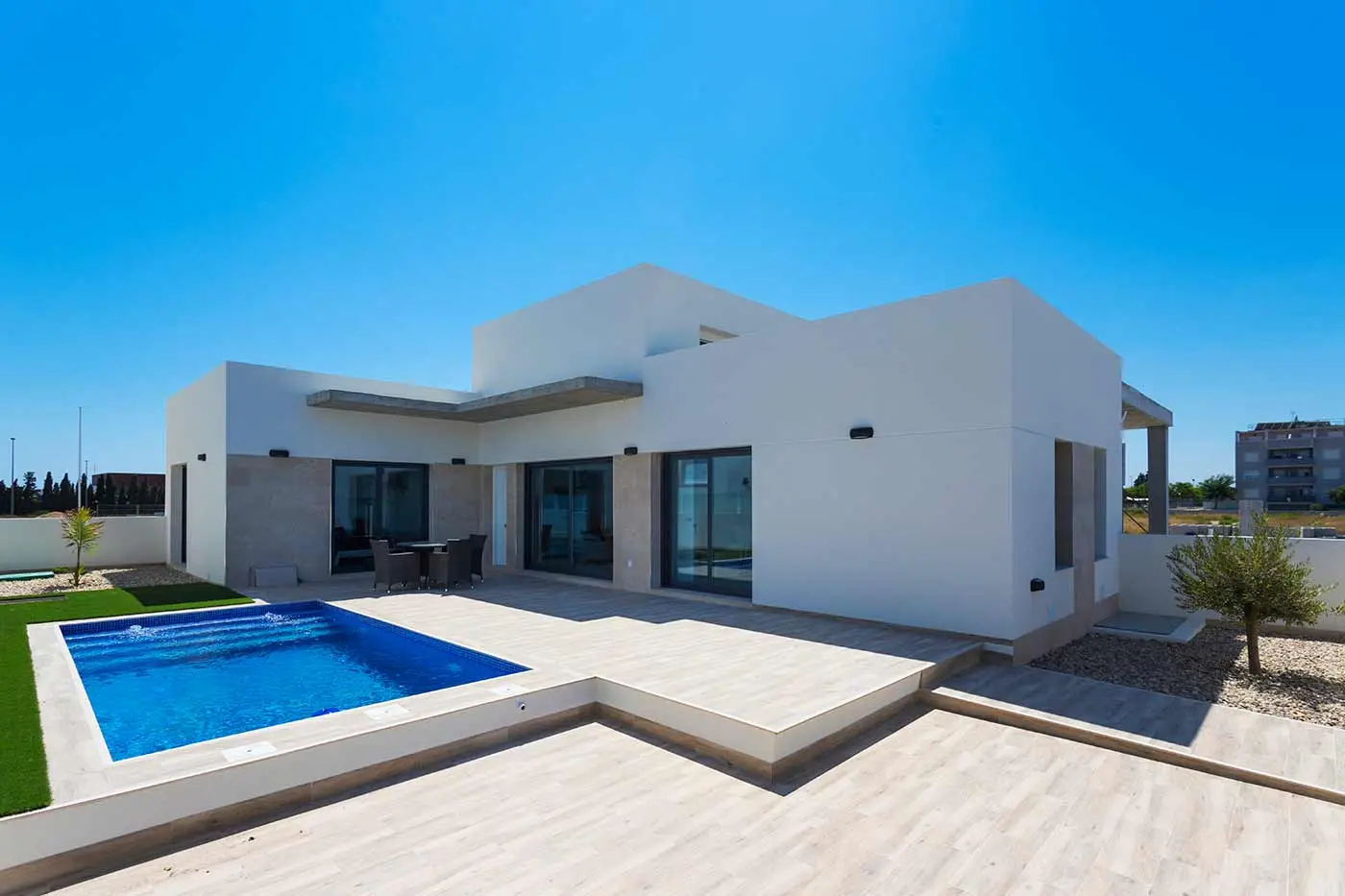
Frequently Asked Questions
Is Daya Nueva a good place to live as an expat?
↓
Daya Nueva suits expats who want a quiet, rural Alicante lifestyle with low costs and a mild climate. The town has an established Northern European community, good road links to Torrevieja and Alicante, and property in the €317k to €400k range. It lacks the amenities of coastal towns, so access to a car is essential for daily life.
What is the cost of living in Daya Nueva?
↓
Day-to-day costs are low by Western European standards. Local market shopping, dining, and utilities are affordable. The main variable for expats is healthcare: those relying on private insurance should budget carefully, as premiums depend on age and cover level. Property costs run between €317k and €400k for current veritySpain-tracked projects.
How is the healthcare in Daya Nueva for foreigners?
↓
Registered residents access the public system through the Guardamar del Segura health zone. Hospital Universitario de Torrevieja handles secondary and emergency care, roughly 25 kilometres away. Many expats hold private insurance alongside public registration for faster specialist access. English-speaking doctors are available at private clinics in Torrevieja and Orihuela Costa.
Are there international schools near Daya Nueva?
↓
Three international schools are within about 30 kilometres, mostly along the Orihuela Costa and Los Montesinos corridor. British curriculum schools following IGCSE and A-Level pathways are the most common option for English-speaking families. State schooling in Daya Nueva itself operates in Valencian and Castilian; most expat families commute to private options.
What is the climate like in Daya Nueva?
↓
Daya Nueva has a semi-arid Mediterranean climate with more than 300 sunny days per year, as recorded across Alicante Province by AEMET. Summers are hot and dry; winters are mild, with daytime temperatures rarely below 10°C. Autumn brings the heaviest rainfall, typically in short, intense bursts. The inland location means slightly warmer summers than coastal towns.
Is there an expat community in Daya Nueva?
↓
Yes. British, Dutch, Belgian, and German residents form the largest groups. Social life is organised partly around associations, golf clubs within 15 minutes drive, and informal networks. Integration into Spanish local life is possible with basic language skills. The ayuntamiento handles empadronamiento, which is the entry point for most public services and healthcare registration.
How far is Daya Nueva from Alicante airport?
↓
Daya Nueva is approximately 45 to 50 kilometres from Alicante-Elche Miguel Hernández Airport by road, a drive of roughly 40 to 45 minutes in normal traffic conditions. The A-7 motorway and the CV-91 provide the main routes. Torrevieja, the closest larger town with most services, is about 20 kilometres to the east.