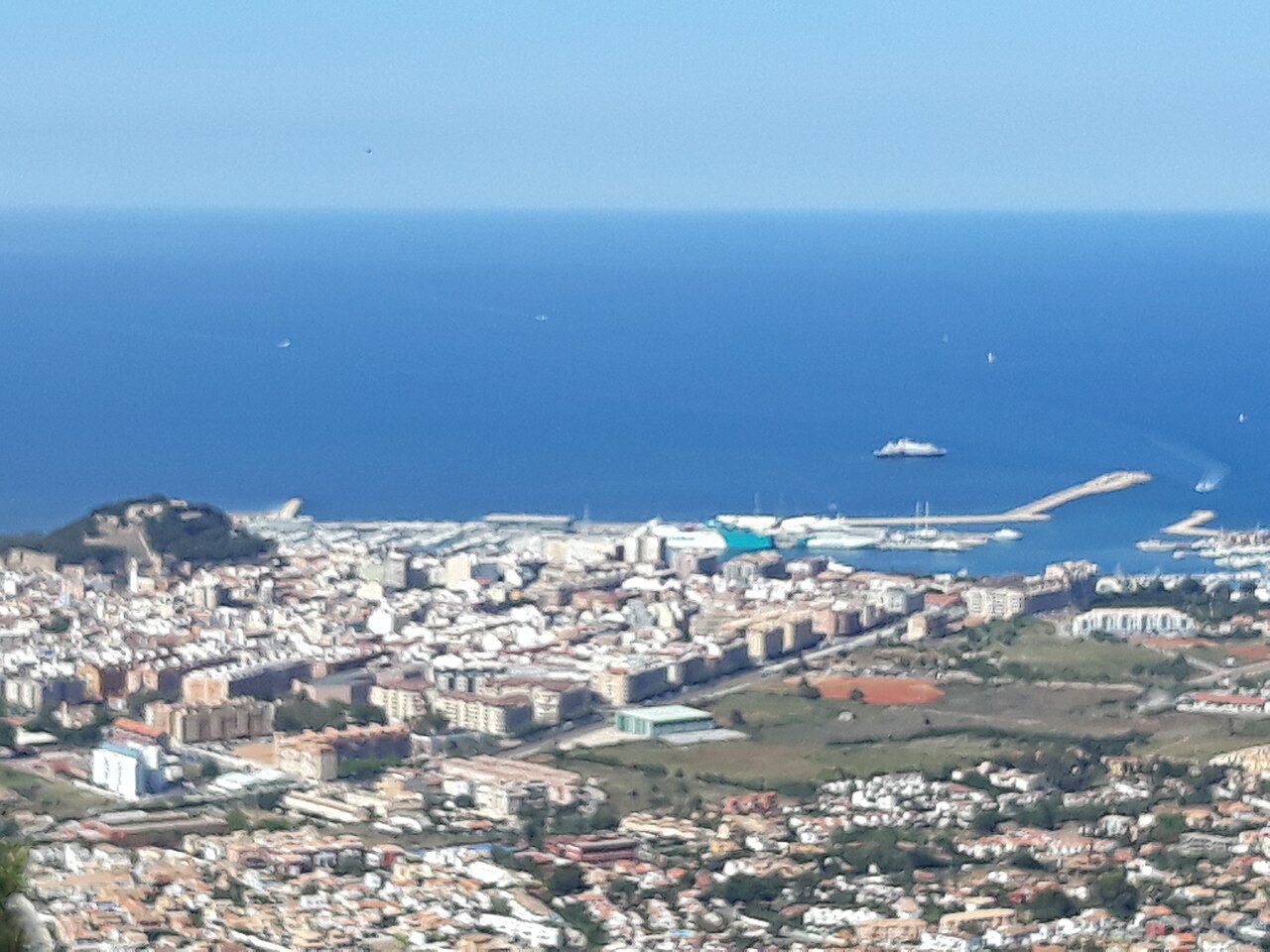
Living in Denia as an expat: climate, healthcare, international schools, cost of living, and property context from €325k to €1.25m.
Living in Denia as an expat means entering one of the Costa Blanca's most settled international communities, where veritySpain has tracked five active projects priced between €325,000 and €1,250,000. The town sits on Alicante province's northern coast, roughly midway between Valencia and Alicante city, which gives residents practical access to two international airports. Daily life here is shaped less by tourist infrastructure than by a year-round population of retirees, remote workers, and long-term residents who have built schools, clinics, and social clubs over decades. veritySpain data places the average project score at 7.5 out of 10 for this municipality, reflecting a market where quality is consistent even if prices vary considerably.
Climate and daily outdoor life
300 days of sunshine per year is the widely cited figure for this stretch of coast, backed by meteorological records from the Agencia Estatal de Meteorología. Summer temperatures average around 30°C on the coast; winters are mild enough that outdoor dining runs through December and January with little interruption. The Montgó Natural Park rises directly behind the town to 753 metres, providing marked hiking trails accessible on foot from residential streets. Sea temperatures reach a comfortable 27°C in August. Short winters matter for running costs as much as lifestyle: heating bills are modest by northern European standards, and most homes rely on air-conditioning units rather than central heating systems.
Cost of living and daily expenditure
Food prices in Denia's Mercat Municipal are comparable to other Spanish coastal towns, with the weekly shop for two typically running materially lower than equivalent baskets in France, Germany or the Netherlands. Spain's IVA on food staples sits at 0% or 4% for basic goods, which keeps supermarket costs low. Restaurants on the side streets away from the port offer three-course lunch menus for around €12-15, a useful indicator of where prices actually sit outside tourist zones. Utility costs, local rates (IBI), and community charges on newer developments add up; buyers should model these before purchase. INE publishes annual household expenditure surveys that give a useful calibration for comparing Spanish costs against home-country benchmarks, though individual circumstances vary widely.
Healthcare and public services
Denia has a public hospital, Hospital de Dénia, which operates as a public-private partnership under Marina Salud and serves the Marina Alta comarca. Residents registered on the padrón municipal can access the Spanish national health system after meeting the relevant residency criteria under current EU or post-Brexit rules for non-EU nationals. Several private clinics and international health insurance providers also operate in the area, and many expats hold private cover to shorten waiting times for specialist referrals. Pharmacies are well distributed across the town centre and residential suburbs. Dental care sits largely outside the public system; private dentists charge rates well below those common in northern Europe.
International schools and family infrastructure
Two established international schools serve the Marina Alta area. The English International College Denia follows a British curriculum and offers IGCSE and A-level pathways. For families seeking a broader international framework, other options exist within commuting distance toward Javea and Moraira. State schools in Spain operate in Spanish and Valencian, which suits families committed to full integration but requires language preparation for children arriving mid-school career. Childcare provision through nurseries (guarderías) follows Spanish state hours, typically 09:00-17:00 with extended options available privately. The town has a functioning sports infrastructure: football clubs, padel courts, and a sailing school attached to the marina are all operational year-round, not seasonal.
Key takeaways
- veritySpain scores five active Denia projects at an average of 7.5/10, with prices from €325,000 to €1,250,000.
- Two international airports within 90 minutes keep Denia connected for frequent travellers and visiting family.
- Hospital de Dénia provides public healthcare; private insurance is common among expats for specialist access.
- International schooling is available locally; state schools teach in Spanish and Valencian for integrated families.
- Year-round mild climate, low food costs, and an established expat network make daily logistics straightforward.
The market in numbers
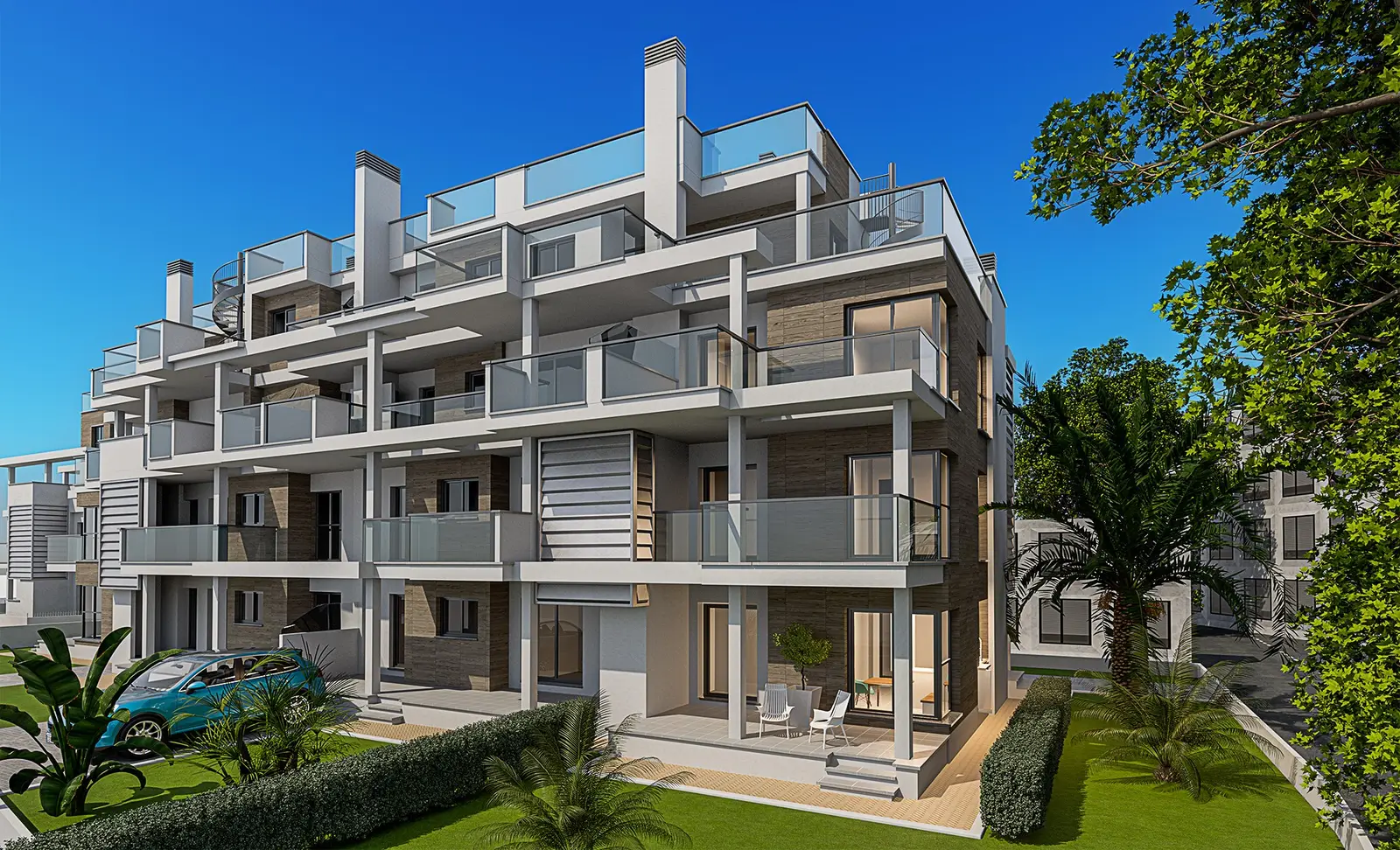
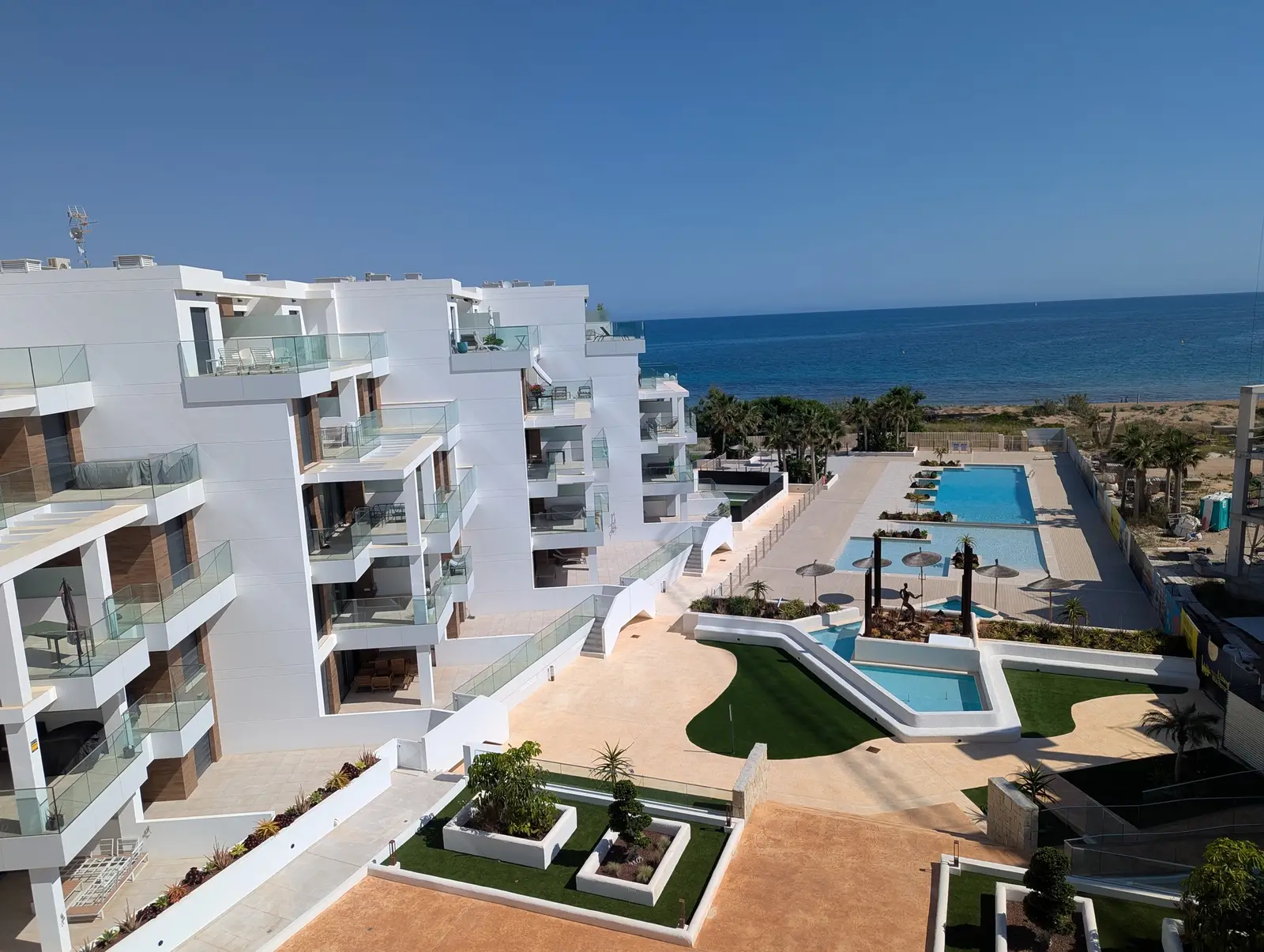
New-build projects in Denia
View all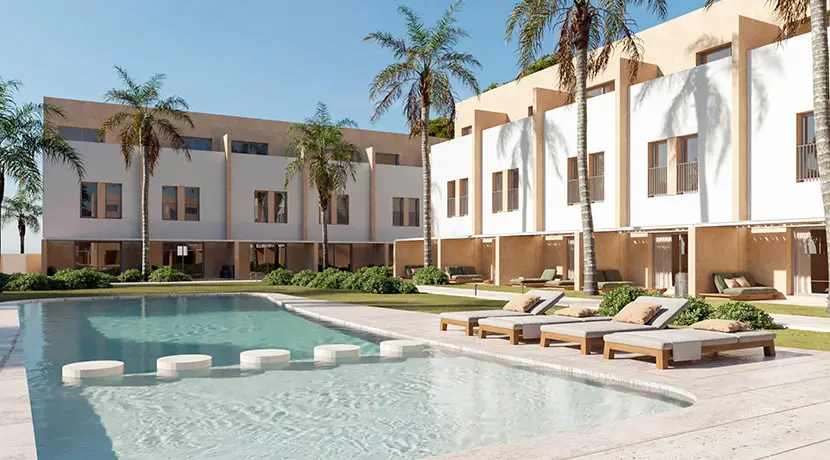
Frequently Asked Questions
Is Denia a good place to live as an expat?
↓
Denia suits expats who want a year-round community rather than a resort. The town has an established international population, a public hospital, international schools, and direct road links to Valencia and Alicante airports. veritySpain rates active projects in the municipality at an average of 7.5 out of 10, which reflects consistent build quality across the market.
What is the cost of living in Denia compared to northern Europe?
↓
Day-to-day costs in Denia, covering food, eating out, and utilities, run meaningfully lower than in Germany, the Netherlands, or the UK. Spain's reduced IVA on basic food items helps keep supermarket bills modest. Fixed costs such as IBI property tax, community fees, and private health insurance should be factored in separately, as these vary by property type and location.
What healthcare is available in Denia for expats?
↓
Hospital de Dénia operates under a public-private partnership model and serves the wider Marina Alta comarca. Residents registered on the padrón who meet residency criteria can access the national health system. Many expats supplement this with private health insurance to reduce waiting times for specialist appointments. Pharmacies are widely available throughout the town.
Are there English-speaking schools in Denia?
↓
Yes. The English International College Denia offers a British curriculum including IGCSE and A-level qualifications. Additional international options exist within commuting distance in nearby Javea and Moraira. State schools teach in Spanish and Valencian, which suits families planning full integration into local life.
What is the climate like in Denia year-round?
↓
The Agencia Estatal de Meteorología records approximately 300 sunny days annually along this stretch of the Costa Blanca. Winters are mild, with outdoor dining common through December and January. Summer temperatures peak around 30°C on the coast. The combination of sea breeze and proximity to Montgó Natural Park moderates heat during the hottest months.
How much do properties cost in Denia?
↓
Active projects tracked by veritySpain in Denia range from €325,000 to €1,250,000. Pricing reflects a wide range of property types and locations across the municipality, from townhouses closer to the centre to larger villas toward the foothills of Montgó. Buyers should budget additional purchase costs including ITP transfer tax and notary fees on top of the headline price.
How do I register as a resident in Denia?
↓
EU citizens register on the padrón municipal at Denia town hall and apply for a TIE residency card. Non-EU nationals, including British citizens post-Brexit, need to apply for a visa or residency permit before relocating. Registration on the padrón is required to access public health services and local subsidies, and should be completed promptly after arrival.