
Living dolores expat guide: climate, cost of living, healthcare, schools and community. veritySpain covers 8 projects averaging 7.2/10 from €269k.
Living in Dolores as an expat means choosing a market where veritySpain scores projects an average of 7.2/10 and property prices run from €269,000 to €460,000, a range that tracks the Costa Blanca interior rather than the coastal premium. Dolores sits in the Vega Baja del Segura comarca of Alicante province, roughly 25 kilometres from the coast and under 40 kilometres from Alicante airport. The town holds around 8,000 residents. A significant share are non-Spanish EU nationals, which shapes the daily infrastructure. Healthcare, shopping, and administrative services reflect that demographic mix. Property here is not aspirational marketing; it is agricultural-belt suburbia with reasonable access to urban services. That is the honest starting point for any buyer weighing up daily life.
Climate and daily environment
Dolores records roughly 300 sunny days per year, consistent with the Alicante province average documented by AEMET, Spain's state meteorological agency. Summers are dry and hot, with July and August regularly exceeding 35 degrees Celsius in the inland valleys. Winters are mild: January lows rarely fall below four degrees. It rains infrequently, mostly in autumn. The absence of coastal humidity is noticeable compared with towns like Torrevieja or Santa Pola. Dust and agricultural smells from the surrounding citrus and market-garden lands are part of the environment. Some residents welcome the quiet. Roads flood occasionally when the rambla network is overwhelmed after heavy autumn rain. That is not exceptional for the Vega Baja. Factor it into ground-floor property decisions.
Cost of living and services
Supermarket prices in Dolores align with the Spanish average tracked by INE (Instituto Nacional de Estadística), with Mercadona serving as the main weekly shop for most residents. A full basket runs materially cheaper than northern European equivalents. Eating out at a local restaurant costs between €12 and €20 per person for a menu del dia. International restaurants serving northern European tastes are concentrated in Guardamar del Segura and Torrevieja, roughly 20 minutes by car. Utility bills reflect the national tariff structure; electricity costs have been volatile across Europe, and Spain is no different. Most properties in this price band include air conditioning and solar pre-wiring. Local taxes, the IBI, are set by the municipality and are modest relative to comparable coastal towns. No precise municipal tax figure should be assumed without checking the current padron and catastral value.
Healthcare and education
Spain's national health system, the SNS, covers residents registered on the padron. The nearest full hospital is the Hospital Vega Baja in Orihuela, approximately 15 kilometres away. Dolores has a local health centre (centro de salud) for primary care. Private health insurance is widely used by expats; monthly premiums for a healthy adult typically fall between €60 and €120 depending on the insurer and level of cover, a range consistent with market surveys published by Sanitas and ASISA, two major Spanish private health insurers. English-language GP services are available at several private clinics in the Orihuela Costa corridor. For schooling, state provision covers Spanish-curriculum education; the nearest international schools following British or other northern European curricula are in Torrevieja and Alicante city. Families with school-age children should map the commute before committing.
Expat communities and social life
British, Dutch, Belgian, and German residents form visible communities in the Vega Baja. Dolores has several bars and cafes that serve as informal meeting points. Local clubs covering golf, cycling, padel, and walking groups operate across the comarca. The nearest golf courses are at La Finca and Vistabella, both within 30 kilometres. Padel has grown quickly across Spain and courts are available locally. The weekly market in Dolores and the larger market in Orihuela provide a social anchor as much as a commercial one. Town festivals, particularly around September, bring the community together. Integration into Spanish-speaking local life is possible but requires effort. Most everyday transactions can be conducted in English in expat-heavy areas, which is a practical reality rather than a recommendation.
Key takeaways
- veritySpain scores Dolores projects an average of 7.2/10 across 8 analysed developments.
- Property prices run from €269,000 to €460,000, below coastal benchmarks in the same province.
- AEMET data confirms approximately 300 sunny days annually; inland heat in summer is significant.
- Hospital Vega Baja in Orihuela covers secondary care; a local centro de salud handles primary needs.
- Expat communities from northern Europe are well established, with active social and sports infrastructure nearby.
The market in numbers
New-build projects in Dolores
View all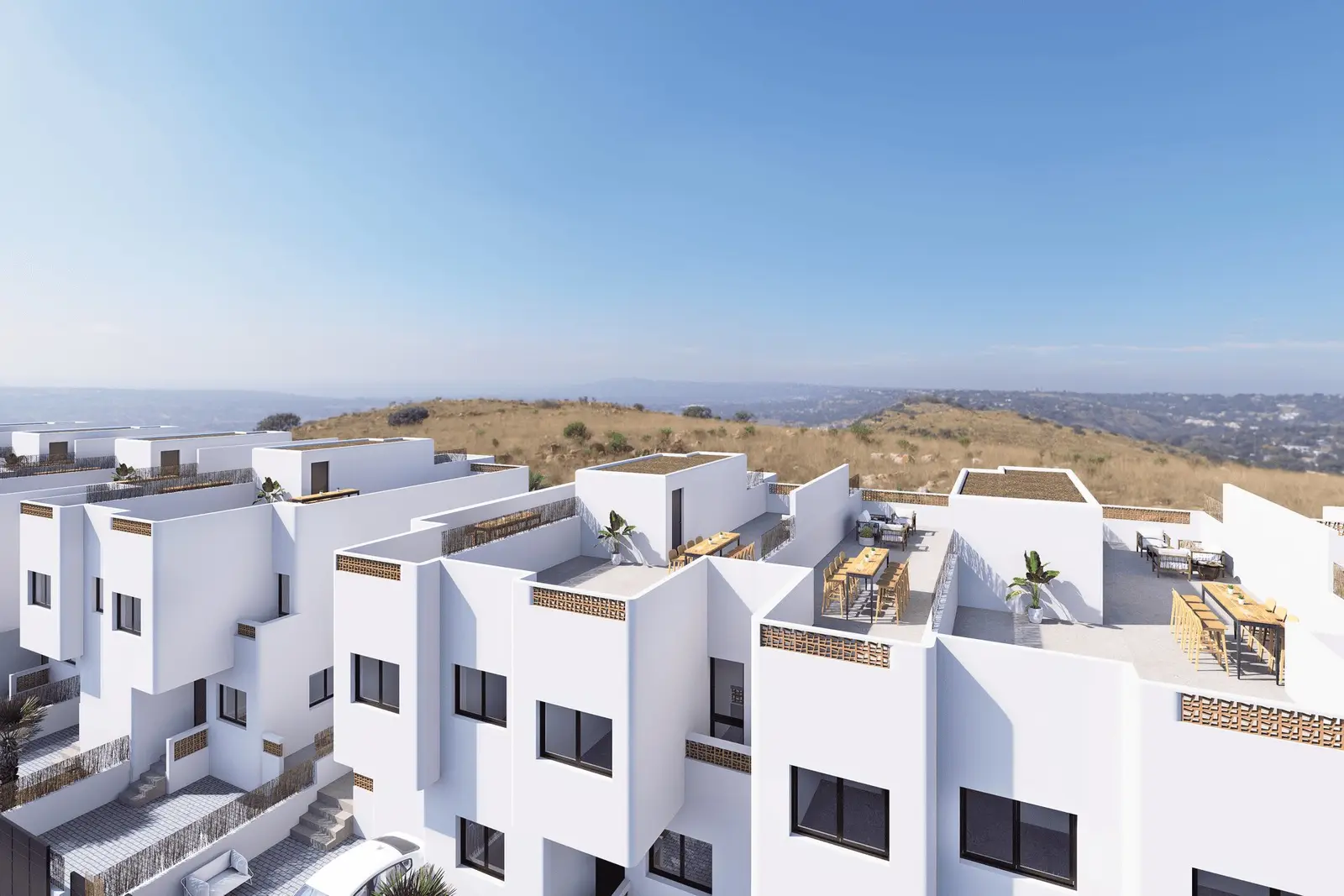
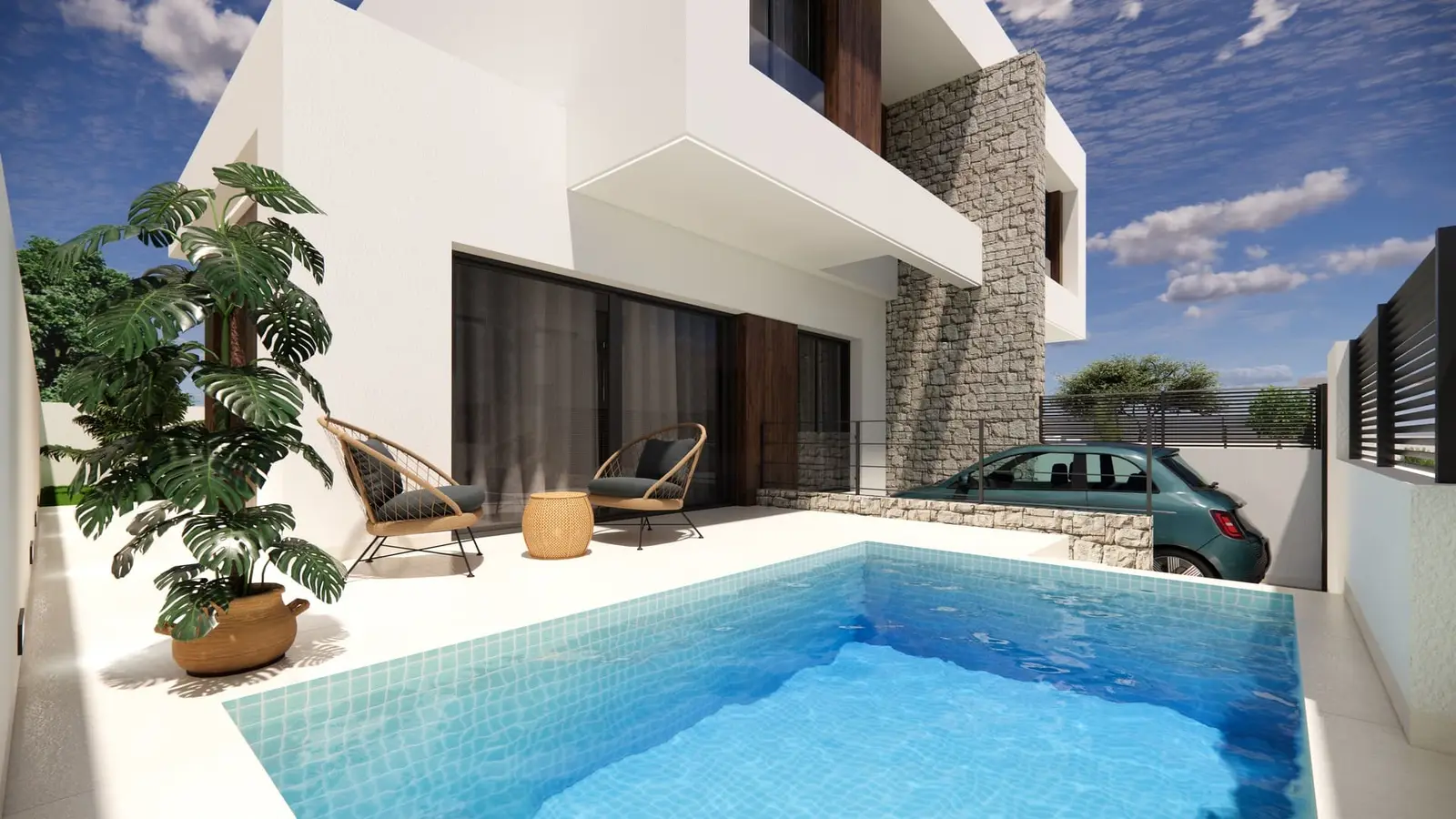
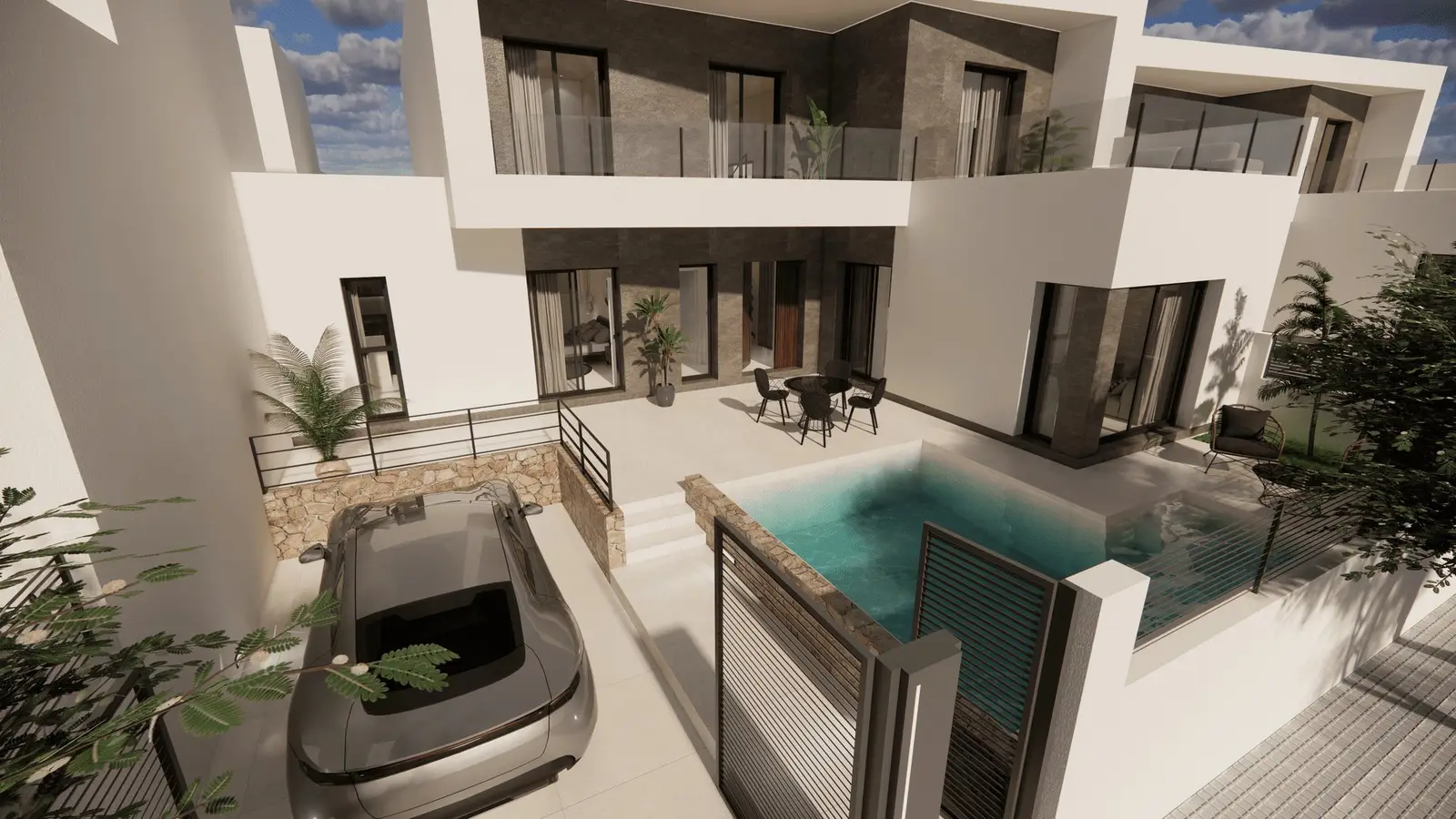
Frequently Asked Questions
Is Dolores a good place to live as an expat?
↓
Dolores suits expats who want affordable inland living with reasonable coast access. veritySpain scores local projects 7.2/10 on average. Services are adequate, an established northern-European expat community exists, and property prices from €269,000 to €460,000 sit below coastal equivalents. The trade-off is distance from the beach and reliance on a car for most errands.
What is the cost of living in Dolores, Spain?
↓
Day-to-day costs in Dolores are below the western European average. Supermarket prices follow the Spanish national index. A menu del dia lunch costs €12 to €20. Utility bills track national Spanish tariffs. Local property taxes (IBI) are modest. Private health insurance adds €60 to €120 per month for a healthy adult, based on Sanitas and ASISA market rates.
What healthcare is available in Dolores for expats?
↓
Registered residents access Spain's national health system (SNS) via the local centro de salud. Hospital Vega Baja in Orihuela, about 15 kilometres away, covers secondary and emergency care. Many expats supplement with private insurance for faster access and English-language consultations. Private clinics with English-speaking GPs operate along the Orihuela Costa corridor, under 30 minutes by car.
Are there international schools near Dolores?
↓
Dolores itself does not have an international school. British-curriculum and other international schools are located in Torrevieja and Alicante city, both roughly 30 to 40 minutes by car. State schools in Dolores follow the Spanish national curriculum. Families with school-age children should verify the commute and available places before purchasing property in the area.
What is the climate like in Dolores, Alicante?
↓
Dolores has a semi-arid Mediterranean climate with around 300 sunny days per year, consistent with AEMET data for Alicante province. Summers are hot and dry, often above 35 degrees Celsius in July and August. Winters are mild, with January lows rarely below four degrees. Autumn brings occasional heavy rain that can cause localised flooding in the low-lying rambla network.
What property prices should I expect in Dolores?
↓
veritySpain's analysis of 8 projects in Dolores shows a price range of €269,000 to €460,000. This sits below comparable new-build pricing in coastal towns such as Torrevieja or Guardamar del Segura. Standard transaction costs apply under Spanish law, including ITP (resale) or IVA plus AJD (new build), which buyers must budget for in addition to the purchase price.
Is there an expat community in Dolores, Spain?
↓
Yes. British, Dutch, Belgian, and German residents form a visible and active community in the Vega Baja comarca that includes Dolores. Local bars, walking groups, padel clubs, and cycling groups provide social infrastructure. The weekly market and town festivals offer additional community anchors. Most everyday services can be accessed in English, though learning Spanish improves integration and long-term quality of life.