Living in Formentera del Segura as an expat: climate, cost of living, healthcare, schools, and community life in this Alicante Vega Baja town.
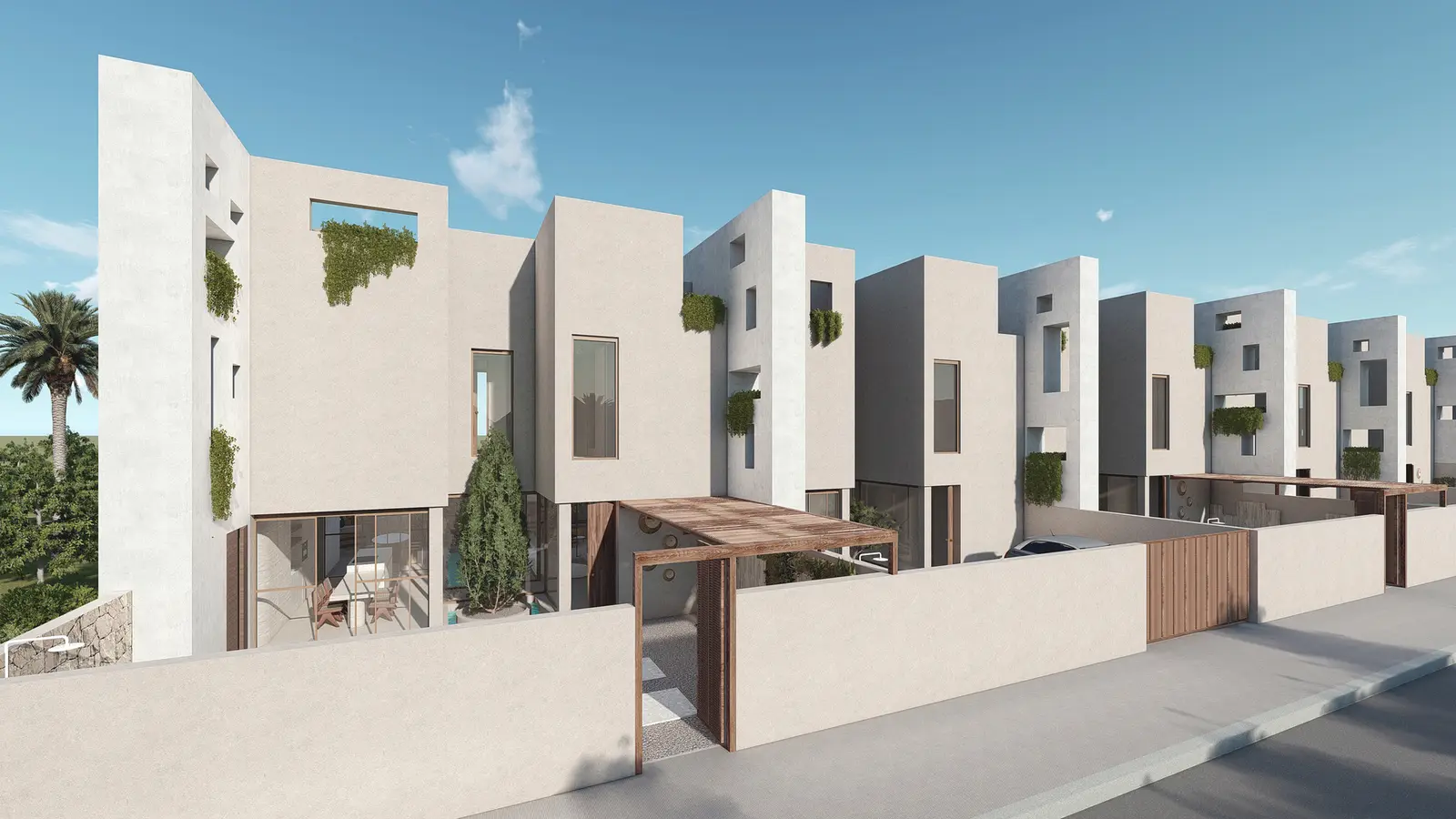
Living in Formentera del Segura as an expat brings you into a small Vega Baja municipality where veritySpain has assessed one residential project, scoring it 7.4/10, with asking prices at €399,000. The town sits in the Orihuela comarca of southern Alicante province, inland from the Costa Blanca coast. It is compact, quiet, and predominantly Spanish in character. The surrounding landscape is flat agricultural land fed by the Segura river, with the Sierra Escalona rising to the south. Expats who settle here typically seek lower population density than the coastal strip and a more embedded local life than the resorts of Torrevieja or Guardamar del Segura can offer. It is worth stating clearly: data on property transactions and rental yields in this municipality is limited, and this piece will not substitute invented figures for honest qualitative assessment.
Climate and daily environment
The Vega Baja records over 300 days of sun per year, making it one of the sunniest sub-regions of mainland Spain. Summers are hot and dry, with July and August routinely exceeding 35°C in inland areas. Winters are mild. January temperatures rarely fall below 8°C overnight, and frost is uncommon. The Segura river valley creates slightly higher humidity than the coastal dunes, which some residents find more comfortable. Rain is scarce and concentrated in autumn. For expats accustomed to northern European winters, the climate is a significant quality-of-life factor. The town is walkable at its core but, like most Vega Baja municipalities, a car is essential for practical daily life. Roads connect quickly to the CV-95 and N-332 corridors.
Cost of living and healthcare
Vega Baja towns sit below the Spanish national average cost of living, with grocery prices, restaurant bills, and service trades all meaningfully cheaper than the coastal strip or the Madrid and Barcelona urban centres. INE municipal consumption data consistently places inland Alicante municipalities among lower-cost areas in Spain. Healthcare access is through the Spanish public system (SNS): the nearest full-service public hospital is the Hospital Vega Baja in Orihuela, roughly 5 km away. EU citizens exercising treaty rights and registered workers access the SNS directly. Non-EU expats on non-lucrative or digital nomad visas are required to hold private health insurance as a condition of their initial permit. Several private insurers including Sanitas and Adeslas operate networks covering the Orihuela comarca at competitive monthly premiums relative to northern European equivalents.
Schools and family life
The municipality has a local state primary school. Secondary education is provided in Orihuela and surrounding towns within a short drive. For expats with children, the nearest internationally oriented options are in Torrevieja and the wider Costa Blanca coastal belt, where British-curriculum and bilingual Spanish-English schools are available. Ministerio de Educación y Formación Profesional enrolment records show sustained demand for bilingual state schooling in the Alicante coastal provinces, reflecting years of expat settlement across the region. Families who prioritise Spanish-medium education will find Formentera del Segura well served by the local network. The town has a municipal sports facility, a library, and the typical civic infrastructure of a working Spanish community of this size.
Expat community and integration
Formentera del Segura is not an expat-majority town. Northern European residents exist here, but they are a minority within a settled Spanish population. This matters for expectations. The town's weekly market, local bars, and civic festivals operate on Spanish terms and in Spanish or Valencian. Integration requires at least functional Spanish. The broader Vega Baja comarca has one of the largest per-capita expat populations in mainland Spain, documented across many years of municipal registration data. Neighbouring Rojales, Ciudad Quesada, and Guardamar del Segura carry large British and northern European communities with English-language service infrastructure. Formentera del Segura sits between these enclaves and the quieter rural interior, offering proximity to expat-oriented services without being surrounded by them. For some buyers this is precisely the balance they are seeking.
Key takeaways
- veritySpain rates the one assessed project here at 7.4/10, with pricing at €399,000.
- Inland Vega Baja offers a lower cost of living than the Costa Blanca coastal strip.
- Public healthcare is accessible via Hospital Vega Baja in Orihuela, around 5 km away.
- Non-EU visa applicants must hold private health insurance as a permit condition.
- The town is Spanish in character; proximity to larger expat communities requires a short drive.
The market in numbers
New-build projects in Formentera del Segura
View allFrequently Asked Questions
Is Formentera del Segura a good place for expats to live?
↓
Formentera del Segura suits expats seeking a quiet, Spanish-character town in the Vega Baja comarca. It has lower costs than coastal resorts and is close to Orihuela's services. It is not an expat-majority area, so functional Spanish is needed for daily life. Nearby towns like Rojales offer more English-language infrastructure if that is a priority.
What is the climate like in Formentera del Segura?
↓
Formentera del Segura has a semi-arid Mediterranean climate with over 300 sunny days per year. Summers are hot, regularly above 35°C inland in July and August. Winters are mild, with January overnight lows rarely below 8°C. Rain is scarce and concentrated in autumn. Frost is uncommon, making it attractive for northern Europeans.
How is healthcare access in Formentera del Segura?
↓
Healthcare is provided through the Spanish public system. The nearest full-service hospital is Hospital Vega Baja in Orihuela, approximately 5 km away. EU citizens and registered workers access the SNS directly. Non-EU expats on non-lucrative or digital nomad visas must hold private health insurance. Insurers like Sanitas and Adeslas cover the Orihuela comarca.
What schools are available near Formentera del Segura?
↓
Formentera del Segura has a local state primary school. Secondary education is in Orihuela and nearby towns. International and British-curriculum schools are available on the wider Costa Blanca coast, particularly around Torrevieja. Bilingual Spanish-English state schools in the region are in demand among expat families, according to Ministerio de Educación enrolment data.
How much does it cost to live in Formentera del Segura?
↓
The cost of living in Vega Baja municipalities is below the Spanish national average. Groceries, restaurants, and local services are cheaper than on the coastal strip or in major cities. INE data places inland Alicante consistently among lower-cost areas. Precise personal budgets depend on lifestyle and housing choices, but the region is generally regarded as affordable by Spanish standards.
What are property prices like in Formentera del Segura?
↓
veritySpain has assessed one residential project in Formentera del Segura, with asking prices at €399,000 and an editorial score of 7.4/10. The market is small with limited transaction data available. Buyers should treat published price information as a reference point and verify current conditions with a qualified local conveyancer or independent surveyor.
Do I need a car to live in Formentera del Segura?
↓
A car is essential for practical daily life in Formentera del Segura. The town centre is walkable for local errands, but supermarkets, hospitals, secondary schools, and the broader service network require driving. Road connections to the CV-95 and N-332 corridors give access to Orihuela, Torrevieja, and Alicante city within reasonable drive times.