Living in Gran Alacant as an expat: climate, costs, healthcare, schools and community life on the Costa Blanca south corridor explained.
Living in Gran Alacant as an expat starts with a specific market reality: veritySpain has assessed one active development project in this municipality, carrying an average editorial score of 7.3 out of 10, with pricing anchored at €350,000. That figure positions Gran Alacant firmly in the mid-to-upper segment of the Costa Blanca south corridor, a stretch of coast between Alicante city and the Orihuela Costa that has attracted northern European residents for decades. The town sits roughly 10 kilometres south of Alicante airport, a proximity that matters for expats who travel frequently. Santa Pola, the nearest commercial port town, is within five minutes by car. This is not a resort in the conventional sense. It is a settled residential community with its own infrastructure, schools, and daily routines.
Climate and daily outdoor life
Gran Alacant averages around 320 days of sunshine per year, a figure consistent with the broader Alicante province climate data published by the Spanish meteorological agency AEMET. Summer temperatures regularly reach 32–35°C, while January averages sit around 12–14°C. That mild winter is a central draw for northern European retirees and remote workers alike. The coastline here is not continuous sand. Carabassi beach, a protected natural park stretching several kilometres, offers dunes and pine scrubland rather than the built-up promenades of Torrevieja or Benidorm. Wind off the Mediterranean is a daily feature. Many residents cycle or walk the coastal paths in autumn and spring when temperatures are moderate.
Cost of living and everyday logistics
Grocery prices in Spain track close to EU averages for most staples, though local markets in Santa Pola typically undercut supermarket chains. INE (Instituto Nacional de Estadística) publishes annual household expenditure surveys that confirm Spanish household costs remain below the western European median, though the gap has narrowed since 2022. A regular restaurant meal in Gran Alacant or Santa Pola runs between €10 and €18 per person at local establishments. Utilities, particularly electricity, have risen across Spain following European energy market adjustments, so budgeting for air conditioning costs in July and August is essential. Petrol stations on the N-332 corridor are competitive in price. The town has a Mercadona and several smaller local shops; a full weekly shop requires no travel to Alicante city.
Healthcare, schools, and community services
Public healthcare in Spain operates through the Sistema Nacional de Salud, and registered residents in Gran Alacant are assigned to the Santa Pola health centre, which covers general practice and specialist referrals. Ministerio de Sanidad data confirm that Alicante province has invested in primary care infrastructure throughout the past decade. Private health insurance, widely used by expats who want faster access to English-speaking consultants, typically costs €60–€120 per month for an adult depending on age and coverage level. For families, the nearest international schools offering British or bilingual curricula are in Alicante city, approximately 20 minutes north by car. Spanish state schools in the municipality are an option for children integrating into local life, with language support available.
Expat communities and social integration
Gran Alacant has one of the highest concentrations of northern European residents on the Costa Blanca south, with significant British, Dutch, and Scandinavian communities. This density has practical effects: English is spoken at most estate agencies, several bars and restaurants operate on northern European hours, and community groups organise regular activities. It also means Spanish language acquisition can stall. Expats who want genuine integration tend to join local sports clubs or volunteer through the Santa Pola municipality's civil programmes. The town hall holds regular padron registration sessions in multiple languages. Social life for retirees tends to cluster around golf courses further inland and the beach clubs closer to the coast.
Key takeaways
- veritySpain rates Gran Alacant's only assessed project at 7.3 out of 10, with pricing at €350,000.
- AEMET data confirm approximately 320 sunshine days annually, making winter living genuinely mild.
- Daily costs for food and dining are below western European averages, per INE household expenditure surveys.
- Public healthcare is accessible via the Santa Pola health centre; private insurance gives faster English-language access.
- A large established northern European community offers practical support but can slow Spanish language integration.
The market in numbers
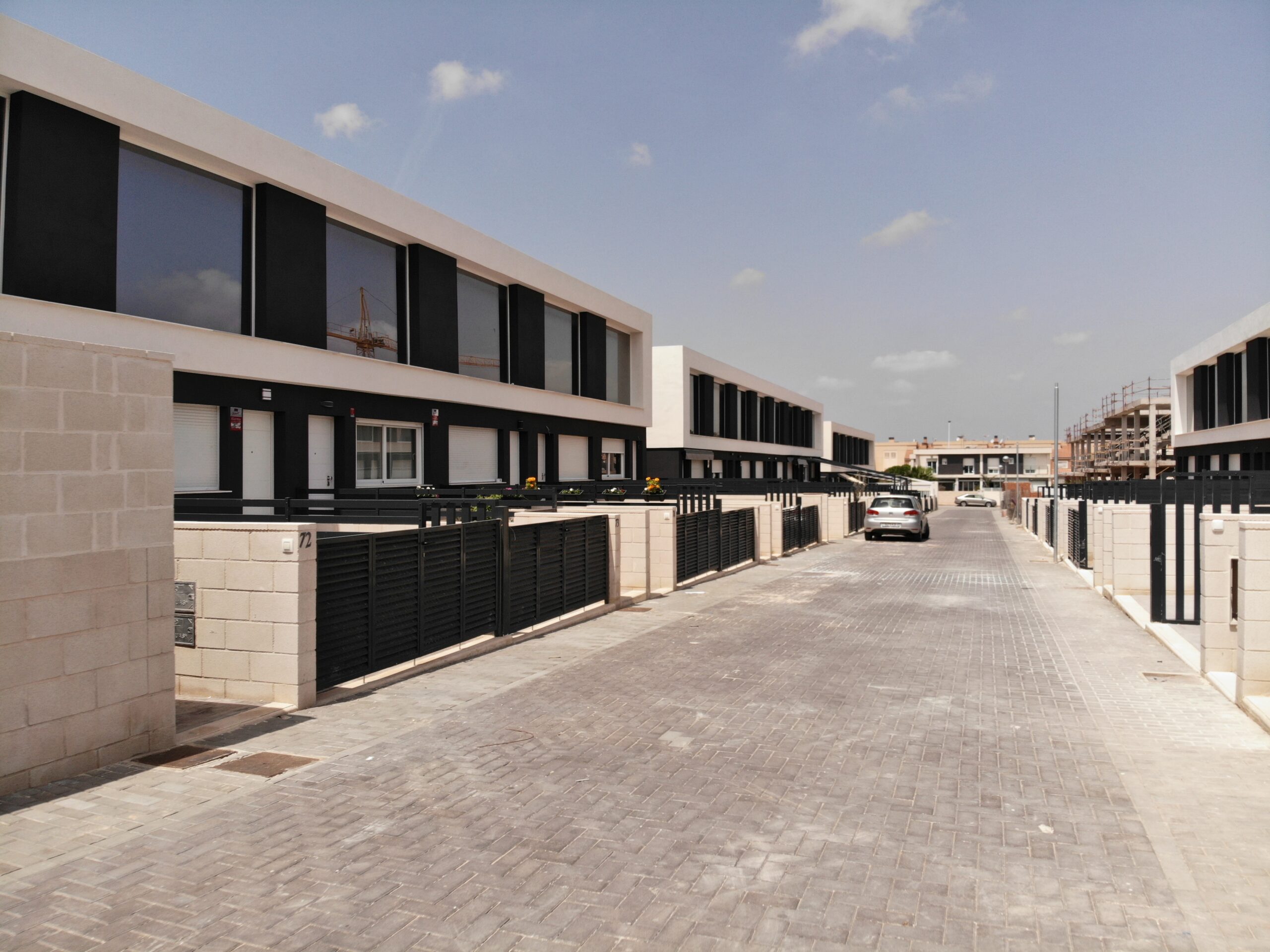
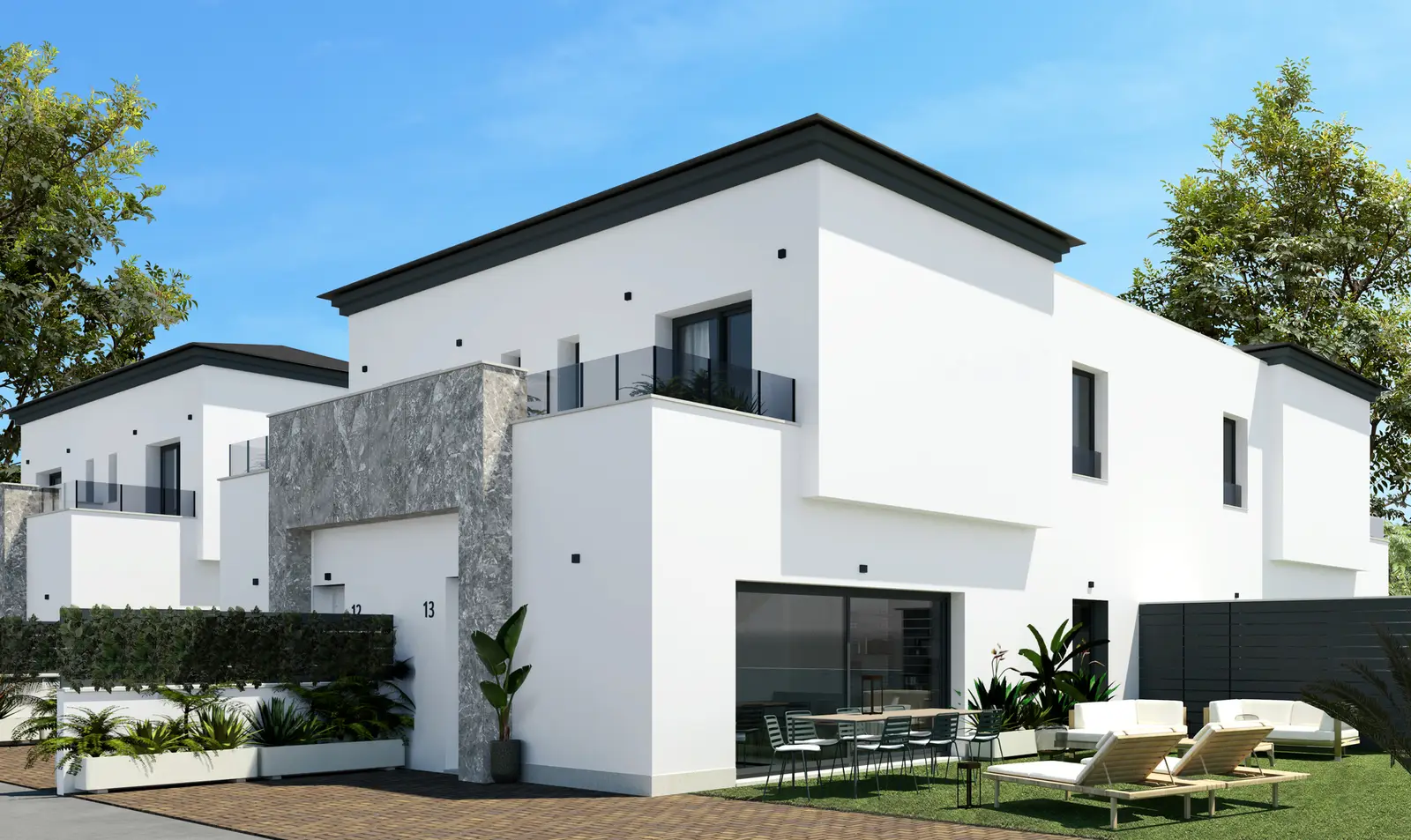
New-build projects in Gran Alacant
View all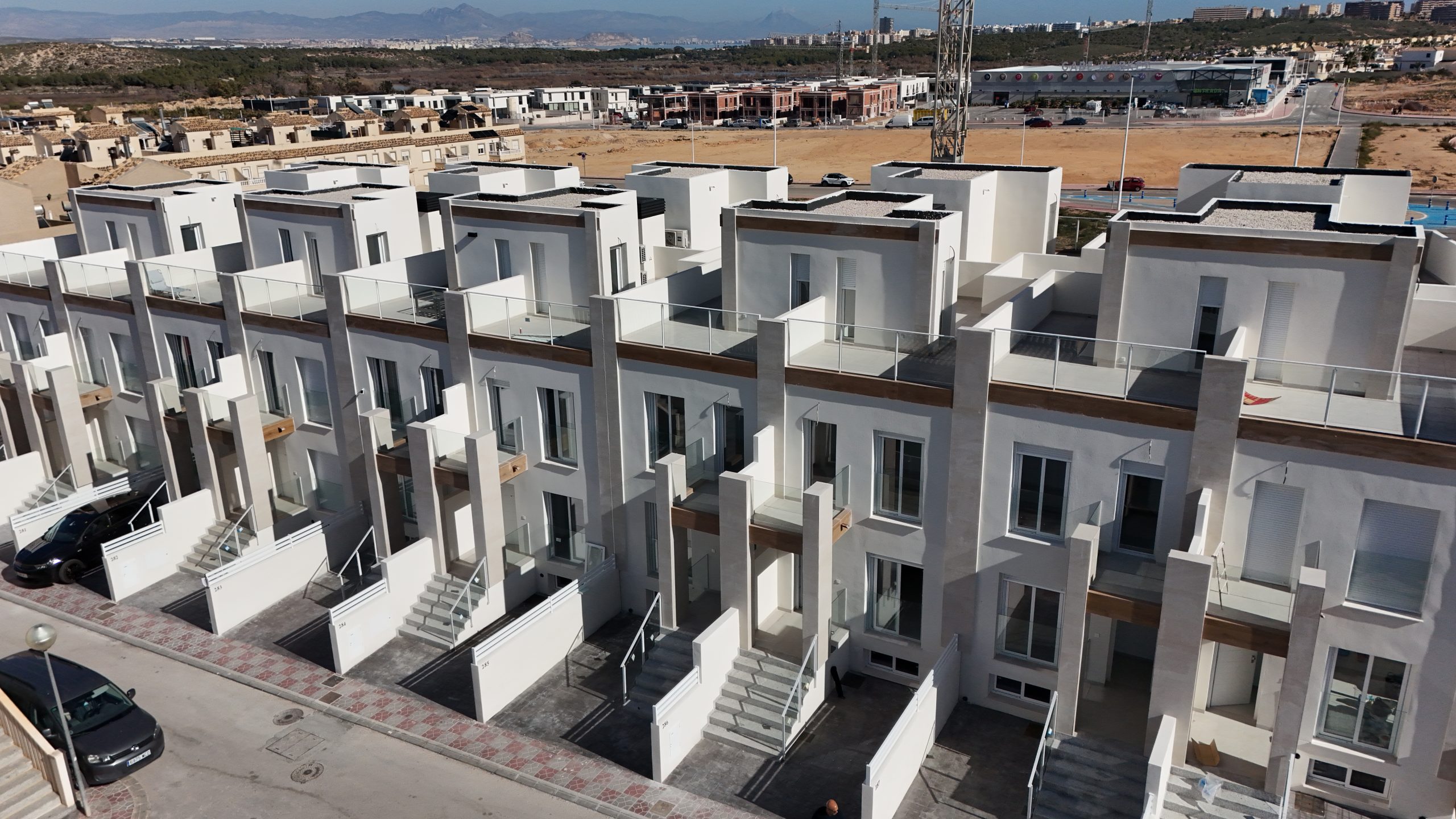
Frequently Asked Questions
Is Gran Alacant a good place to live as an expat?
↓
Gran Alacant suits expats who want a settled residential community rather than a resort town. The climate is mild year-round, English is widely spoken, and essential services including healthcare and supermarkets are within the municipality or nearby Santa Pola. veritySpain's one assessed project scores 7.3 out of 10, suggesting solid fundamentals for those considering a move.
What is the cost of living in Gran Alacant?
↓
Daily living costs in Gran Alacant are broadly in line with Spanish averages, which INE data confirm sit below the western European median. Restaurant meals at local establishments typically run €10–€18 per person. Grocery shopping is covered by a Mercadona in the town. The largest variable budget item for most expats is air conditioning during summer months.
How is the healthcare in Gran Alacant for foreigners?
↓
Registered residents access public healthcare through the Santa Pola health centre, which covers general practice and specialist referrals within the Sistema Nacional de Salud. Many expats supplement this with private health insurance for faster access to English-speaking consultants, typically costing €60–€120 per month for an adult depending on age and the level of cover selected.
What is the weather like in Gran Alacant?
↓
Gran Alacant sits within the Alicante province climate zone, which AEMET data show averages around 320 sunshine days annually. Summers are hot, with temperatures regularly reaching 32–35°C. Winters are mild, with January averages around 12–14°C. Sea breezes moderate coastal temperatures. The mild winter is the primary climate draw for northern European retirees and remote workers.
Are there good schools in Gran Alacant for expat children?
↓
Spanish state schools in Gran Alacant offer language support for non-native speakers, making local integration possible for younger children. Families seeking British or bilingual curricula typically drive 20 minutes north to Alicante city, where several international schools operate. The choice between local and international schooling often depends on how long families plan to remain in Spain.
Is Gran Alacant popular with British expats?
↓
Gran Alacant has a well-established northern European expat population that includes a significant British contingent alongside Dutch and Scandinavian residents. This density means English is spoken at most local services. Community groups, social clubs, and events cater to this demographic throughout the year. Some expats find this community supportive; others note it can limit immersion in Spanish daily life.
How far is Gran Alacant from Alicante airport?
↓
Gran Alacant lies approximately 10 kilometres south of Alicante-Elche Miguel Hernández Airport, one of Spain's busiest regional airports with frequent direct routes to northern Europe and the UK. The journey by car or taxi takes around 10–15 minutes depending on traffic. This proximity is a practical advantage for expats who travel regularly for work or family visits.