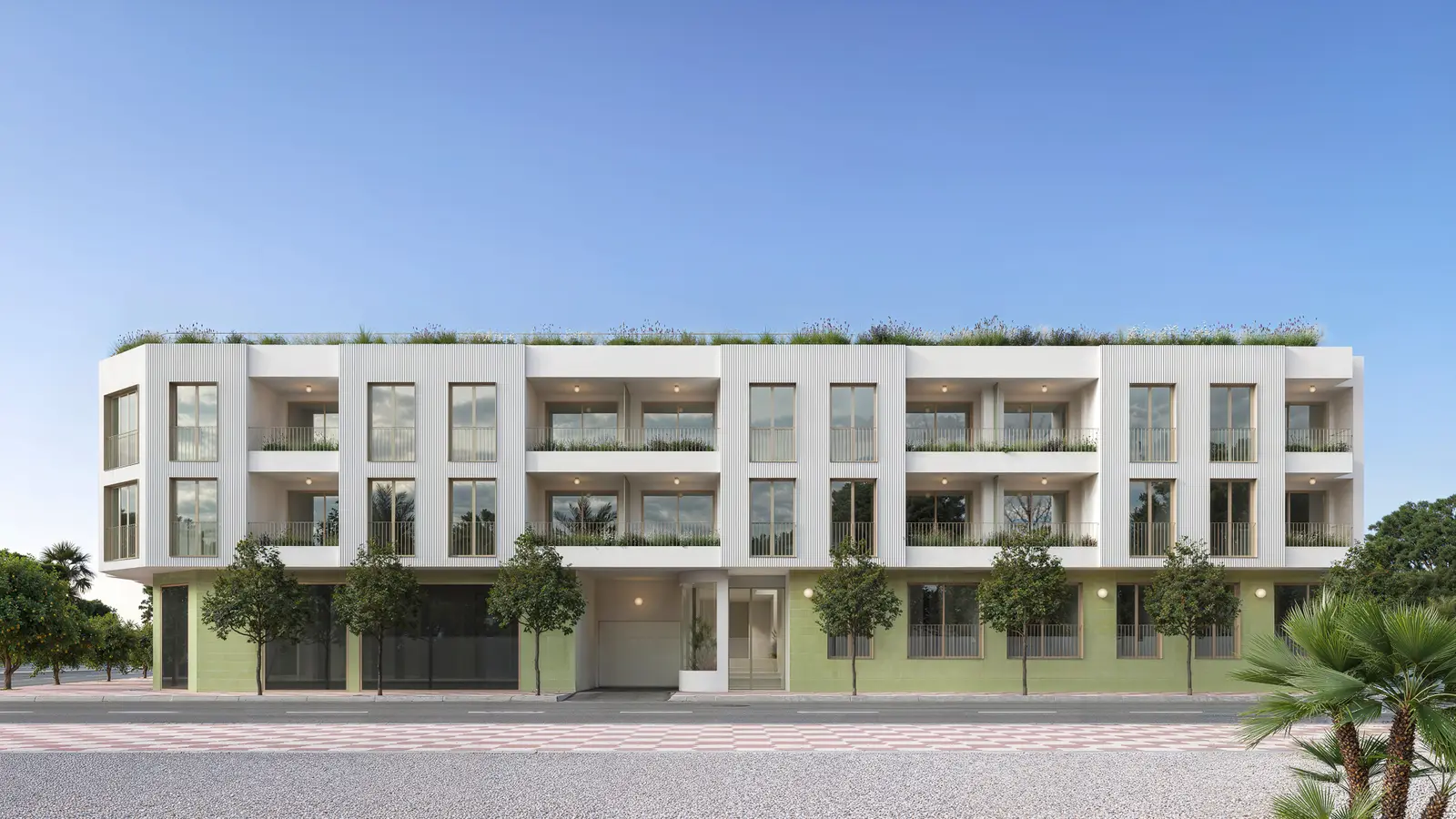
Living in Jacarilla as an expat means affordable homes from €159k, 300+ sunny days, and a genuinely Spanish village pace. What daily life actually looks like.
Living in Jacarilla as an expat begins, for most arrivals, with one hard number: residential properties in this small Alicante municipality are currently listed from €159,000, a price point that veritySpain scores at 8.1 out of 10 for overall residential quality. Jacarilla sits in the Vega Baja del Segura comarca, roughly 25 kilometres inland from Torrevieja and the Mediterranean coast. The town is compact. Fewer than 2,000 people live here permanently, which shapes everything about daily life: the pace, the social fabric, and the practical realities an expat should weigh before committing.
Climate and outdoor life
Summers in Jacarilla run hot and dry, with July and August temperatures regularly exceeding 35°C inland. Winters are mild by northern European standards; frost is rare and daytime highs through December and January commonly reach 15°C. Rainfall is low, concentrated in autumn. That climate suits outdoor routines: cycling on the quiet roads through lemon and citrus groves, walking the riverbanks of the Segura, and using terraces for most of the year. The heat in high summer does demand adjustment. Many long-term expat residents structure their day around a genuine mid-afternoon break rather than fighting the afternoon sun. Spain's national meteorological agency AEMET records this region among the sunniest in mainland Spain, averaging more than 300 clear days annually.
Cost of living and everyday practicalities
Jacarilla's small size means the immediate village has limited commercial infrastructure. A weekly market covers basics. Larger supermarkets, medical centres, and most services require a short drive to Almoradí (roughly 5 kilometres) or to Orihuela (around 15 kilometres). Petrol prices, grocery costs, and restaurant bills across the Vega Baja comarca sit below the Spanish national average and well below northern European equivalents, a pattern consistent with figures published by INE (Instituto Nacional de Estadística) on regional household expenditure. Utilities bills can spike in summer due to air-conditioning demand; that cost is worth budgeting explicitly. Broadband coverage in the municipality has improved substantially in recent years through fibre rollout across rural Alicante.
Healthcare and schools
Public healthcare in Spain operates through the national Sistema Nacional de Salud, with Jacarilla residents assigned to a centro de salud in Almoradí for primary care and referrals to the Hospital Vega Baja in Orihuela for secondary services. Registering on the padrón municipal (the local census) is the essential first step to accessing public health services as a resident. Private health insurance is widely used by expats as a supplement; premiums for adults in good health are considerably lower than equivalent cover in northern Europe. International and bilingual schools are not located in Jacarilla itself; the closest options are in Torrevieja and Orihuela Costa, requiring a car commute. State schools in the area teach in Spanish, with Valencian as a co-official language of the region.
Expat community and social life
Jacarilla has a smaller and more integrated expat community than coastal towns such as Torrevieja or Ciudad Quesada. British, German, and Dutch residents are present but not dominant; the social environment is closer to a Spanish village with some international residents than to the coastal expat enclaves. That distinction matters for integration: Spanish is essential here, and basic conversational ability accelerates daily life considerably. The local fiesta calendar is active, anchored by the Semana de la Huerta and the fiestas patronales in August. Nearby Orihuela offers cultural programming, a historic centre, and a wider restaurant scene. Residents with cars access both the coast and Alicante city (about 50 kilometres) in under an hour.
Key takeaways
- Entry-level residential prices from €159,000, scored 8.1/10 by veritySpain's independent analysis.
- Climate averages more than 300 sunny days per year; summer heat above 35°C requires lifestyle adjustment.
- Everyday shopping and medical services require a short drive to Almoradí or Orihuela.
- Public healthcare is accessible after padrón registration; international schools are a commute away.
- Community is smaller and more Spanish-integrated than coastal expat hubs; conversational Spanish is necessary.
The market in numbers
New-build projects in Jacarilla
View allFrequently Asked Questions
Is Jacarilla a good place to live for expats?
↓
Jacarilla suits expats who prefer a quieter, more Spanish-integrated lifestyle over coastal expat enclaves. The cost of living is low, the climate is sunny, and residential quality is rated 8.1 out of 10 by veritySpain. The trade-off is limited local services and a requirement for conversational Spanish to navigate daily life comfortably.
What is the cost of living in Jacarilla?
↓
Grocery, dining, and utility costs in the Vega Baja comarca run below the Spanish national average and well below northern European levels. Entry-level homes are listed from €159,000. Utility bills rise in summer due to air-conditioning. A car is necessary for regular shopping, which adds running costs to the overall household budget.
How is healthcare in Jacarilla for expats?
↓
Public primary care is provided through a centro de salud in nearby Almoradí, with secondary services at Hospital Vega Baja in Orihuela. Registering on the padrón municipal is the required first step for accessing public health. Many expat residents also take out private health insurance, which is significantly cheaper in Spain than in northern Europe.
Are there international schools near Jacarilla?
↓
International and bilingual schools are not in Jacarilla itself. The closest options are in Torrevieja and Orihuela Costa, both accessible by car. State schools in the municipality teach in Spanish with Valencian as a co-official language. Families planning to stay long-term typically factor school commuting into their decision before relocating.
What is the climate like in Jacarilla, Spain?
↓
Jacarilla has a semi-arid Mediterranean climate with more than 300 clear days per year according to AEMET data. Summers are hot, with July and August temperatures frequently above 35°C. Winters are mild, with frost rare and December highs around 15°C. Low rainfall is concentrated in autumn, and the dry summers suit outdoor living despite the heat.
How far is Jacarilla from the coast?
↓
Jacarilla is approximately 25 kilometres inland from Torrevieja and the Mediterranean coast. The drive takes around 20 to 25 minutes by car. Alicante-Elche airport is roughly 50 kilometres away. The inland location means lower property prices and a quieter environment compared to coastal towns, while beach access remains practical.
Do I need to speak Spanish to live in Jacarilla?
↓
Spanish is effectively required for daily life in Jacarilla. Unlike larger coastal expat towns, English is not widely spoken in local shops, health centres, or municipal services. Basic conversational Spanish makes routine tasks significantly easier. Most long-term expat residents either arrived with some Spanish or invested in language learning during their first year.