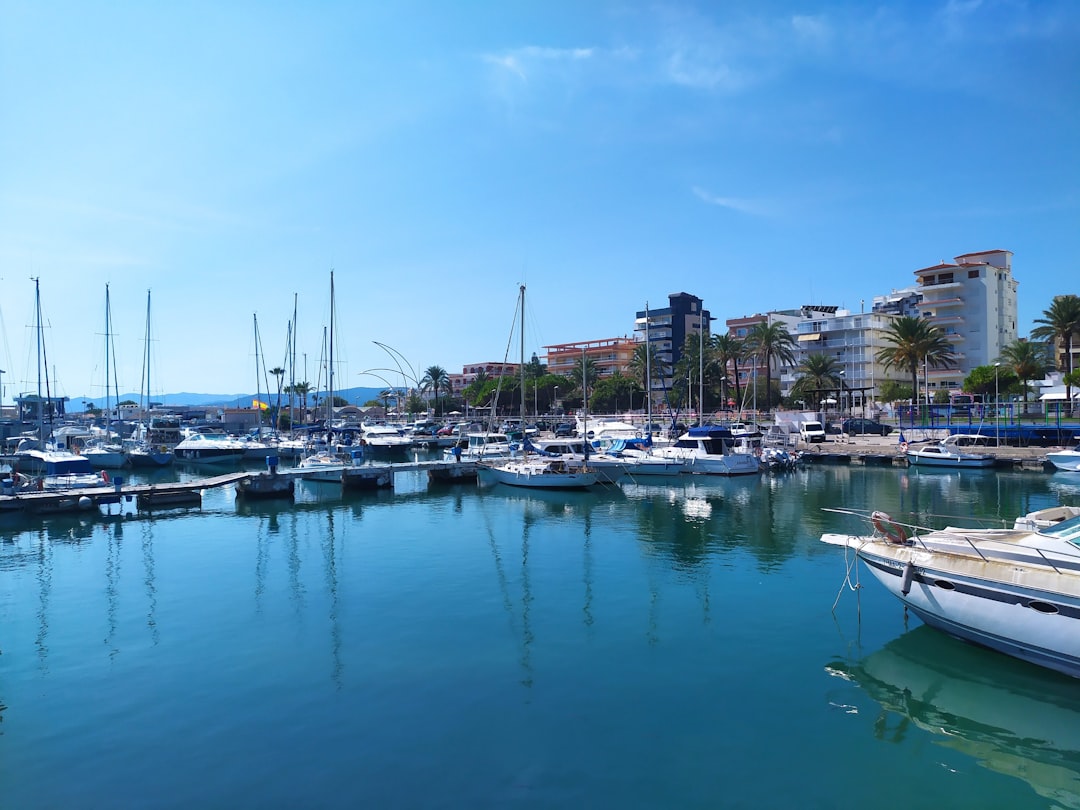
Property investment in La Marina del Pinet analysed by veritySpain. One scored project at €248,000, environmental supply constraints, and Alicante province demand context.
Property investment in La Marina del Pinet enters the conversation from a narrow base: veritySpain has analysed one project in this Alicante municipality, scoring it 8.0 out of 10, with asking prices at €248,000. That single data point reflects a micro-market rather than a deep trading pool. The municipality sits in the south of the Costa Blanca, behind the protected dunes and lagoon of El Fondó de Crevillent, a Ramsar-designated wetland that shapes planning constraints for the foreseeable future. Understanding that geography is the first step toward reading investment risk here. Few comparable coastal villages combine environmental restrictions of this kind with road access to both Alicante and Murcia airports within forty-five minutes.
Market size and transaction context
One project is not a market. That candour matters, because investment analysis built on thin data can mislead as badly as fabricated numbers. INE (Instituto Nacional de Estadística) publishes municipal-level housing transaction statistics, but for small coastal localities like La Marina del Pinet, annual volumes are modest and year-on-year swings can be large without signalling a trend. What the INE data does confirm at provincial level is that Alicante province has consistently recorded some of the highest non-resident buyer shares in Spain. That macro context matters: the demand base for this coastline reaches beyond Spain's domestic market. Properties here appeal to buyers from northern Europe seeking a second home within a short flight of multiple hub airports. Small supply. Sustained external demand. The equation is straightforward, even if precise yield data is unavailable.
Planning constraints and supply dynamics
The Ramsar designation around El Fondó de Crevillent places hard limits on new construction near the lagoon perimeter. This is not a bureaucratic technicality. It is a structural cap on supply. Any project that has already cleared the planning approval process therefore occupies a relatively scarce position in the local land register. Registradores de España records show that costal Valencian land parcels adjacent to protected zones have faced sustained planning scrutiny under the Valencia Land Law and its periodic revisions. Buyers should commission a nota simple from the Property Registry to confirm each plot's classification before proceeding. Assuming planning freedom exists because a project is already marketed is a common error. The one veritySpain-scored project in this municipality holds an 8.0 rating, suggesting it has passed that compliance review to a high standard.
Rental market and holding costs
No verified yield data for La Marina del Pinet sits in veritySpain's dataset. Honest reporting requires saying that plainly. The broader Costa Blanca south zone, which includes Guardamar del Segura and Torrevieja as the nearest comparable markets, does generate a summer rental season running roughly from late June through to early September. Demand concentrates heavily in that window. Outside it, occupancy rates in this part of the coast drop sharply. Investors relying on rental income to service acquisition costs should model conservative out-of-season occupancy. Spanish tourist-rental licensing (the VUT certificate, administered through the Comunitat Valenciana) is required before any property can be legally let. Bureaucratic lead times for that licence vary. Factor three to six months into any pre-opening business plan.
Purchase costs and tax structure
Acquisition costs in Spain are predictable and legally fixed. Resale properties are subject to Impuesto de Transmisiones Patrimoniales, the transfer tax; in Valencia this currently stands at 10 percent of the declared value. New builds attract IVA at 10 percent plus stamp duty. On top of these, notary fees, land registry fees, and legal representation typically add 1 to 2 percent of the purchase price. At the €248,000 price point present in veritySpain's data, a buyer should budget approximately €27,000 to €30,000 above the headline price to cover all acquisition costs. Annual holding costs include the Impuesto sobre Bienes Inmuebles (IBI), the Spanish municipal property tax, calculated on the cadastral value of the asset. These are well below equivalent taxes in northern European markets. The cost structure, taken as a whole, is transparent. No hidden surprises.
Key takeaways
- veritySpain scores the sole analysed project in La Marina del Pinet at 8.0/10, with asking prices at €248,000.
- Environmental protection of El Fondó de Crevillent limits new supply near the lagoon, a structural factor for long-term owners.
- Alicante province consistently attracts high non-resident buyer demand, providing a broad international market for resales.
- Rental income relies on a concentrated summer season; off-peak occupancy is low and should be stress-tested in any investment model.
- Total acquisition costs in Valencia typically run 12 to 14 percent above the headline price, including transfer tax, notary, and legal fees.
The market in numbers
New-build projects in La Marina del Pinet
View all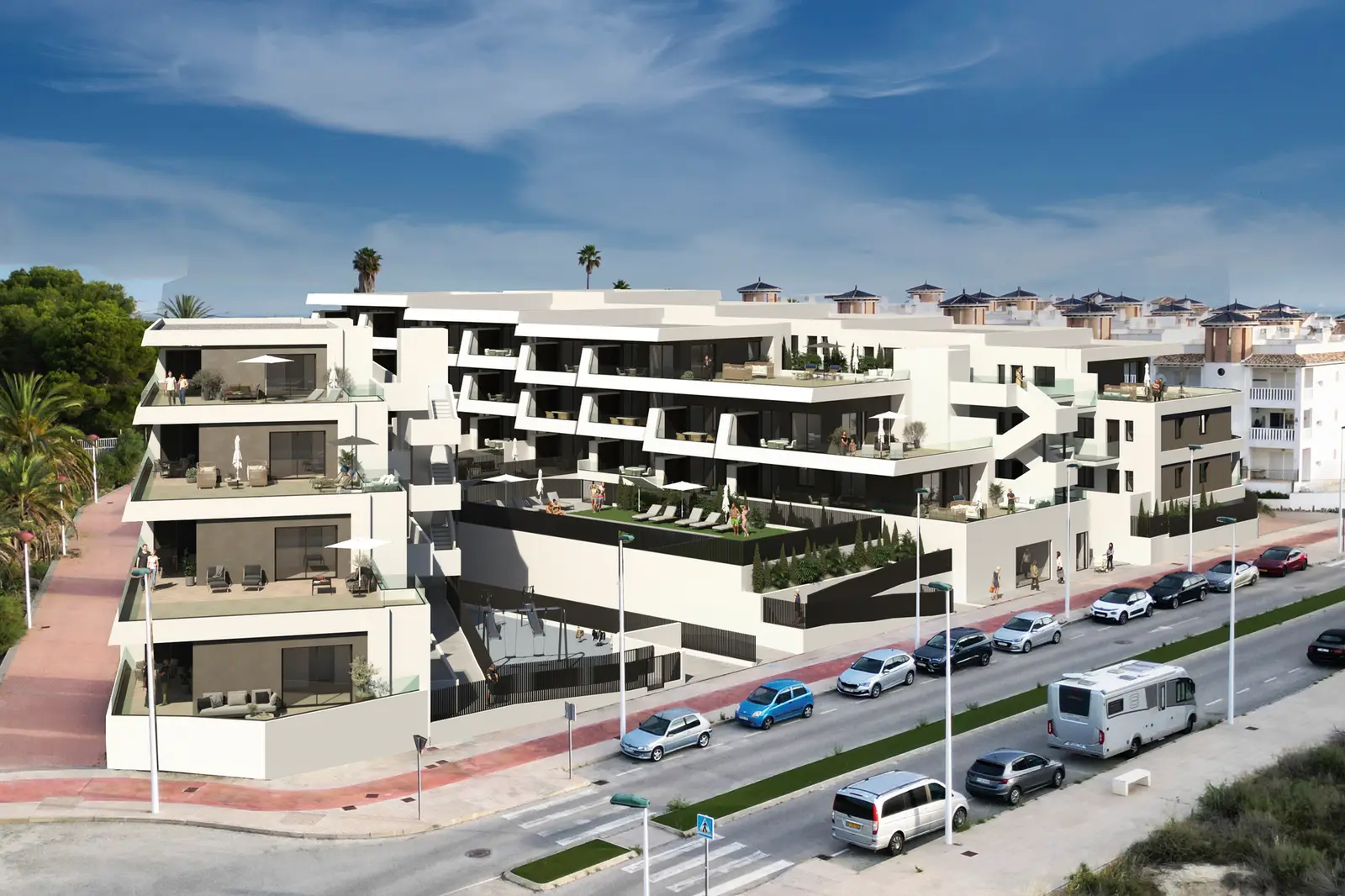
Frequently Asked Questions
Is La Marina del Pinet a good place to invest in property?
↓
veritySpain rates the analysed project in La Marina del Pinet at 8.0 out of 10. The municipality has limited supply due to environmental protections around the El Fondó de Crevillent lagoon. Whether it suits your investment depends on your rental income expectations, holding period, and appetite for a small, illiquid micro-market.
What are property prices in La Marina del Pinet?
↓
Based on the one project currently tracked by veritySpain, asking prices sit at €248,000. This is a single data point in a small market, so the figure should be treated as indicative rather than a broad market average.
What are the buying costs for property in Spain?
↓
For resale property in Valencia, transfer tax (ITP) is 10 percent of the declared value. New builds attract IVA at 10 percent plus stamp duty. Notary, registry, and legal fees add roughly 1 to 2 percent. Total acquisition costs typically run 12 to 14 percent above the headline purchase price.
Can I rent out my property in La Marina del Pinet?
↓
Yes, but you need a tourist rental licence (VUT certificate) from the Comunitat Valenciana before legally letting. Processing times vary; allow three to six months before the property can operate legally. The rental season on this stretch of the Costa Blanca concentrates heavily in summer, with lower occupancy outside that window.
How does the El Fondó de Crevillent wetland affect property investment?
↓
El Fondó de Crevillent is a Ramsar-designated wetland with strict planning protections. Development near the lagoon perimeter is heavily restricted, which structurally limits new supply. For existing property owners, that constraint supports long-term scarcity value, though it also means fewer comparable sales to price against.
What are property transaction taxes in Valencia compared to other Spanish regions?
↓
Valencia's ITP rate of 10 percent sits in line with the national average for resale transactions. Some regions, including Madrid, set their ITP lower through autonomous-community discounts. Buyers comparing Spanish regional markets should confirm the applicable rate directly with a Spanish tax adviser or notary before proceeding.
How liquid is the La Marina del Pinet property market?
↓
Transaction volumes in small Costa Blanca municipalities are modest by comparison with larger towns such as Torrevieja or Guardamar del Segura. A limited number of comparable sales means that pricing a resale accurately is harder, and achieving a quick sale may require competitive pricing. Investors should plan for a medium-to-long holding period.