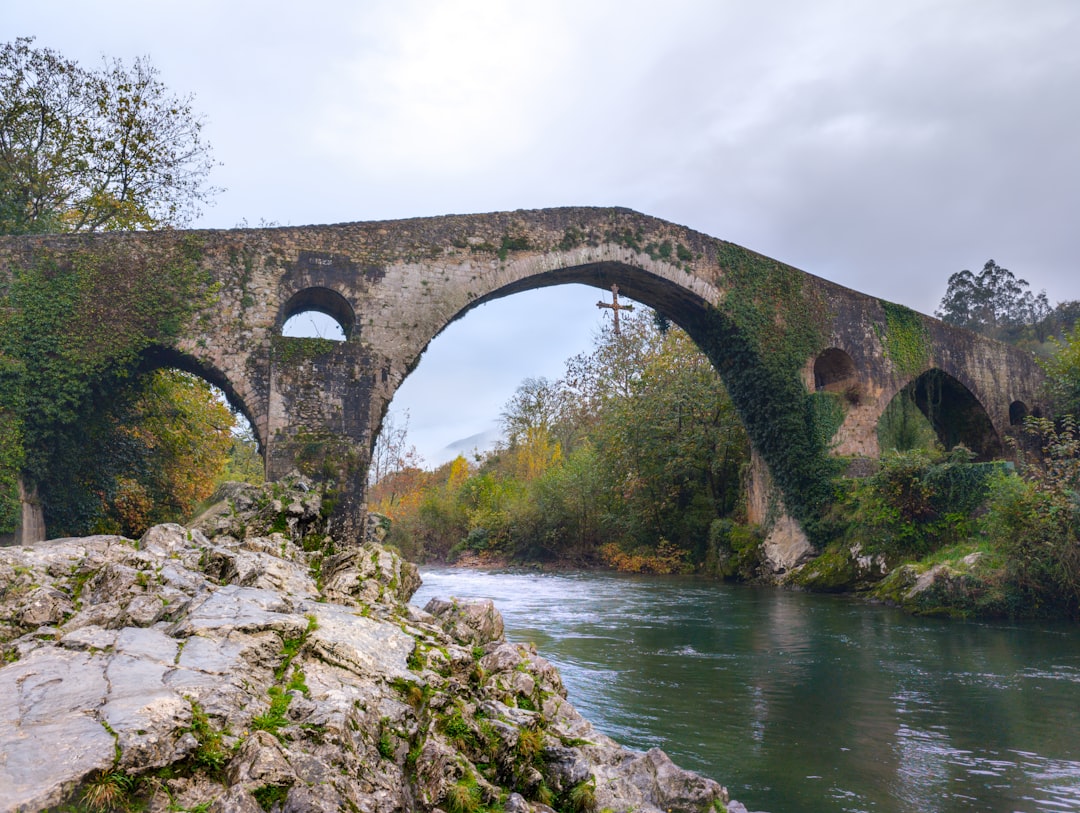
Property investment in La Sella starts from €495,000. veritySpain analyses the La Sella market: buyer profile, rental yield context, and transaction costs.
Property investment in La Sella starts from €495,000 per unit, according to veritySpain's current feed data, which covers one analysed project scoring 7.4 out of 10. That score places the scheme above the publication's 6.0 publication threshold by a meaningful margin. La Sella sits in the Jalón Valley, inland from the Costa Blanca coast in the province of Alicante, a corridor that has drawn consistent foreign-buyer interest over the past two decades. The municipality is small and its listed supply is limited, which cuts both ways: buyers face little direct competition for units but analysts cannot derive the broad transactional dataset that underpins a conventional market report. What the available data does confirm is entry pricing in the €495k bracket and editorial quality above the sector median.
Market context and buyer profile
Alicante province registered among the highest volumes of foreign residential purchases in Spain over recent years, a pattern documented in transaction data published by Registradores de España. La Sella captures a narrow slice of that demand, targeting buyers who want the established infrastructure of the Costa Blanca without the density of Jávea or Denia. Price points at €495,000 put the entry ticket firmly in the upper mid-market bracket. Buyers at this level are typically cash-heavy Northern European households seeking a second residence with potential for short-term rental income during the shoulder seasons. The profile differs from the volume-driven coastal apartment market, where turnover is faster and entry costs lower. Understanding that distinction matters before drawing conclusions about liquidity.
Rental yield potential and vacancy
No verified rental yield figure exists for La Sella in veritySpain's current dataset. Inventing one would distort the analysis. Instead, the framework from Banco de España quarterly housing reports is instructive: gross rental yields in inland Alicante communities tend to compress compared with coastal strips because annual occupancy rates are lower, short-stay demand is seasonal rather than year-round, and management costs per booking are higher relative to nightly rates. Villas at the €495k entry level can command strong nightly rates in summer. Occupancy outside June to September is the variable that determines whether gross yield translates into a net figure worth discussing. Any investment case that relies on rental income must stress-test that occupancy assumption carefully.
Comparable towns and competitive positioning
Benissa, Jalón, and Orba share geographic and demographic characteristics with La Sella and offer a rough comparator set. All three sit inland from the Alicante coast, draw similar Northern European second-home buyers, and carry asking prices that have broadly tracked Costa Blanca coastal values with a discount that fluctuates with broader sentiment. La Sella's single analysed project limits the statistical comparison. What stands out from veritySpain's 7.4 score is that the rated development met editorial standards for build quality, data transparency, and site specification that many comparable inland projects do not. That quality signal matters in a thin market, where buyer perception of project credibility has an outsized effect on resale values.
Regulatory and transaction cost framework
Spain applies IVA at 10% on new-build residential purchases, with additional stamp duty (AJD) typically ranging from 0.5% to 1.5% depending on the Comunitat Valenciana rate in force at the time of purchase. Resales attract ITP, the property transfer tax, at rates set regionally. Notary fees, Land Registry inscription, and legal representation add further costs that buyers should budget at approximately 10% to 13% of the purchase price in total acquisition costs, a well-documented range. Foreign buyers must obtain a NIE number before completing any Spanish property transaction. These are fixed structural costs, not variable estimates, and they apply uniformly across La Sella and the wider Alicante market. Short-term letting requires a tourist licence from the Generalitat Valenciana. Licences in the Comunitat Valenciana have become harder to obtain in densely impacted coastal zones. Inland areas like La Sella face lower saturation but regulations still require compliance from day one.
Key takeaways
- veritySpain rates La Sella's single analysed project at 7.4/10, above the 6.0 publication threshold.
- Entry pricing begins at €495,000, placing the scheme in the upper mid-market for inland Alicante.
- No verified rental yield data exists; income assumptions should be stress-tested against seasonal occupancy.
- Foreign buyer transaction volumes in Alicante province remain among the highest in Spain, per Registradores de España.
- Total acquisition costs typically reach 10 to 13% of the purchase price; a tourist licence is mandatory for short-term letting.
The market in numbers
New-build projects in La Sella
View all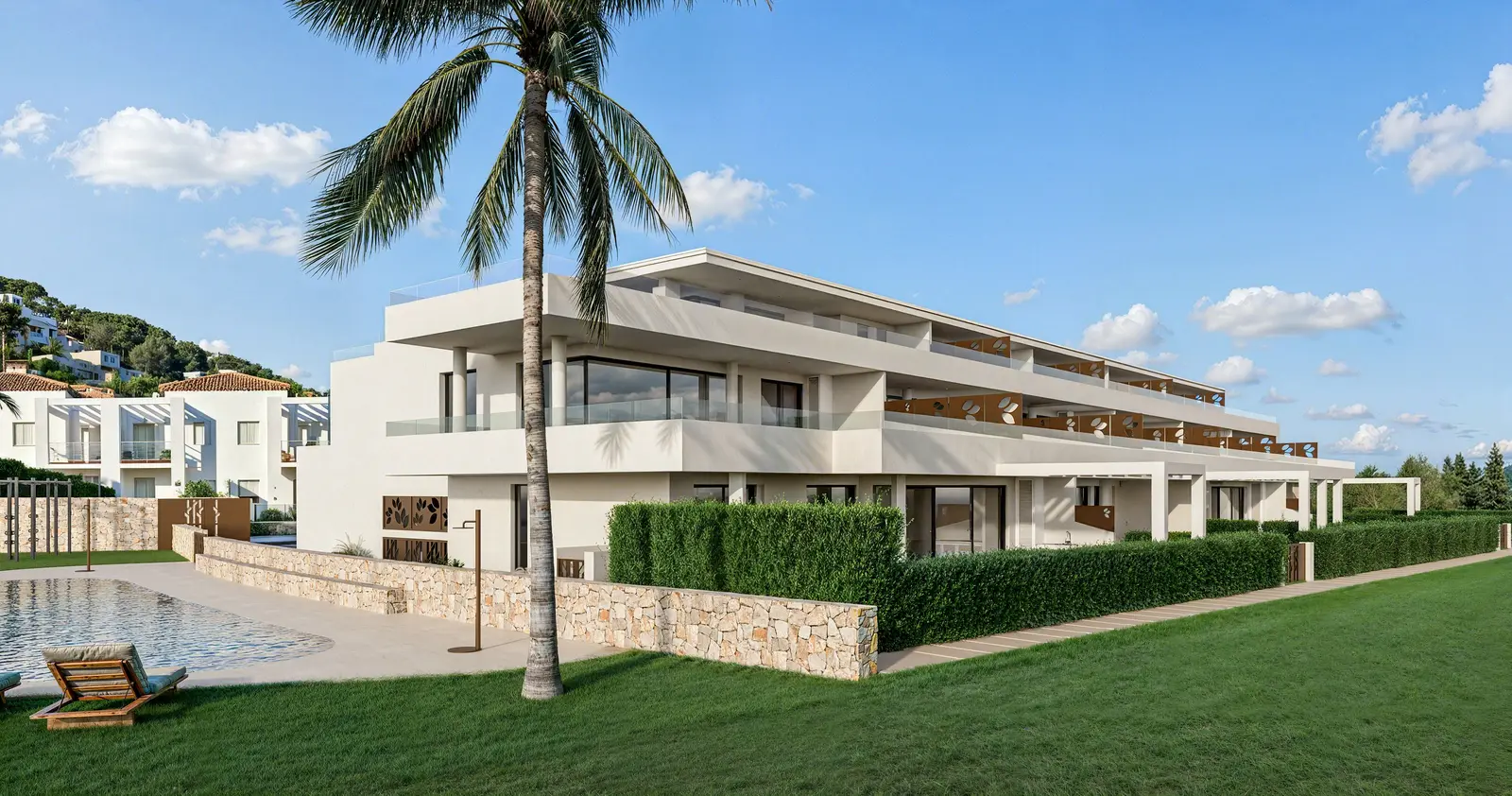
Frequently Asked Questions
Is La Sella a good place to invest in property?
↓
La Sella offers a single veritySpain-rated project scoring 7.4/10, above the publication threshold. The small supply base limits direct comparisons, but the quality signal is positive. Buyers should assess their rental income assumptions carefully given the seasonal nature of demand in this inland Alicante municipality before committing.
What is the property price range in La Sella?
↓
Entry pricing in La Sella currently starts at €495,000, based on veritySpain's feed data covering one analysed project. This places the market in the upper mid-market bracket for inland Alicante, targeting buyers seeking a quality second residence rather than a volume-market coastal apartment.
What are the taxes when buying property in La Sella?
↓
New-build purchases in La Sella attract 10% IVA plus stamp duty (AJD) of approximately 0.5 to 1.5%. Resales are subject to ITP, the regional property transfer tax. Including notary, Land Registry, and legal fees, total acquisition costs typically reach 10 to 13% of the purchase price.
Can I rent out my La Sella property short-term?
↓
Short-term letting in La Sella requires a tourist licence from the Generalitat Valenciana. Inland areas currently face less regulatory pressure than dense coastal zones, but licence compliance is mandatory from the first rental. Buyers should factor licence application timelines and seasonal occupancy patterns into their investment projections.
How does La Sella compare to nearby towns like Jávea or Denia?
↓
La Sella sits inland in the Jalón Valley, offering lower density than coastal towns such as Jávea or Denia. Entry prices are comparable, but annual rental occupancy is more seasonal. The buyer profile leans toward long-stay second-home use rather than the short-stay tourist market that drives coastal apartment demand.
What rental yields can I expect from La Sella property?
↓
No verified rental yield figure exists for La Sella in veritySpain's current dataset. Banco de España housing data suggests inland Alicante communities generally see yield compression versus coastal strips due to lower year-round occupancy. Any business case relying on rental income should stress-test summer-only versus shoulder-season occupancy scenarios independently.
Do I need a NIE number to buy property in La Sella?
↓
Yes. Foreign buyers must obtain a NIE (Número de Identificación de Extranjero) before completing any residential property transaction in Spain, including in La Sella. The NIE is required by the notary at signing and for tax registration. Applications can be made at a Spanish consulate abroad or at a provincial police station in Spain.