New build Llíber step-by-step: NIE, contracts, taxes, and completion costs explained for international buyers. Based on veritySpain data.
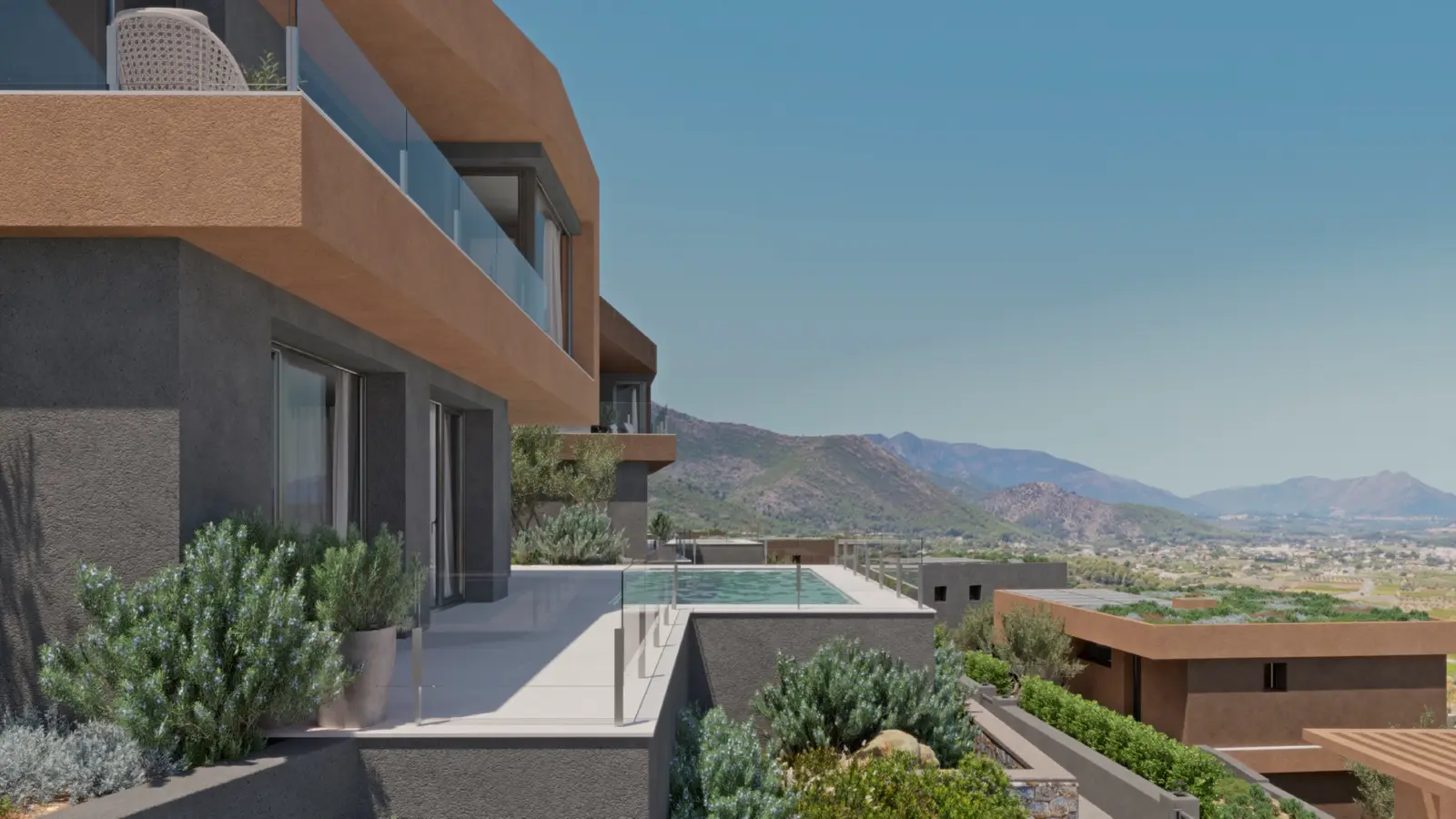
New build Llíber buyers in 2025 are entering a market where veritySpain has assessed one active project, scoring it 7.1 out of 10, with asking prices at €1,013,000. Llíber sits in the Jalón Valley, inland Alicante, a small municipality of around 900 residents within the Comunitat Valenciana. The buying process for new build here follows Spanish law to the letter, so understanding each stage before you commit a reservation fee is essential. International buyers account for a substantial share of new-build completions in Alicante province, and the procedural steps, costs, and timelines are largely uniform across the region.
Before you sign: legal groundwork and NIE
Every foreign buyer needs a NIE (Número de Identificación de Extranjero) before any contract can be signed. The NIE is issued by the Spanish National Police and can be obtained at a consulate in your home country or at a police station in Spain; allow four to eight weeks if applying from abroad. Alongside the NIE, appoint an independent Spanish property lawyer before you pay a single euro. The lawyer will carry out due diligence: verifying the developer's building licence, checking the land registry entry (Registro de la Propiedad), confirming that the developer holds a bank guarantee or insurance policy covering your stage payments under Spain's Ley 57/1968 and its successor obligations. veritySpain editorial review flags that in lower-volume markets like Llíber, developer track records should be verified carefully because fewer completed schemes exist locally for comparison. Open a Spanish bank account in parallel; it simplifies tax payments and the final mortgage drawdown if you are financing.
Reservation to private purchase contract
Reservation contracts in new-build sales typically require a fee of €3,000 to €10,000, which removes the property from sale for a defined period, usually 30 days. This is followed by the contrato privado de compraventa (private purchase contract), at which point buyers pay an initial instalment, commonly 10% of the purchase price minus the reservation fee already paid. In Llíber's price band, that initial instalment is a material sum; confirm with your lawyer that all stage payments are covered by a bank guarantee before transferring funds. Stage payments during construction are standard: expect one payment at foundation stage, one at roof level (estructura), and the balance on completion. The developer must supply an updated certificate of the building licence and construction progress at each stage. Never rely on verbal assurances. Short sentences matter here. Get every commitment in writing.
Taxes, fees, and total purchase costs
New build purchases in Spain attract IVA (VAT) at 10% of the purchase price, plus Actos Jurídicos Documentados (AJD, stamp duty) at a rate set by the Comunitat Valenciana, currently 1.5%. On a €1,013,000 property, IVA alone adds approximately €101,300; stamp duty adds approximately €15,200. Notary fees, land registry fees, and legal costs together typically add 1–2% of the purchase price. Budget a total acquisition cost of around 13–14% on top of the headline price. Registradores de España publishes annual data on transaction volumes and buyer nationality profiles in Alicante, providing useful context on how active this segment of the market has been, even if Llíber-specific figures are not broken out separately. Mortgage financing is available to non-residents, though Spanish lenders typically lend up to 70% of appraised value for non-resident buyers.
Completion and after-sale obligations
Completion (escritura de compraventa) takes place before a notary; both buyer and developer sign the public deed. On the same day, or within days, the buyer pays the outstanding balance, the notary fees, and IVA. The deed is then presented to the land registry for inscription; this takes four to eight weeks in normal processing periods. Once inscribed, you receive the certificate of first occupation (licencia de primera ocupación) from the local Ajuntament, which is required to connect utilities. Annual obligations begin immediately: Impuesto sobre Bienes Inmuebles (IBI, the municipal property tax) is payable to the Ajuntament de Llíber, and non-resident owners must file a quarterly or annual income tax return (Modelo 210) even if the property is not rented. Community fees apply if the project sits within a homeowners' association. Budget an ongoing annual cost that typically runs to 1–2% of property value when all recurring charges are included.
Key takeaways
- Obtain your NIE before any contract stage; delays here stall the entire purchase.
- Appoint an independent Spanish lawyer before paying a reservation fee on any project.
- All stage payments must be covered by a bank guarantee under Spanish law before transfer.
- Budget 13–14% above the purchase price for IVA, stamp duty, legal, and registration costs.
- Annual obligations include IBI, non-resident income tax, and community fees from completion date.
The market in numbers
New-build projects in Llíber
View allFrequently Asked Questions
What taxes do I pay when buying a new build in Llíber?
↓
New build purchases attract IVA at 10% of the purchase price plus AJD stamp duty at 1.5% in the Comunitat Valenciana. On top of that, notary fees, land registry costs, and legal fees typically add 1–2%. Total acquisition costs usually run to 13–14% above the headline purchase price, so budget accordingly from the outset.
Do I need a NIE to buy property in Llíber?
↓
Yes, a NIE (Número de Identificación de Extranjero) is mandatory before any Spanish property contract can be signed. Apply at a Spanish consulate in your home country or at a police station in Spain. Allow four to eight weeks when applying from abroad and start the process as early as possible.
How long does a new build purchase take in Spain?
↓
Timeline depends on construction stage at reservation. From private purchase contract to keys, allow 12 to 24 months for off-plan builds still under construction. Once the deed is signed at the notary, land registry inscription takes a further four to eight weeks. NIE and bank account setup should begin months before you intend to reserve.
What is the contrato privado de compraventa?
↓
The contrato privado de compraventa is the private purchase contract signed between buyer and developer after the reservation stage. It sets out the full purchase price, stage payment schedule, completion date, and penalties. An initial instalment of around 10% of the purchase price is typically paid at this stage. Your lawyer must review it before you sign.
Are stage payments protected by law in Spain?
↓
Spanish law requires developers to protect buyers' stage payments via a bank guarantee or insurance policy. This obligation derives from legislation protecting off-plan buyers and means that if the developer fails to complete, you can recover funds paid. Your lawyer should verify the guarantee is in place before each stage payment is transferred.
What ongoing costs apply after buying in Llíber?
↓
Annual costs include IBI (municipal property tax) payable to the Ajuntament de Llíber, non-resident income tax (Modelo 210) even if the property is not rented, and community fees if the project has a homeowners' association. Combined, recurring annual charges typically run to around 1–2% of property value, though the exact figure depends on community fee levels.
Is Llíber a good area to buy a new build property?
↓
Llíber is a small municipality in the Jalón Valley, inland Alicante, with limited new-build supply. veritySpain has assessed one project in the municipality, scoring it 7.1 out of 10 at a price point of €1,013,000. Buyers should research developer track records carefully given the low volume of completed schemes locally and seek independent legal and financial advice.