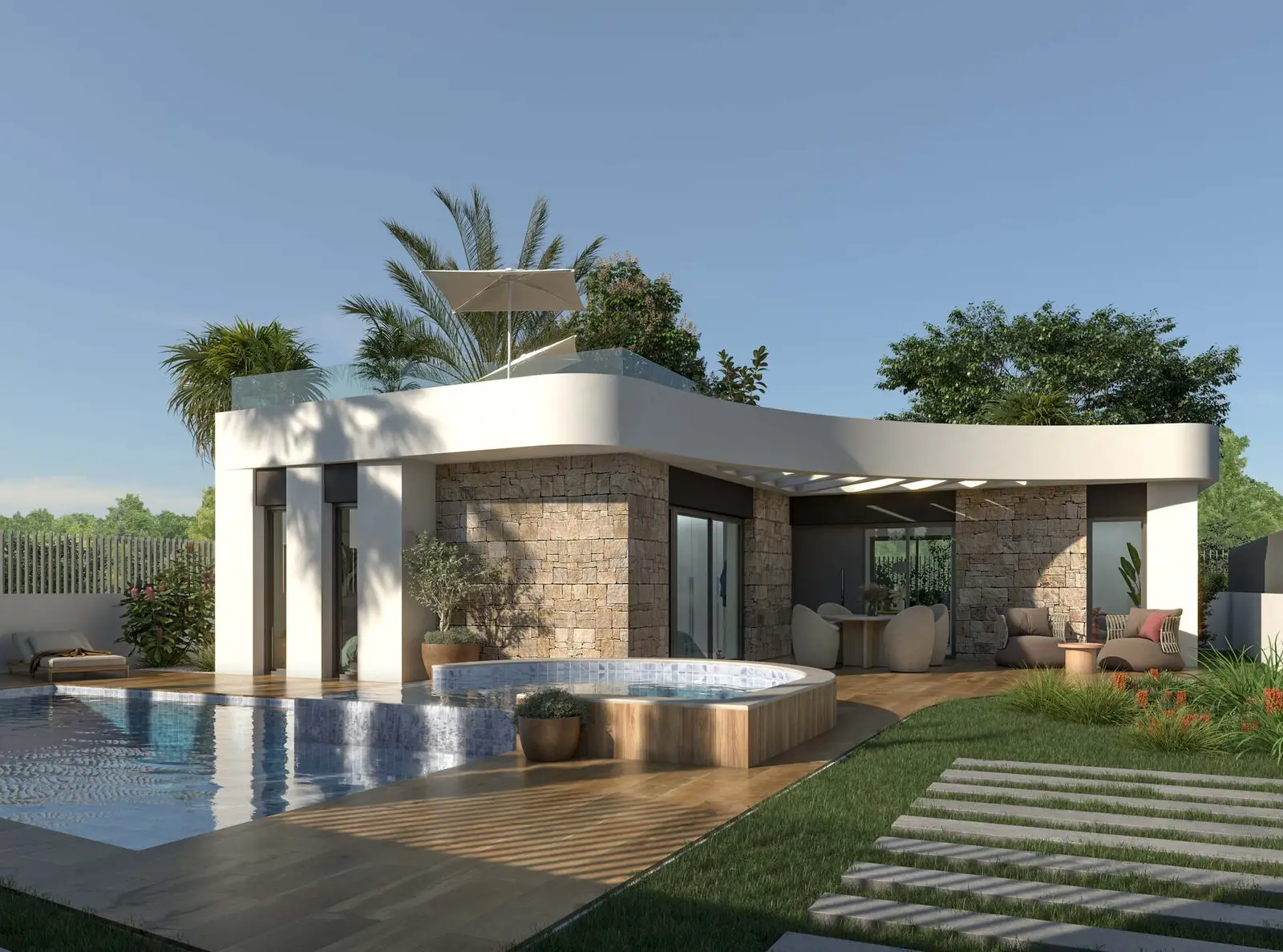
New build Los Montesinos properties span €485k–€499k. This step-by-step guide covers NIE, contracts, taxes and completion for international buyers.
New build los montesinos listings currently span €485,000 to €499,000, and veritySpain's editorial team has assessed 2 active projects in the municipality, arriving at an average score of 7.2 out of 10. That score reflects genuine quality: solid specifications, accessible infrastructure, and a price point that sits well within the Costa Blanca South median. Los Montesinos is a small inland municipality in the Vega Baja del Segura comarca, roughly 15 kilometres south-west of Torrevieja and about 40 kilometres north of Murcia. The buying process here follows the same legal framework as the rest of Spain, but international purchasers often underestimate how many discrete steps lie between a developer's show-home and a registered title. This guide maps each stage clearly.
Legal groundwork before you sign anything
A Spanish NIE number (Número de Identificación de Extranjero) is the single document that unlocks almost every other step. Without it you cannot open a Spanish bank account, pay taxes, or appear on a property deed. Application takes place either at a Spanish consulate in your home country or at a Foreigners' Office (Oficina de Extranjeros) in Spain; allow two to six weeks from submission to receipt. Open your Spanish account before committing to a reservation: developers typically require the deposit to arrive from a local account rather than a foreign transfer, and lenders require account history for mortgage assessment. Registradores de España data consistently shows that non-resident buyers account for a significant share of Valencia Region transactions, yet delays in title registration remain the leading complaint among that group, almost always traceable to missing NIE or account documentation. Sort both early. One missing document stalls everything.
Reservation contract and purchase agreement
Two contracts govern the pre-completion phase. The first is the reservation contract (contrato de reserva), signed when you pay a holding deposit, typically €3,000 to €6,000 for new-build stock in this price bracket. It takes the unit off the market and fixes the agreed price. The second, more important document is the private purchase contract (contrato privado de compraventa), signed within four to eight weeks; at this stage you normally pay between 20% and 30% of the purchase price, with the balance due on completion. For new-build properties, that completion balance is paid in a single sum at notarisation. Under Spanish law, stage payments on off-plan or under-construction property must be held in a dedicated, insured bank account and backed by a bank guarantee or insurance policy: this protection is codified in Law 57/1968 and its successor provisions. Request written evidence of this guarantee before transferring any stage payment. Verify the developer's registro de la propiedad status. Do not skip this check.
Taxes, fees, and total acquisition cost
New-build properties in Spain are subject to IVA (Value Added Tax) at 10% of the purchase price, plus Actos Jurídicos Documentados (Stamp Duty, AJD) at a rate set by the autonomous community. In the Valencian Community, where Los Montesinos is located, AJD is currently levied at 1.5%. On top of these taxes, buyers should budget for notary fees (scaled to purchase price, typically €800 to €2,000), land registry fees (broadly similar in scale to notary fees), and a lawyer (abogado) retainer, which independent practitioners typically charge at 1% of the purchase price plus IVA. A realistic total acquisition cost, above the headline price, sits somewhere between 12% and 15% depending on financing structure. Banco de España regulatory guidance requires mortgage lenders to provide a standardised European Standardised Information Sheet (ESIS) at least ten days before signing, which sets out all borrowing costs. Budget conservatively. Total costs surprise buyers who ignore them.
Completion, registration, and practical handover
Completion takes place at a Spanish notary (notaría). Both buyer and seller, or their legally appointed representatives with a poder notarial (notarised power of attorney), must be present. The notary verifies the property's legal standing, confirms the mortgage (if any) is simultaneously constituted, and reads the public deed aloud before signature. On the same day, the buyer pays the outstanding balance and receives the keys. Post-signature, the conveyancing lawyer submits the signed deed to the land registry; the cadastral update follows. Full registration can take four to eight weeks after completion. During this window the property is legally yours but the updated entry has not yet appeared in the Registro de la Propiedad. veritySpain data from projects assessed in the Los Montesinos area confirms that developer handover timelines on the 2 scored projects have been in line with the stated completion dates, which is a meaningful data point for a small municipality with limited transaction history. Keys do not mean registration. Track both milestones.
Key takeaways
- Get your NIE and open a Spanish bank account before signing any reservation contract to avoid costly delays.
- Stage payments on new-build stock must be covered by a bank guarantee or insurance policy under Spanish law.
- Total acquisition costs in the Valencian Community typically add 12%–15% above the headline price, including IVA and AJD.
- Both the reservation contract and the private purchase contract carry legal weight; have a qualified abogado review both.
- veritySpain has assessed 2 projects in Los Montesinos, scoring an average 7.2/10 across a €485k–€499k price range.
The market in numbers
New-build projects in Los Montesinos
View all
Frequently Asked Questions
What taxes do I pay when buying a new build in Los Montesinos?
↓
New-build purchases in Los Montesinos are subject to 10% IVA (VAT) on the purchase price plus Actos Jurídicos Documentados (AJD) stamp duty, currently 1.5% in the Valencian Community. You should also budget for notary fees, land registry fees, and legal costs. Total acquisition costs above the headline price typically fall between 12% and 15%.
Do I need an NIE to buy property in Spain?
↓
Yes. A Spanish NIE (Número de Identificación de Extranjero) is required to sign any property deed, pay taxes, and appear in the land registry. You can apply at a Spanish consulate abroad or at a Foreigners' Office in Spain. Allow at least two to six weeks. Without an NIE the purchase cannot complete.
How long does the buying process take in Los Montesinos?
↓
From reservation to completion typically takes three to twelve months for a new-build, depending on construction stage. Post-completion, land registry registration takes a further four to eight weeks. Off-plan purchases may extend the timeline considerably. Budget time for NIE and bank account setup before signing anything.
What is a contrato de reserva and is my deposit protected?
↓
A contrato de reserva is a short holding contract signed with a deposit, typically €3,000–€6,000, that removes the unit from sale at the agreed price. For new builds, all stage payments must by law be backed by a bank guarantee or insurance policy. Ask for written evidence of this protection before transferring any funds.
What is the average score for new-build projects in Los Montesinos?
↓
veritySpain has assessed 2 new-build projects in Los Montesinos, arriving at an average editorial score of 7.2 out of 10. That score reflects specification quality, location accessibility, and price positioning. The assessed price range runs from €485,000 to €499,000. veritySpain publishes only projects scoring 6.0 or above.
Can I use a power of attorney to complete the purchase remotely?
↓
Yes. A poder notarial (notarised power of attorney) allows a legally appointed representative to sign the completion deed on your behalf at the notary. The document must be notarised and, for documents executed abroad, apostilled. Many international buyers in the Costa Blanca South region use this route to avoid a second trip to Spain.
What happens at the notary on completion day?
↓
On completion day the notary verifies the property is free of charges, reads the public deed aloud, and oversees simultaneous signing by buyer and seller. You pay the outstanding balance and receive the keys. If you have a mortgage, it is constituted at the same appointment. The deed is then submitted to the land registry for formal registration.