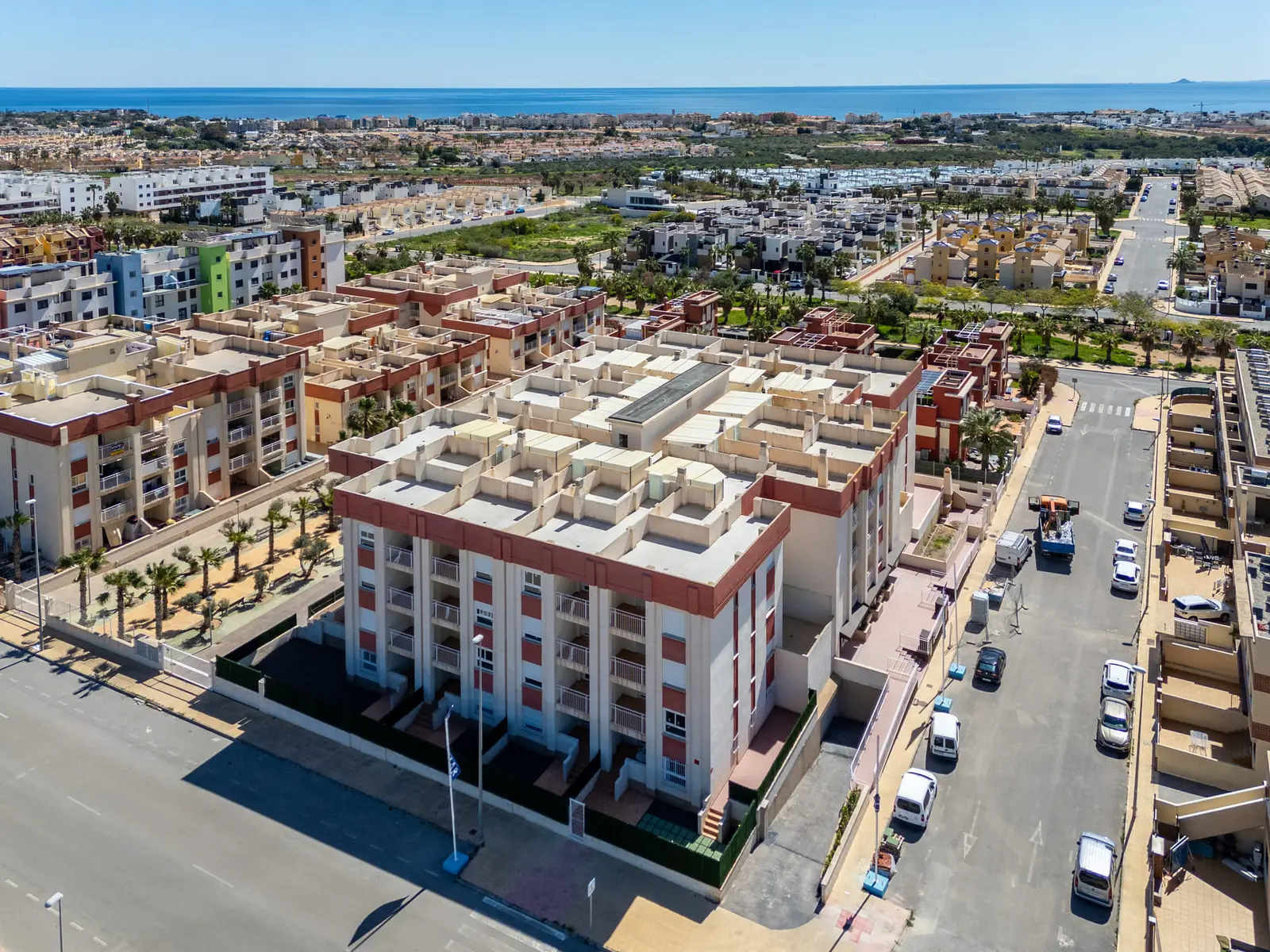
Living in Orihuela Costa as an expat: climate, cost of living, healthcare, schools and community life explained with real data from veritySpain.
Living in Orihuela Costa as an expat means choosing one of Spain's most actively tracked coastal strips, where veritySpain has assessed 19 new-build projects and recorded prices running from €148,000 to €3,500,000 across the municipality. That range alone signals a varied residential market, from compact apartments near the beach to large villas on private urbanisations further inland. The climate is the chief draw: the Costa Blanca south records more than 300 days of sunshine annually, a figure recognised by the World Health Organisation as one of the healthiest in Europe. Cost of living sits well below Northern European benchmarks, and a growing international community means the infrastructure for expat daily life, from English-language services to multi-national supermarkets, is already in place.
Climate and everyday environment
Temperatures in Orihuela Costa average around 18°C across the year, with summer highs reaching the mid-30s and mild winters rarely dropping below 10°C at night. Rain falls mainly between October and March. Short, reliable summers. The area runs along roughly 16 kilometres of coastline inside the municipality of Orihuela, part of Alicante province, and the principal beach zones of Playa Flamenca, La Zenia and Cabo Roig are well maintained and hold Blue Flag certification in most years, an independent quality standard awarded by the Foundation for Environmental Education. Daily essentials are accessible without a car in the denser resort zones, though for medical appointments or larger errands a vehicle remains practical. The N-332 coastal road and the AP-7 motorway connect the area to Alicante city and Murcia in under an hour.
Cost of living and finances
Grocery and restaurant costs in Orihuela Costa run noticeably lower than in the United Kingdom, Germany or Scandinavia, a pattern consistent with broader Spanish cost-of-living data published by INE. INE consumer price data shows Spain's general price level sits below the EU average for most household categories. A midweek menu del día at a local restaurant typically costs €10 to €14 for three courses including wine. Utility bills benefit from the mild climate: heating bills are low, though air conditioning adds to summer electricity costs. Property owners pay IBI (Impuesto sobre Bienes Inmuebles), the Spanish annual municipal property tax, plus community fees on urbanisations, which vary by the services included. Buyers should budget for purchase costs of roughly 10 to 13 percent on top of the property price, covering IVA or ITP depending on whether the property is new-build or resale, plus notary and registry fees.
Healthcare and services
Orihuela Costa sits within the Vega Baja health district, served by Hospital Vega Baja in Orihuela city, roughly 20 minutes by car. A network of medical centres (centros de salud) in Torrevieja and within the urbanisations serves routine care. Torrevieja Hospital, a concession model operated privately under public-health contract, is the nearest full-service facility for most coastal residents and handles a high proportion of international patients. Private health insurance is widely used among expats and costs substantially less than equivalent cover in most Northern European countries. Pharmacies are plentiful: Spanish pharmacists are trained to advise on minor conditions, and prescription medicines are priced well below UK or Scandinavian levels. Dental care is available privately at competitive rates, with several English-speaking practices established in the commercial areas along the N-332 corridor.
Schools, communities and integration
Several international and bilingual schools operate within commuting distance of Orihuela Costa, including options with British, Irish and Spanish curriculum streams in the wider Alicante south corridor. The area's population composition, with large communities of British, Irish, Belgian, Scandinavian and German residents, means English is widely spoken in commercial areas, estate agencies and many medical practices. Empadronamiento data held by the Ayuntamiento de Orihuela confirms a substantial registered foreign-national population, though the actual resident base is larger when including those registered elsewhere. Community life centres on local associations, golf clubs, sports facilities and year-round events along the coast. Integration into Spanish-speaking life is easier here than in purely tourist areas because the resident population is settled rather than seasonal. Language classes in Spanish are available through local municipal programmes and private schools.
Key takeaways
- veritySpain tracked 19 projects in Orihuela Costa, with prices between €148,000 and €3,500,000.
- The climate averages over 300 sunshine days per year, one of the highest totals in Mediterranean Europe.
- Cost of living for groceries, dining and utilities runs materially below Northern European averages.
- Healthcare is accessible via public and private routes, with English-speaking provision widely available locally.
- A large, settled international community means English-language infrastructure is mature and integration is straightforward.
The market in numbers
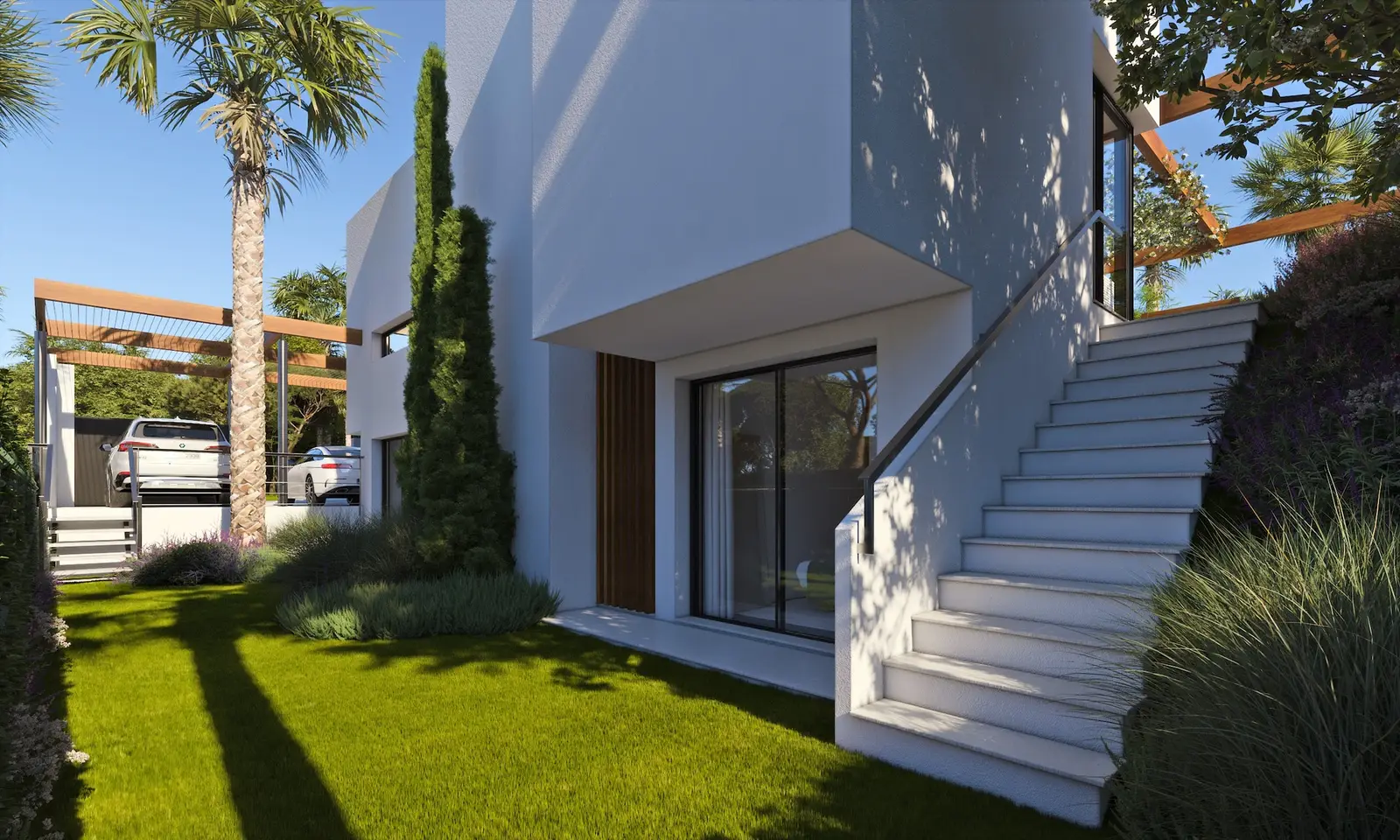
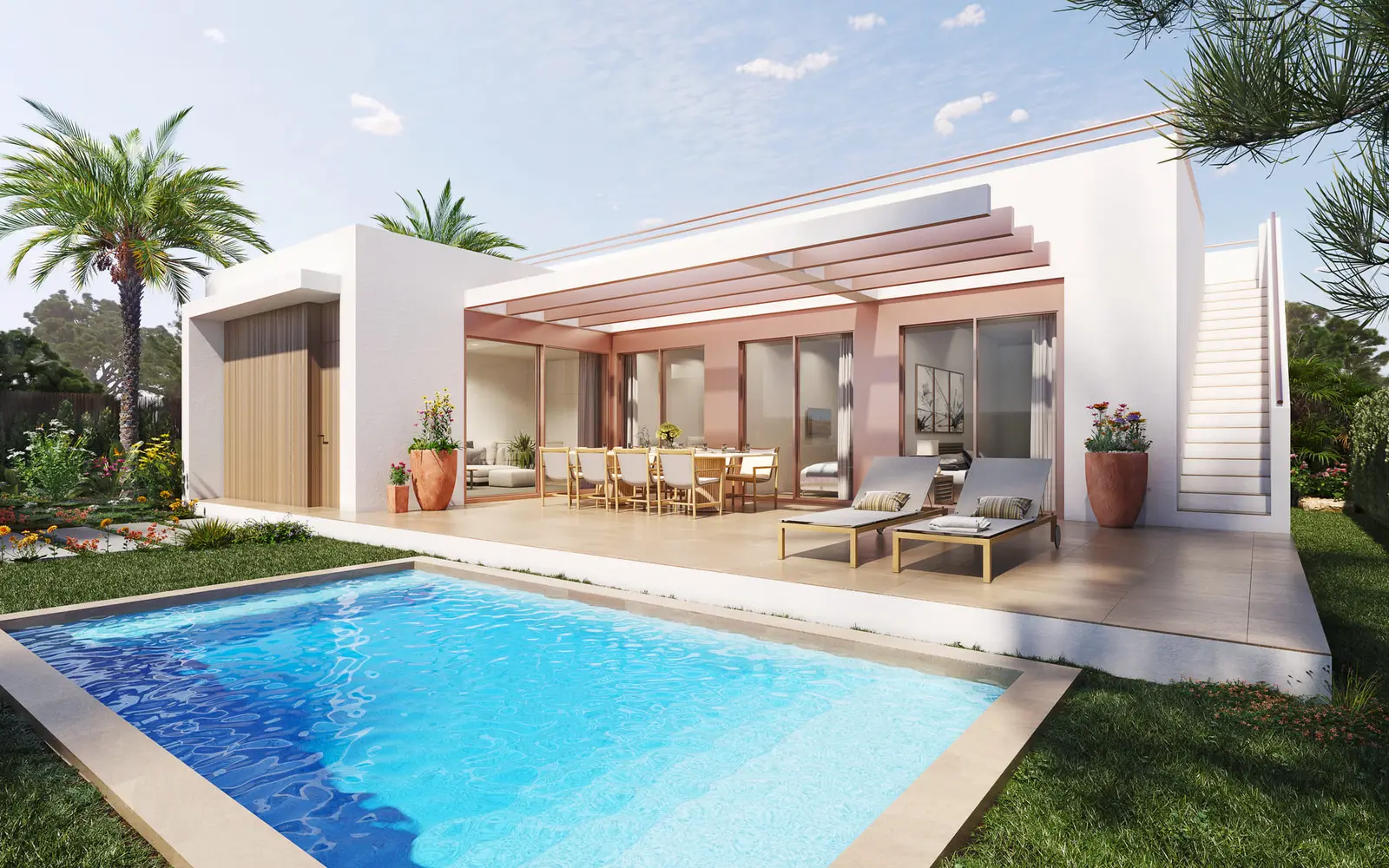
New-build projects in Orihuela Costa
View all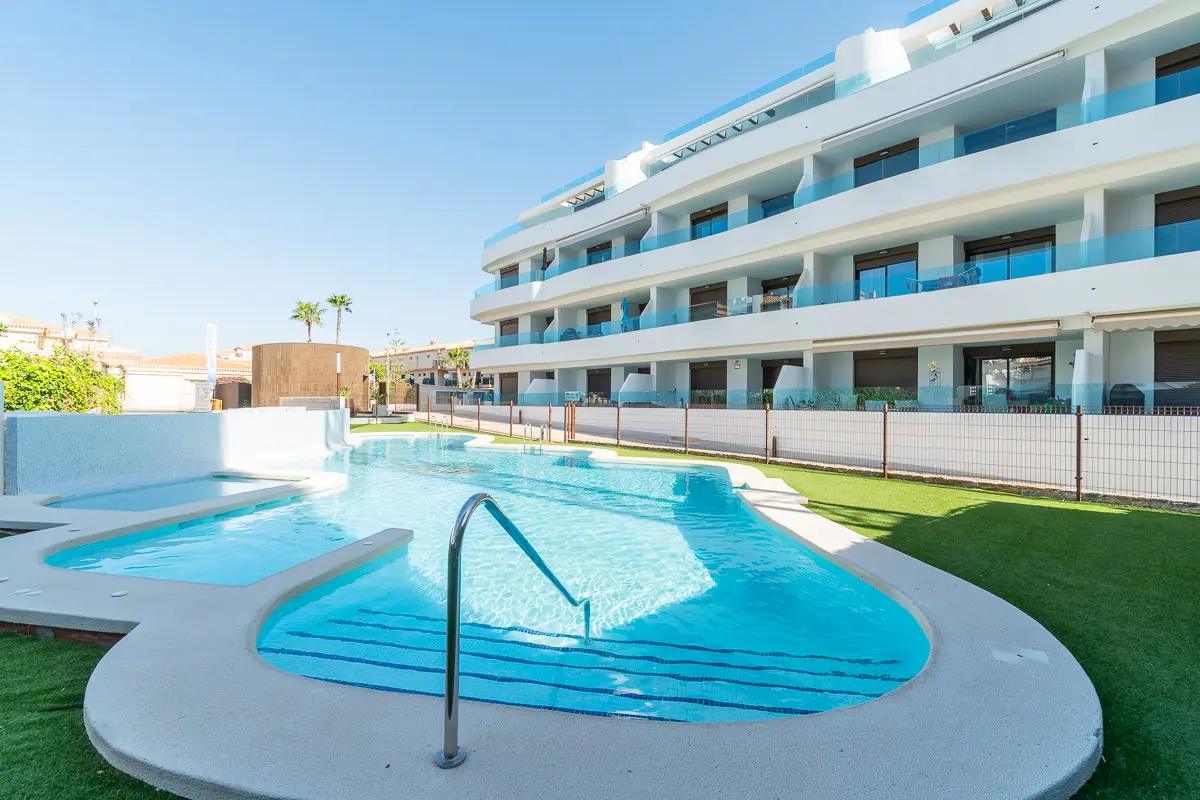
Frequently Asked Questions
Is Orihuela Costa a good place to live as an expat?
↓
Yes, for the right profile. Orihuela Costa offers a large settled international community, mild climate, lower cost of living than Northern Europe and good healthcare access. veritySpain has assessed 19 active new-build projects there, with prices from €148,000. The area suits retirees and remote workers more than those needing a large city.
What is the cost of living in Orihuela Costa compared to the UK?
↓
Costs for groceries, dining and utilities are materially lower than in the UK. A restaurant lunch menu runs €10 to €14. Heating costs are modest given the climate. Property purchase requires budgeting for Spanish taxes of roughly 10 to 13 percent on top of the price, covering IVA or ITP, notary and registry fees.
What healthcare options are available in Orihuela Costa?
↓
Residents can access the Spanish public health system via local centros de salud and Torrevieja Hospital, which handles a high volume of international patients. Most expats supplement this with private health insurance, which is significantly cheaper in Spain than in Northern Europe. English-speaking GP and dental practices operate along the N-332 corridor.
Are there international schools near Orihuela Costa?
↓
Several international schools with British, Irish and Spanish curriculum streams operate within commuting distance in the wider Alicante south area. Orihuela Costa itself does not have a large campus school within the urbanisations, so school runs of 15 to 30 minutes are typical for families using international provision.
What is the climate like in Orihuela Costa?
↓
Orihuela Costa records more than 300 days of sunshine per year, with average annual temperatures around 18°C. Summers are hot and dry, reaching the mid-30s. Winters are mild, rarely below 10°C at night. The World Health Organisation has cited the southern Costa Blanca climate as among the healthiest in Europe.
How do I get around Orihuela Costa without a car?
↓
Denser beach zones such as Playa Flamenca and La Zenia have shops, pharmacies and restaurants within walking distance. Bus services connect coastal areas to Torrevieja and beyond. For hospital appointments or travel to Alicante and Murcia airports, a car or taxi is practical. Many expats find a car essential once living here full time.
What taxes do property owners pay in Orihuela Costa?
↓
Annual costs include IBI, the Spanish municipal property tax, plus community fees on urbanisations. On purchase, buyers pay IVA (10 percent for new builds) or ITP (resale, typically 10 percent in Valencia region) plus notary, registry and legal fees. Total purchase costs typically add 10 to 13 percent to the agreed price.