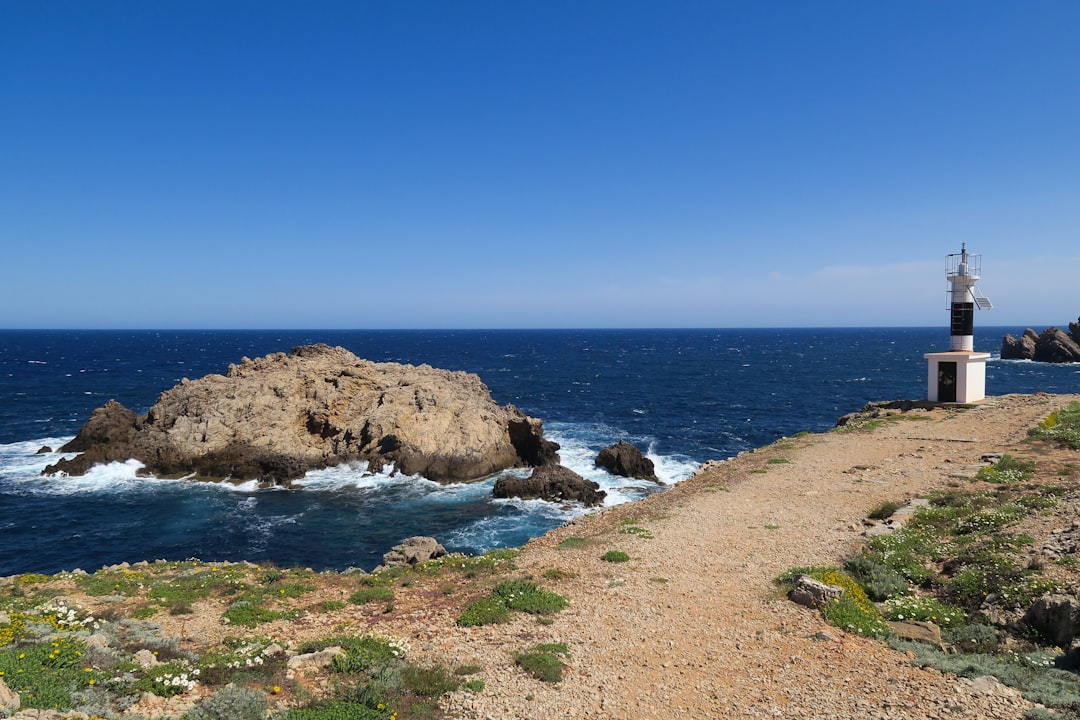
Living in Pilar de la Horadada as an expat means mild winters, prices from €235k, strong healthcare links and an established international community on the Costa Blanca.
Living in Pilar de la Horadada as an expat draws on a price range spanning €235k to €1,895k across the 44 projects veritySpain has analysed in this southern Alicante municipality, where an average score of 7.4 out of 10 reflects consistently solid construction and planning standards. The municipality sits at the base of the Costa Blanca, bordering Murcia, and its relatively compact size means residents cover the full range of daily needs without the congestion of larger coastal towns. Healthcare, schooling, retail and outdoor infrastructure are all within reach. Summers are long and reliably dry; winters are mild enough that heating bills stay low. The expat community is sizeable and established.
Climate and outdoor life
Pilar de la Horadada records more than 300 days of sunshine a year, making it one of the most temperate corners of the Spanish southeast. Average July temperatures sit in the low-to-mid thirties Celsius; January rarely dips below seven degrees overnight. That climate drives daily life outdoors in a way that shapes both routines and costs: gym memberships are often replaced by walking, cycling and beach use. Lo Rompio and Mil Palmeras are the main beach areas, both within the municipality. The salt lagoon at La Mata, just north, extends the coastal ecosystem. Wind matters too: afternoon breezes off the Mediterranean moderate summer heat inland, and the town itself is shielded from northern cold by the Sierra de Escalona.
Cost of living and healthcare
Day-to-day costs in Pilar de la Horadada run below the Spanish national average for most categories. Weekly supermarket shopping, utility bills and restaurant meals all price lower than in Madrid or Barcelona, and even below some of the better-known Costa Blanca resorts to the north. veritySpain data shows entry-level properties from €235k in the municipality, which sets a baseline for what buyers with modest budgets can access. The Spanish public health system, administered via the Comunitat Valenciana, operates a primary care centre in town and connects residents to the Hospital Universitari Sant Joan in Alicante and the Hospital General Universitario Reina Sofia in Murcia. Both are within roughly forty minutes by road. Residents registered on the padrón municipal qualify for public health access; those arriving before retirement age typically need either employment or private cover to register.
Schools and education
Spanish state schooling is free and available to all registered children regardless of nationality. The municipality has infant, primary and secondary schools operating in Spanish, with Valencian as a co-official language in some settings. Families seeking English-medium instruction tend to look toward the British schools concentrated around Torrevieja, roughly twelve kilometres north. Private international options are also present in Murcia city to the south. INE 2025 population data positions Pilar de la Horadada among mid-sized coastal municipalities in southern Alicante, which means school rolls are stable but class sizes in state schools can be large during peak years. Extracurricular sport and cultural programmes run through the Ayuntamiento and tend to be well-priced.
Expat communities and integration
The expat population in Pilar de la Horadada is predominantly British and Northern European, with a long-established presence that predates the post-2010 coastal recovery. Several British-run businesses operate in the town and the adjacent urbanisations. Community associations and walking groups are active year-round, not just in the summer peak. Spanish integration varies by resident: those who arrive with language skills and register early on the padrón tend to access more services and build broader social networks. Town events, including the summer festivals and the December feria, are well attended across nationalities. The Orihuela Costa corridor, which adjoins the municipality to the north, adds density to social and commercial options. Property transaction activity in the municipality, as reported across public registry data, has reflected broader southeastern Spain trends over recent years.
Key takeaways
- Properties range from €235k to €1,895k with a veritySpain average score of 7.4 out of 10.
- More than 300 annual sunshine days and mild winters reduce utility costs and support outdoor lifestyles.
- Public healthcare is accessible via padrón registration, linking to hospitals in Alicante and Murcia.
- State schools cover all ages; English-medium options are available within fifteen kilometres in Torrevieja.
- An established British and Northern European expat community provides social infrastructure from day one.
The market in numbers
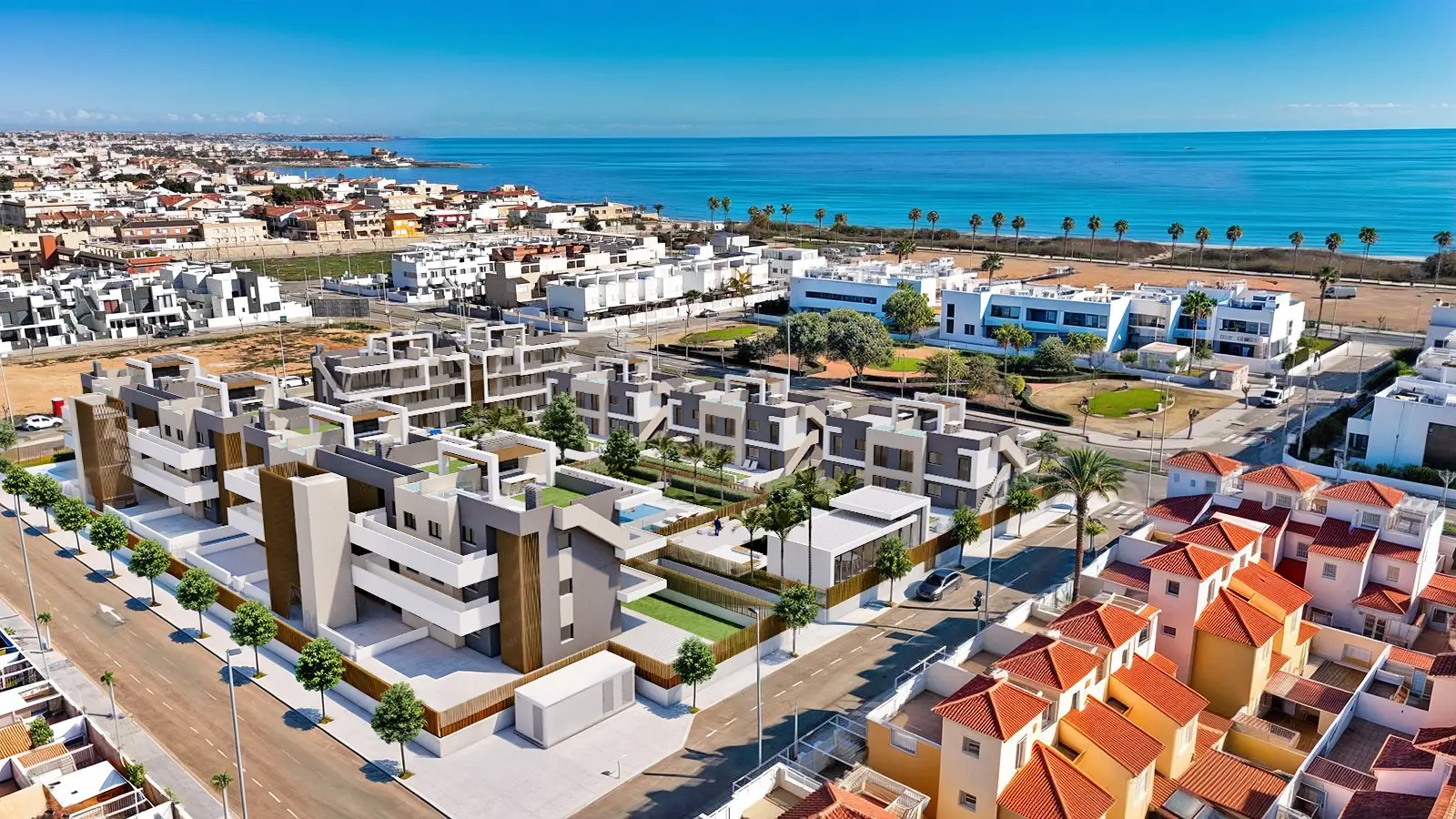
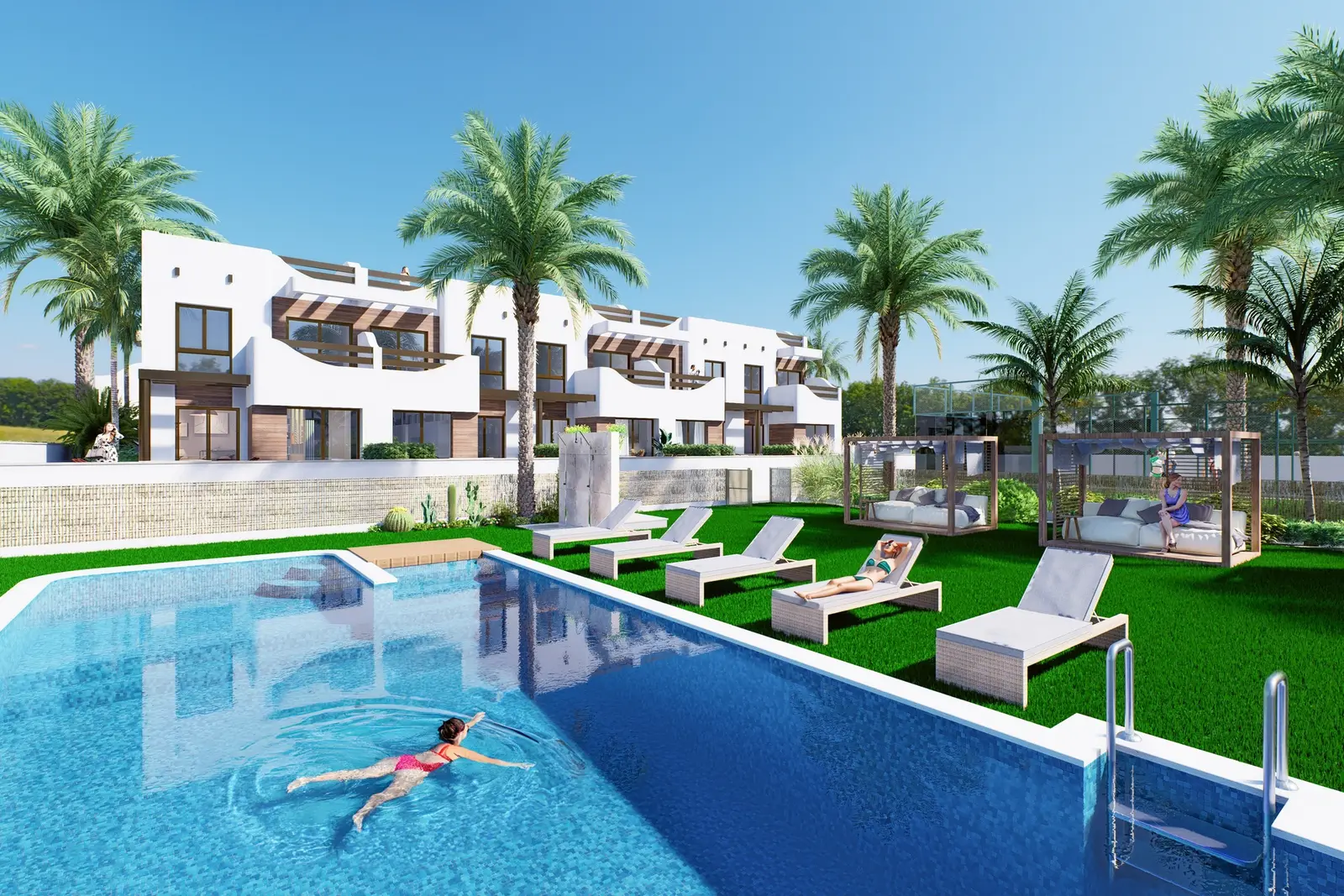
New-build projects in Pilar de la Horadada
View all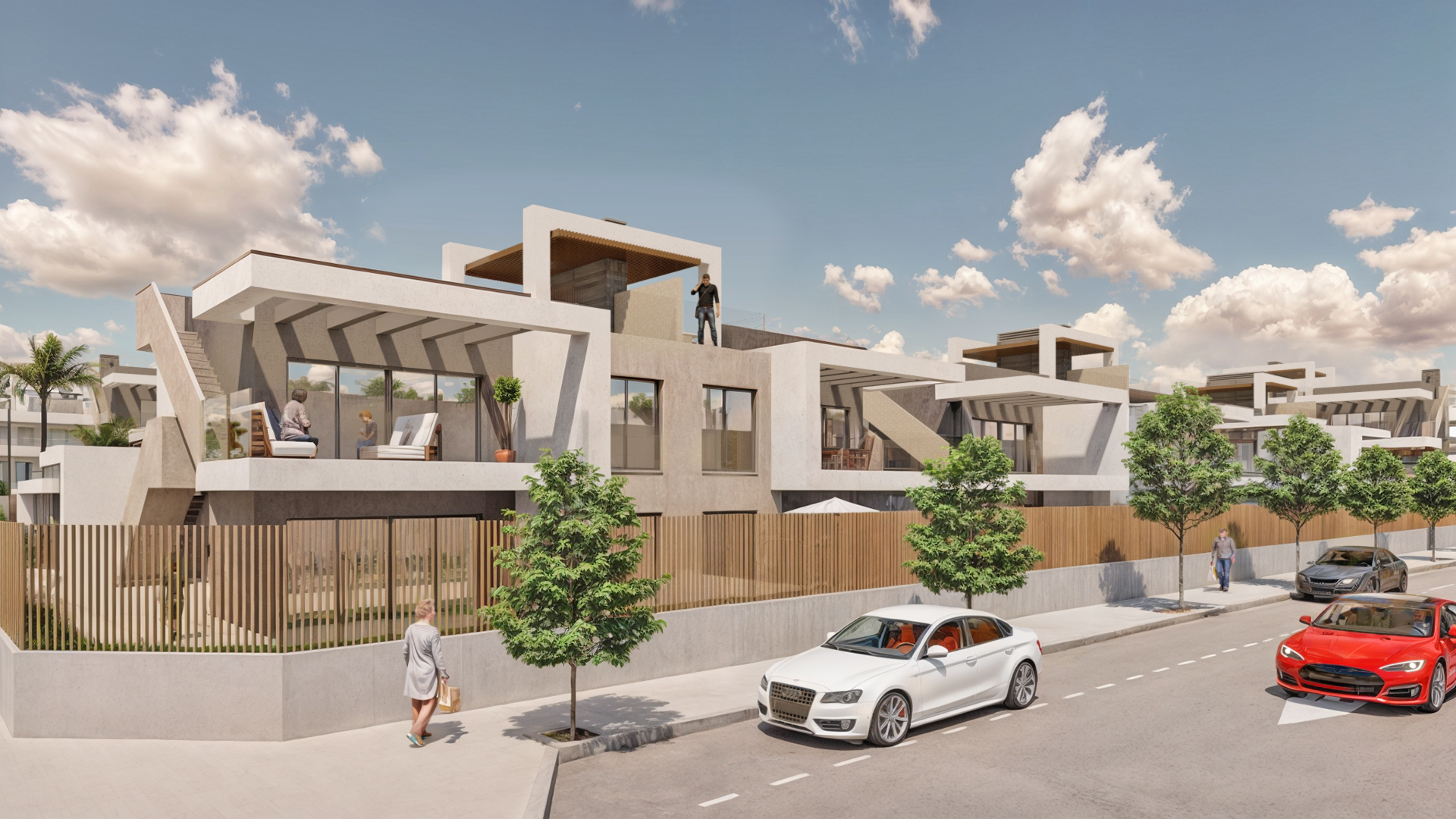
Frequently Asked Questions
Is Pilar de la Horadada a good place to live as an expat?
↓
Yes, the municipality offers stable infrastructure and an established expat community. Properties range from €235k to €1,895k, veritySpain scores average 7.4 out of 10, healthcare connects to hospitals in Alicante and Murcia, and more than 300 sunny days a year support outdoor routines year-round.
What is the cost of living in Pilar de la Horadada?
↓
Day-to-day costs sit below the Spanish national average and below many northern Costa Blanca resorts. Supermarket prices, utilities and eating out are all reasonably priced. Entry-level property from €235k reflects the lower cost base. The mild climate also reduces heating costs significantly compared to northern Europe.
What healthcare is available in Pilar de la Horadada?
↓
A primary care centre operates in the town itself. Residents registered on the padrón municipal access the Comunitat Valenciana public health system, with specialist referrals to the Hospital Universitari Sant Joan in Alicante and the Hospital General Universitario Reina Sofia in Murcia, both within roughly forty minutes by car.
Are there English-speaking schools near Pilar de la Horadada?
↓
State schools teach in Spanish and Valencian, and are free to all registered children. English-medium British schools are clustered around Torrevieja, approximately twelve kilometres north. Private international options exist in Murcia city to the south. Extracurricular activities through the Ayuntamiento are affordable and available to all nationalities.
What is the climate like in Pilar de la Horadada?
↓
The municipality records more than 300 days of sunshine annually. Summer temperatures reach the low-to-mid thirties Celsius, moderated by Mediterranean sea breezes. Winter overnight lows rarely fall below seven degrees. The Sierra de Escalona provides shelter from northern cold fronts, making the microclimate notably stable year-round.
Is there a large expat community in Pilar de la Horadada?
↓
Yes, a sizeable and long-established British and Northern European community lives in the municipality and surrounding urbanisations. Active community associations, walking groups and British-run businesses operate throughout the year. The adjacent Orihuela Costa corridor extends the social and commercial network available to new arrivals.
What property prices can I expect in Pilar de la Horadada?
↓
Across the 44 projects veritySpain has analysed in the municipality, prices run from €235k at the entry level to €1,895k at the top end. The average project score of 7.4 out of 10 indicates consistent build quality. Buyers should budget separately for Spanish purchase taxes, which apply on top of the advertised price.