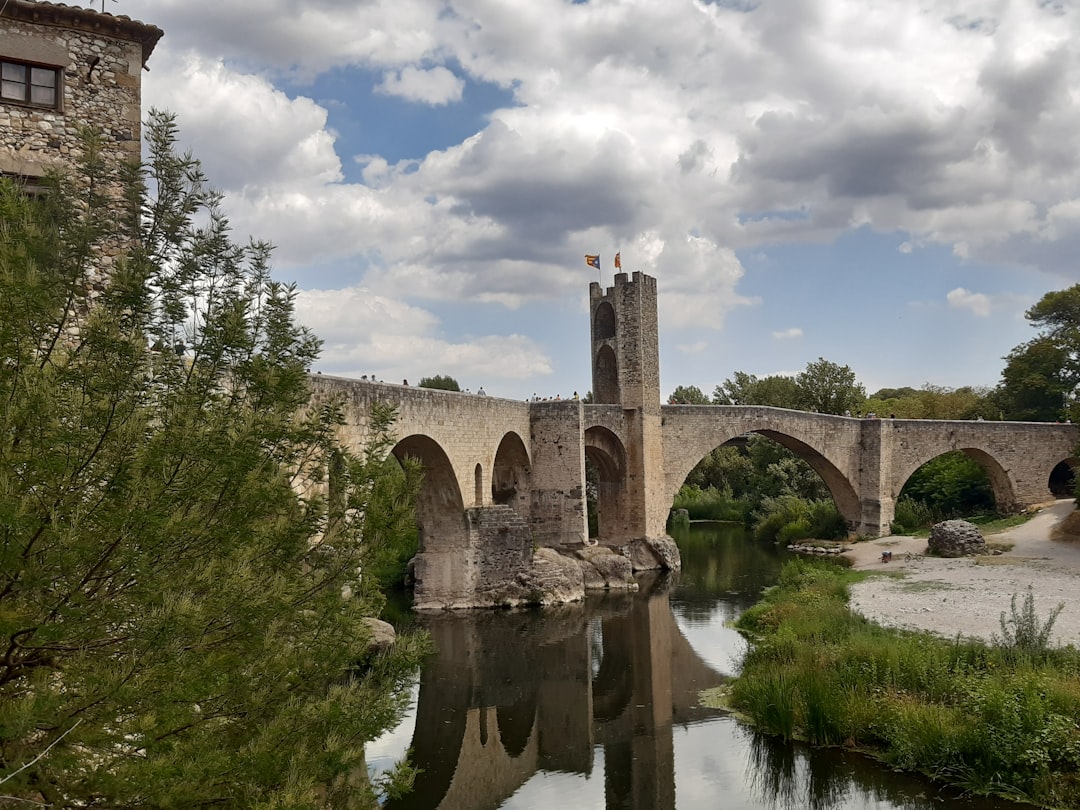
Living in Polop as an expat means inland Costa Blanca climate, €453k–€860k property prices and a 7.1 veritySpain score. Healthcare, schools and daily life explained.
Living in Polop as an expat puts you within a price bracket of €453,000 to €860,000 across 13 veritySpain-analysed projects, a range that reflects the village's growing status on the northern Costa Blanca. Polop sits inland from Benidorm, roughly 10 kilometres from the coast, in the Marina Baixa comarca of Alicante province. Elevation matters here: the town centre stands at around 300 metres above sea level, which keeps summer temperatures several degrees cooler than the beachfront. That climatic difference draws expats who want the Costa Blanca sun without the coastal humidity and noise. The veritySpain average score across reviewed projects is 7.1 out of 10.
Climate and daily quality of life
Polop records more than 300 sunny days per year, according to long-term Aemet climate data for the Marina Baixa zone. Winters are mild. January average highs stay around 16°C, and frost is rare at the town's altitude. Summer afternoons reach the low-to-mid 30s rather than the high 30s common on the coast below. A short sentence: the breeze matters. Walking the old town in July is manageable in a way that Benidorm seafront often is not. Precipitation is concentrated in autumn; the gota fría pattern can bring heavy rain in September and October, sometimes causing flash flooding in lower-lying streets. Expat residents consistently cite the four-season quality of light as a key reason for choosing inland villages over resort strips.
Cost of living and everyday practicalities
Polop's weekly market runs on Saturdays in the main square, offering local produce at prices well below supermarket rates. Two large supermarkets, a Mercadona and a Consum, are in nearby La Nucía, a four-minute drive. INE municipal register data shows Polop's population at roughly 3,900, with a high proportion of northern European residents registered as permanent inhabitants. That demographic mix means English is spoken in many local businesses, though Spanish and Valencian remain the languages of administration. Property purchase costs in Spain include IVA at 10 percent on new builds and ITP transfer tax, typically 10 percent in the Valencian Community, on resales. Running costs for a mid-range villa, including community fees, water, electricity and rates, commonly fall in the €600 to €1,000 per month range, though this varies with property size and pool maintenance.
Healthcare and education
Healthcare access is a practical priority for expats, particularly those over 50. Polop is served by the primary care centre in La Nucía, part of the Departament de Salut Marina Baixa network administered by the Generalitat Valenciana. The nearest full-service hospital is Hospital Marina Salud in Dénia, around 35 kilometres north, or Hospital Universitari Sant Joan d'Alacant, roughly 50 kilometres south. Private healthcare is widely used by expats: Clinica Benidorm and several private facilities in Benidorm and Altea offer English-language consultations. For education, the nearest international schools are in the Benidorm-Alfaz del Pi corridor. Laude Lady Elizabeth School in La Nucía offers a British curriculum from early years through to A-Level and is within a ten-minute drive. Some families also use the state system, which in this zone includes Valencian as a primary teaching language from reception.
Expat communities and social life
Polop has an established expat social layer built around several resident associations and informal networks. The British, Dutch, German and Scandinavian communities are all present. Organised activities include walking groups that use the Sierra de Bernia trails, cycling clubs that follow the inland routes toward Guadalest, and regular social gatherings in the restaurants along Carrer Major. Padron municipal figures published by veritySpain from INE data confirm that foreign-born residents make up a significant share of Polop's registered population, a pattern common across inland Marina Baixa villages. Golf is within reach: Club de Golf Don Cayo in Altea and Villaitana Golf in Benidorm are both under 20 kilometres away. The old town's architecture, centred on the Fuente de los 25 Caños, gives Polop a distinct village character that larger resort towns have lost. Cultural events including a midsummer fire festival and a February almond blossom season attract day visitors without overwhelming the resident community.
Key takeaways
- Polop's inland elevation keeps summer temperatures lower than the coast, improving daily comfort.
- The veritySpain project score averages 7.1 out of 10 across 13 reviewed developments in the area.
- Purchase prices in analysed projects run from €453,000 to €860,000, reflecting a mid-to-upper tier market.
- Healthcare, international schooling and expat social networks are well established in the Marina Baixa zone.
- Running costs, Spanish tax rules and residency registration require professional advice before committing.
The market in numbers
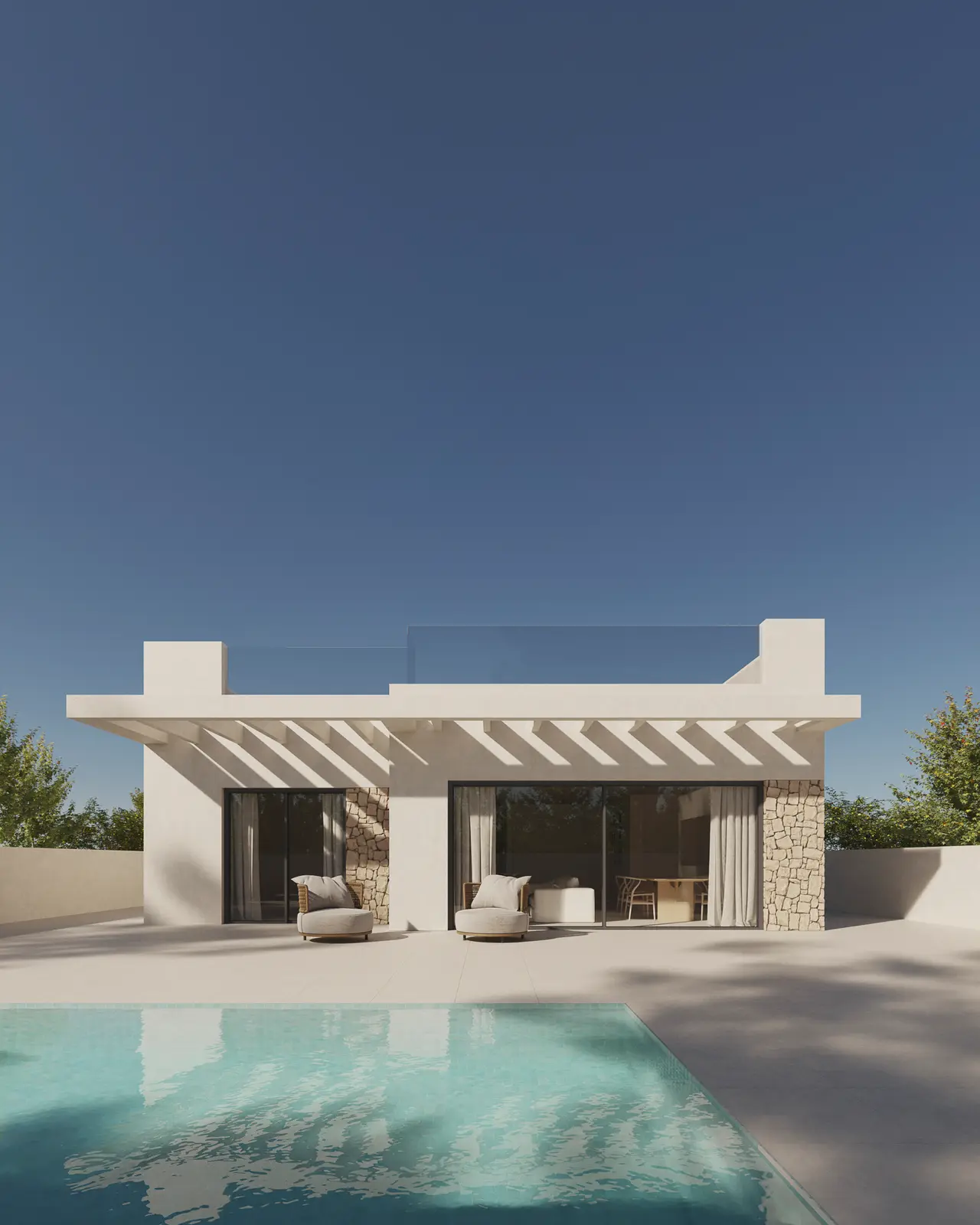
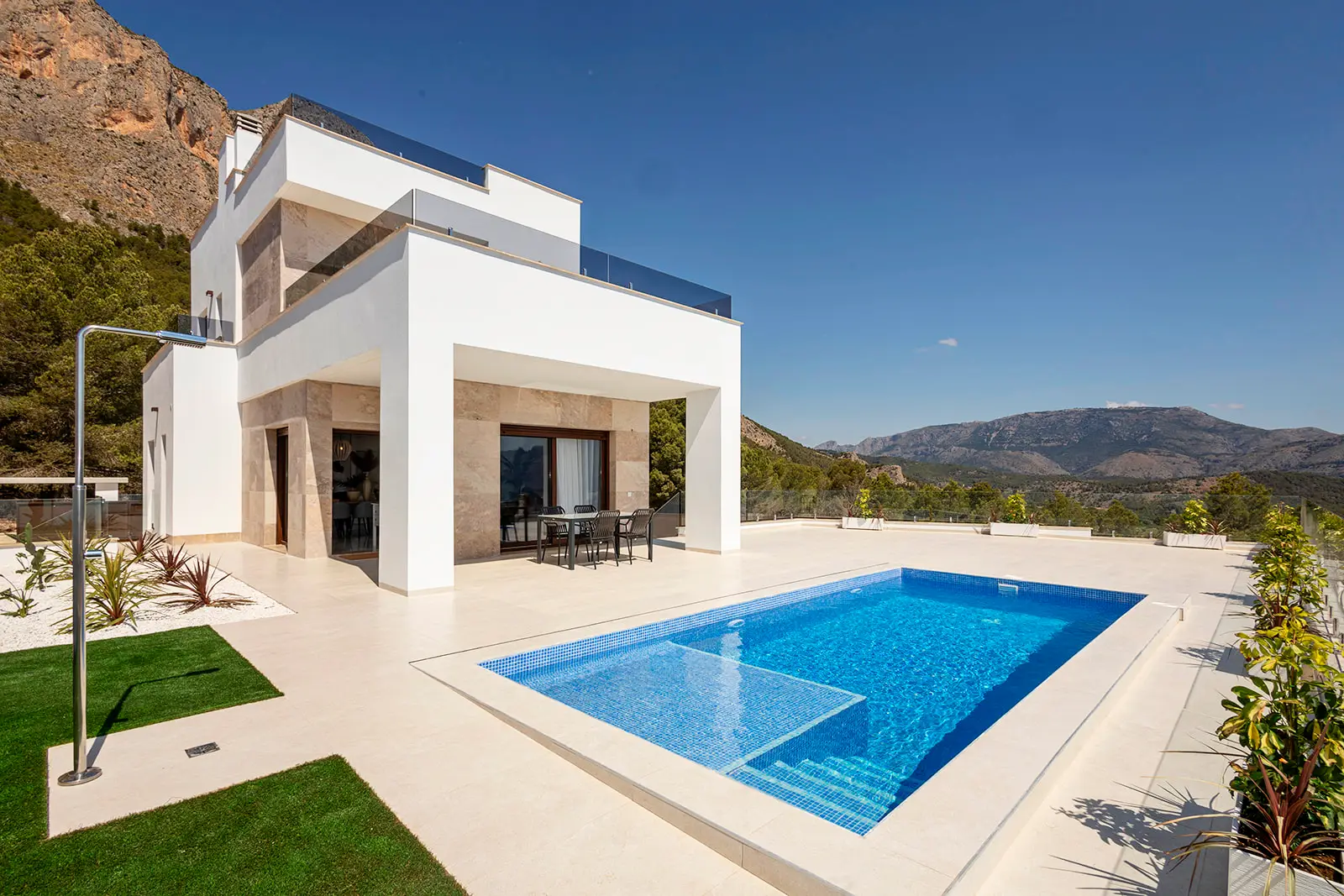
New-build projects in Polop
View all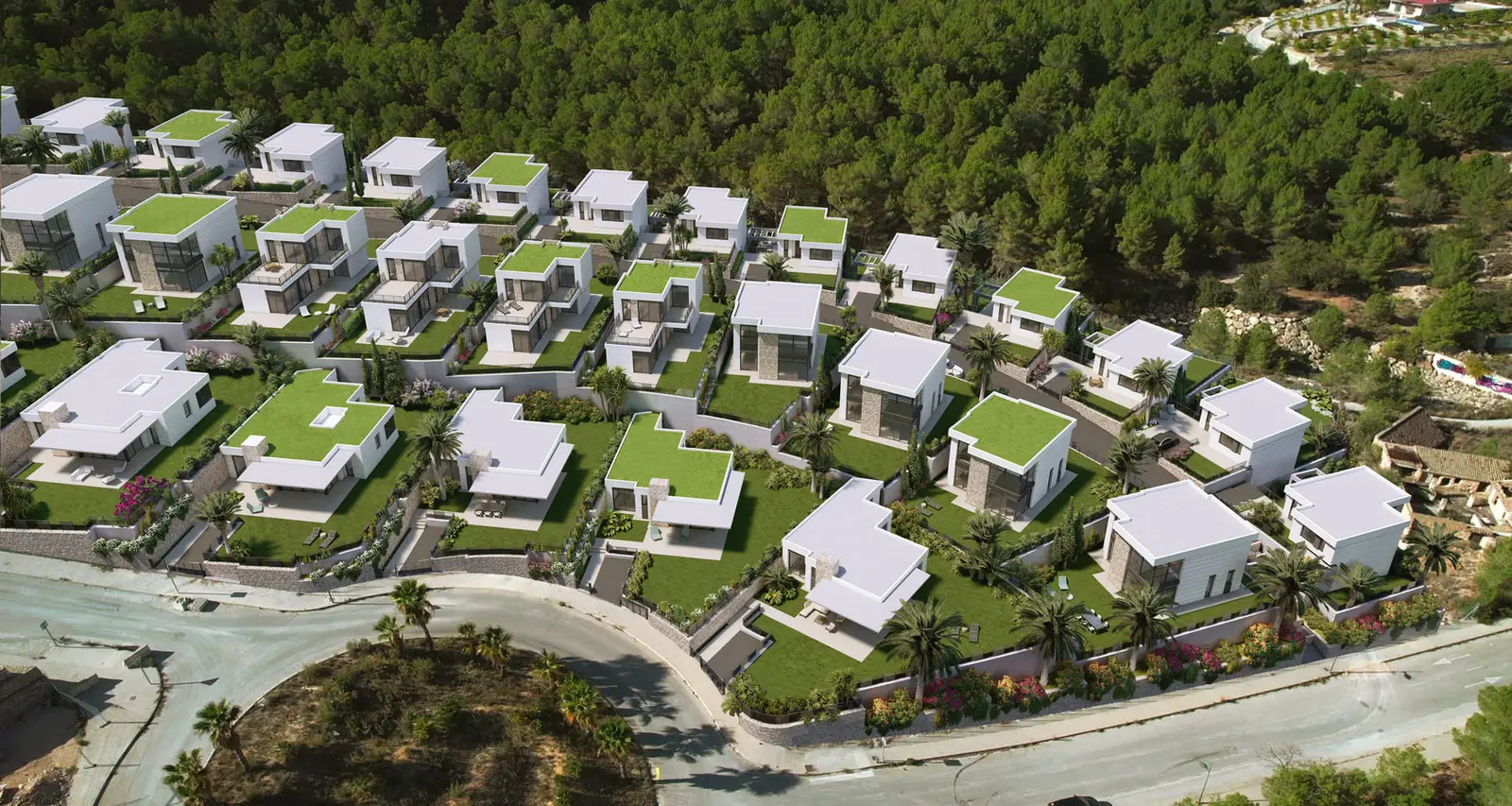
Frequently Asked Questions
Is Polop a good place to live as an expat?
↓
Polop suits expats who want inland Costa Blanca living with cooler summers than the coast. The town has established northern European communities, English-friendly local services and easy access to Benidorm and Alicante. veritySpain's average project score of 7.1 out of 10 reflects solid but not exceptional development quality in the area.
What is the cost of living in Polop, Spain?
↓
Polop is less expensive than the coastal resort strip. Weekly market produce is cheap, and the nearest Mercadona is in La Nucía, a few minutes away. Monthly running costs for a mid-range villa, covering community fees, utilities and rates, typically fall between €600 and €1,000, depending on property size and whether there is a private pool.
What is the climate like in Polop?
↓
Polop receives more than 300 sunny days per year. Winters are mild, with January highs around 16°C. Summer afternoons reach the low-to-mid 30s, cooler than the coast below because of the town's elevation of around 300 metres. Autumn can bring heavy rain from the gota fría weather pattern. Frost is rare.
Are there English-speaking doctors near Polop?
↓
English-speaking healthcare is accessible near Polop. Private clinics in Benidorm and Altea offer consultations in English, and Hospital Marina Salud in Dénia is the nearest full-service hospital. The public primary care centre is in La Nucía. Most expats in the area take out private health insurance to supplement or replace the public system.
Are there international schools near Polop?
↓
Laude Lady Elizabeth School in La Nucía offers a British curriculum from early years through A-Level and is within ten minutes of Polop by car. Several other international and bilingual schools operate in the Benidorm-Alfaz del Pi corridor. State schools in the area use Valencian as a primary teaching language alongside Spanish.
What taxes do expats pay when buying property in Polop?
↓
New-build property in Spain attracts IVA at 10 percent. Resale purchases are subject to ITP transfer tax, set at 10 percent in the Valencian Community. Additional costs include notary fees, land registry fees and legal fees. Total acquisition costs beyond the purchase price typically amount to 12 to 14 percent. Engage a local solicitor before signing any contract.
What is the expat community like in Polop?
↓
Polop has a well-established expat community of British, Dutch, German and Scandinavian residents. Social life centres on walking groups using local mountain trails, cycling clubs and restaurant gatherings in the old town. Resident associations are active. Foreign-born residents make up a significant share of the municipality's registered population according to INE padron data.