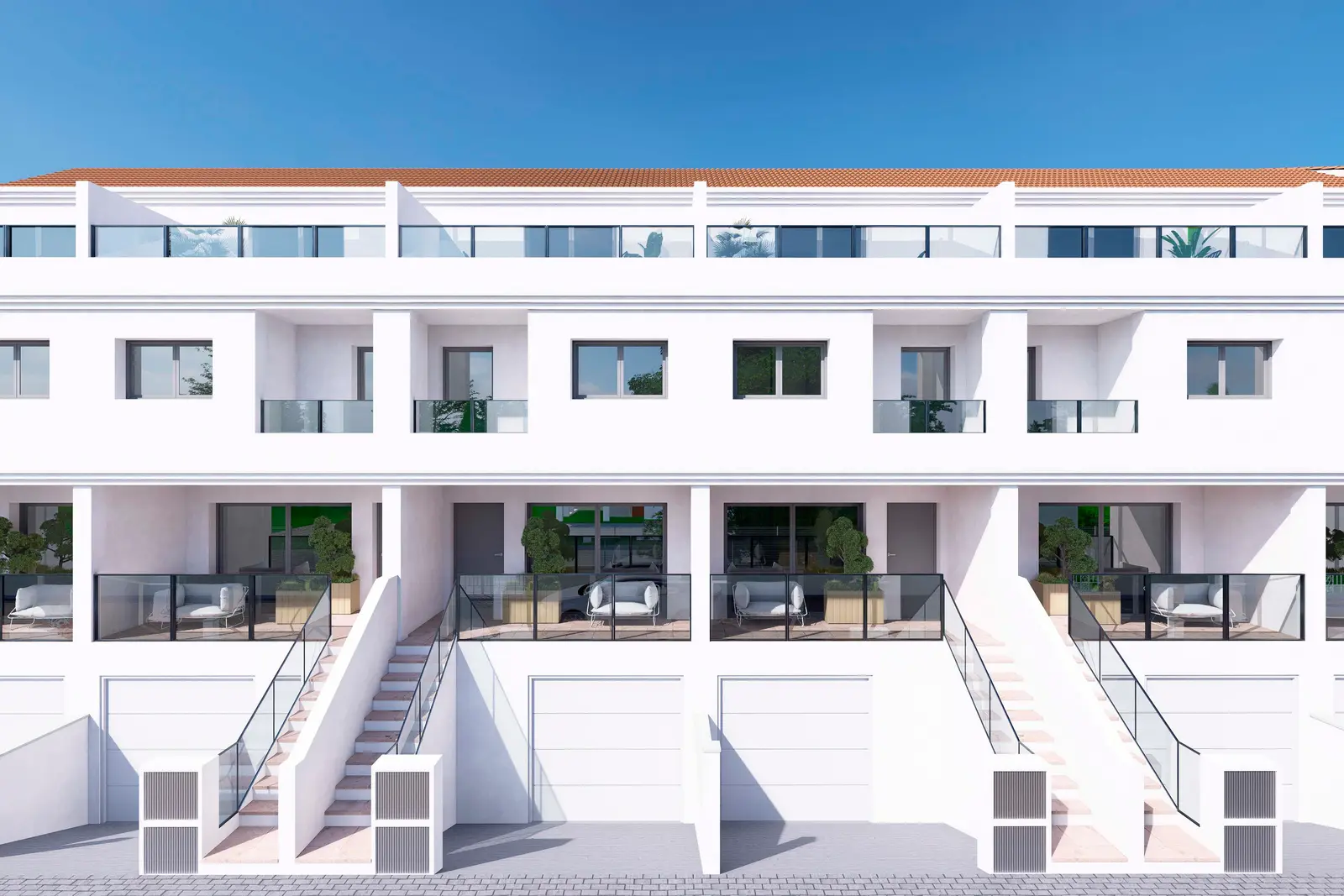
Living in Rafal as an expat means 7.3/10-rated projects and €269k–€415k prices. Climate, healthcare, schools and community guide for inland Alicante.
Living in Rafal as an expat means choosing a small inland municipality in Alicante province where veritySpain has analysed two residential projects scoring an average of 7.3/10, with prices in the €269k–€415k band. Rafal sits in the Vega Baja del Segura comarca, roughly 35 km from Alicante city and about 20 km from the beaches at Guardamar del Segura. The climate is continental-Mediterranean: hot, dry summers and mild winters that rarely see frost. For buyers who prefer a genuine community over a purpose-built resort strip, the town delivers a rhythm of daily life that is distinctly Spanish. It is small, quiet, and unhurried.
Climate and outdoor life
300 days of sunshine per year is the figure most commonly cited for the Costa Blanca interior, and Rafal sits within that belt. Summer highs regularly reach 36–38 °C in July and August; the trade-off is virtually no coastal humidity. Winter is the real draw for northern Europeans: January averages close to 11 °C by day, and days of hard rain are few. The Segura river plain means the landscape is agricultural rather than coastal, with orange and lemon groves framing the roads out of town. There are no beaches within the municipality itself. Residents typically drive to Guardamar or Torrevieja for the coast, a journey of 20–25 minutes. Cycling and walking routes follow the river; infrastructure is improving but remains limited compared to resort towns.
Cost of living and day-to-day practicalities
Rafal operates on inland Alicante pricing, which sits below coastal resort levels across most categories. Supermarkets, bars and local markets price at broadly Spanish national norms rather than tourist premiums. The weekly market in Rafal and the larger covered market in nearby Almoradí offer fresh produce at competitive prices. International supermarket chains, including Lidl and Mercadona, are accessible in Orihuela, roughly 10 km away. INE municipal data records Rafal's population at around 3,000 residents, giving context to its limited local retail offer. Public transport links to Alicante and Murcia exist but are infrequent; a car is effectively essential. Property transaction costs follow standard Spanish rules: non-resident buyers pay ITP (transfer tax) in the 7–10% range depending on Valencian Community rates, plus notary and registry fees.
Healthcare and education
Healthcare access for residents and registered expats runs through the Valencian Health system (Conselleria de Sanitat). The nearest full hospital is the Hospital Vega Baja in Orihuela, about 12 km from Rafal. A local health centre (centro de salud) handles primary care within the town. Private health insurance is widely used by expats, with Sanitas, Adeslas and Asisa all operating in the Vega Baja zone; premiums are generally lower than UK or northern European equivalents. For schooling, the town has a state primary school. Secondary students travel to Orihuela or Almoradí. International and bilingual schools are accessible in the wider Orihuela Costa corridor, including options aimed at English and Dutch-speaking families, though they require a daily commute.
Expat community and integration
2 veritySpain-rated projects represent a modest but growing developer footprint in Rafal, consistent with the broader pattern across inland Vega Baja where northern European buyers have moved away from the coast seeking value and authenticity. The town has an established Dutch and British presence, smaller than Torrevieja or Rojales but tangible: informal social groups, a church service in English in nearby San Fulgencio, and Spanish language classes run by local associations. veritySpain editorial research notes that buyers in this sub-market tend to be full-time relocators rather than holiday-home purchasers, which shapes the social infrastructure differently from resort zones. Integration into local life is easier when the expat population is not overwhelming. Ayuntamiento services are in Spanish; NIE registration, empadronamiento and local taxes follow standard Valencian Community procedures.
Key takeaways
- Rafal offers inland Alicante living at below-coast pricing, with two veritySpain-rated projects averaging 7.3/10.
- The climate is hot and dry in summer with mild winters, but beaches require a 20–25-minute drive to the coast.
- A car is essential: public transport to Alicante and Murcia is infrequent, and most services are in nearby Orihuela.
- Healthcare runs through the Valencian system; the nearest full hospital is Hospital Vega Baja, about 12 km away.
- The expat community is real but small, skewing toward full-time residents rather than seasonal visitors.
The market in numbers
New-build projects in Rafal
View all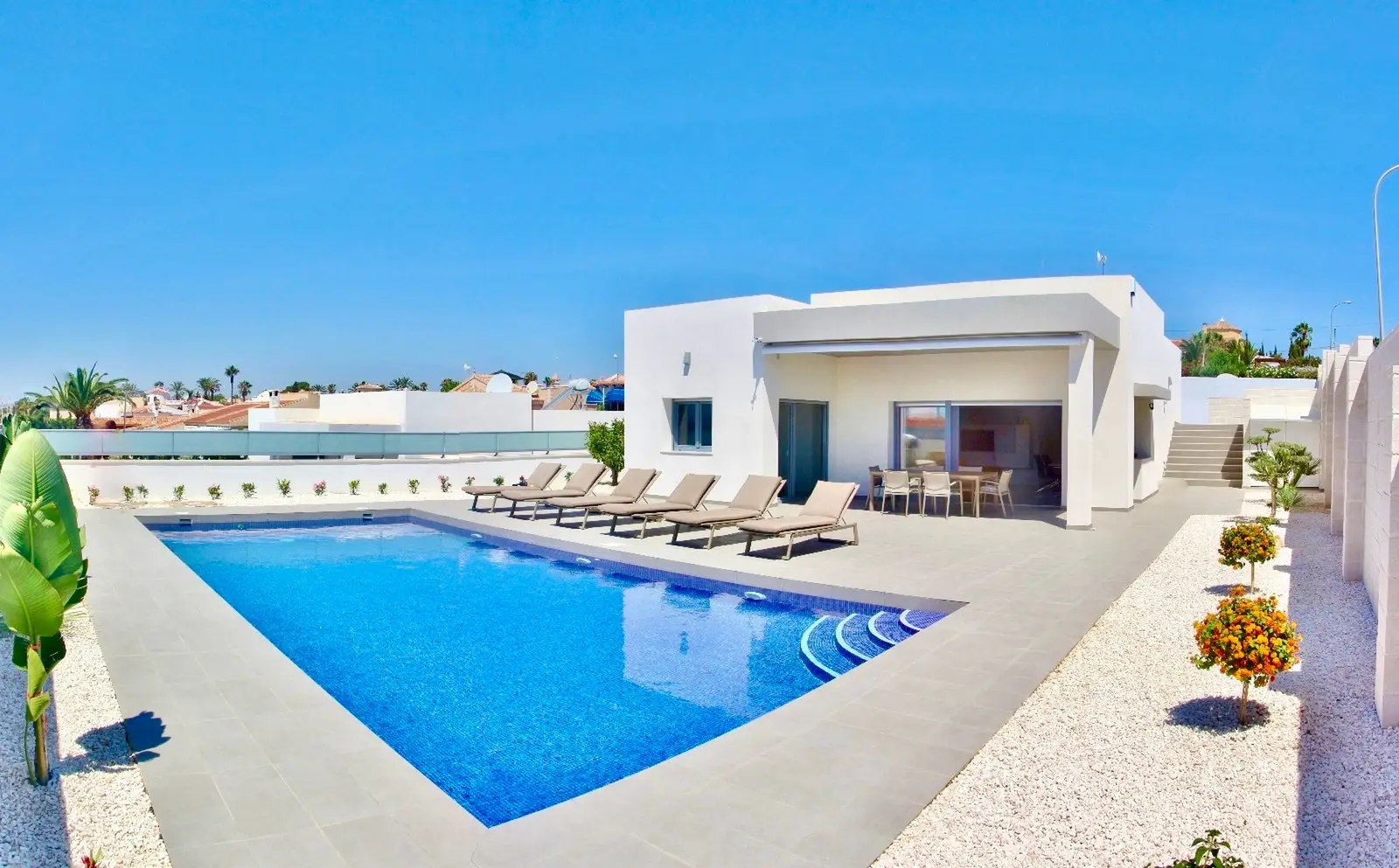
Frequently Asked Questions
Is Rafal a good place for expats to live?
↓
Rafal suits expats who want an authentic small-town Spanish environment in inland Alicante rather than a resort strip. Prices sit below coastal levels, the climate is Mediterranean, and a modest northern European community is already established. The town is small, so services are limited; Orihuela and Almoradí cover most day-to-day needs within a short drive.
How far is Rafal from the beach?
↓
Rafal has no beach of its own. The nearest coastal options are Guardamar del Segura and Torrevieja, both roughly 20–25 minutes by car. The town sits in the Segura river plain, an agricultural interior landscape rather than a coastal one, which is part of its appeal for buyers seeking lower prices and a quieter pace.
What is the cost of living in Rafal for expats?
↓
Day-to-day costs follow inland Spanish norms, which are lower than in coastal resort towns. Local markets, bars and supermarkets price at national rather than tourist rates. International chains such as Mercadona and Lidl are accessible in nearby Orihuela. Property prices in veritySpain-tracked projects range from €269k to €415k for new builds in the municipality.
What healthcare is available in Rafal?
↓
Rafal has a local health centre (centro de salud) for primary care. The nearest full hospital is Hospital Vega Baja in Orihuela, about 12 km away, serving the Vega Baja comarca. Most expat residents also hold private health insurance; providers including Sanitas, Adeslas and Asisa operate in the area, typically at lower premiums than northern European equivalents.
Are there international schools near Rafal?
↓
The town itself has a state primary school; secondary students travel to Orihuela or Almoradí. International and bilingual school options exist in the broader Orihuela Costa corridor and are popular with English and Dutch-speaking families. These schools require a daily commute from Rafal, so transport logistics matter when choosing a property.
Do I need a car to live in Rafal?
↓
Yes, a car is effectively essential. Public transport connections to Alicante and Murcia exist but are infrequent, and the nearest large supermarkets, hospital and secondary schools are in Orihuela, roughly 10 km away. The town is too small to meet all day-to-day needs on foot, and there are no beach connections by public transport.
What is the expat community like in Rafal?
↓
Rafal has a small but established northern European presence, predominantly Dutch and British. Unlike larger resort towns, the community is composed mainly of full-time residents rather than holiday visitors, which creates a more integrated social environment. Informal groups, English-language church services in nearby San Fulgencio and Spanish language classes run by local associations all serve the expat population.