Property investment in Santa Pola analysed: 3 new-build projects scored 7.9/10, prices €245k–€375k. Rental demand, infrastructure, risks and key data.
Property investment in Santa Pola commands attention from buyers who track Costa Blanca data closely. veritySpain has analysed 3 new-build projects in the town, awarding an average score of 7.9 out of 10, with prices running from €245,000 to €375,000. That price range places Santa Pola below neighbouring Alicante city for comparable square metres, while the town's year-round salt-flat microclimate and ferry connection to Tabarca Island underpin consistent occupancy across the calendar. The municipality sits 20 kilometres south of Alicante airport. For buyers who weigh yield alongside capital preservation, that positioning matters.
Market context and price positioning
€245,000 to €375,000 is the live new-build bracket in Santa Pola, according to veritySpain project data, June 2026. The lower end of the range applies to two-bedroom apartments close to the salt lagoons; the upper end reflects sea-view units in developments within walking distance of the Gran Playa. Spanish property transaction volumes across the Costa Blanca south corridor have held up since 2022, with coastal Alicante province consistently ranking among the top regions by foreign buyer share, as reported by Registradores de España in their quarterly property statistics. Santa Pola sits within that corridor. The absence of a high-speed rail stop keeps values moderate compared to Benidorm or Alicante city, yet road access via the N-332 and AP-7 motorway takes under 25 minutes to the provincial capital.
Rental market and occupancy dynamics
Santa Pola operates a dual rental season. Summer demand peaks from late June through September, driven by Spanish domestic tourism from Madrid and the Meseta, where the dry inland heat pushes families toward the coast. Off-season demand is different in character: retirees from northern Europe, particularly Germany and the Netherlands, use the town as a winter base because daytime temperatures rarely drop below 14 degrees Celsius between October and April. That shoulder-season floor matters for investors. Spain's national statistics institute, INE, publishes overnight-stay data by municipality; Santa Pola consistently records registered tourist accommodation activity outside the core summer months, a pattern that distinguishes it from purely seasonal resorts further south. Licensing rules under the Comunitat Valenciana's tourism decree affect short-term rental registration; buyers should verify the licence category with the local ajuntament before completing.
Infrastructure and the Tabarca factor
3 kilometres of beach front, a working fishing harbour, and the only regular ferry service to Isla Tabarca, Spain's smallest permanently inhabited island, give Santa Pola a specific tourism identity. The ferry is a municipal concession and runs year-round, not only in summer. Tabarca is a protected marine reserve, which limits competing development on that corridor. The salt flats, the Parque Natural de las Salinas de Santa Pola, border the western edge of the urban area and are listed under European Union Natura 2000 protection, ruling out industrial or large-scale residential encroachment. For property investors, protected natural boundaries have historically compressed supply growth in comparable Spanish coastal towns. The local population of around 35,000 supports permanent retail and medical infrastructure, reducing the ghost-town risk that affects smaller resort municipalities in the low season.
Risks and considerations
Any investment analysis that omits risk is marketing copy. Santa Pola's price appreciation track is moderate, not spectacular: the town is not a prime luxury market and is not positioned to become one. The three new-build projects veritySpain scored at 7.9/10 represent limited supply, which can mean both pricing firmness and fewer comparable transactions for future resale valuations. Spain applies IVA at 10% on new-build purchases and Impuesto de Transmisiones Patrimoniales on resale transactions, costs that compound the acquisition price. Foreign buyers face additional currency-exchange exposure if their income is not in euros. Mortgage availability from Spanish lenders for non-resident buyers has tightened relative to the pre-2020 period, as noted in general terms by the Banco de España in its annual financial stability review. Finally, short-term rental income depends on successful licensing under Valencian regional law, and regulatory frameworks have been tightening across Spain's most active tourist markets.
Key takeaways
- veritySpain scores Santa Pola new-build projects at 7.9 out of 10 across 3 analysed developments.
- New-build prices range from €245,000 to €375,000, placing the town mid-market on the Costa Blanca south corridor.
- Year-round tourism, anchored by the Tabarca ferry and the winter-sun retiree segment, supports off-peak rental demand.
- Protected natural boundaries, including the Natura 2000 salt flats, limit competing supply growth to the west of the urban area.
- Buyers must budget for 10% IVA on new builds, verify short-term rental licensing under Valencian law, and assess non-resident mortgage terms independently.
The market in numbers
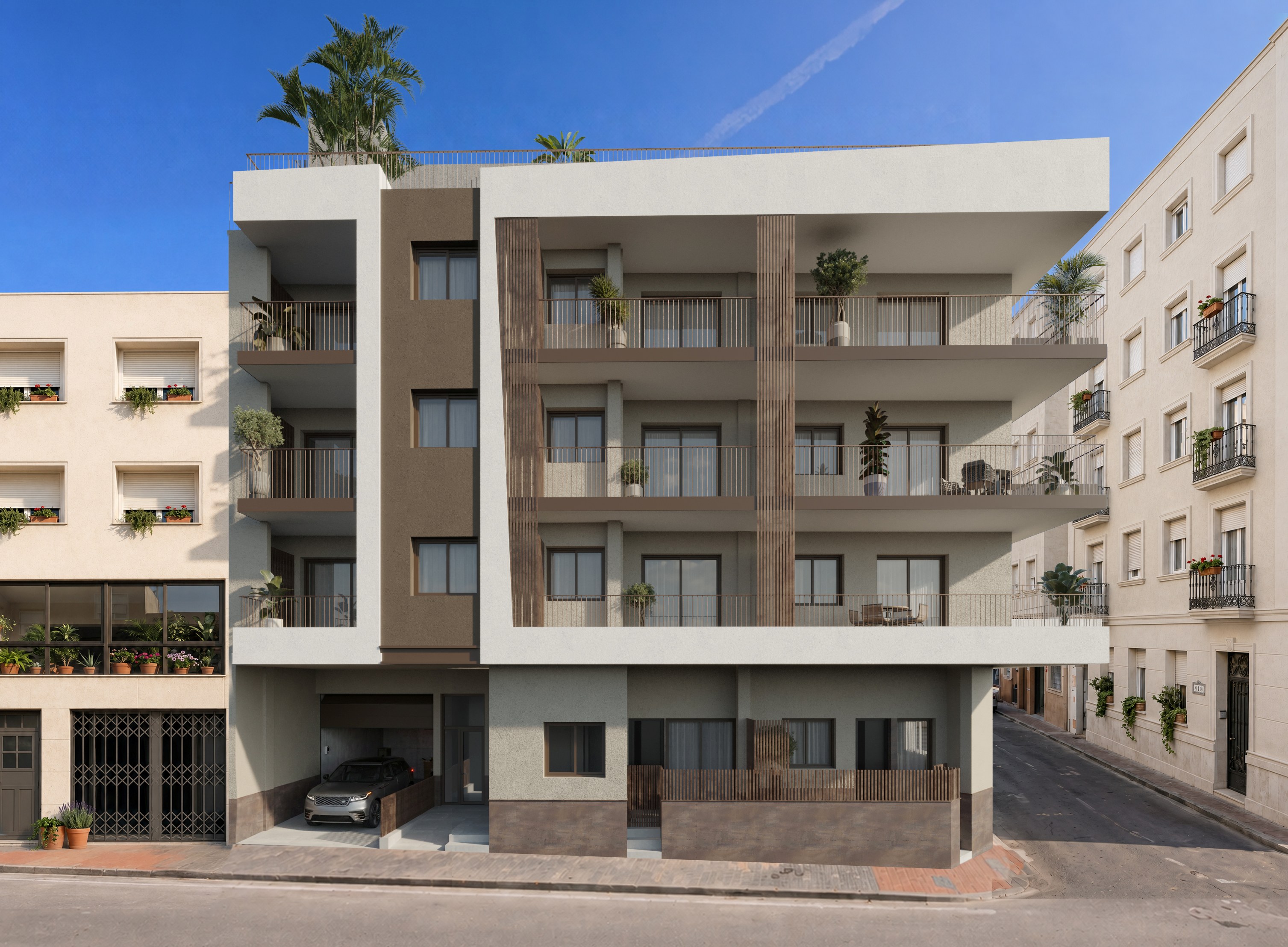
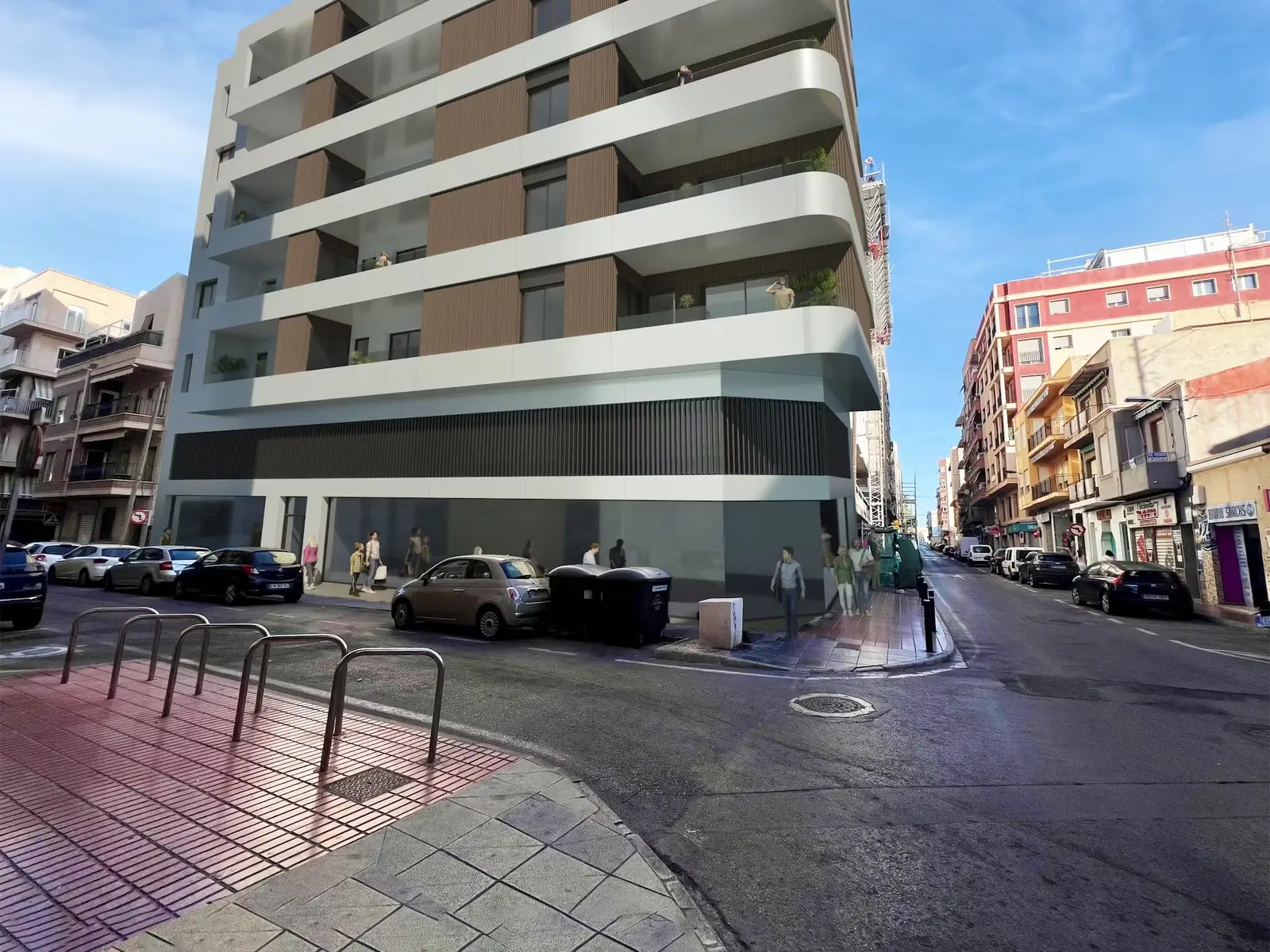
New-build projects in Santa Pola
View all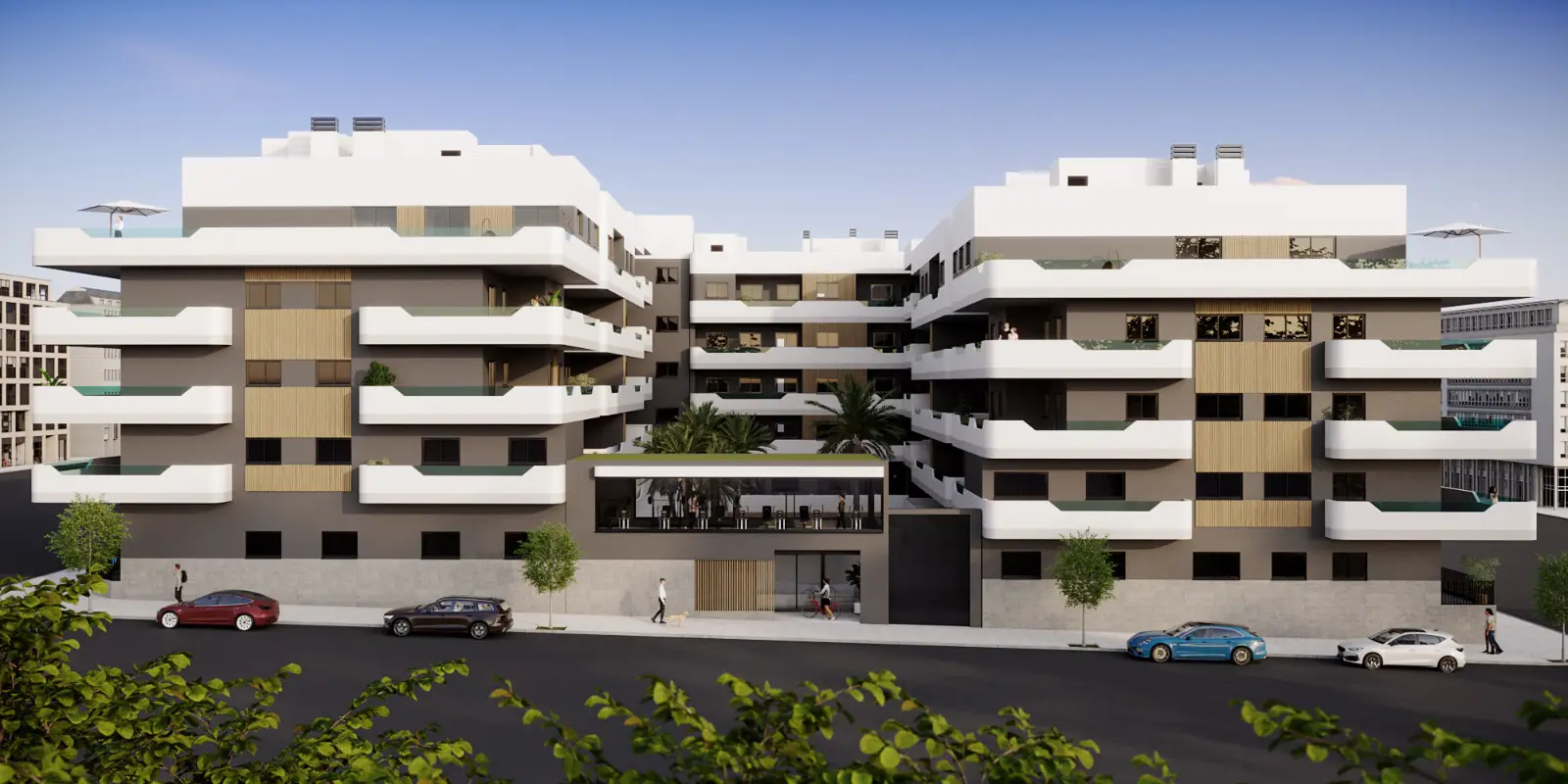
Frequently Asked Questions
What is the average price for new-build property in Santa Pola?
↓
New-build prices in Santa Pola currently range from €245,000 to €375,000 according to veritySpain project data. The lower end covers two-bedroom apartments near the salt lagoons, while the upper end reflects sea-view units. Buyers should add 10% IVA and notary and registration costs on top of the listed purchase price.
Is Santa Pola a good place to invest in property?
↓
veritySpain rates Santa Pola new-build developments at an average of 7.9 out of 10. Year-round tourism, a permanent population of around 35,000, and protected natural boundaries that limit supply growth are structural positives. Risks include moderate price appreciation and tightening short-term rental licensing rules under Valencian regional law.
Can I rent out my property in Santa Pola short-term?
↓
Short-term rentals in Santa Pola require a Valencian tourism licence from the local ajuntament. The Comunitat Valenciana has tightened its registration requirements in recent years. Buyers should confirm licence eligibility and any homeowners-association restrictions before purchase, as unlicensed tourist lettings carry administrative penalties under Spanish law.
What taxes apply when buying property in Santa Pola?
↓
New-build purchases in Spain attract IVA at 10% plus Actos Jurídicos Documentados (stamp duty), typically around 1.5% in the Valencian Community. Resale properties attract Impuesto de Transmisiones Patrimoniales instead of IVA. Notary, land-registry, and legal fees typically add a further 1–2% to the total acquisition cost.
How far is Santa Pola from Alicante airport?
↓
Santa Pola is approximately 20 kilometres south of Alicante-Elche airport, with road access via the N-332 or AP-7 motorway taking under 25 minutes in normal traffic. The proximity to an international airport with year-round routes from northern Europe supports both owner use and rental demand for foreign buyers.
What makes Santa Pola different from other Costa Blanca towns?
↓
Santa Pola has a year-round ferry connection to Isla Tabarca, a protected marine reserve that generates consistent visitor traffic beyond the summer peak. The Parque Natural de las Salinas salt flats, protected under EU Natura 2000 rules, border the town and rule out large-scale development to the west, which constrains future supply growth.
Is the rental market in Santa Pola seasonal?
↓
Santa Pola has a dual rental market. Summer months attract Spanish domestic tourists. The October-to-April period draws northern European retirees, particularly from Germany and the Netherlands, who use the town as a winter base. This shoulder-season demand reduces the full-vacancy risk common to purely seasonal resort municipalities on the Spanish coast.