
Living in Torrevieja as an expat means 320 sunny days, prices from €140k and practical infrastructure. Key facts on cost of living, healthcare and communities.
Living in Torrevieja as an expat puts you in a city of roughly 100,000 registered residents on Spain's Costa Blanca south coast, where properties currently listed on veritySpain range from €140,000 to €1,630,000 across 48 analysed projects scoring an average 7.7 out of 10. That range reflects a market unusually broad in its offer: a one-bedroom flat steps from the seafront sits at the lower end, while a large villa with private pool and sea views approaches the ceiling. The local economy rests on year-round tourism, commercial fishing and a salt-extraction industry dating back centuries, which together produce a cost of living meaningfully lower than Madrid or Barcelona. For buyers considering a permanent or semi-permanent move, the practical infrastructure matters as much as the price tag.
Climate and daily life
Torrevieja records roughly 320 sunny days per year according to AEMET, Spain's national meteorological agency, making it one of the sunniest municipalities in continental Europe. Winters are mild: January averages around 10-12 degrees Celsius at night, rarely dropping below 5. That climatic stability is a primary driver for northern European retirees. Salt lakes sit on both sides of the town, and the microclimate is often cited by residents as contributing to low humidity even in summer. Shopping is straightforward: a large Mercadona, Lidl and Aldi all operate within the urban area, and the Friday market in the Habaneras district draws thousands of shoppers. The old town retains a working-class Spanish character. Restaurants and bars in the centre serve local clientele, not only tourists, keeping prices grounded.
Cost of living
Grocery bills in Torrevieja run noticeably lower than in Valencia or Alicante city. A weekly shop for two at a mainstream supermarket typically costs less than in most northern European capitals, though precise figures vary with habits. Utility costs are broadly in line with the Spanish average, which the Instituto Nacional de Estadistica (INE) tracks as part of its household expenditure surveys. Rental prices for a two-bedroom flat in the residential interior start well below comparable coastal towns further north on the Costa Blanca. The Spanish IVA rate of 10 percent applies to new-build purchases; resale properties carry ITP (transfer tax) set at the regional rate for Valencia, currently 10 percent. Annual property taxes (IBI) are calculated on the cadastral value, which in Torrevieja tends to lag behind market prices, keeping holding costs moderate. Owners of vehicles pay the standard Impuesto sobre Vehiculos de Traccion Mecanica to the local council.
Healthcare and public services
The main public hospital serving Torrevieja is Hospital de Torrevieja, part of the Valencian Health Service (Conselleria de Sanitat), which sits roughly three kilometres from the centre. EU citizens registered on the padron (municipal census) can access public healthcare under the same conditions as Spanish nationals. Registration on the padron is a legal requirement for anyone residing more than 183 days per year in Spain, and it also unlocks access to subsidised language classes and social services. Private health insurance is widely used by expats who want shorter waiting times: monthly premiums for a healthy adult under 65 start at figures the Banco de España notes are well below the European average, though policy terms vary considerably. Dental care is excluded from the public system for adults beyond emergency treatment, so private dental cover or out-of-pocket payments are standard. Pharmacies are dense across the urban area, and many pharmacists speak English or German.
Schools and international communities
Three broad schooling options exist for expat families: Spanish state schools, semi-private concertado schools (state-funded but with more autonomy), and fully private international schools. The nearest British-curriculum school with IB provision is outside Torrevieja itself, in the Orihuela Costa area roughly 15 kilometres north. Several language academies within Torrevieja offer Spanish-immersion programmes popular with retirees and working-age newcomers. The British community is the largest single expat group by a considerable margin, followed by Germans, Norwegians and a growing contingent of eastern Europeans. A network of social clubs, from amateur theatre to walking groups and golf societies, operates year-round rather than shutting down in October as happens in more seasonal coastal towns. This permanence distinguishes Torrevieja from some smaller Costa Blanca resorts: the population does not evaporate after summer. Property transaction volumes in the area have stayed consistent in recent years, as tracked by Registradores de España, reflecting sustained demand from both domestic and international buyers.
Key takeaways
- veritySpain tracks 48 projects in Torrevieja with an average score of 7.7/10 and prices from €140k to €1,630k.
- AEMET records roughly 320 sunny days per year, and winters are mild with rare frost risk inland.
- New-build purchases carry 10% IVA; resales are subject to the Valencian ITP rate of 10%.
- Hospital de Torrevieja provides public healthcare to padron-registered residents under the Valencian Health Service.
- The expat community is year-round, not seasonal, with British, German and Norwegian groups active throughout the year.
The market in numbers
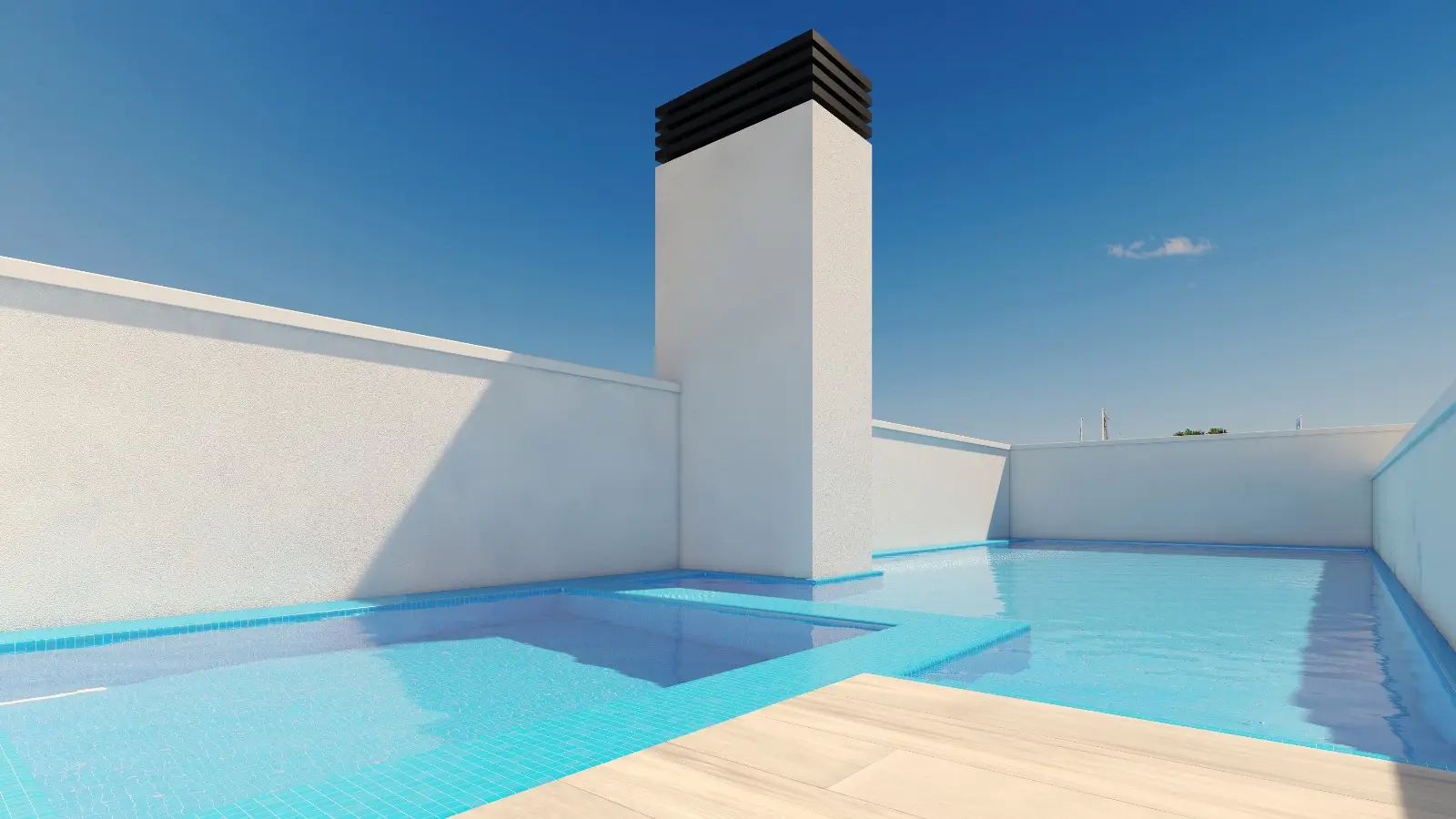
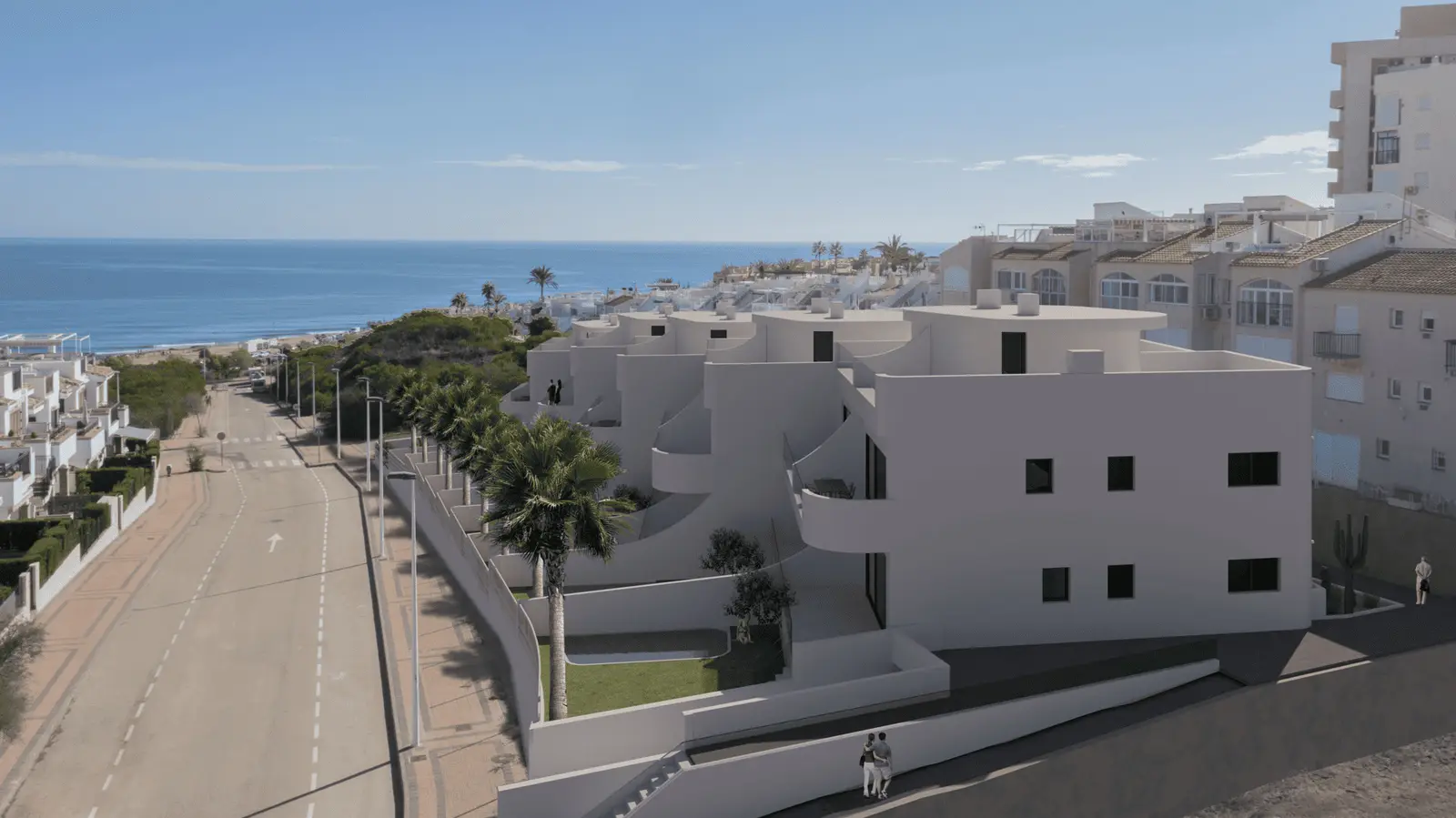
New-build projects in Torrevieja
View all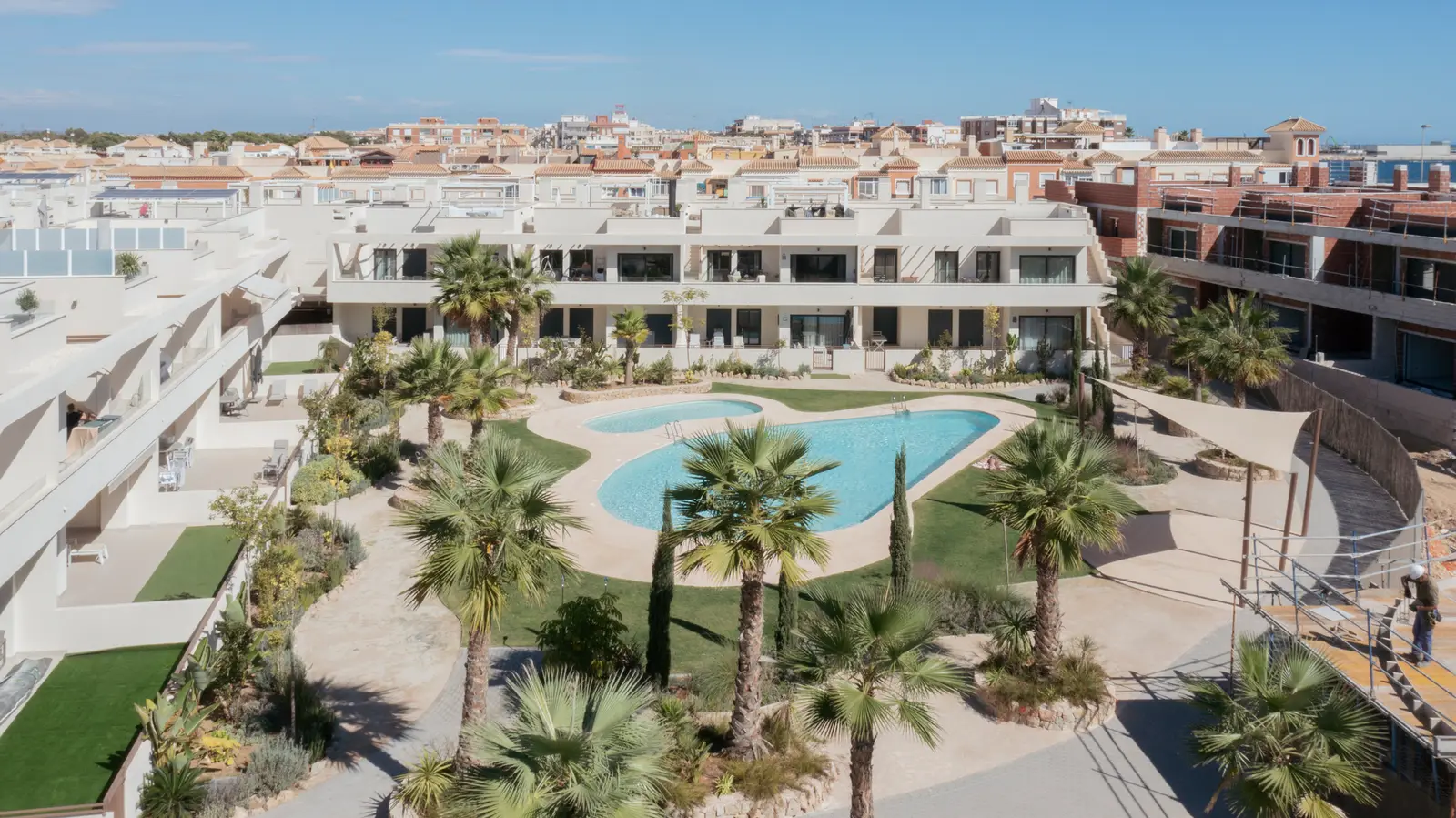
Frequently Asked Questions
Is Torrevieja a good place to live as an expat?
↓
Torrevieja suits expats who want year-round sun, a low cost of living and an established international community. The British community is the largest, but German and Norwegian groups are also active. Public healthcare is accessible after padron registration. Property prices on veritySpain range from €140,000 to €1,630,000 across 48 analysed projects.
How much does it cost to live in Torrevieja?
↓
Everyday costs in Torrevieja run below most northern European cities. Supermarkets like Mercadona and Lidl keep grocery bills modest. Utility costs track the Spanish national average. Rental prices for a two-bedroom flat start well below comparable coastal towns further north, making Torrevieja one of the more affordable permanent-residence options on the Costa Blanca.
What is the healthcare like in Torrevieja for expats?
↓
Hospital de Torrevieja is the main public facility, run by the Valencian Health Service. EU citizens registered on the padron access public healthcare on the same terms as Spanish nationals. Private insurance is widely used for shorter waiting times. Dental care for adults is not covered by the public system, so most expats use private dental plans or pay out of pocket.
What is the weather like in Torrevieja?
↓
AEMET, Spain's national meteorological agency, records roughly 320 sunny days per year in Torrevieja, making it one of the sunniest municipalities in continental Europe. Winters are mild, with January nights averaging around 10-12 degrees Celsius. Summer heat is moderated somewhat by sea breezes and the salt-lake microclimate that keeps humidity lower than comparable coastal towns.
Are there international schools near Torrevieja?
↓
Torrevieja's state schools follow the Spanish curriculum, including concertado semi-private schools. The nearest British-curriculum school with IB provision is in the Orihuela Costa area, roughly 15 kilometres north. Several language academies in town offer Spanish-immersion programmes. Families seeking full English-medium education typically commute to schools in the wider Alicante province.
What taxes apply when buying property in Torrevieja?
↓
New-build purchases in Torrevieja carry Spanish IVA at 10 percent of the purchase price, plus stamp duty (AJD) at the Valencian regional rate. Resale properties are subject to the Valencian ITP (transfer tax), currently 10 percent. Annual property tax (IBI) is set by the local council based on cadastral value, which typically trails market prices, keeping ongoing holding costs relatively moderate.
How large is the expat community in Torrevieja?
↓
Torrevieja has one of the largest proportional expat populations of any Spanish municipality, with British residents forming the single biggest foreign group. Germans, Norwegians and a growing eastern European contingent are also well established. The community is year-round rather than seasonal, sustaining active social clubs, sports groups and amateur societies throughout the calendar, which distinguishes the town from smaller nearby resorts.