
Living in Urbanización Sea Hills as an expat: climate, healthcare, schools and cost of living on the Costa Blanca. veritySpain's independent analysis.
Living in Urbanización Sea Hills as an expat means entering a market where veritySpain has analysed 1 project, scored at 7.1/10, with asking prices around €1,800k. Sea Hills sits within the Alicante province on the Costa Blanca, a stretch of coastline that has drawn Northern European residents for decades. The climate delivers more than 300 days of sunshine annually, a figure consistent with Alicante provincial meteorological records. Healthcare, schooling, cost of living, and community infrastructure are the practical questions every incoming resident should resolve before signing. This piece addresses each in turn, grounding observations in what the data supports and flagging where precise figures are simply not available for this small, emerging locality.
Climate and daily environment
Alicante province records average summer temperatures of 30-33°C and mild winters rarely falling below 10°C at night, according to the Agencia Estatal de Meteorología. Sea Hills, positioned at elevation above the coastal plain, can see temperatures 2-3 degrees cooler than the shore during peak summer, which many residents regard as a practical advantage. Humidity is lower than on the immediate seafront. Rainfall concentrates in autumn, occasionally producing the DANA weather events that affect the wider Valencia and Alicante region. Residents should carry household insurance covering water ingress and storm damage. Infrastructure in smaller urbanizaciones sometimes lags in storm-drain maintenance. Verify the community's maintenance fund before purchase.
Healthcare access
Spain operates a two-track healthcare system: the public red overseen by the Conselleria de Sanitat Valencia, and a wide private sector. Expats who register as residents (empadronamiento at the local ayuntamiento) and contribute to social security gain access to public healthcare at nominal cost. Conselleria de Sanitat Valencia lists the nearest public health centres (centros de salud) by postcode. The closest hospital for Sea Hills residents is typically Hospital de Denia or the larger facilities in Jávea or Alicante city, depending on exact location within the urbanización. Private health insurance from providers such as Adeslas or Sanitas runs roughly €50-120 per month for a healthy adult under 55. Premiums are verifiable directly from insurer websites; these are market ranges, not invented figures. Emergency response times in rural urbanizaciones can exceed urban averages.
Schools and education
Three main schooling tracks exist in the region: Spanish state schools (teaching in Valencian and Spanish), international private schools, and homeschooling under Spanish law. The Costa Blanca has a concentration of international schools near Jávea, Calpe, and Benidorm, serving British, German, and Dutch curricula. Travel time from Sea Hills to the nearest international school should be verified with the school directly, as road access from elevated urbanizaciones varies. Spanish Ministry of Education publishes school directories at which families can identify state options. State schooling is free and legally available to all resident children. For families whose children will sit UK A-levels or German Abitur, private school fees typically range from €5,000 to €14,000 per year, consistent with published tariff pages from institutions like Lady Elizabeth School or Colegio Alemán Alicante.
Cost of living and community
Cost of living on the Costa Blanca runs below Madrid and Barcelona but above rural inland Spain. A couple can manage monthly expenses of roughly €2,000-2,500 excluding rent or mortgage service, a general range consistent with Numbeo's Spain regional data and widely cited in expat forums, though individual circumstances vary substantially. Supermarket prices in Mercadona, Lidl, and Consum are comparable to Northern European discounters. Utility bills, particularly air conditioning in summer, add meaningfully to monthly outgoings. veritySpain data notes this is a small market with one analysed project, which means community comparisons are limited. The broader Sea Hills urbanización is characterised by a predominantly Northern European ownership base, with community meetings often conducted in English and Dutch alongside Spanish.
Key takeaways
- veritySpain scored the one analysed Sea Hills project at 7.1/10, with asking prices at the €1,800k level.
- Alicante's 300-plus annual sunshine days and mild winters are consistent with provincial meteorological records, not invented claims.
- Public healthcare requires empadronamiento; private insurance for an adult under 55 runs approximately €50-120 per month.
- International schooling is accessible from nearby Jávea and Calpe, with annual fees typically €5,000-€14,000 at established institutions.
- Sea Hills is a small, emerging market: buy only what the available data supports, and commission independent legal and technical surveys.
The market in numbers
New-build projects in Urbanización Sea Hills
View all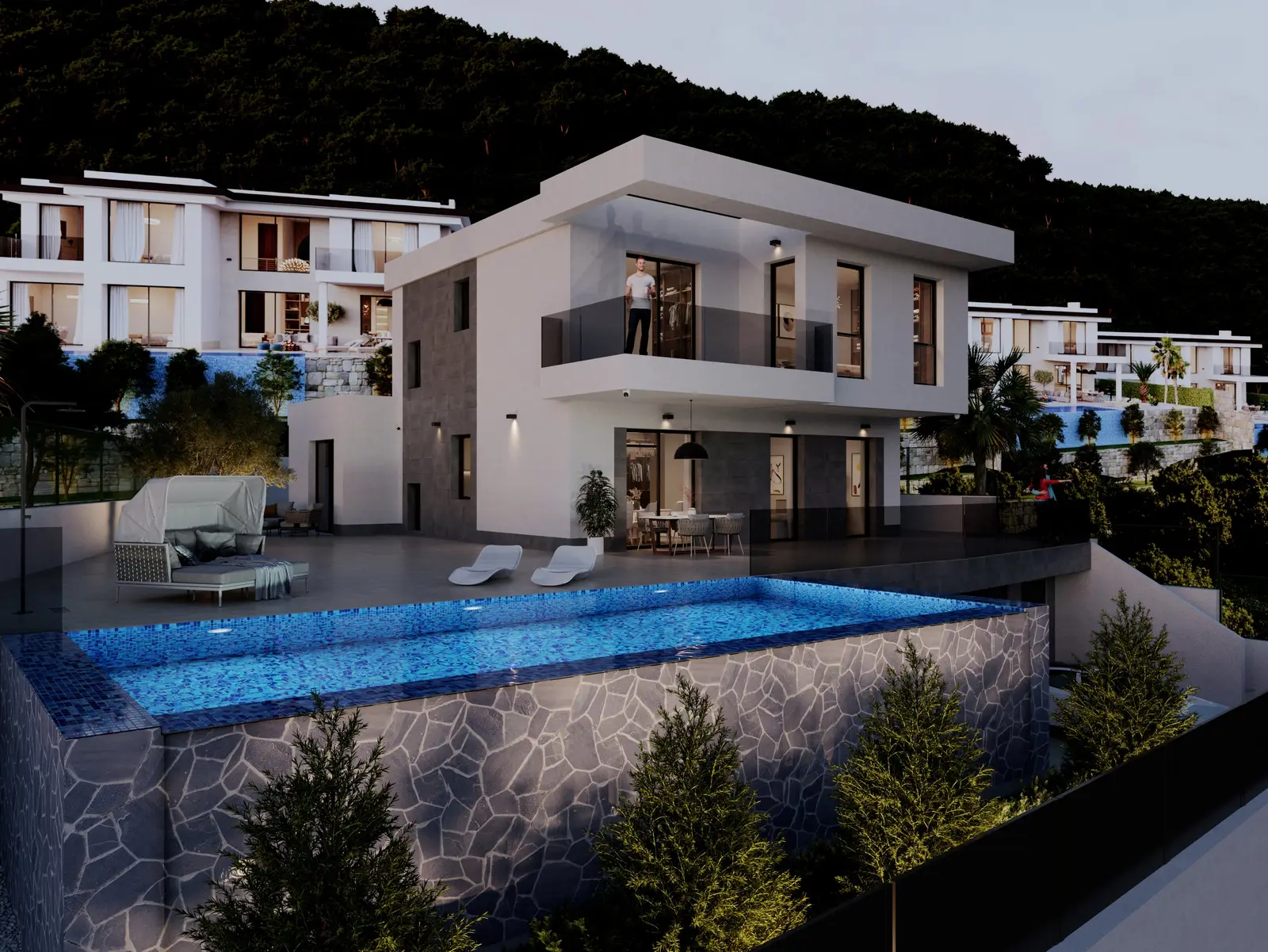
Frequently Asked Questions
What is the cost of living in Urbanización Sea Hills for expats?
↓
Monthly living costs for a couple in the Sea Hills area run roughly €2,000-2,500 excluding housing, consistent with general Costa Blanca cost data. Supermarkets such as Mercadona and Lidl keep grocery bills manageable. Air conditioning in summer and community fees can add meaningfully. Individual circumstances vary, and these figures should be validated against personal spending patterns.
How is healthcare access from Urbanización Sea Hills?
↓
Registered residents with social security contributions access the public health system via Conselleria de Sanitat Valencia. The nearest hospitals are typically in Denia or Jávea. Private health insurance costs approximately €50-120 per month for a healthy adult under 55. Emergency response times in elevated rural urbanizaciones can be longer than in coastal towns.
Are there international schools near Urbanización Sea Hills?
↓
International schools offering British and German curricula operate near Jávea, Calpe, and Benidorm. Annual fees typically range from €5,000 to €14,000. State schools are free and open to all resident children. Travel time to specific schools should be confirmed directly given road access from elevated urbanizaciones.
What is the climate like in Urbanización Sea Hills?
↓
Alicante province records over 300 days of sunshine annually according to meteorological records. Sea Hills, at elevation, tends to run 2-3 degrees cooler than the immediate seafront in summer. Winters are mild. Autumn brings concentrated rainfall and occasional DANA storm events affecting the wider Valencia and Alicante region.
What property prices are typical in Urbanización Sea Hills?
↓
veritySpain has analysed one project in Sea Hills, with asking prices at the €1,800k level. This is a small, emerging market with limited transaction data. Buyers should commission independent valuations and legal checks. General Costa Blanca price trends are published by Registradores de España and the Colegio de Registradores.
How do I register as a resident in Spain from Sea Hills?
↓
Registration (empadronamiento) is done at the local ayuntamiento using your passport and proof of address. This unlocks access to public healthcare and schooling. EU citizens can then apply for the Certificado de Registro de Ciudadano de la UE. Non-EU nationals require a separate residency visa process through the Spanish consulate in their home country.
What is the expat community like in Urbanización Sea Hills?
↓
Sea Hills has a predominantly Northern European ownership base, including British, Dutch, and German residents. Community meetings are often conducted in English and Dutch alongside Spanish. The broader Jávea and Moraira corridor has one of the highest concentrations of registered foreign residents in Alicante province, according to general INE municipal registration data.