
Property investment in Calasparra analysed: €309k–€435k price range, veritySpain scores, rental context, risk factors and comparable inland Murcia towns.
Property investment in Calasparra sits in a price bracket of €309k to €435k, and the two projects veritySpain has assessed here carry an average editorial score of 7.1 out of 10. That score signals credible fundamentals rather than speculative hype. Calasparra is an inland Murcian municipality, roughly 100 kilometres from Murcia city, set in the rice-growing Segura river valley. It is not a coastal resort, so the dynamics differ substantially from costal markets on the Costa Cálida. Buyers who understand that distinction will find a market grounded in agricultural heritage, low population density, and improving road connectivity. Two assessed projects is a small sample. Still, the pricing and scores give a concrete starting point for a considered analysis.
Market context and price positioning
The €309k to €435k range places Calasparra above the regional average for inland Murcia, according to veritySpain data from the current project feed. That pricing reflects either higher-specification build quality, larger plot sizes, or both. Prices in inland Murcia generally run well below coastal equivalents in Cartagena or Mazarrón, so a €309k entry point here buys something materially different from a similar figure at the coast. Transaction volumes across Murcia as a whole are tracked periodically by Registradores de España, and published data shows the region has maintained activity through successive rate cycles. Calasparra's own transaction volume is modest given population size, which keeps the market thin. Thin markets can move quickly in either direction. Buyers should budget for illiquidity when sizing a position.
Rental market and income potential
No rental yield data exists in the veritySpain feed for Calasparra specifically. Honest analysis requires acknowledging that gap rather than filling it with invented figures. What can be said is structural: Calasparra attracts visitors during the annual rice festival and has a secondary draw in its Sanctuary of La Esperanza, which brings pilgrimage tourism. Neither of those demand drivers sustains a high-occupancy short-term rental business across twelve months. Medium-term rentals, seasonal agricultural workers, and long-term residential tenancies are more realistic income scenarios. Spanish rental law, revised under the Ley de Arrendamientos Urbanos, caps certain deposit terms and requires registration of tourist licences with the Región de Murcia. Regulatory compliance is a fixed cost that belongs in any yield calculation before a purchase is made.
Comparable towns and competitive positioning
Cieza, roughly 30 kilometres to the south, is a useful comparison point. It is larger, has better rail access, and typically shows higher transaction frequency per INE 2025 municipal population data. Moratalla, to the northwest, is smaller and more rural still, with lower price points and weaker resale liquidity. Calasparra sits between those two in most respects: more amenities than Moratalla, less infrastructure than Cieza. For investors choosing between inland Murcia towns, this positioning matters. Calasparra's rice denomination of origin (Denominación de Origen Arroz de Calasparra) gives the town a measurable identity anchor that Cieza lacks. Whether that translates into sustained housing demand depends on whether the municipality can attract remote workers or lifestyle buyers in meaningful numbers. Current evidence is limited.
Risks and structural considerations
Water availability is the defining structural risk in the Segura basin. Calasparra's rice cultivation depends on water allocations governed by the Confederación Hidrográfica del Segura, and those allocations face pressure under revised national water plans. A prolonged drought or regulatory reduction in water rights affects not just agriculture but the local economy that supports housing demand. Second, the municipality's population has trended downward over the long term, a pattern visible in INE census series. Population contraction reduces organic housing demand from local buyers. Third, resale risk is real in any market with two tracked projects: exit options are limited if buyer appetite softens. Investors should hold with a five-plus-year horizon and verify planning conditions, community fees, and IBI rates before exchange.
Key takeaways
- veritySpain scores the two assessed Calasparra projects at an average of 7.1 out of 10.
- The current price range is €309k to €435k, above inland Murcia norms, suggesting quality build or larger plots.
- Rental income potential is realistic but modest; the market suits medium-term or long-term tenancies over high-occupancy short-lets.
- Comparable towns Cieza and Moratalla offer useful benchmarks; Calasparra occupies a mid-point in both price and infrastructure.
- Water allocation risk and long-term population trends are the two structural factors that most affect long-hold investment outcomes.
The market in numbers
New-build projects in Calasparra
View all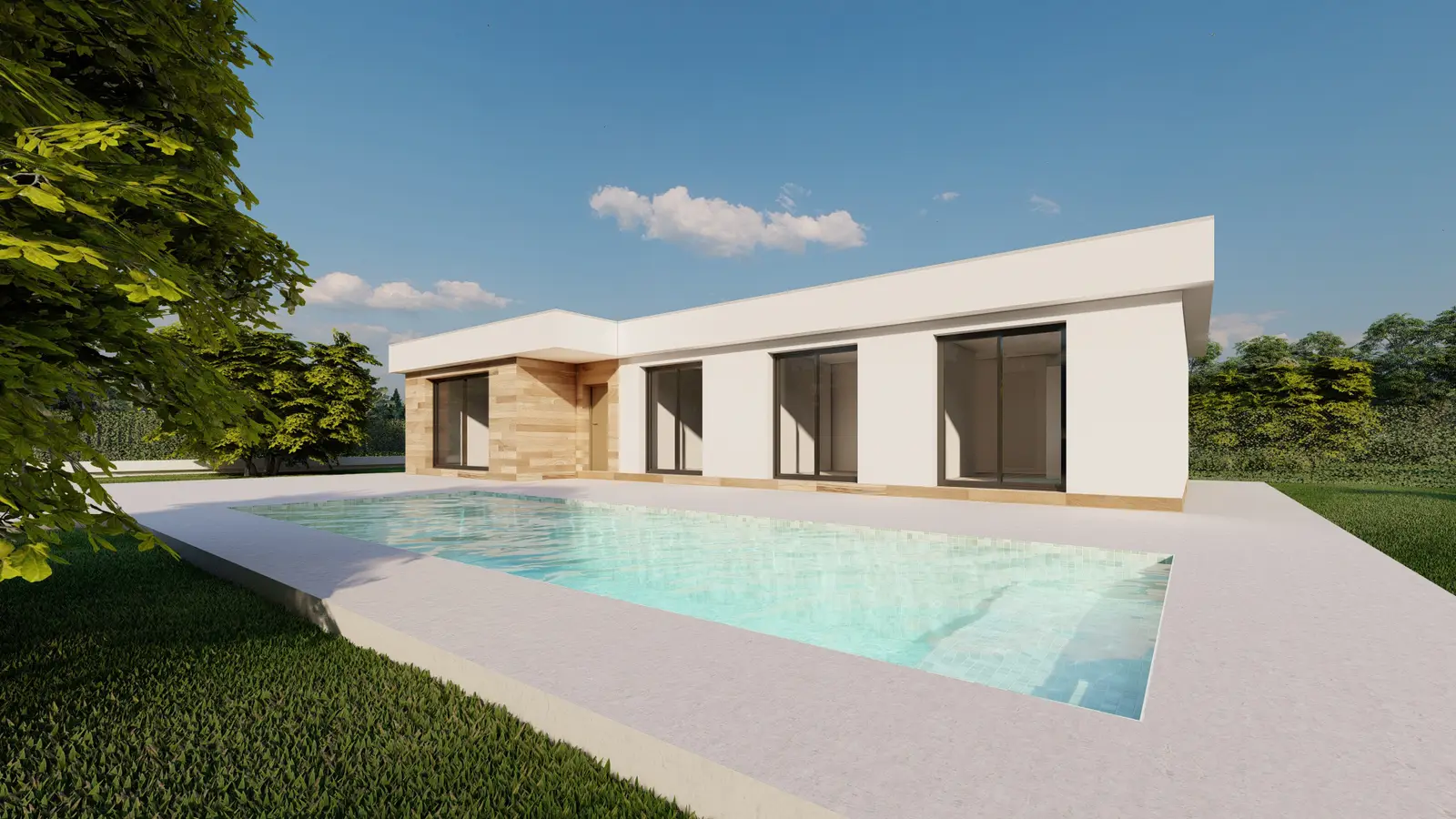
Frequently Asked Questions
Is Calasparra a good place to invest in property?
↓
Calasparra offers a modest but grounded investment case. The two projects assessed by veritySpain average 7.1 out of 10, and prices run from €309k to €435k. The market is thin and illiquid by comparison with coastal Murcia, so buyers need a long hold horizon and realistic expectations about resale speed.
What are property prices in Calasparra?
↓
Based on the projects veritySpain has assessed, property prices in Calasparra currently range from €309,000 to €435,000. This is above the typical inland Murcia average, reflecting either higher build specification or larger plot sizes. The sample is small, so this range should be treated as indicative rather than a market-wide average.
Can I rent out a property in Calasparra?
↓
Short-term holiday lets are possible but seasonal demand is limited. Calasparra attracts visitors for its rice festival and pilgrimage tourism rather than year-round beach tourism. Medium-term and long-term residential rentals are more realistic income strategies. Tourist licence registration with the Región de Murcia is required for short-term rental activity.
How does Calasparra compare to other Murcia towns for investment?
↓
Calasparra sits between Cieza, which is larger with better rail links, and Moratalla, which is smaller with lower prices and weaker liquidity. It has a stronger local identity through its rice denomination of origin. Infrastructure and transaction volumes remain lower than coastal Murcia markets such as Cartagena or Mazarrón.
What are the main risks of buying property in Calasparra?
↓
The three main risks are thin resale liquidity, long-term population decline, and water availability in the Segura basin. Agricultural water allocations in the region face pressure under national water policy revisions. Buyers should verify planning conditions, community fees, IBI rates, and hold with at least a five-year time horizon.
What taxes apply when buying property in Calasparra?
↓
New-build purchases are subject to IVA at 10% plus Actos Jurídicos Documentados. Resale properties attract Impuesto de Transmisiones Patrimoniales, which in Murcia is set by the regional government. Annual ownership costs include IBI (local property tax) and community fees where applicable. Buyers should take independent legal and tax advice before signing any contract.
How many projects does veritySpain cover in Calasparra?
↓
veritySpain has assessed two projects in Calasparra at the time of writing. Both fall within the €309k to €435k price range and average a score of 7.1 out of 10 on the veritySpain editorial scale. Given the small sample size, the analysis here should be read as an early-stage market view rather than a definitive market survey.