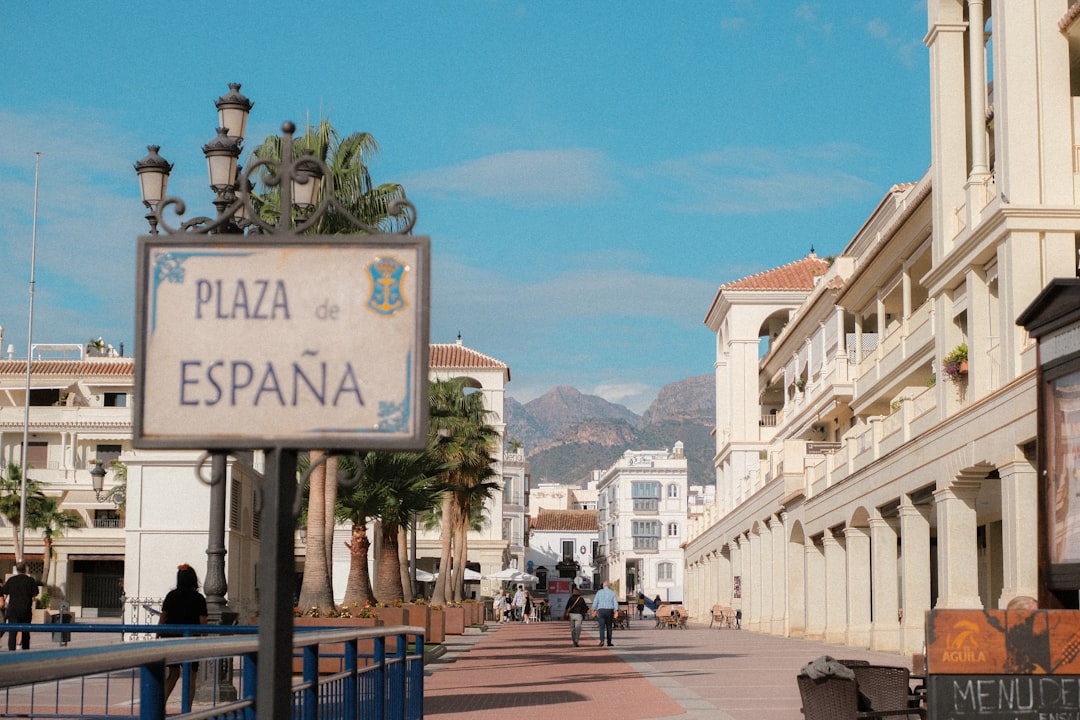
Living in Las Esperanzas as an expat: climate, cost of living, healthcare, schools, and community life in this quiet Murcia locality. veritySpain analysis.
Living in Las Esperanzas as an expat means settling into a quiet residential pocket of Murcia's Costa Cálida, where veritySpain has analysed one project and assigned it a score of 7.8/10, with property in the area priced at €409,000. That figure anchors the market firmly in the mid-to-upper segment for Murcia province. Las Esperanzas is a small locality within the municipality of Fuente Álamo de Murcia, roughly midway between Cartagena and the Mar Menor. It is not a high-density resort strip. Residents here tend to value distance from tourist crowds more than proximity to nightlife, and the area attracts a steady flow of Northern European and British buyers who want a permanent or semi-permanent base in southern Spain without the price premium of the Costa del Sol.
Climate and outdoor life
Murcia records more than 300 days of sunshine annually, a figure confirmed across regional meteorological records. Summers in Las Esperanzas are long and dry, with temperatures regularly exceeding 35 °C between June and September. Winters are mild; frost is rare. That climate shapes daily routine in practical ways. Early mornings are used for activity: walking, cycling, or tending a garden. Midday disappears indoors. The evenings recover with lower temperatures and the social rhythm of the Spanish paseo. The surrounding countryside is arid but not featureless: scrub, almond groves, and the Sierra Minera on the horizon provide the visual register. The Mar Menor and the open Mediterranean coast are both within 20 to 30 minutes by car, offering sailing, windsurfing, and beach access without requiring resort-town proximity. Regional climate data, AEMET (Agencia Estatal de Meteorología).
Cost of living and services
Property at €409,000 in this part of Murcia buys substantially more space than an equivalent budget would yield in Alicante's coastal towns or Mallorca. Running costs follow the same logic. Utility bills, municipal taxes (IBI), and household goods sit below the national average for provincial capitals, according to general cost-of-living indices. Day-to-day shopping is conducted in Fuente Álamo de Murcia or, for a wider selection, in Cartagena (roughly 25 km). The market at Fuente Álamo runs weekly and covers fresh produce, meat, and local goods. Restaurant meals in the area reflect inland Murcia pricing rather than coastal resort pricing: a three-course menu del día typically costs considerably less than equivalent meals in tourist-facing coastal towns. Internet connectivity has improved markedly across the region. Fibre-optic coverage in Murcia province has expanded under national broadband roll-out programmes. Remote workers should verify line availability at the specific address before committing.
Healthcare and education
Spain's public healthcare system, ranked consistently among the top systems in Europe by the World Health Organization, extends to residents throughout Murcia. Registered residents with a NIE (Número de Identificación de Extranjero) and social security affiliation access the public system through the local centro de salud. The nearest public health centre serving the Fuente Álamo municipality is in the town itself; Cartagena's Hospital Santa Lucía provides secondary and specialist care. Private health insurance is widely used by expat residents: premiums for non-smokers under 60 remain affordable by Northern European standards. For families, the local public school provision covers primary level in Fuente Álamo. Secondary schooling draws students into Cartagena. International and bilingual schooling options exist in the Cartagena and Murcia city catchments, with journey times that are realistic for day-school use. Spanish Ministry of Health, public healthcare enrollment guidance for EU and non-EU residents.
Expat communities and integration
Several thousand British, German, and Scandinavian residents are established across the Fuente Álamo municipality and surrounding villages, a pattern visible in local property registries and the presence of English-language services in the commercial area. Voluntary associations, padel clubs, and informal social groups operate in nearby San Javier, Los Alcázares, and Torre-Pacheco, all reachable within 30 to 40 minutes. Integration into Spanish-speaking daily life is straightforward for those willing to acquire working Spanish. The municipality is not heavily anglicised in the way that some coastal resorts are, which is treated as a feature rather than a drawback by the residents who have chosen it. Spanish language classes are available in Cartagena and through municipal adult education programmes. INE Padrón Municipal statistics, foreign resident populations in Murcia municipalities. The NIE and empadronamiento registration process is handled through the Fuente Álamo town hall (Ayuntamiento) and the Cartagena National Police foreigners' office (Oficina de Extranjeros).
Key takeaways
- Las Esperanzas sits within Fuente Álamo de Murcia, roughly 25 km from Cartagena and the Mar Menor coast.
- veritySpain scored the one analysed project here at 7.8/10, with current listing prices at €409,000.
- More than 300 days of annual sunshine, per AEMET records, defines the outdoor lifestyle and daily schedule.
- Public healthcare covers registered residents; international schooling requires commuting to the Cartagena catchment.
- The area suits buyers seeking inland quiet and space rather than resort amenity and high-density coastal living.
The market in numbers
New-build projects in Las Esperanzas
View all
Frequently Asked Questions
What is it like living in Las Esperanzas as an expat?
↓
Las Esperanzas is a quiet residential locality within Fuente Álamo de Murcia, about 25 km from Cartagena. It attracts Northern European and British buyers who want a permanent Spanish base without resort-town density. The pace is unhurried, the climate is warm, and daily services are available in Fuente Álamo town or Cartagena.
What is the climate like in Las Esperanzas, Murcia?
↓
Murcia records more than 300 days of sunshine per year, according to AEMET data. Summers are long and hot, regularly above 35 °C from June to September. Winters are mild with rare frost. The dry, warm climate makes outdoor activity practical for most of the year, with the coast within 20 to 30 minutes by car.
How much does property cost in Las Esperanzas?
↓
veritySpain's current data shows property in Las Esperanzas priced at €409,000 for the project analysed, which received a score of 7.8/10. This mid-to-upper segment price buys considerably more space than an equivalent budget would in coastal Alicante or Mallorca, reflecting the inland Murcia pricing context.
Is healthcare accessible for expats living in Las Esperanzas?
↓
Yes. Registered residents with a NIE and social security affiliation access Spain's public healthcare system through the local centro de salud in Fuente Álamo, with secondary care at Hospital Santa Lucía in Cartagena. Many expat residents also take out private health insurance, which remains affordable compared to Northern European standards.
Are there good schools near Las Esperanzas for expat families?
↓
Public primary schooling is available in Fuente Álamo de Murcia. Secondary education draws students toward Cartagena. International and bilingual school options exist within the broader Cartagena and Murcia city area. Journey times are realistic for daily school use, though families should assess specific school availability before committing to the area.
Is there an expat community in Las Esperanzas and Fuente Álamo?
↓
British, German, and Scandinavian residents are established across the Fuente Álamo municipality, visible in local property registries and English-language commercial services. Social groups, padel clubs, and voluntary associations operate in nearby towns including San Javier, Los Alcázares, and Torre-Pacheco, all within 30 to 40 minutes by car.
What is the cost of living like in Las Esperanzas compared to coastal Spain?
↓
Day-to-day costs in inland Murcia run below the levels typical in coastal resort towns. Weekly markets in Fuente Álamo, lower municipal tax rates, and inland restaurant pricing all reduce running costs relative to heavily touristed areas. Utility costs and household goods track provincial norms rather than inflated coastal resort rates.