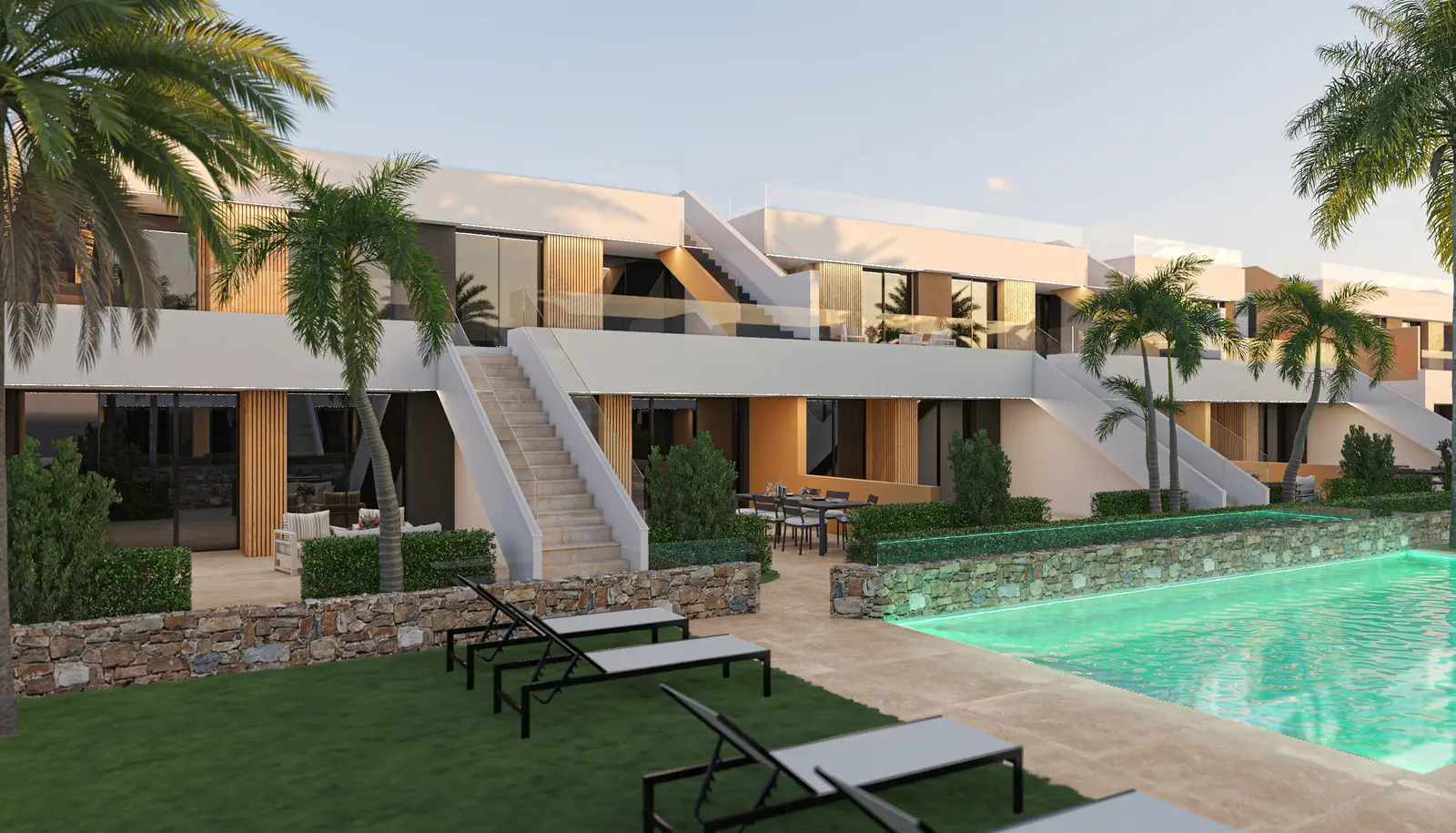
Living in Los Guardianes as an expat means 300 sunny days, a 7.3/10 veritySpain project score, and lower costs than Northern Europe. Read the honest breakdown.
Living in Los Guardianes as an expat starts with one grounding fact: veritySpain has assessed one residential project here, scoring it 7.3 out of 10, with entry-level pricing at €240,000. That single data point tells you something important about this small inland community in Murcia's Costa Cálida hinterland. The resident population is modest, infrastructure is developing, and the pace of life runs slower than the coastal strip around Mar Menor. For relocating households who want proximity to the Mediterranean without the seasonal noise of a resort town, that trade-off is deliberate. Understanding what Los Guardianes actually delivers on a daily basis, rather than what brochures promise, is the right starting point.
Climate and outdoor living
Murcia province records more than 300 sunny days per year, a figure the regional tourist board has published consistently for over a decade. Los Guardianes sits inland of the Cartagena coastline, which means summer temperatures can exceed 35°C regularly from late June through September. Short, mild winters are the norm. Rain is scarce: the region is among the driest in mainland Spain, and prolonged overcast periods are unusual outside January and February. For residents, that climate shapes daily habits directly. Morning walks and outdoor exercise shift early in summer. Garden irrigation requires planning. Air conditioning is a practical necessity, not a luxury, and energy bills reflect that from July onward. The coast at Mar Menor is reachable within 30 minutes, providing a pressure valve in peak heat.
Healthcare and public services
Spain's public health system, the Sistema Nacional de Salud, covers legally registered residents regardless of nationality, once NIE registration and social security affiliation or health certificate (tarjeta sanitaria) are in order. The nearest general hospital serving the southern Murcia area is Hospital General Universitario Santa Lucía in Cartagena, a major facility with specialist departments. Rural municipalities like Los Guardianes are typically served by a primary care centre (centro de salud) in the nearest larger town rather than on-site. Wait times at primary level for non-urgent appointments can extend to several days, which leads many expat residents to maintain a private health insurance policy alongside public coverage. Ministerio de Sanidad figures show Spain's health expenditure per capita remains among the higher levels in Southern Europe, supporting a baseline of consistent public provision.
Schools, families and international residents
Murcia region has a growing network of bilingual and international schools, concentrated mainly in the provincial capital and in coastal municipalities with established expat populations. Los Guardianes itself is a small settlement; families with school-age children typically rely on transport to larger nearby centres. The nearest international or bilingual private schools are in Cartagena and, for broader choice, in Murcia city. State schools in the area follow the Spanish curriculum, with English taught as a compulsory subject from primary age. Integration into local school life is straightforward for children who acquire conversational Spanish within the first year. Consejería de Educación, Región de Murcia maintains updated enrolment data for the region, and their school-finder tool lists bilingual provision by municipality. Community ties among foreign residents in this part of Murcia are less formalised than on the Costa Blanca but are building steadily.
Cost of living and daily practicalities
Spain's general cost of living index sits notably below the EU average for Northern European countries, a structural advantage that consistently attracts retirees and remote workers from Germany, the Netherlands, and the UK. Grocery prices in a standard Murcia supermarket run roughly 20 to 30 per cent below equivalent spend in Western European capitals, though exact comparison depends on consumption patterns. Eating out at a local restaurant, a menu del día at lunch costs between €10 and €14 across Murcia broadly. Utilities in a detached property, especially cooling costs, run higher than Northern European norms in summer. Fuel and car ownership remain practical necessities in rural Murcia. The nearest commercial hubs for major retail are Cartagena and, for a wider offer, Murcia city. Property running costs, including community fees and IBI local tax, are generally modest by Spanish coastal standards at this price point. INE annual household expenditure survey provides the most reliable reference for regional cost comparisons, though figures vary by household composition.
Key takeaways
- veritySpain scores the one tracked project in Los Guardianes at 7.3/10, with entry pricing at €240,000.
- Murcia's 300-plus annual sunny days define daily life, with practical heat management required from June through September.
- Public healthcare covers registered residents; most expats supplement with private insurance for faster access.
- Families typically travel to Cartagena or Murcia city for bilingual schooling, as local provision is limited.
- Daily costs run lower than Northern European norms, but car dependency and summer energy bills are real factors to budget.
The market in numbers
New-build projects in Los Guardianes
View allFrequently Asked Questions
Is Los Guardianes a good place to live as an expat?
↓
It suits expats who want a quiet inland base close to Murcia's Costa Cálida coastline. veritySpain scores the only tracked residential project at 7.3 out of 10. The area is small and developing, so it works best for those who value low density and affordability over established international amenities.
What is the cost of living in Los Guardianes compared to Northern Europe?
↓
Day-to-day costs run significantly lower than in Germany, the Netherlands or the UK. Groceries, restaurant meals and services are cheaper. Summer energy bills and car ownership offset some savings, but overall household expenditure for most relocating families is lower according to INE household surveys.
How is healthcare for expats living in Los Guardianes?
↓
Legally registered residents access Spain's public health system. Hospital Santa Lucía in Cartagena covers specialist needs. Rural primary care can involve short waits, so most expats in the area hold a private health policy as well. Registration of NIE and tarjeta sanitaria are the key administrative steps on arrival.
Are there international schools near Los Guardianes?
↓
No international schools operate in Los Guardianes directly. Bilingual and international private schools are available in Cartagena and Murcia city, reachable by car. State schools follow the Spanish curriculum with English as a compulsory subject. Most expat families with children make the commute or arrange boarding in larger centres.
What is the climate like in Los Guardianes?
↓
Murcia province averages over 300 sunny days per year. Summers are long and hot, regularly exceeding 35°C from late June to September. Winters are short and mild. Rainfall is low throughout the year, making it one of the driest regions in mainland Spain. Air conditioning is essential for comfortable summer living.
How much does property cost in Los Guardianes?
↓
veritySpain's current project data shows entry-level pricing at €240,000 for the one analysed project in the area. The market is small with limited comparable transaction data. Buyers should treat this as an indicative baseline and verify current availability directly with agents or the developer.
Is Los Guardianes well connected to Cartagena and Murcia?
↓
Road connections via the A-30 and regional roads make Cartagena reachable in around 30 minutes and Murcia city within 45 minutes by car. Public transport options in rural Murcia are limited, so a private vehicle is a practical necessity for most daily errands and commutes from Los Guardianes.