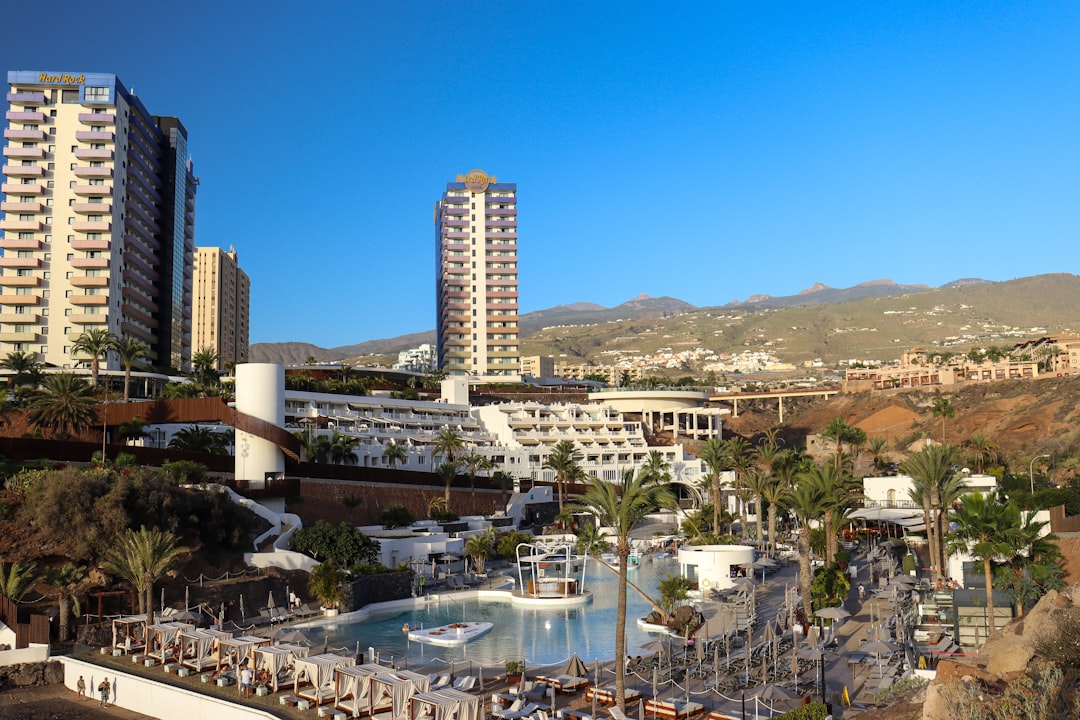
Living in Playa Paraiso as an expat means low costs, 300+ days of sun, and a quiet Costa Cálida pace. Practical guide to healthcare, schools and daily life.
Living in Playa Paraiso as an expat starts at a price point of €455,000 for the properties veritySpain has reviewed here, with an editorial score of 7.7/10. That figure reflects a compact but coherent residential offer on the southern Costa Cálida, in the Region of Murcia. Playa Paraiso sits between Mazarrón and Cartagena, fronting a sheltered bay that keeps prevailing Atlantic gales at bay. The resident population is small, seasonal rhythms are pronounced, and the infrastructure is built around a lifestyle that favours outdoor time over urban complexity. For an expat weighing a first or second home in Spain, the calculus is relatively straightforward: modest scale, low crowds, real sun.
Climate and daily rhythm
Murcia records more annual sunshine hours than any other Spanish region, according to AEMET meteorological averages, and Playa Paraiso captures that inheritance fully. Summers are long, dry and reliably warm; winters are mild enough to keep terraces in use through January. Rain is concentrated in brief autumn events. The daily pace slows sharply in July and August, when the coast fills, then returns to a quieter register by October. That quiet is not a deficiency. It suits the retired British or Northern European buyer who came here to walk, swim and eat simply, rather than to be entertained continuously. Markets in nearby Mazarrón run weekly. Fresh fish arrives at the port most mornings. Short drives reach two commercial airports, Murcia International at Corvera and Alicante Elche Miguel Hernández.
Cost of living for expats
Grocery prices along the Costa Cálida track the broader Murcia average, which INE consumer price data consistently places below the national mean and well below Madrid or Barcelona. Dining out in Mazarrón costs materially less than comparable meals in Alicante, let alone Marbella. Utility bills benefit from the dry climate: cooling costs are real in July and August, but heating costs in winter are low. Private health insurance is the main additional overhead most British or German residents take on, because access to public healthcare through the Spanish INSS system requires either formal employment or registration under the S1 route for retirees from EU and EEA states. That insurance is available from regional Spanish brokers and generally costs less than northern European equivalents for the same level of cover.
Healthcare and practical services
The nearest public health centre (Centro de Salud) for Playa Paraiso residents is in Mazarrón, roughly ten minutes by car. Hospital de la Vega Lorenzo Guirao in Cieza and Hospital General Universitario Morales Meseguer in Murcia city provide specialist and emergency cover for the region. Both are within an hour. Private clinics with English-speaking staff operate in Cartagena and in the wider Alicante corridor. Registro de Parejas de Hecho de la Región de Murcia and municipal census (padrón) registration are the administrative steps that unlock local services, school enrolment and, in time, the Spanish residency documentation most long-stay expats require. The NIE (Número de Identificación de Extranjero) remains necessary before any property purchase can complete.
Schools and international communities
English-medium and bilingual schooling options are limited at the immediate Playa Paraiso level. Mazarrón has Spanish state schools that accept foreign children with additional language support, and Cartagena hosts a broader range of private and semi-private centres. Families requiring an international curriculum typically look toward the Alicante corridor, where British-curriculum schools are established. The expat community in Playa Paraiso skews toward retirees from the UK, Germany and the Low Countries, rather than working-age families. That community is well integrated into the local municipal structure, with active associations organising social events through the summer season. Online expat forums for the Costa Cálida area are active and provide practical, current information on everything from GP registration to car import rules.
Key takeaways
- Murcia is Spain's sunniest region; Playa Paraiso offers that climate in a low-density setting.
- Cost of living runs below the Spanish national average across groceries, dining and utilities.
- Healthcare access requires either INSS registration or private insurance; private cover is affordable.
- English-medium schooling is sparse locally; families typically commute toward Cartagena or Alicante.
- veritySpain's single reviewed project scores 7.7/10 at €455,000, signalling a coherent but small market.
The market in numbers
New-build projects in Playa Paraiso
View all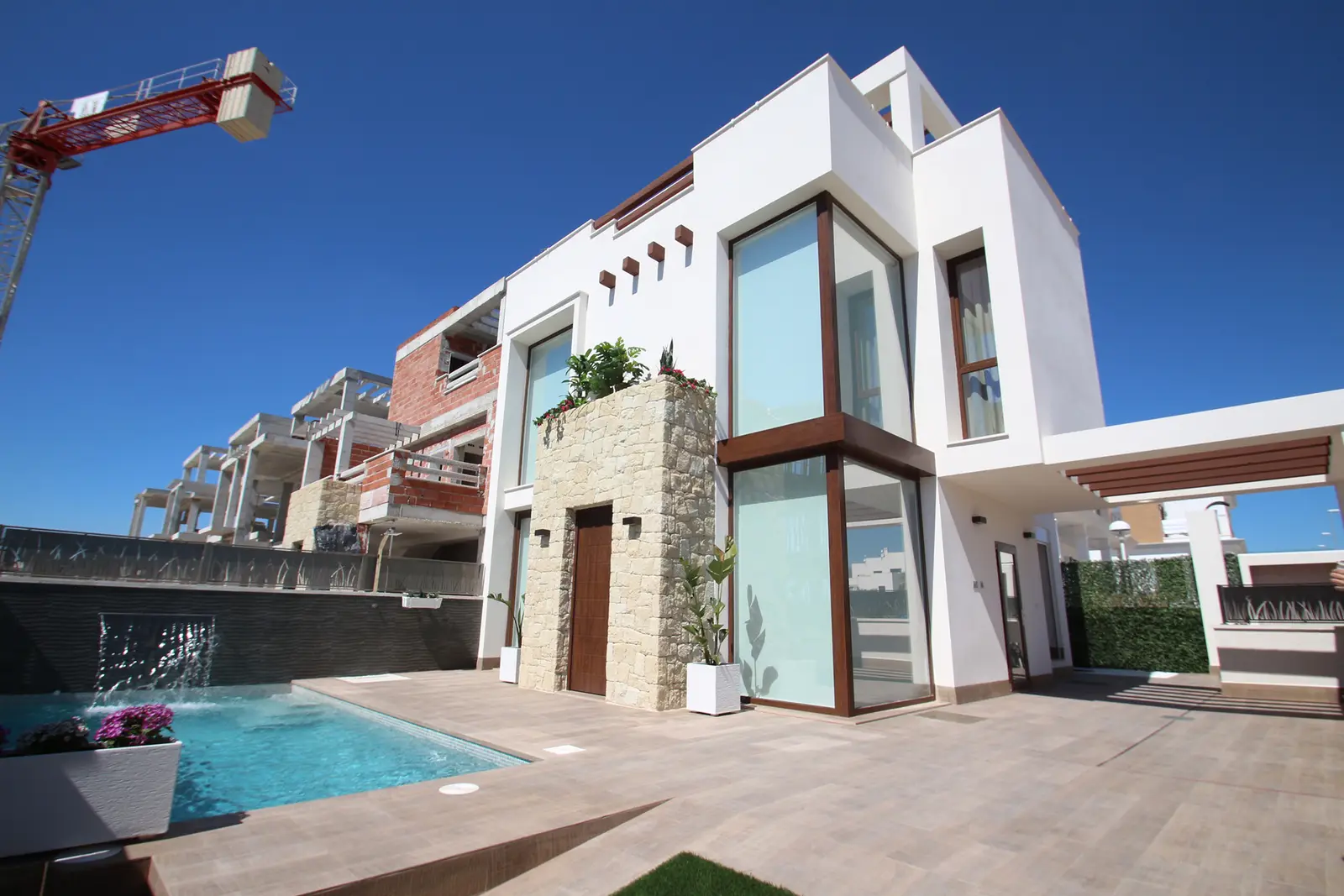
Frequently Asked Questions
Is Playa Paraiso a good place to live as an expat?
↓
It suits retirees and second-home owners well. The climate is reliable, costs are low relative to Spain's coastal average, and the residential community is established. Working-age expats with families may find the local amenities limited and will likely need a car for most daily tasks including school runs and specialist healthcare.
What is the cost of living in Playa Paraiso compared to the UK?
↓
Day-to-day costs in the Murcia region run materially below UK averages for groceries, eating out and utilities. Private health insurance is the main additional line item most British expats take on. Property prices in the area start around €455,000 for the projects veritySpain has reviewed, reflecting a modest premium for direct coastal access.
Do I need private health insurance to live in Playa Paraiso?
↓
Access to Spanish public healthcare requires INSS registration via employment or the S1 route for eligible EU and EEA retirees. Expats who do not qualify for S1 coverage typically take out private health insurance. Regional brokers along the Costa Cálida offer policies with English-language support at rates generally below northern European equivalents.
What is the weather like in Playa Paraiso year-round?
↓
The Region of Murcia receives more sunshine hours than any other Spanish region, according to AEMET data. Playa Paraiso summers are long and dry; winters are mild and often warm enough for outdoor dining. Rainfall is low and concentrated in short autumn periods. Heating costs are minimal; cooling is the main seasonal energy expense.
Are there English-speaking doctors near Playa Paraiso?
↓
The nearest public health centre is in Mazarrón, about ten minutes by car. Private clinics with English-speaking staff operate in Cartagena and along the Alicante corridor. Hospital coverage for emergencies is available within roughly one hour at regional hospitals in Murcia city. Most expat residents register at the public centre after completing padrón municipal registration.
What is the expat community like in Playa Paraiso?
↓
The resident expat community is relatively small and skews toward retirees from the UK, Germany and the Low Countries. Activity peaks in summer; the off-season population is quieter. Local associations organise social events, and online Costa Cálida expat forums are active year-round. The area attracts buyers who prefer low density over resort-scale amenities.
What documents do I need to buy property in Playa Paraiso?
↓
A NIE (Número de Identificación de Extranjero) is required before any Spanish property purchase can complete. You will also need a Spanish bank account and should instruct an independent solicitor familiar with Murcia conveyancing law. Registration at the Registro de la Propiedad follows completion. Post-purchase padrón registration at the local ayuntamiento unlocks municipal services and residency documentation.