
Living in San Pedro del Pinatar as an expat: climate, costs, healthcare and schools explained. veritySpain analysed 23 projects from €150k to €950k.
Living in San Pedro del Pinatar as an expat means entering a small Murcian coastal town where veritySpain has analysed 23 new-build projects priced between €150,000 and €950,000, with an average quality score of 7.6/10 across the pipeline. The town sits at the northern tip of the Mar Menor, where the saltpans of the Parque Regional de las Salinas y Arenales give it a character unlike the resort strips further north. Residents are a practical mix: Spanish fishing families, northern European retirees, and a growing share of remote workers attracted by costs well below the Valencia or Málaga markets. Infrastructure is functional rather than lavish, which keeps the price floor low and the daily cost of living genuinely affordable.
climate and daily comfort
San Pedro del Pinatar records roughly 320 days of sunshine per year, a figure consistent with Murcia's position as one of the driest regions in Spain. Summers are long and hot, regularly exceeding 35°C in July and August. Winter is mild: average January temperatures sit around 12°C. That range matters for expats planning to live year-round rather than seasonally. The Mar Menor is a shallow, warm lagoon whose water temperature stays above 20°C from May to October, making it practical for daily swimming across a long season. Salt-therapy bathing in the Las Encañizadas area is popular with residents and recommended by local physicians for skin and respiratory conditions. Agencia Estatal de Meteorología (AEMET) publishes long-run climate normals confirming Murcia's status as one of the warmest mainland Spanish regions in winter, which is a decisive factor for northern European buyers. Wind off the salt flats can be a consideration for property selection.
cost of living and everyday expenses
Grocery costs in San Pedro del Pinatar are broadly consistent with Spanish regional averages. A weekly shop for two at the Mercadona in town runs around €60–80. Dining out is cheaper than on the Costa del Sol: a full weekday menu del dia in a local bar costs €10–12. Utility bills are a more variable cost; summer air-conditioning pushes electricity spend higher than in cooler climates. Property taxes (IBI) on a €250,000 apartment are typically in the €400–700 per year range in Murcia municipalities, though the exact cadastral value determines the precise figure. Petrol is priced at Spanish pump rates, with several stations on the N-332. INE (Instituto Nacional de Estadística) tracks regional cost-of-living indices and confirms the Murcia region sits below the national median on most household expenditure categories. That gap is real and felt in weekly budgets.
healthcare and schools
The main local health centre (Centro de Salud San Pedro del Pinatar) handles primary care. Hospital referrals go to Hospital Los Arcos del Mar Menor in Torre Pacheco, roughly 20 km south, which is the primary public hospital for this stretch of the Costa Cálida. Private health insurance is widely taken out by expats; monthly premiums for a 50-year-old non-smoker run roughly €80–140 depending on the insurer and coverage level, making private cover affordable by European standards. Schooling for expat children has two main tracks: the Spanish state system, fully free and conducted in Spanish, and a smaller number of private or semi-private schools in the wider Mar Menor area. There is no large international school in San Pedro itself. Families with children of secondary school age typically look at options in Cartagena or Murcia city, both reachable within 45 minutes.
expat communities and social life
The British and northern European community in San Pedro del Pinatar is established but not dominant. Several English-speaking social clubs operate in the municipality and in neighbouring Pilar de la Horadada. The Lo Pagán promenade is the town's social spine: a 3-kilometre seafront lined with bars, restaurants, and the daily fish market. Saturday morning at the waterfront market is where long-term residents, whether Spanish or foreign, tend to cross paths. Football, padel, and cycling are the main recreational sports; the flat terrain around the saltpans suits cyclists. The marina at San Pedro accommodates private boats and offers sailing courses. Integration is easier here than in larger, more tourist-driven resorts because the permanent resident base gives the town a functional rhythm that continues outside the summer peak. A working knowledge of Spanish, even basic, accelerates that process considerably.
Key takeaways
- veritySpain tracks 23 new-build projects in San Pedro del Pinatar, priced from €150,000 to €950,000.
- The town's 7.6/10 average project score reflects a functional, value-oriented market, not a luxury resort.
- Murcia's mild winters and 320 sunshine days make year-round living practical for northern European expats.
- Healthcare relies on Hospital Los Arcos del Mar Menor; private insurance is affordable and widely used by residents.
- No large international school exists locally; families with older children look toward Cartagena or Murcia city.
The market in numbers
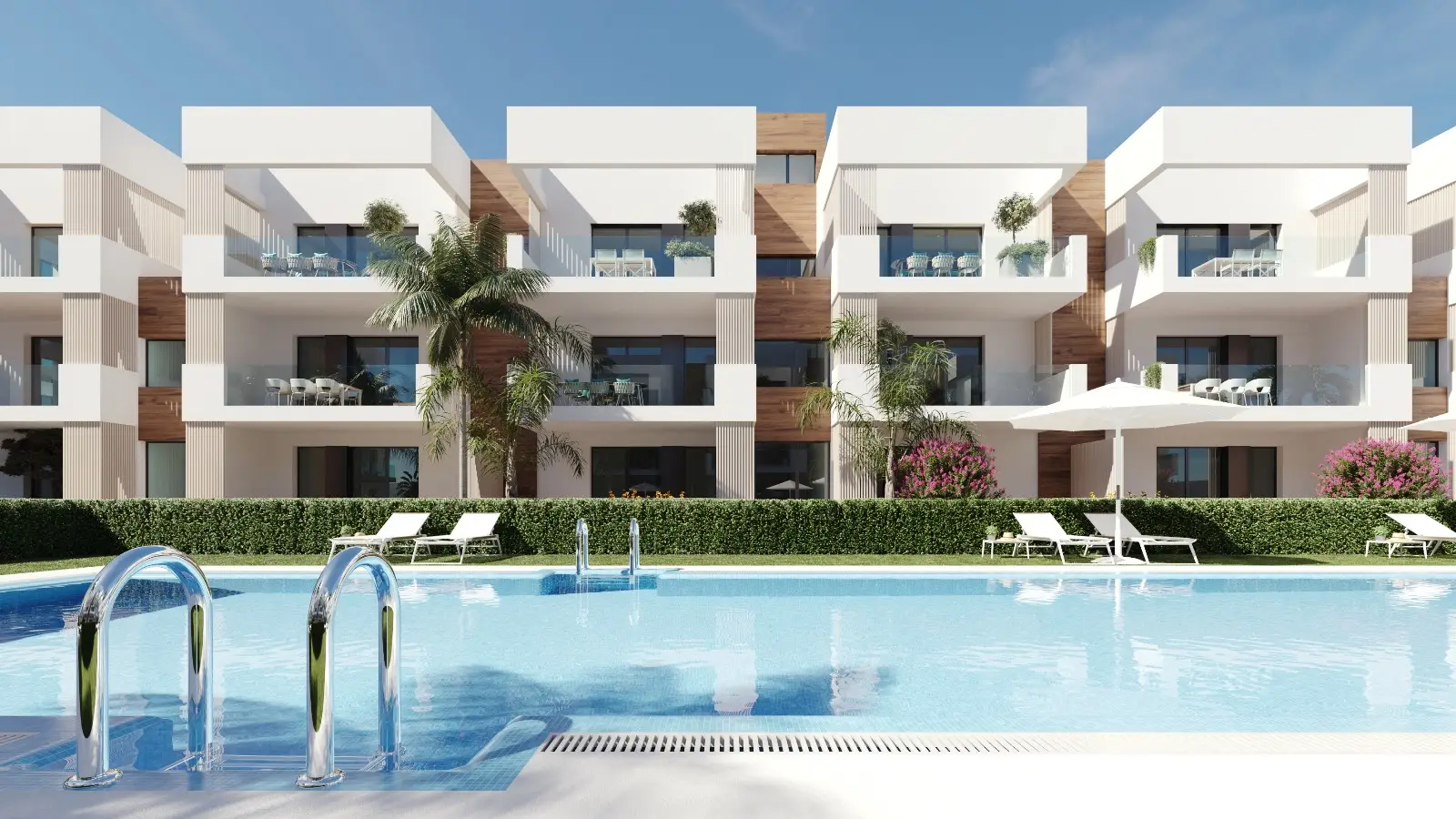
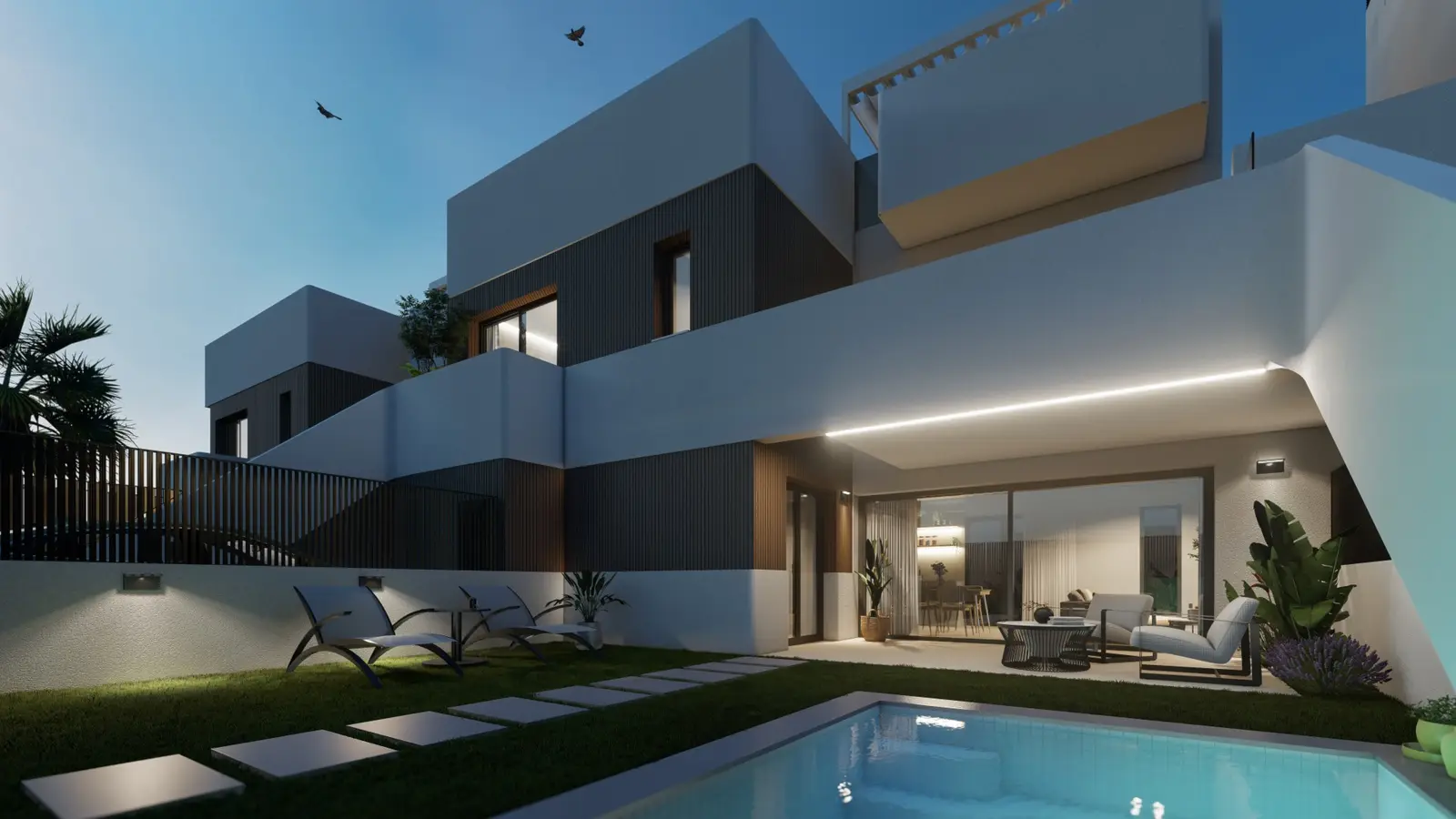
New-build projects in San Pedro del Pinatar
View all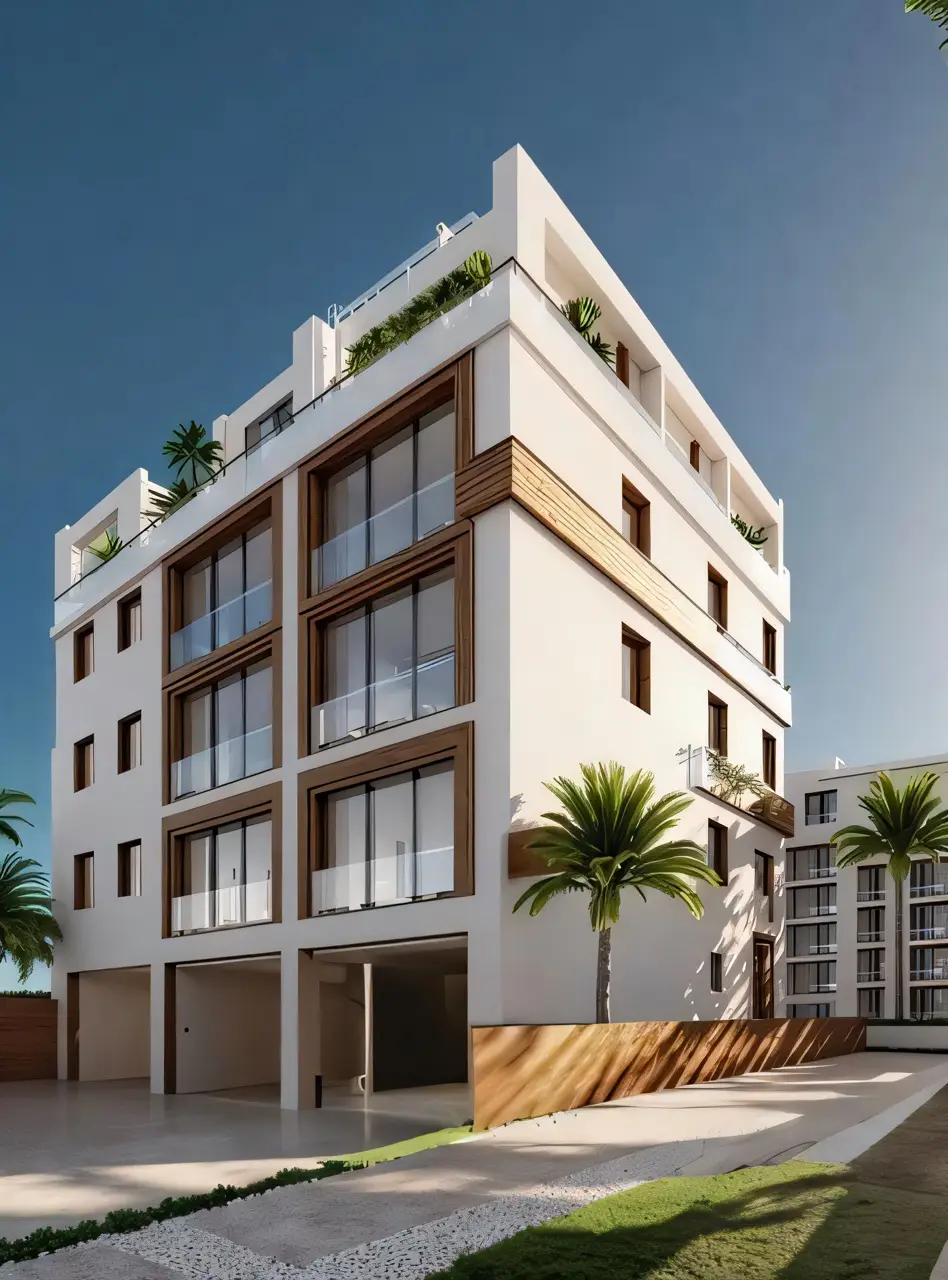
Frequently Asked Questions
Is San Pedro del Pinatar a good place for expats to live?
↓
It works well for expats who prioritise low costs and a genuine local atmosphere over resort facilities. The town has a permanent Spanish resident base, an established northern European community, affordable healthcare, and direct access to the warm Mar Menor lagoon. veritySpain's analysis of 23 projects gives the market a 7.6/10 average score.
What is the cost of living like in San Pedro del Pinatar?
↓
Daily costs are below the Spanish national median according to INE regional data. A menu del dia runs €10–12, a weekly grocery shop for two costs roughly €60–80, and property taxes on a mid-range apartment are typically €400–700 per year. Utility bills rise in summer due to air-conditioning use.
What is the healthcare situation in San Pedro del Pinatar for expats?
↓
Primary care is available at the local Centro de Salud. Hospital referrals go to Hospital Los Arcos del Mar Menor in Torre Pacheco, about 20 km away. Most expats take out private health insurance; for a 50-year-old non-smoker, monthly premiums run roughly €80–140 depending on coverage and insurer.
Are there international schools near San Pedro del Pinatar?
↓
There is no large international school in San Pedro del Pinatar itself. Expat families with school-age children typically use the Spanish state system locally, which is free, or look at private and semi-private options in the wider Mar Menor area. Secondary-age students are often schooled in Cartagena or Murcia city, both within 45 minutes.
What is the climate like in San Pedro del Pinatar year-round?
↓
The town gets roughly 320 sunshine days per year. Summers are hot, regularly above 35°C in July and August. Winters are mild, with January averages around 12°C. AEMET climate normals confirm Murcia as one of the warmest mainland Spanish regions in winter, which makes year-round residency practical for northern Europeans.
What is the property price range in San Pedro del Pinatar?
↓
veritySpain's analysis of 23 new-build projects in San Pedro del Pinatar shows prices from €150,000 to €950,000. The wide range reflects different product types, from compact apartments near the Mar Menor to larger villas. The average project quality score across the pipeline is 7.6 out of 10.
What is the expat community like in San Pedro del Pinatar?
↓
The community is established but not dominant. British and northern European residents mix with a permanent Spanish population, giving the town a working local character rather than a seasonal resort feel. Social life centres on the Lo Pagán promenade. Padel, cycling, sailing, and local markets are common meeting points for long-term residents.