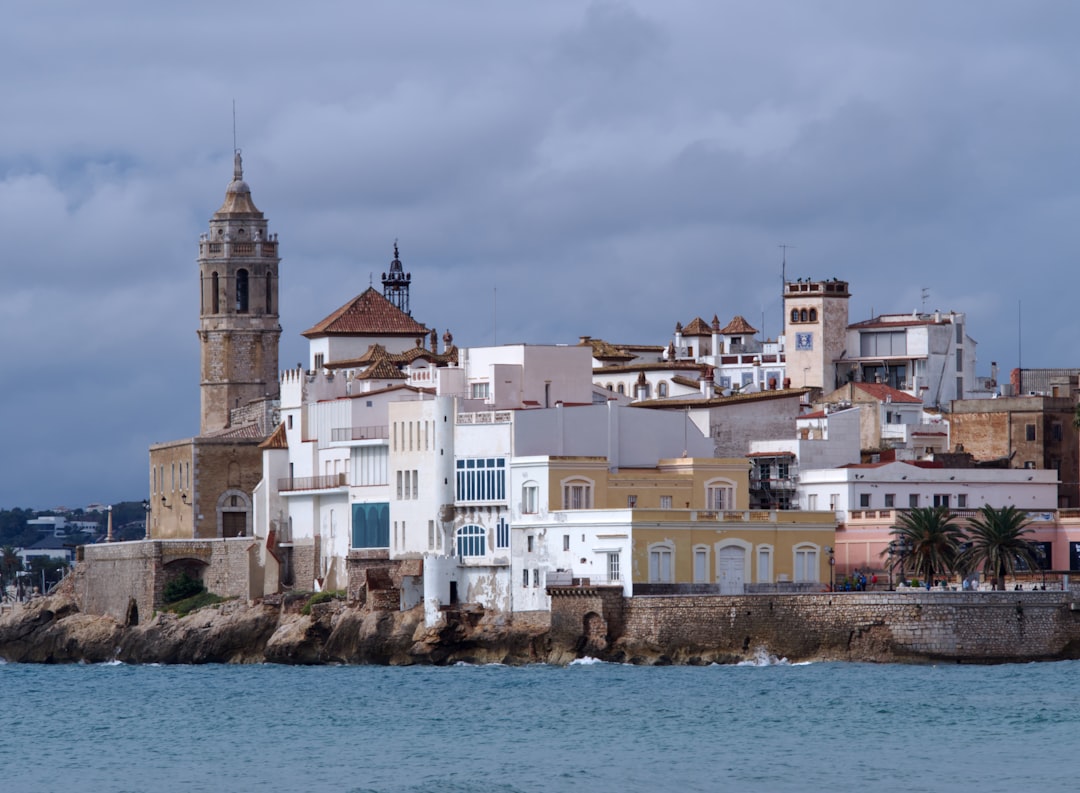
Living Torre-Pacheco expat guide: prices from €192k, 7.4/10 project score, climate, healthcare, schools and daily life in Murcia's inland market town.
For those researching living Torre-Pacheco expat options in Murcia, the town sits 25 kilometres inland from the Mar Menor and offers new-build apartments currently ranging from €192k to €660k, with veritySpain scoring the local project pipeline at 7.4/10 across 8 analysed developments. Torre-Pacheco is a working agricultural municipality, not a purpose-built resort: the central market, Spanish-speaking doctors' offices and ordinary supermarkets are the backdrop of daily life. That ordinariness is precisely what draws a growing share of northern-European buyers who want proximity to the coast without paying coastal prices or living inside a purely expat enclave.
Climate and outdoor life
Murcia province registers more than 300 days of sunshine per year, according to Spain's national meteorological agency AEMET, and Torre-Pacheco sits in one of the driest corners of that region. Summers run hot, with July and August temperatures routinely above 35°C in the middle of the day. Winters are mild. The combination matters for day-to-day decisions: outdoor terraces are usable for eight or nine months of the year, air conditioning is not optional in July, and water bills reflect the region's chronic drought stress. The Mar Menor beaches at Los Alcázares and Santiago de la Ribera are roughly a 15-minute drive. The Sierra Minera hills to the south offer cycling and hiking. Several golf courses operate within 20 minutes, including La Torre Golf Resort adjacent to the municipality itself.
Cost of living and purchasing context
Weekly grocery costs in Torre-Pacheco are broadly in line with the Spanish average, which the INE (Instituto Nacional de Estadística) places among the lower tiers in the EU. Eating out at a local restaurant for two typically costs €25 to €45, a level that continues to attract buyers relocating from higher-cost northern European cities. On the property side, the €192k floor in the veritySpain dataset represents entry-level two-bedroom apartments; the €660k ceiling covers larger detached villas with private pools. Buyers from outside the EU are subject to standard acquisition taxes: resale properties attract ITP (Impuesto de Transmisiones Patrimoniales) while new builds carry IVA plus stamp duty. A Spanish gestor typically charges €1,500 to €3,000 to handle the NIE, residency registration and utility transfers. None of those costs are hidden, but buyers who overlook them risk underestimating total acquisition expense by 10 to 13 per cent of the purchase price.
Healthcare and schools
Torre-Pacheco has a public health centre (centro de salud) in the town centre, with a larger hospital, Hospital Los Arcos del Mar Menor, located about 12 kilometres away in San Javier. The public system covers registered residents who contribute to Spanish social security or who hold a valid S1 certificate transferred from another EU country. Private health insurance from providers such as Sanitas or Adeslas runs roughly €50 to €120 per month for a healthy adult under 55 and gives access to shorter waiting times and English-speaking GPs. Schooling follows a similar split: the local public schools operate in Spanish, which integrates children quickly into local culture. The nearest international schools with English-language curricula are in Murcia city, around 30 kilometres north, or in the coastal resort areas further south. Registradores de España data on regional population trends shows Murcia province has attracted consistent inbound migration over recent years, which has supported investment in public services.
Expat communities and integration
An estimated several thousand British, Dutch and German residents have settled across the Torre-Pacheco municipality and the adjoining coastal strip. This concentration is large enough to sustain English-language WhatsApp groups, a handful of English-friendly bars in Los Alcázares and informal networks for finding reliable tradespeople, but it is not so large that a resident can avoid engaging with Spanish bureaucracy and daily life. That matters for integration. Spanish language ability accelerates almost everything: medical appointments, dealing with the town hall (ayuntamiento), and basic commerce in the market. Short-stay language courses run in Murcia city; online platforms have made intermediate Spanish achievable within six to twelve months for motivated learners. Local residents describe the pace of life as deliberately slower than northern European norms, with a genuine siesta culture still operational in smaller shops.
Key takeaways
- New-build prices in Torre-Pacheco run from €192k to €660k; veritySpain rates the pipeline at 7.4/10.
- The climate delivers over 300 sunny days per year, but summer heat above 35°C requires proper air conditioning.
- Acquisition costs including IVA or ITP and legal fees typically add 10 to 13 per cent on top of the purchase price.
- Public healthcare covers registered residents; private insurance from around €50 per month shortens waiting times substantially.
- Integration is easier with basic Spanish: the municipality is not a sealed expat bubble and daily life runs in Castilian.
The market in numbers
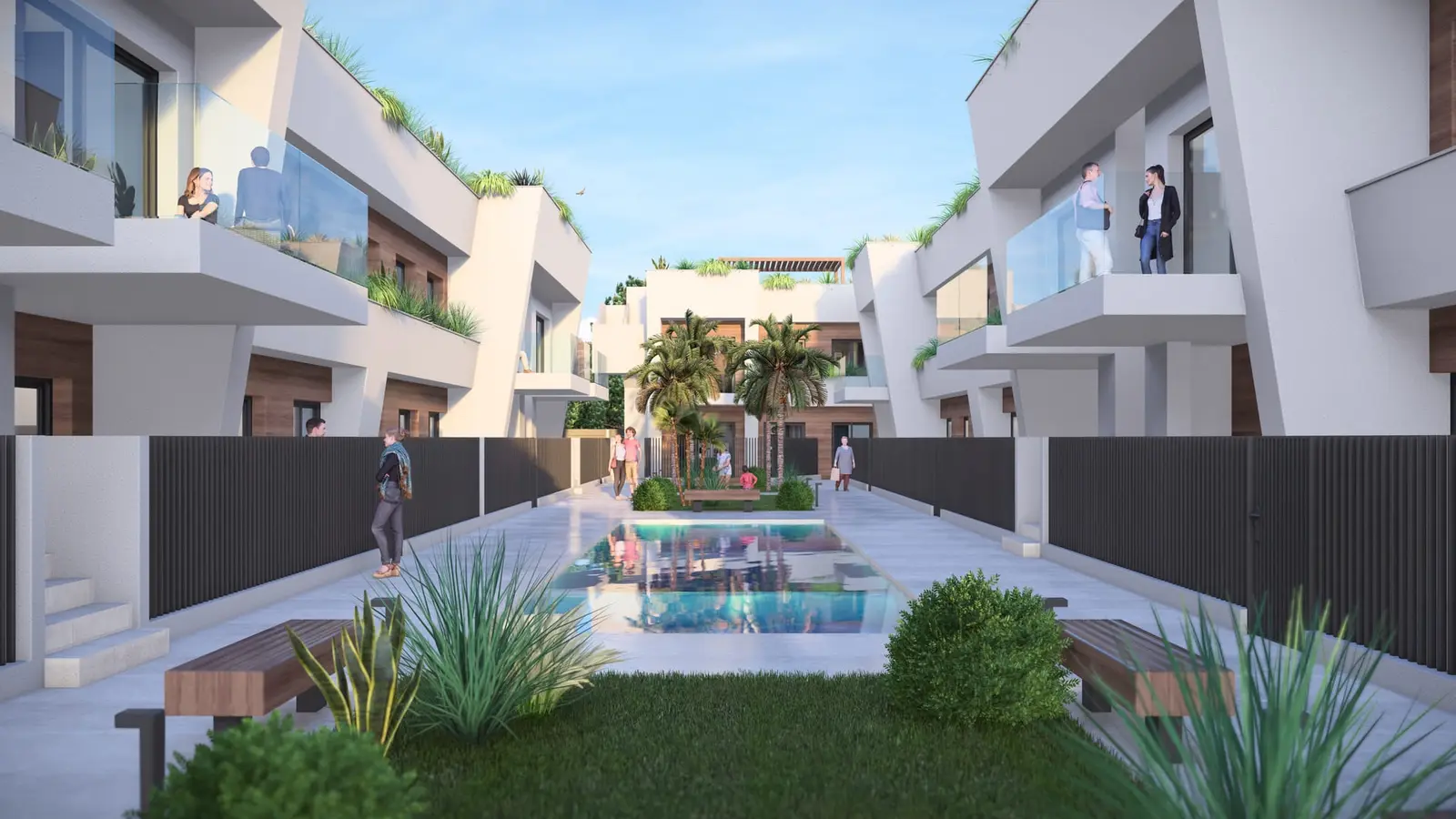
New-build projects in Torre-Pacheco
View all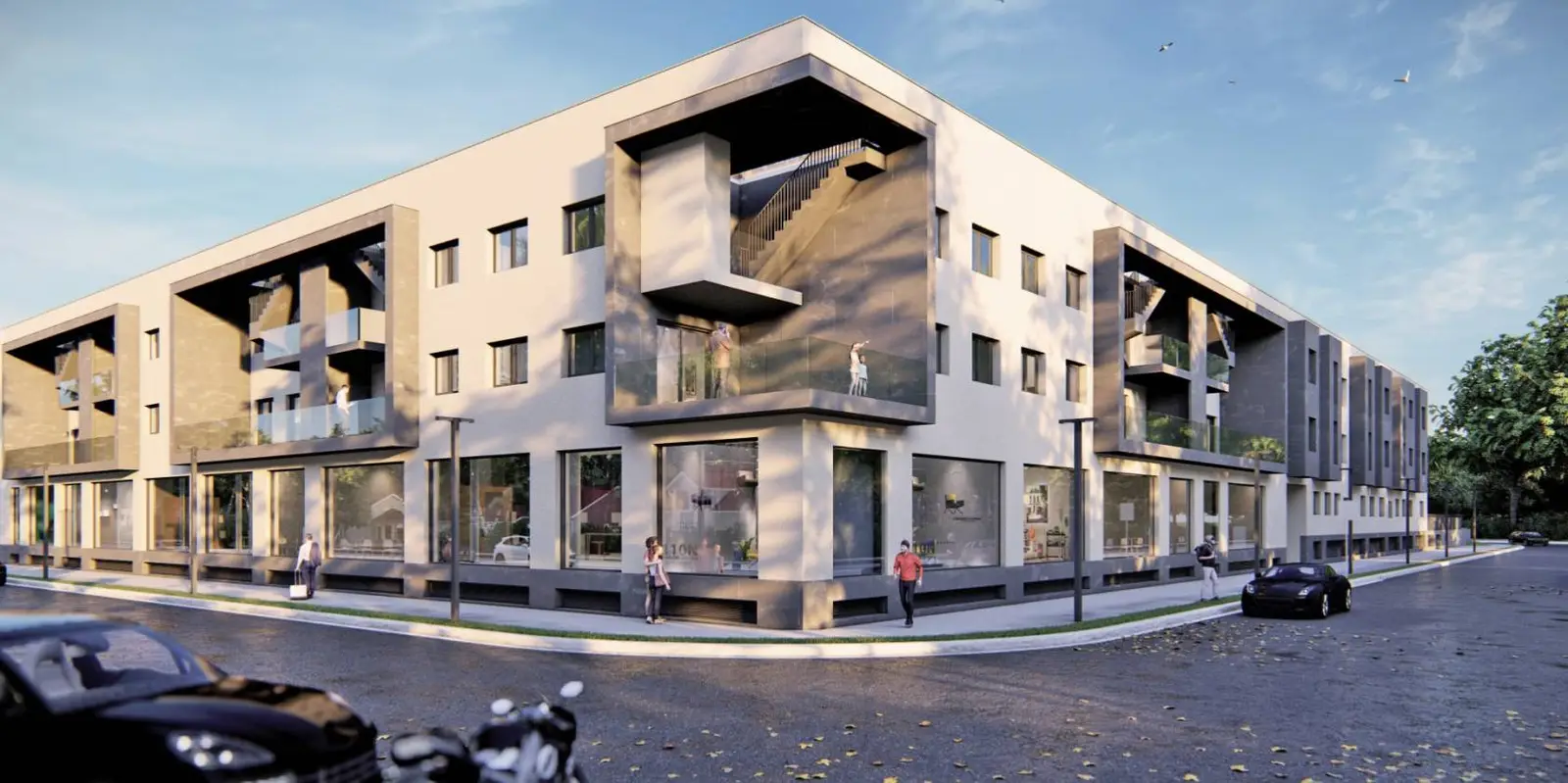
Frequently Asked Questions
Is Torre-Pacheco a good place to live as an expat?
↓
Torre-Pacheco suits expats who want a working Spanish town rather than a resort bubble. Prices start at €192k for new builds, the climate is sunny year-round, and the Mar Menor coast is 15 minutes away. Integration is smoother with basic Spanish, as daily life, medical appointments and town-hall dealings operate primarily in Castilian.
What is the cost of living in Torre-Pacheco?
↓
Cost of living is below the northern European average. Grocery spending aligns with the Spanish national level tracked by INE. A restaurant meal for two typically costs €25 to €45. New-build property ranges from €192k to €660k. Buyers should budget an additional 10 to 13 per cent of the purchase price for taxes and legal costs.
How is healthcare in Torre-Pacheco for expats?
↓
A public centro de salud operates in the town centre; Hospital Los Arcos del Mar Menor is 12 kilometres away in San Javier. Registered EU residents with an S1 certificate access the public system. Private insurance from providers like Sanitas or Adeslas costs roughly €50 to €120 per month and gives access to English-speaking GPs.
Are there international schools near Torre-Pacheco?
↓
English-language international schools are not in Torre-Pacheco itself. The nearest options are in Murcia city, about 30 kilometres north, or in southern coastal resort areas. Local state schools operate in Spanish and integrate children quickly. Families relying on English-medium education should factor in daily transport or consider renting closer to Murcia city first.
What is the weather like in Torre-Pacheco?
↓
Torre-Pacheco sits in one of Spain's sunniest corners, with AEMET recording more than 300 days of sunshine per year across Murcia province. Summers are hot, exceeding 35°C in July and August. Winters are mild and largely frost-free. The region is chronically dry, so water costs reflect ongoing drought pressure. Air conditioning is essential in summer.
How much does a new-build property cost in Torre-Pacheco?
↓
veritySpain's analysis of 8 current projects shows a price range from €192k to €660k. Entry-level covers two-bedroom apartments; the upper end reflects larger detached villas with private pools. Buyers should add 10 to 13 per cent for IVA (new builds), legal fees, NIE processing and utility transfers. The project pipeline scores 7.4 out of 10.
Is there a large expat community in Torre-Pacheco?
↓
Several thousand British, Dutch and German residents live across the Torre-Pacheco municipality and its coastal strip. The community is large enough to support English-language networks and English-friendly services, but not so dominant that residents can avoid Spanish in daily life. Learning basic Castilian is strongly advisable for healthcare, bureaucracy and general commerce.