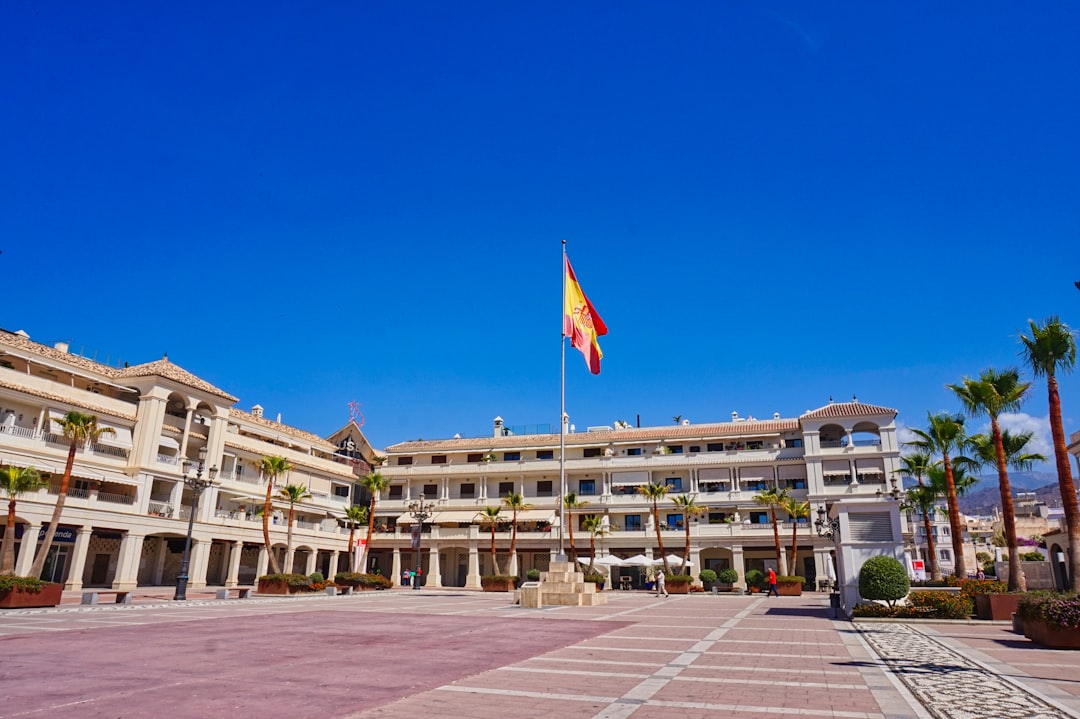
Property investment in Aspe analysed: €272k–€395k price range, 7.3/10 average score across 3 projects, rental context and tax costs for the Costa Blanca interior.
Property investment in Aspe starts from €272k, with veritySpain scoring the municipality's three analysed projects at an average of 7.3/10, a rating that places the town firmly in the investable tier for the Costa Blanca interior. Aspe sits roughly 30 kilometres west of Alicante city, inside the Vinalopó valley, and benefits from the AP-31 motorway connection that keeps the coast accessible. It is not a resort town. That distinction shapes the economics: buyers here compete for a different asset profile than in Torrevieja or Benidorm, and the absence of mass tourism infrastructure is a deliberate part of the calculus for a certain category of investor.
Price environment and product range
The live feed shows a price range of €272k–€395k across the three projects veritySpain has assessed in Aspe. That spread is relatively tight, which tells its own story: developers are positioning product at a consistent mid-market level rather than anchoring with entry units and stretching to premium floors. New-build stock in the Vinalopó valley has historically attracted buyers priced out of coastal markets, and transaction volumes published by INE suggest interior Alicante municipalities have maintained demand stability even as coastal prices compressed affordability. The most important variable is density of supply: three projects in active analysis means the market is not saturated, and competitive pressure between developers is limited.
Rental market context
Aspe is primarily an owner-occupier market. Short-term holiday rentals require a licence under the Comunitat Valenciana's tourism decree, and enforcement has tightened across the province since 2022. Long-term residential demand is steadier and less regulated, drawing from workers commuting to Elche's footwear and logistics industries and from the broader Elda-Petrer manufacturing cluster. Rental yield data for Aspe specifically is not published at the granularity that would permit a precise estimate, and Registradores de España residential price indices for smaller municipalities carry wide confidence intervals. What the data supports is a qualitative observation: interior towns with dual access to industrial employment and coast proximity have shown occupancy resilience that purely tourist-dependent markets do not.
Comparable towns and positioning
Monforte del Cid and Novelda are the closest comparables in the same valley. Both share Aspe's motorway access and similar demographic profiles. Novelda has a stronger local commercial base as a marble-processing hub; Monforte has attracted vineyard and rural tourism investment. Aspe sits between them in character, with a town centre that retains everyday retail. For investors, the relevant comparison is not amenity for amenity but the price-to-access ratio: €395k for a new-build in Aspe versus equivalent product in coastal Guardamar del Segura, where land costs and demand intensity push prices higher. The interior premium is negative, meaning buyers receive more built area per euro. Whether that gap closes over a five-to-ten year hold is the core investment question, and it depends substantially on infrastructure decisions outside any individual developer's control.
Regulatory and tax framework
Spain's property purchase costs are material and non-negotiable. New builds attract IVA at 10% plus Actos Jurídicos Documentados (stamp duty), together adding roughly 12-13% to the headline price. Resale transactions are subject to ITP (transfer tax), which in the Valencian Community stands at graduated rates up to 10%. Neither figure is Aspe-specific: they apply province-wide and are confirmed by Generalitat Valenciana published rate schedules. Foreign buyers must obtain an NIE and, for non-residents, face a 24% non-resident income tax on imputed rental income even on unlet property. Professional tax advice before commitment is not optional. These costs mean a short hold period is economically punishing; the investment case for Aspe, at this price level, is a medium-to-long horizon.
Key takeaways
- Three veritySpain-assessed projects score an average 7.3/10, confirming investable quality at current supply levels.
- Entry price of €272k represents interior Alicante positioning, materially below comparable coastal new-build product.
- Rental strategy should target long-term residential demand rather than holiday lets, given the licensing environment.
- Purchase costs including IVA and stamp duty add approximately 12–13% above the headline price on new-build transactions.
- The investment horizon should be medium-to-long term; short holds are eroded by acquisition costs and liquidity constraints.
The market in numbers
New-build projects in Aspe
View all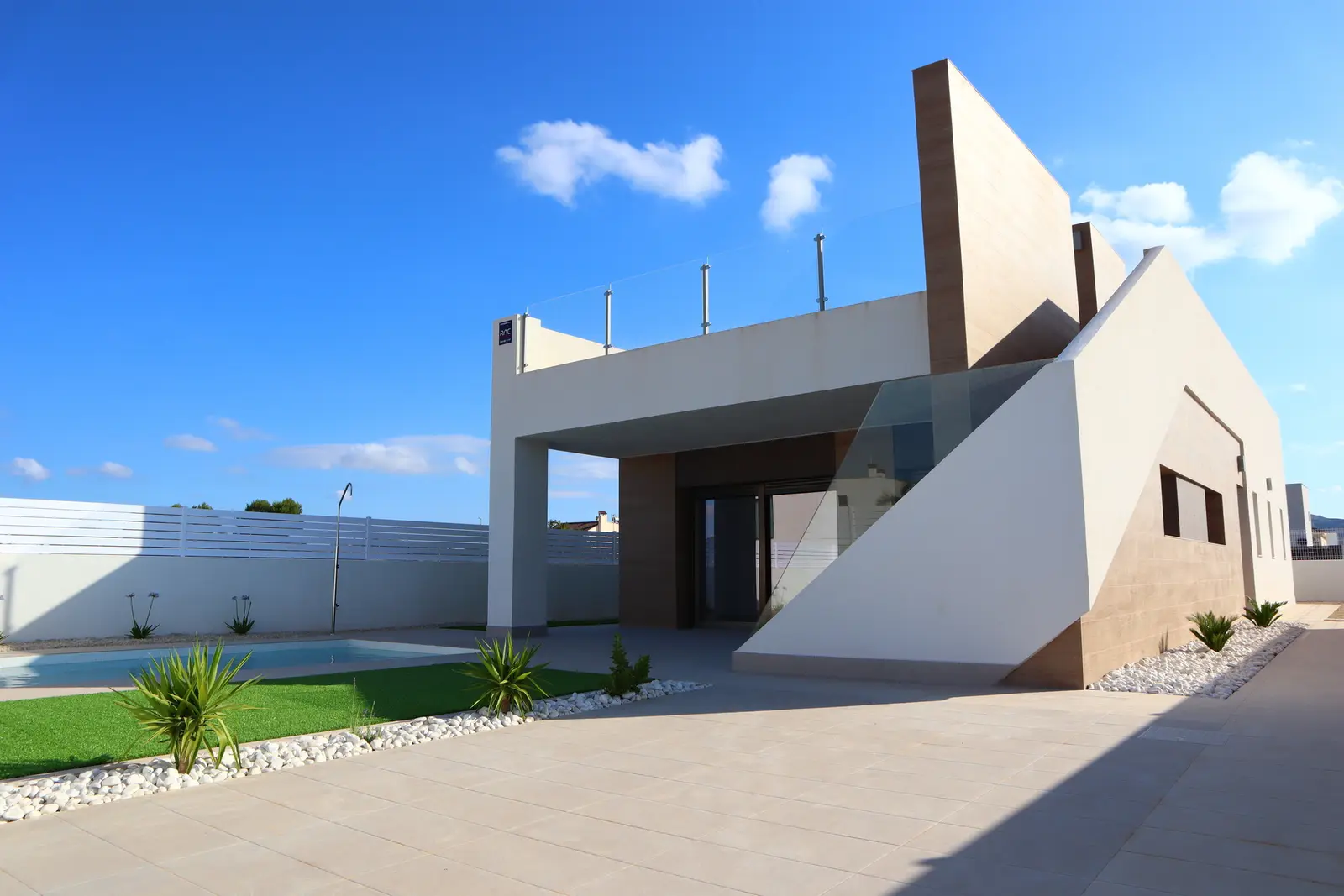
Frequently Asked Questions
What is the average property price in Aspe?
↓
veritySpain data shows new-build prices in Aspe currently range from €272k to €395k across the three projects under active analysis. This reflects a mid-market positioning typical of interior Alicante municipalities, where buyers accept a location trade-off in exchange for more built area per euro compared with coastal equivalents.
Is Aspe a good place to invest in property?
↓
veritySpain scores the three analysed Aspe projects at an average of 7.3/10, placing the municipality in the investable tier. The case rests on price accessibility, motorway access to Alicante and Elche, and a stable owner-occupier market. The key risk is a longer liquidity cycle than coastal resorts.
What are the property taxes when buying in Aspe?
↓
New-build purchases attract IVA at 10% plus Actos Jurídicos Documentados stamp duty, together totalling roughly 12–13% on top of the headline price. Resale properties are subject to ITP transfer tax, which in the Valencian Community rises to 10% at higher price brackets. These figures are province-wide, not Aspe-specific.
Can I rent out a property in Aspe on Airbnb?
↓
Short-term tourist rentals in the Valencian Community require a licence under regional tourism regulations, and enforcement has intensified since 2022. Aspe is not a tourist destination by designation, making licence approval less straightforward than in coastal zones. Long-term residential letting is the more viable rental model for this location.
How far is Aspe from Alicante and the coast?
↓
Aspe sits approximately 30 kilometres west of Alicante city, connected by the AP-31 motorway. Alicante-Elche Airport is reachable in under 30 minutes in typical traffic conditions. The nearest coast is around the Guardamar del Segura and Santa Pola area, roughly 35–40 kilometres by road.
What types of property are available for investment in Aspe?
↓
The three projects veritySpain has assessed are new-build residential developments in the mid-market segment, priced between €272k and €395k. The product profile is consistent: developers are targeting buyers seeking more space than coastal budgets allow. Off-plan purchases at this price level typically require a 10–20% deposit during construction.
How does Aspe compare to other inland Costa Blanca towns for investment?
↓
Aspe's closest comparables are Novelda and Monforte del Cid, both in the Vinalopó valley with similar motorway access. Novelda has a stronger commercial base in marble processing; Monforte has rural tourism activity. Aspe sits between them in character and price. All three offer a negative premium to coastal pricing, meaning more built area per euro.