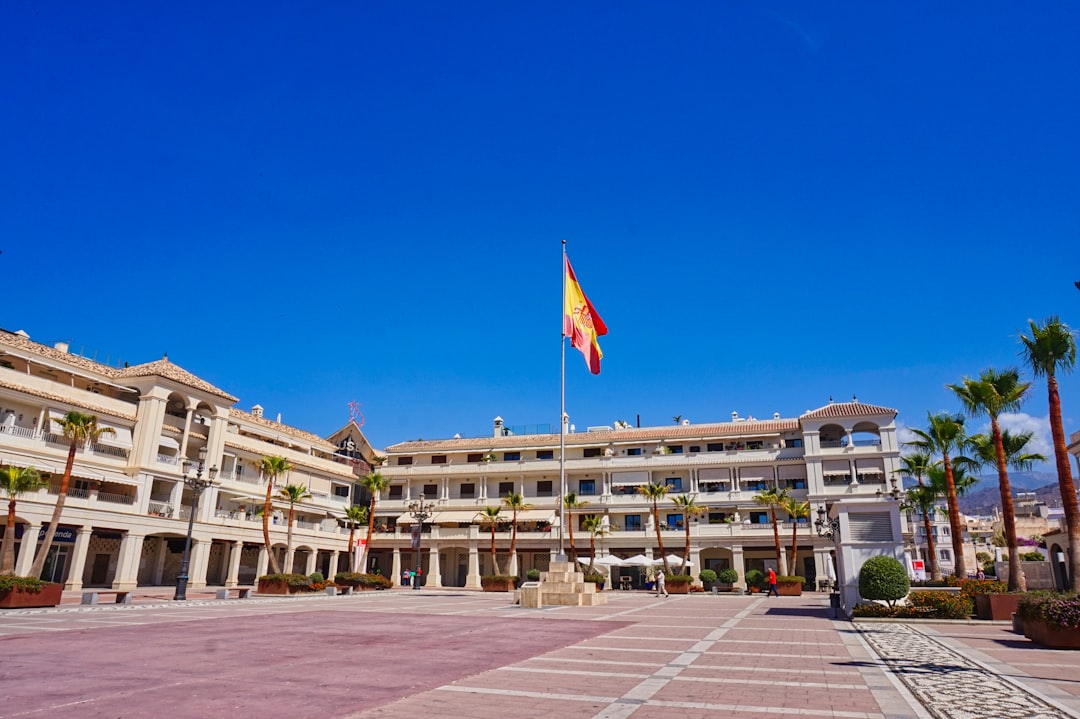
Living in Aspe as an expat means daily life in a 20,000-person Vinalopó valley town. Climate, healthcare, schools, costs and community, grounded in veritySpain data.
Living in Aspe as an expat puts you in a town of around 20,000 people in the Vinalopó valley, where veritySpain has assessed three active residential projects scoring an average of 7.3/10, and where property prices across those projects run from €272,000 to €395,000. The altitude, roughly 380 metres above sea level, tempers the Mediterranean heat that Alicante's coast absorbs directly, giving Aspe cooler evenings even in July and August. The town sits 35 kilometres from Alicante's El Altet airport, which makes it practical rather than remote. This is a place where Spanish residents still outnumber foreign buyers by a wide margin, and where the weekly street market operates in Castilian and Valencian, not in English.
Climate and daily rhythm
Average annual temperatures in the province of Alicante sit between 13°C and 28°C depending on the month, and Aspe's inland position means it receives measurably fewer rainy days than coastal municipalities. Summers are hot. Temperatures above 35°C occur regularly in July and August, which matters if you work from home without climate control. The town's daily rhythm centres on the early afternoon break; most independent businesses close between roughly 2pm and 5pm and reopen in the evening. Supermarkets, including a Mercadona and a Lidl on the outskirts, operate on continuous hours, which removes one friction point for northern Europeans. The Saturday morning market on the Avenida de la Constitución covers produce, clothing, and household goods at prices that reflect a local rather than a tourist economy. Short summer.
Cost of living
Grocery prices at Mercadona in Aspe track the national average published in consumer surveys by the Spanish national statistics institute, INE; a standard weekly shop for two typically costs less than in most northern European cities. Dining out at a local restaurant on a menu del día, the fixed lunch offered Monday to Friday, ranges from €10 to €14 including a first course, second course, bread, and a drink. Fuel at the local Repsol and Cepsa stations is priced at standard Spanish pump rates, which have remained below the EU average in recent years according to European Commission data. Utility costs, electricity and water, are not cheap by Spanish standards given Alicante's heat, but they remain well below what residents pay in Germany or the Netherlands for equivalent consumption. Property transfer tax in Valencia's autonomous community runs at 10 per cent of the purchase price for resale homes, a fixed and well-known legal rate. Monthly.
Healthcare and schools
Aspe has a Centro de Salud on Calle Doctor Más Candela that serves registered residents under the public Sistema Nacional de Salud. Registration, known as empadronamiento at the local ayuntamiento, is the first administrative step for any expat and unlocks access to the public health system. The nearest full hospital is the Hospital Vinalopó in Elche, roughly 20 kilometres away, a private facility that operates under public insurance agreements. Hospital General de Elche, the public alternative, is a similar distance. For schooling, the town has two state secondary schools and several primary centres; none currently operate a bilingual English programme at the level found in larger Alicante municipalities. Private and concertado schools in Elche and Novelda are reachable within 20 minutes by car. Registradores de España data on foreign buyer activity in the Vinalopó comarca shows sustained interest from German, Dutch, and British purchasers, which has led a small English-language tutoring market to develop locally.
Expat communities and integration
Aspe is not a resort town. There is no beachfront promenade and no concentration of English-language bars. The foreign resident population is distributed among Spanish neighbours rather than in dedicated urbanisations, which accelerates integration for those who want it and makes Spanish language acquisition more or less essential. Several local cultural associations, including the Peña Flamenca and the Moros y Cristianos brotherhoods, accept foreign members and provide a genuine point of social entry. The Moros y Cristianos festival in September is the town's most significant cultural event and participation, even at the level of watching, is open to anyone. Weekend day trips reach Elche's palm grove, a UNESCO World Heritage Site, in under 30 minutes. Alicante city's restaurants and nightlife are accessible in 40 minutes. The municipality has a Facebook group used by Spanish and foreign residents for local queries and classified listings. Local.
Key takeaways
- veritySpain scores the three assessed projects in Aspe at an average of 7.3/10, with prices between €272,000 and €395,000.
- The inland position at roughly 380 metres gives cooler evenings than coastal Alicante but brings hotter, drier summers to prepare for.
- Public healthcare access requires empadronamiento at the ayuntamiento; the nearest full hospital facilities are in Elche, around 20 kilometres away.
- Aspe has no English-language secondary schools; families with school-age children will need to plan around Elche or Novelda options.
- Integration moves faster here than in resort towns: Spanish is the working language of daily life, and social entry comes through local associations and the Moros y Cristianos festival.
The market in numbers
New-build projects in Aspe
View all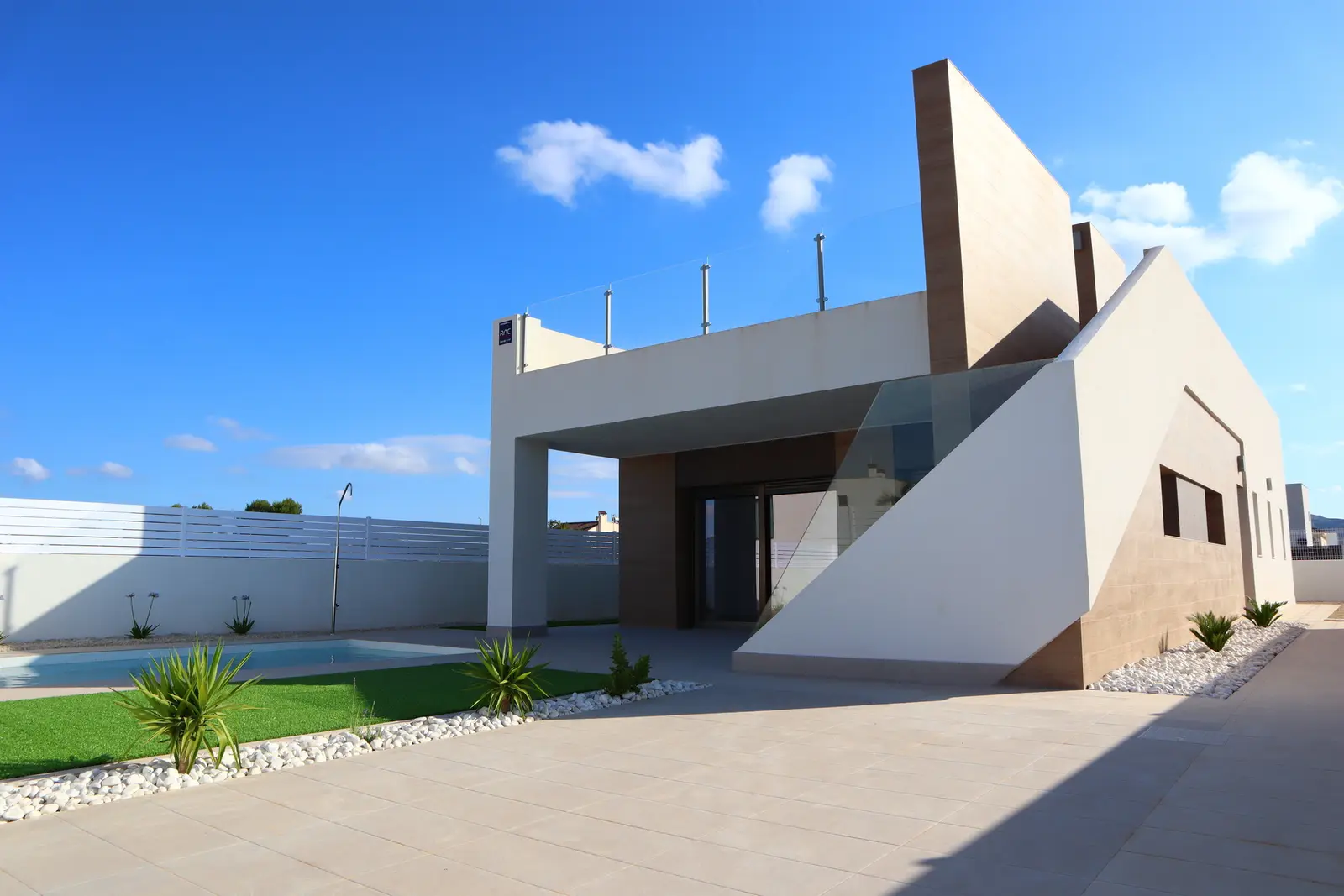
Frequently Asked Questions
Is Aspe a good place to live as an expat?
↓
Aspe suits expats who want an authentic Spanish town rather than a resort environment. veritySpain rates the residential projects it has assessed at 7.3/10 on average. The town has good supermarket access, proximity to Alicante and Elche, and a Mediterranean climate, but Spanish is the working language and English-language services are limited compared with coastal areas.
What is the cost of living like in Aspe, Spain?
↓
Grocery prices track the Spanish national average, menu del día lunches at local restaurants run roughly €10 to €14, and property transfer tax in the Valencian Community sits at 10 per cent for resale homes. Utility costs are moderate but not negligible given summer heat. Overall costs are well below northern European equivalents for comparable quality of life.
What healthcare is available in Aspe?
↓
Aspe has a public Centro de Salud for registered residents. Access to the Sistema Nacional de Salud requires empadronamiento, the municipal registration step. The nearest full hospital services are at Hospital Vinalopó and Hospital General de Elche, both around 20 kilometres away. Private health insurance, which many expats hold, covers both facilities directly.
Are there English-speaking schools in Aspe?
↓
Aspe does not currently have a bilingual English-programme secondary school. State primary and secondary schools teach in Spanish and Valencian. Families needing English-medium or bilingual education typically look at private and concertado schools in Elche or Novelda, both within roughly 20 minutes by car from the town centre.
What is the climate like in Aspe?
↓
Aspe's inland position at around 380 metres gives it a semi-arid Mediterranean climate with hot, dry summers and mild winters. Temperatures above 35°C occur in July and August. The elevation provides cooler nights than coastal Alicante. Rainfall is low and concentrated mainly in autumn and spring, with very little precipitation from June through September.
How far is Aspe from Alicante airport?
↓
Aspe is approximately 35 kilometres from Alicante's El Altet international airport, a journey of roughly 30 to 40 minutes by car depending on traffic on the A-31 motorway. The airport connects to major European hubs, which matters particularly for British, German, and Dutch residents who travel frequently between Spain and their home countries.
What is the expat community like in Aspe?
↓
Aspe has a foreign resident population distributed through the general town rather than concentrated in dedicated urbanisations. German, Dutch, and British buyers are the most represented nationalities among recent foreign purchasers, according to property registry data. Social entry comes primarily through local associations including the Moros y Cristianos brotherhoods and cultural clubs. Spanish language skills accelerate integration significantly.