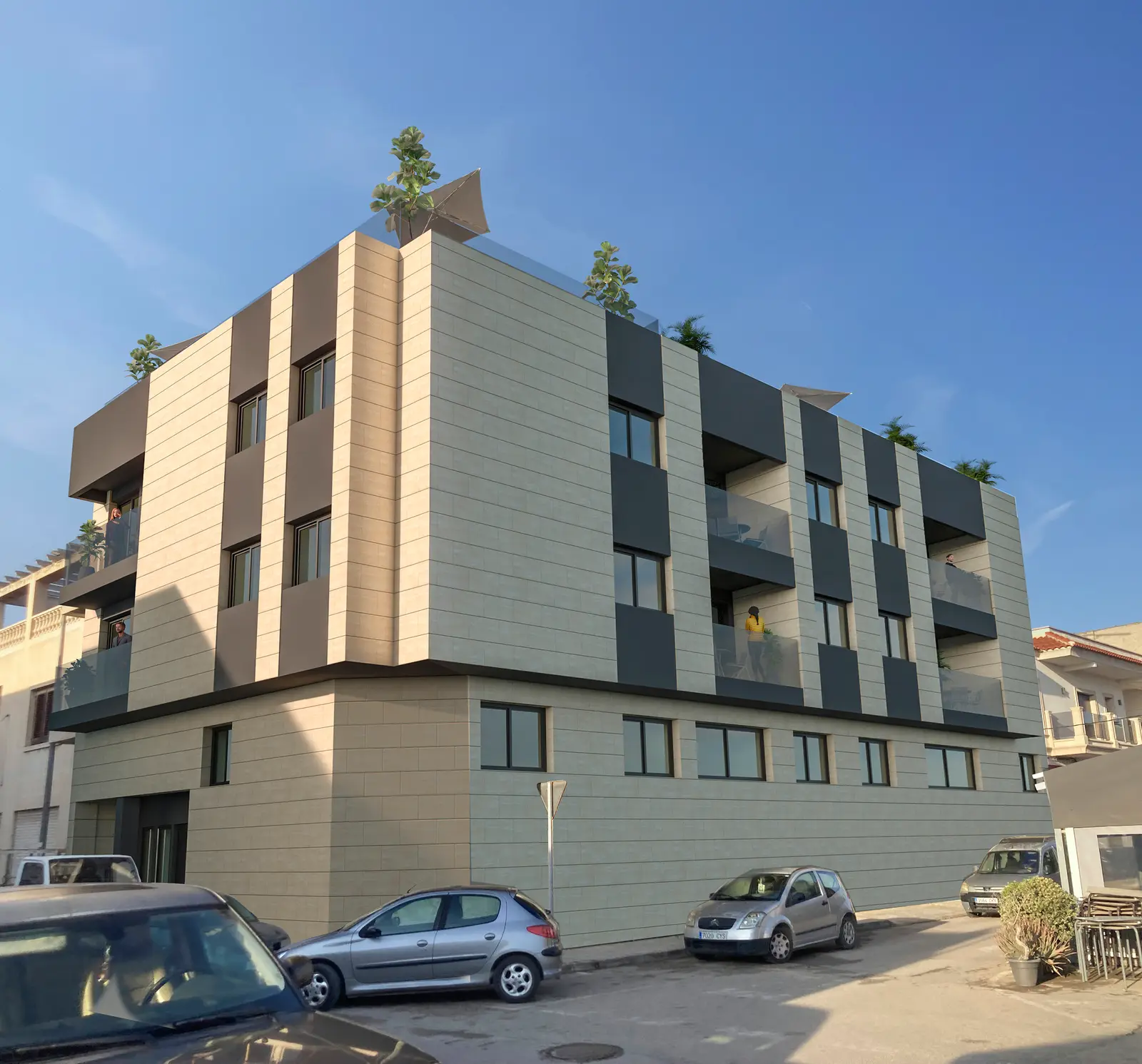
Property investment in Catral: veritySpain scores one project at 7.5/10, entry at €113,000. Inland Alicante market analysis covering rental demand, comparables and fiscal costs.
Property investment in Catral enters the conversation at a single reference point: veritySpain has assessed one project in this Alicante municipality, scoring it 7.5 out of 10, with listing prices at €113,000. That figure situates Catral firmly at the affordable end of the Costa Blanca spectrum. Small towns in the Vega Baja comarca have drawn growing attention from northern European buyers priced out of coastal hotspots. Catral sits roughly 25 kilometres inland from Torrevieja, a location that trades beach proximity for quieter streets, lower land costs, and a more stable year-round population. The trade-off is real, and any investor should weigh it honestly.
Market context in the Vega Baja
Transaction volumes across Alicante province have held up through recent cycles, according to data periodically published by INE (Instituto Nacional de Estadística). Catral itself is a small municipality, and its market moves in smaller increments than coastal towns. That limits both upside volatility and downside exposure. Prices in inland Vega Baja have historically lagged the coast by a material margin. That margin creates entry headroom. Buyers arriving with realistic yield expectations and a medium-term horizon are better positioned than those chasing short-term appreciation. Supply is constrained by the town's compact footprint and agricultural surroundings, which limits new-build competition for existing stock.
Rental dynamics and demand drivers
Catral's rental market is primarily residential, serving local workers, retirees, and a modest cohort of digital nomads drawn by cost-of-living advantages. Short-term holiday lets are a smaller segment than in coastal towns; the absence of a beach reduces peak-season demand. Long-term rental demand is steadier. Banco de España research on regional housing markets consistently notes that interior municipalities with good road access to employment centres can sustain solid residential occupancy. The A-70 and AP-7 motorways connect Catral to Elche and Alicante city, both significant employment markets. That connectivity supports baseline occupancy for well-maintained residential units.
Comparable towns and competitive positioning
Catral competes for investor attention with nearby towns such as Callosa de Segura, Almoradí, and Cox, each offering a similar profile: affordable entry, inland character, and access to the coastal economy. None of these towns commands a premium over the others by reputation alone. Differentiation comes down to specific asset quality, proximity to services, and rental management logistics. At €113,000, the Catral entry point compares well against inflated coastal prices, though investors should note that liquidity in small inland markets is thinner. Exit timelines can be longer, and valuations are more sensitive to individual property condition than in higher-velocity markets.
Regulatory and fiscal considerations
Spanish property purchase carries a transfer tax (ITP) in Alicante of 10%, plus notary, registry, and legal fees that typically add another 1.5% to 2%. New-build purchases attract IVA at 10% instead of ITP. These are fixed costs that compress net returns relative to gross yield. Annual costs include IBI (municipal rates), community fees where applicable, and non-resident income tax for foreign investors on imputed or actual rental income. None of these are unique to Catral; they apply across Spanish residential property. A qualified Spanish tax adviser and a local gestora are standard tools for managing compliance without surprises.
Key takeaways
- veritySpain scores the only tracked Catral project at 7.5/10, with a listing price of €113,000.
- Inland Vega Baja towns offer lower entry prices than the Costa Blanca coast, with thinner liquidity on exit.
- Long-term residential demand is supported by road links to Elche and Alicante city employment centres.
- Short-term holiday-let income is limited; underwrite on long-term residential occupancy, not peak-season tourism.
- Budget 11.5% to 12% above purchase price for ITP, notary, registry, and legal fees before counting fit-out costs.
The market in numbers
New-build projects in Catral
View allFrequently Asked Questions
Is Catral a good place to invest in property?
↓
Catral offers low entry prices and a veritySpain project score of 7.5/10, suggesting reasonable asset quality at this level. It suits investors with a medium-term horizon who can underwrite on long-term residential rental income rather than short-term tourism yields. Liquidity is thinner than in coastal towns, so exit timelines should be factored into any investment case.
What are typical property prices in Catral?
↓
Based on veritySpain's current feed data, the reference price for tracked projects in Catral is around €113,000. This reflects the inland Alicante market, which sits materially below coastal Costa Blanca prices. Individual property prices vary by size, condition, and location within the municipality.
What taxes apply when buying property in Catral?
↓
Resale properties in Alicante province attract transfer tax (ITP) at 10% of the purchase price. New builds are subject to IVA at 10% instead. Notary, land registry, and legal fees add roughly 1.5% to 2% on top. Total acquisition costs therefore run to approximately 11.5% to 12% above the agreed purchase price.
What rental yields can investors expect in Catral?
↓
Catral's rental market is primarily long-term residential rather than short-term holiday lets, given its inland location. Specific yield data for the municipality is limited. Investors should model conservatively on occupancy and benchmark against comparable inland Vega Baja towns rather than coastal averages, which are distorted by peak-season tourism demand.
How does Catral compare to nearby towns for investment?
↓
Catral is broadly comparable to Callosa de Segura, Almoradí, and Cox in the Vega Baja comarca. All share similar price levels, inland character, and road access to coastal employment. Differentiation between them comes down to individual asset quality, local amenities, and the investor's property management setup rather than any significant market premium for one town over another.
Can foreign buyers purchase property in Catral?
↓
Yes. EU and non-EU nationals can purchase residential property in Spain on equal terms under Spanish law. Non-EU buyers require a NIE (foreigner identification number) before completing any transaction. Non-resident owners face Spanish income tax obligations on imputed or actual rental income each year. A local gestora or tax adviser is the standard approach to managing that compliance.
Is Catral suitable for short-term holiday rentals?
↓
Catral is not a primary short-term rental market. The town sits about 25 kilometres inland from the coast, which limits tourist demand compared with seaside municipalities. Investors targeting holiday-let income should focus on coastal assets. Catral is better suited to long-term residential letting, where demand from local workers and residents provides more stable, year-round occupancy.