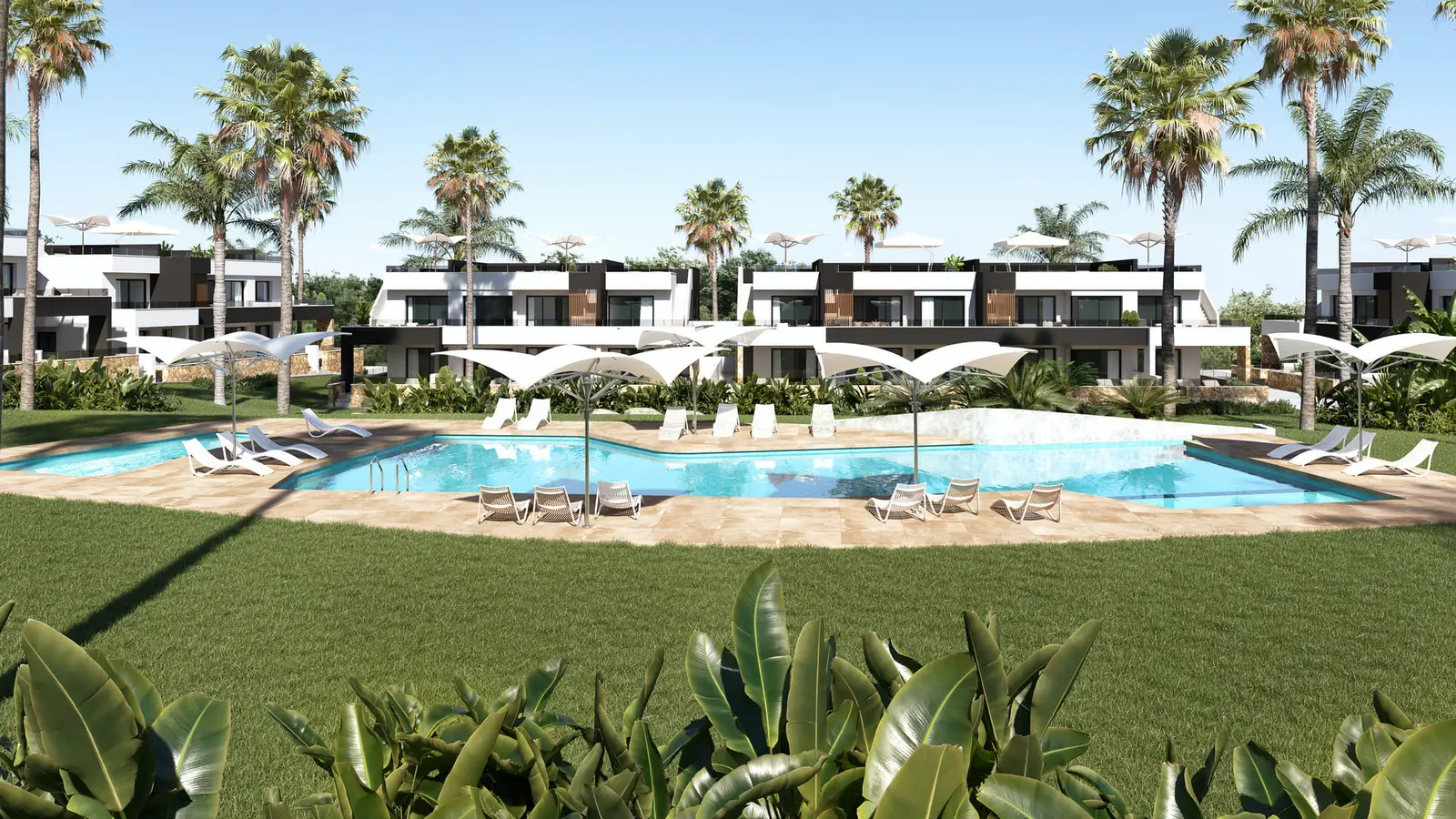
Living in Ciudad Quesada as an expat: climate, healthcare, schools, cost of living and property market data from 23 reviewed projects.
Living in Ciudad Quesada as an expat means choosing a municipality where veritySpain has reviewed 23 projects scoring an average of 7.3 out of 10, with listed properties spanning €314k to €1,590k. The town sits inland from the Costa Blanca coast in Alicante province, roughly 8 km from the beaches of Guardamar del Segura. Winters are mild, summers are long, and the permanent resident population is strongly international. That demographic mix shapes almost every aspect of daily life here, from the shops on the main avenue to the sports facilities that stay busy year-round. The cost of living is measurably lower than comparable coastal towns in the northern Costa Blanca. Infrastructure is practical rather than spectacular. For those assessing a long-term move, the combination of services and climate is worth understanding in concrete terms.
Climate and outdoor life
300 days of sunshine per year is the figure cited by the Alicante regional tourism board, and the microclimate in Ciudad Quesada bears it out. Rainfall is concentrated in autumn, typically October and November. Summer temperatures regularly reach 35°C inland, though the proximity to the coast and the prevailing levante wind moderates the heat compared with further west. Golf is the dominant leisure infrastructure: Villamartín Golf Club and La Marquesa Golf Course both sit within a few kilometres of the residential zones, drawing year-round play. Cycling routes along the Vega Baja plain offer flat terrain through agricultural land. The salt lakes of Parque Natural de la Mata-Torrevieja are 15 km north, a protected area with flamingo populations and marked walking trails. Outdoor life here is active and accessible. The calendar is not seasonal.
Healthcare and practical services
Access to healthcare is a primary concern for expats relocating permanently, and Alicante province is well served by both public and private provision. The public health centre (centro de salud) in Rojales, the municipality that administers Ciudad Quesada, covers primary care. Torrevieja Hospital, roughly 12 km south, is a public facility with a regional reputation for efficient elective procedures. Private clinics operated by Asisa, Sanitas, and Quirónsalud have consultas in the surrounding towns. English-language general practitioners operate from within the urbanisation. Prescription costs under the Spanish public system are subsidised for legal residents registered on the padrón municipal. Registering on the padrón is the administrative entry point for healthcare entitlement, school enrolment, and some tax benefits. That single step matters. Supermarkets including Mercadona and Lidl operate locally. Banking, notaries, and lawyers with English-language capability are present in the commercial zone.
Schools, communities, and cost of living
The school-age population in Ciudad Quesada is served by Spanish state schools in Rojales, while several private and semi-private international schools operate within 25 km, including schools following the British curriculum in Torrevieja and Los Montesinos. For families considering a long-term move, that educational infrastructure is a practical checkpoint. The expat community itself is primarily British, Dutch, Belgian, and Scandinavian. INE census data consistently shows Alicante province as the province with the highest concentration of British nationals in Spain. Community organisations, a foreign-residents' advice centre, and English-language church services are all established. Cost of living indexes compiled by Numbeo place Spanish mid-size towns considerably below northern European equivalents for groceries, dining, and utilities. Rental prices in Ciudad Quesada sit well below equivalents in Alicante city or the northern Costa Blanca, giving the area genuine appeal for income-sensitive relocation.
Property market and buyer profile
The 23 projects reviewed by veritySpain carry an average score of 7.3/10, with properties priced from €314k to €1,590k. That price range positions the urbanisation firmly in the mid-to-upper segment of the Vega Baja market. Buyers are predominantly non-resident EU and UK nationals purchasing holiday or primary residences. Non-resident buyers face Impuesto sobre la Renta de No Residentes (IRNR) on rental income, a legal obligation that is frequently mismanaged. Transaction costs in Spain (ITP or IVA depending on whether the property is resale or new build, plus notary, registry, and legal fees) typically add 10 to 13 percent to the purchase price. That figure should be budgeted from the outset. Transaction volumes across Alicante province have remained resilient through recent cycles, according to published data from Registradores de España, though individual micro-market conditions vary. Independent legal advice from a Spanish-qualified solicitor is not optional. It is the minimum standard of due diligence for any buyer in this segment.
Key takeaways
- Ciudad Quesada sits in Alicante province with 23 veritySpain-reviewed projects averaging 7.3/10.
- The climate delivers roughly 300 sunshine days, with mild winters and accessible outdoor infrastructure year-round.
- Healthcare access is practical: a local centro de salud, Torrevieja Hospital, and multiple private clinic options nearby.
- International schools within 25 km, a large established expat community, and padrón registration unlocking key services.
- Budget 10 to 13 percent above the purchase price for Spanish transaction costs and legal fees before committing.
The market in numbers
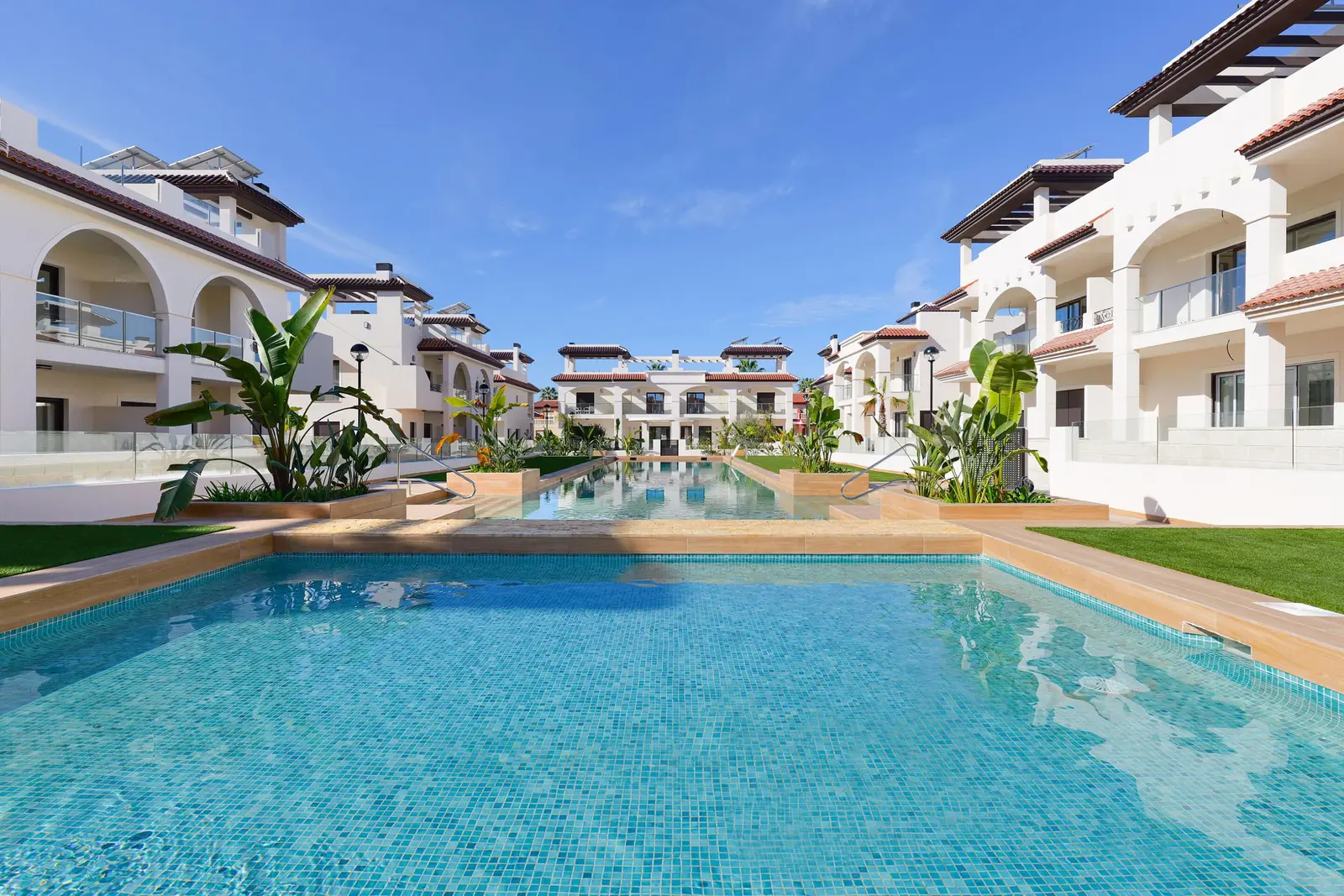
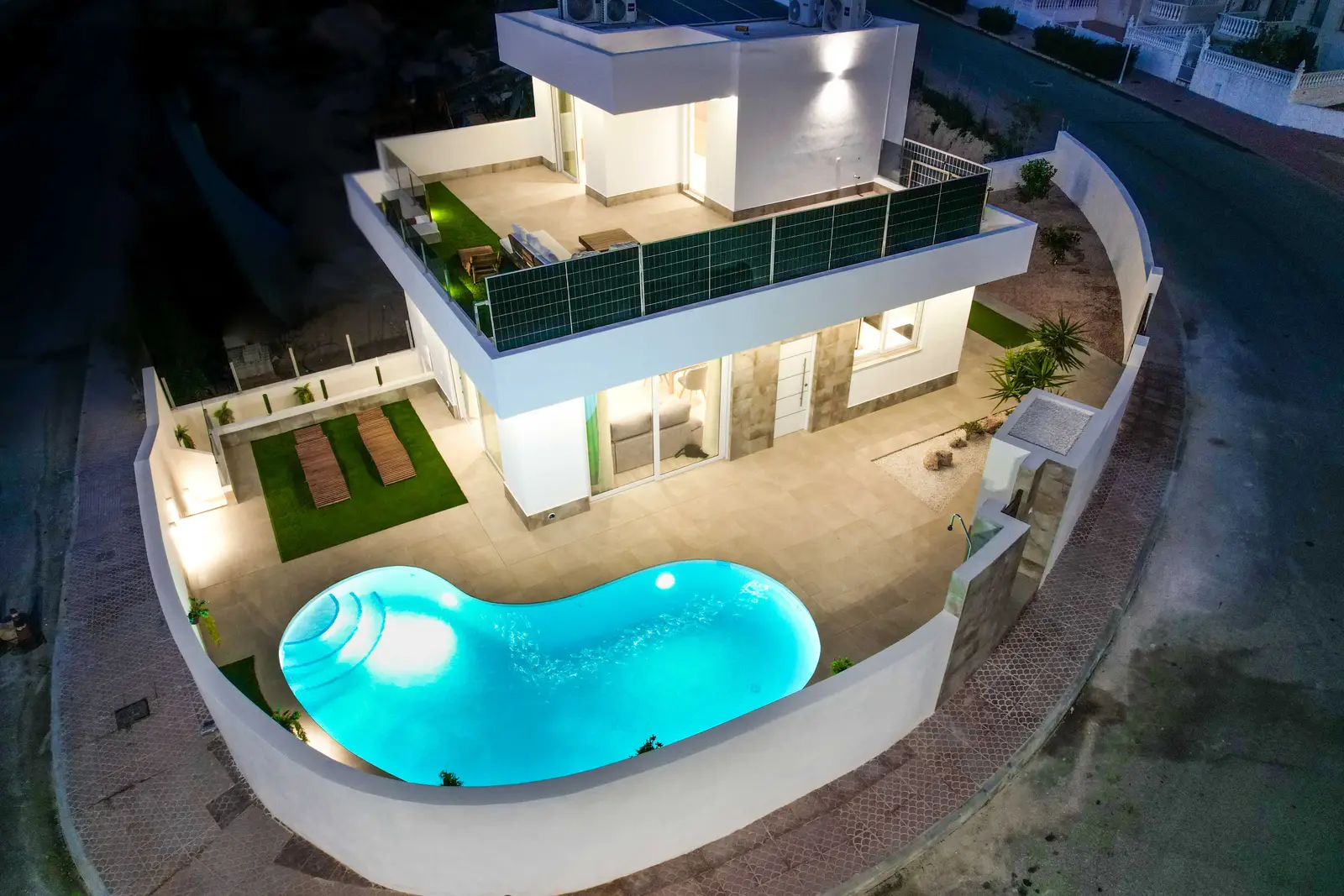
New-build projects in Ciudad Quesada
View all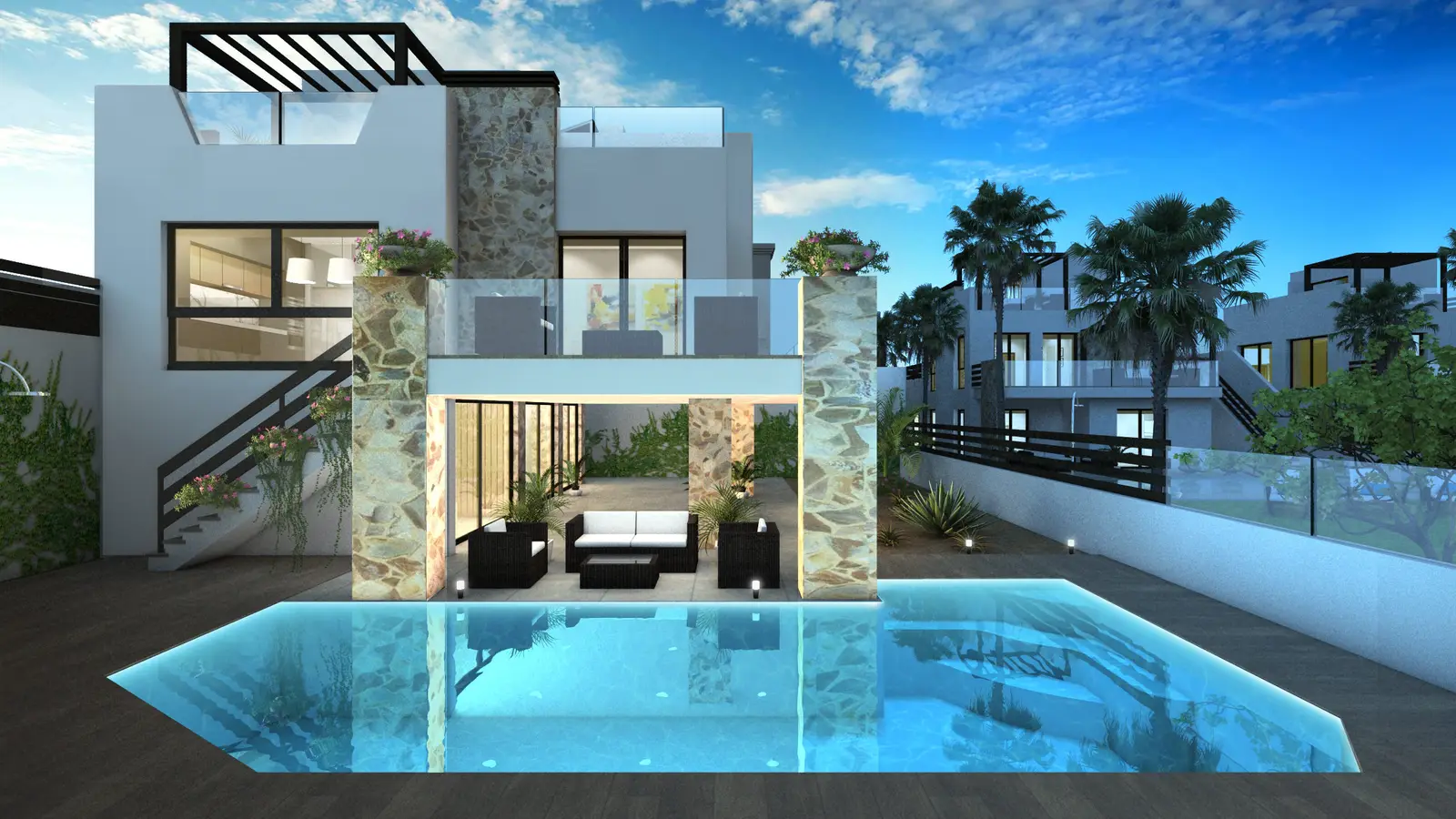
Frequently Asked Questions
Is Ciudad Quesada a good place to live as an expat?
↓
Ciudad Quesada suits expats who prioritise mild climate, low cost of living, and an established English-speaking community. Services are practical rather than extensive. veritySpain rates an average of 7.3 out of 10 across 23 reviewed local projects, reflecting solid but not exceptional fundamentals. Proximity to beaches, golf, and Alicante airport adds convenience.
What is the cost of living in Ciudad Quesada?
↓
Costs sit below comparable coastal towns in the northern Costa Blanca. Groceries, dining out, and utilities are lower than northern European benchmarks. Property prices in veritySpain-reviewed projects range from €314k to €1,084k. Rental prices are modest by Spanish coastal standards. Day-to-day expenses for a resident couple are manageable on a moderate fixed income.
How is healthcare for expats in Ciudad Quesada?
↓
Healthcare access is practical. Rojales has a public centro de salud for primary care. Torrevieja Hospital, about 12 km south, provides secondary and emergency services. Private clinics with English-speaking GPs operate locally. Legal residents registered on the padrón municipal qualify for the Spanish public health system, which significantly reduces day-to-day medical costs.
Are there English-speaking schools near Ciudad Quesada?
↓
Spanish state schools in Rojales cover compulsory education. Several British-curriculum private schools operate within 25 km, including options in Torrevieja and Los Montesinos. The choice depends on whether children will continue education in Spain or return to a home-country system. School research should start well before a move is finalised to check availability and fees.
What nationalities live in Ciudad Quesada?
↓
The community is predominantly British, with significant Dutch, Belgian, and Scandinavian populations. INE census data shows Alicante province consistently ranks as the Spanish province with the highest concentration of British nationals. This has produced a durable infrastructure of English-language services, including legal, medical, and community organisations that operate year-round.
What are the property purchase costs in Spain for foreign buyers?
↓
Transaction costs typically add 10 to 13 percent above the purchase price. This includes transfer tax (ITP on resale) or VAT (IVA on new build), plus notary, land registry, and legal fees. Non-resident buyers also face IRNR obligations on any rental income. Independent legal advice from a Spanish-qualified solicitor is essential and should be arranged before signing any reservation agreement.
What is the climate like in Ciudad Quesada?
↓
The climate is semi-arid Mediterranean. The Alicante regional tourism board cites approximately 300 days of sunshine annually. Winters are mild with average lows rarely dropping below 8°C. Summers are hot, frequently reaching 35°C, moderated by coastal breezes. Rainfall concentrates in autumn. The climate supports year-round outdoor activity, including golf, cycling, and walking on nearby nature trails.