
Living in Dehesa de Campoamor as an expat: climate, healthcare, schools, costs and legal essentials for buyers on Spain's southern Costa Blanca.
Living in Dehesa de Campoamor as an expat means settling into a low-rise coastal resort on Alicante's southern Costa Blanca where veritySpain has reviewed 7 active residential projects, scoring them an average of 7.4 out of 10, with asking prices running from €995k to €3,600k. The area occupies a peninsula in the Orihuela Costa municipality, roughly 50 kilometres south of Alicante city. Daily life here centres on the marina, the beach strips of Playa Flamenca and Campoamor beach itself, and a commercial strip that has grown steadily to serve a large permanent international population. It is not a dormitory suburb; most residents are retired or semi-retired northern Europeans who chose this stretch of coast for its climate, relative calm, and established English and Dutch-speaking services.
Climate and outdoor life
Dehesa de Campoamor sits within the driest micro-climate on the Spanish mainland: the Orihuela Costa area averages around 320 days of sunshine per year, a figure documented by AEMET, Spain's national meteorological agency, across decades of coastal southern Alicante records. Winters are mild, with daytime temperatures regularly reaching 18 to 20°C. Summers are hot and dry, with sea breezes keeping evenings tolerable. Rain falls mainly in autumn, sometimes in short, heavy bursts. This predictability shapes outdoor routines: morning walks along the 18-hole Villamartin and Las Ramblas golf courses, cycling on quiet residential roads, and evening meals on terraces that remain open well into November. The sea temperature stays swimmable from May through October. Short winters mean heating costs are low.
Healthcare and practical services
7 kilometres north lies Torrevieja, home to Hospital Universitario de Torrevieja, a publicly funded centre that consistently ranks among the most efficient hospitals in the Valencia region according to the Conselleria de Sanitat's annual performance rankings. Conselleria de Sanitat Valenciana publishes waiting-time and satisfaction data showing above-average scores for this facility. Residents registered on the padrón (municipal census) with NIE numbers gain access to the public health system; many expats supplement this with private policies from Sanitas or Adeslas, which cost considerably less than equivalent northern European cover. Several English-speaking GP practices operate within Orihuela Costa itself, and pharmacies are plentiful in the Playa Flamenca commercial zone. Dentists and specialist clinics serving international patients have multiplied as the permanent foreign population has grown.
Schools, community, and daily costs
State schooling is available in Spanish and Valencian through the local Orihuela Costa primary and secondary network, though most expat families with school-age children choose Colegio Internacional Torretas or similar private bilingual schools in the wider Torrevieja area. INE population register data for Orihuela municipality reflects a large proportion of foreign nationals, which has created a self-sustaining infrastructure of international supermarkets, English-language newspapers, and community associations covering British, Dutch, and Scandinavian residents. Cost of living is materially lower than northern Europe: weekly grocery bills, restaurant meals, and utility costs all run below what residents typically paid at home. Property costs, however, reflect the area's appeal, as the veritySpain price range of €995k to €3,600k indicates this is not a budget destination. Local bars and restaurants around the marina cater to a year-round crowd, not a purely seasonal one.
Legal and financial context for expat buyers
Spain's purchase tax structure applies to all buyers: resale properties attract ITP (Impuesto de Transmisiones Patrimoniales), set by the Valencia regional government, while new builds attract IVA at 10% plus AJD stamp duty. These are fixed legal costs, not negotiable, and buyers should budget 10 to 14% on top of the agreed purchase price for taxes and notary, registry, and legal fees. Non-resident owners face an annual non-resident income tax charge on deemed rental income from the property, calculated on the cadastral value, even if the property sits empty. Spain's Golden Visa programme historically applied to purchases above €500,000, though legislative changes have been under discussion; buyers should confirm current rules with a qualified Spanish tax adviser. Currency movements between sterling, euros, and Scandinavian crowns have historically affected purchasing power for the largest share of buyers in this market.
Key takeaways
- Dehesa de Campoamor averages 7.4/10 across 7 veritySpain-reviewed projects, with prices from €995k to €3,600k.
- The southern Alicante coast records roughly 320 days of sunshine annually, supporting a genuine year-round lifestyle.
- Hospital Universitario de Torrevieja, 7 kilometres away, ranks among the Valencia region's better-performing public hospitals.
- Buyers must budget 10 to 14% above the purchase price for ITP or IVA, stamp duty, legal, and notary costs.
- A large permanent international population means English and Dutch services are embedded, not supplementary.
The market in numbers
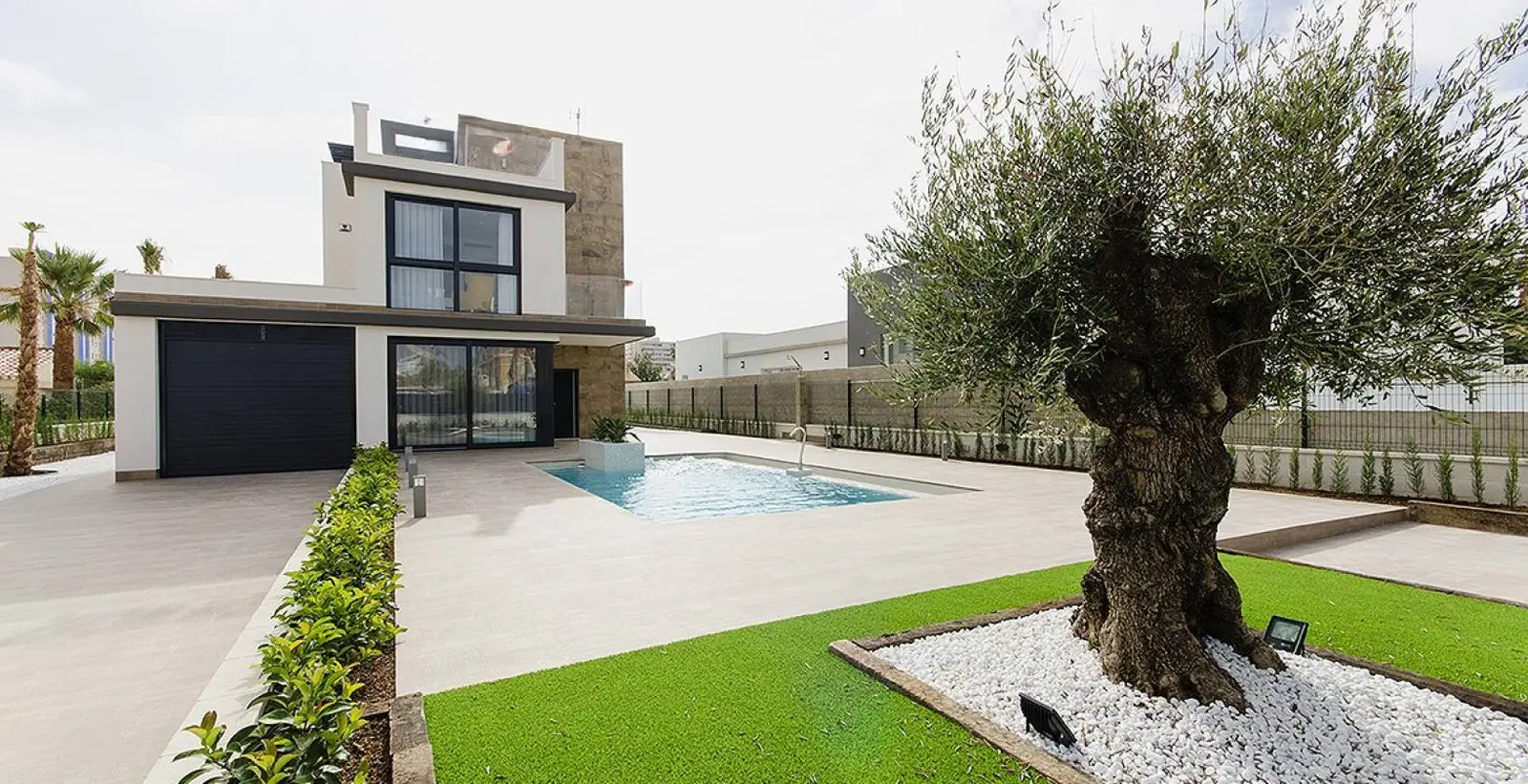
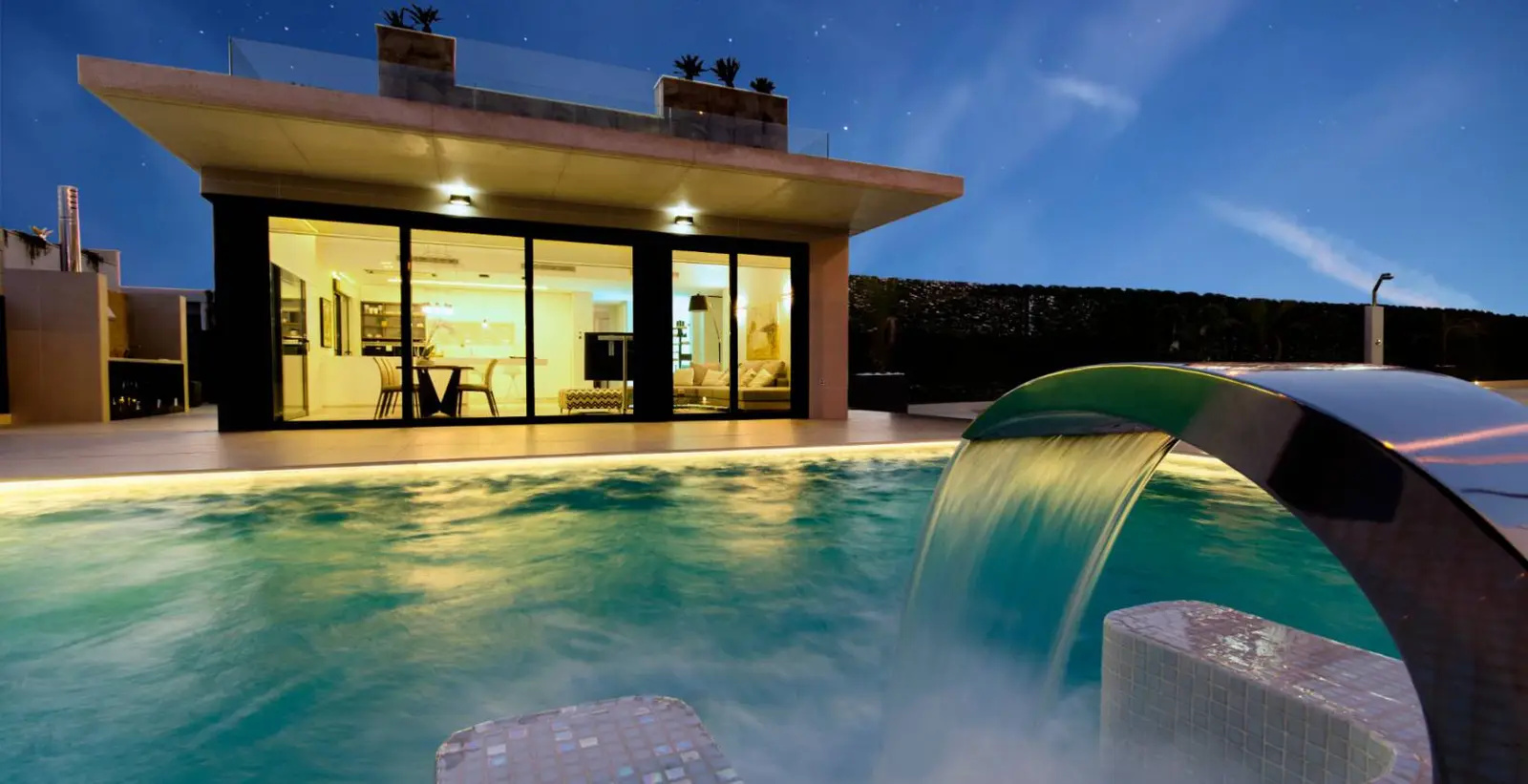
New-build projects in Dehesa de Campoamor
View all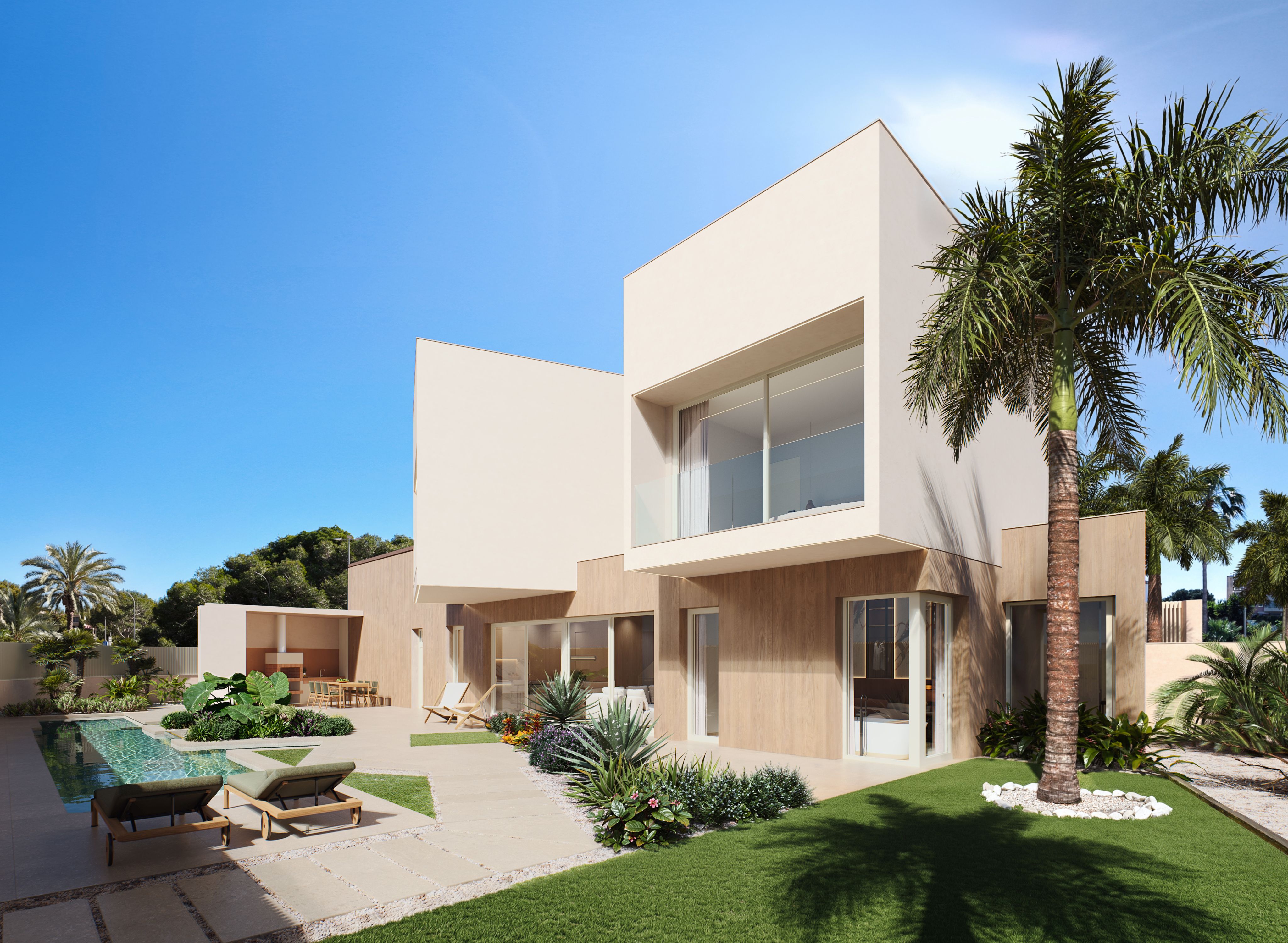
Frequently Asked Questions
Is Dehesa de Campoamor a good place to live as an expat?
↓
Yes, for the right profile. Retired and semi-retired northern Europeans form the bulk of the permanent foreign population, and the infrastructure, from English-speaking GP practices to international supermarkets, reflects that. The climate is reliably mild, services are well developed, and the marina and golf courses support an active outdoor lifestyle year-round.
What is the cost of living in Dehesa de Campoamor?
↓
Day-to-day costs including groceries, restaurants, and utilities run materially below northern European levels. Property, however, is priced at a premium: veritySpain data shows active projects asking €995k to €3,600k. Residents report that their general living expenses drop considerably compared with the UK, Netherlands, or Scandinavia.
How is healthcare for expats in Dehesa de Campoamor?
↓
Registered residents with NIE numbers access the public system, anchored by Hospital Universitario de Torrevieja roughly 7 kilometres away. Many expats add private cover from Sanitas or Adeslas, which is affordable by northern European standards. English-speaking GP practices and pharmacies operate within the Orihuela Costa commercial zone.
What schools are available near Dehesa de Campoamor?
↓
State schools operate in Spanish and Valencian through the Orihuela Costa network. Expat families with children often choose private bilingual schools in the wider Torrevieja area such as Colegio Internacional Torretas. The international community is large enough to have supported a bilingual school market for many years.
What taxes do expat buyers pay when purchasing in Dehesa de Campoamor?
↓
Resale purchases attract ITP set by the Valencia regional government; new builds pay 10% IVA plus AJD stamp duty. Total purchase costs including legal, notary, and registry fees typically add 10 to 14% to the agreed price. Non-resident owners also face an annual deemed-rental income tax on the cadastral value.
What is the climate like in Dehesa de Campoamor?
↓
The area sits within one of the driest micro-climates on the Spanish mainland, averaging around 320 days of sunshine per year according to AEMET records for southern Alicante. Winters are mild with daytime temperatures often reaching 18 to 20°C. Summers are hot and dry, with sea breezes moderating evening temperatures along the coast.
Is Dehesa de Campoamor quiet or lively throughout the year?
↓
More year-round than many Costa Blanca resorts. A substantial permanent international population keeps the marina, restaurants, and commercial strip active outside the summer peak. Community associations, golf clubs, and regular local markets give the area a settled rhythm that purely seasonal resorts lack.