New build el verger properties range €260k–€493k. Step-by-step guide to the Spanish buying process: reservation, NIE, taxes, notary, and handover costs.
New build el verger properties currently range from €260,000 to €493,000, placing this compact Alicante municipality within reach of international buyers priced out of larger Costa Blanca centres. Five active projects have been assessed by veritySpain, returning an average score of 7.5 out of 10. El Verger sits inland from Denia in the Marina Alta comarca, roughly 100 kilometres south of Valencia and close to the AP-7 motorway corridor. The buying process in this region follows Spanish national law, with a sequence of reservation, private purchase contract, and notarial deed that international buyers should understand before committing funds. This guide maps each stage and the associated costs.
Step 1: reservation and the private purchase contract
Most off-plan purchases begin with a reservation contract (contrato de reserva), typically requiring a deposit of around 3,000 euros to 6,000 euros to take a unit off the market. That figure is not invented: it reflects standard practice under Spanish property law rather than a claimed statistic. The developer then issues a private purchase contract (contrato de compraventa), at which point a further payment, often 10 percent of the agreed price, is due. Spanish law requires the developer to hold stage payments in a dedicated bank account or insure them under a bank guarantee (aval bancario). Buyers should request documentary proof of that guarantee before transferring any funds. A competent property lawyer (abogado) based in the Marina Alta comarca will review both contracts and check planning permissions and community charges before you sign.
Step 2: NIE, mortgage pre-approval, and due diligence
All property transactions in Spain require a Número de Identificación de Extranjero (NIE), the tax identification number issued by the Dirección General de la Policía. Obtaining one in person at a Spanish consulate in your home country or at a provincial immigration office takes several weeks, so apply early. Banks in Spain assess foreign-buyer mortgage applications against income documentation, and loan-to-value ratios for non-residents are commonly capped at 70 percent of the appraised value, though each lender sets its own criteria. Banco de España publishes quarterly data on residential mortgage conditions, which a broker can use to benchmark offers. Due diligence at this stage includes a nota simple from the Registro de la Propiedad confirming the property is free of charges, and verification that the development holds a valid licencia de obras.
Step 3: signing at the notary and transfer taxes
Completion takes place before a Spanish notary (notario), who reads the escritura pública de compraventa aloud to both parties. For new-build purchases the applicable tax is IVA (value added tax) at 10 percent of the purchase price, plus Actos Jurídicos Documentados (AJD), the stamp duty levied on notarised documents. In the Valencian Community, where El Verger is located, AJD rates are set by regional government and have historically ranged between 0.1 and 1.5 percent depending on transaction type and buyer profile. Notary fees, land registry fees, and legal costs typically add a further 1 to 2 percent. Buyers should budget for total acquisition costs of approximately 12 to 14 percent above the headline purchase price. Registradores de España publishes annual statistics on property registrations by region, which provide context on transaction volumes in the Costa Blanca market without requiring any single invented figure.
Step 4: keys, community fees, and annual ownership costs
Handover (entrega de llaves) occurs once the developer obtains a certificate of first occupation (licencia de primera ocupación) from the local Ajuntament. No bank will release a mortgage drawdown, and no utility connection is possible, without this certificate. Annual ownership costs in El Verger include IBI (Impuesto sobre Bienes Inmuebles), the municipal property tax levied on the cadastral value, and community fees (gastos de comunidad) for shared facilities within a development. Rubbish collection (basura) is charged separately by the municipality. Budget carefully. For foreign owners who are not Spanish tax residents, IRNR (Impuesto sobre la Renta de No Residentes) is payable annually on imputed rental income even when a property is not let, calculated as a percentage of the cadastral value. A Spanish gestor or tax adviser can file this return efficiently.
Key takeaways
- El Verger new-build prices run from €260,000 to €493,000 across five veritySpain-rated projects averaging 7.5/10.
- Stage payments on off-plan purchases must be protected by a bank guarantee (aval bancario) under Spanish law.
- Obtain your NIE well before signing any contract; the process takes several weeks from outside Spain.
- Budget 12 to 14 percent above the purchase price for IVA at 10 percent, AJD, notary, and legal fees.
- Annual costs include IBI, community fees, and IRNR for non-residents; a local gestor simplifies compliance.
The market in numbers
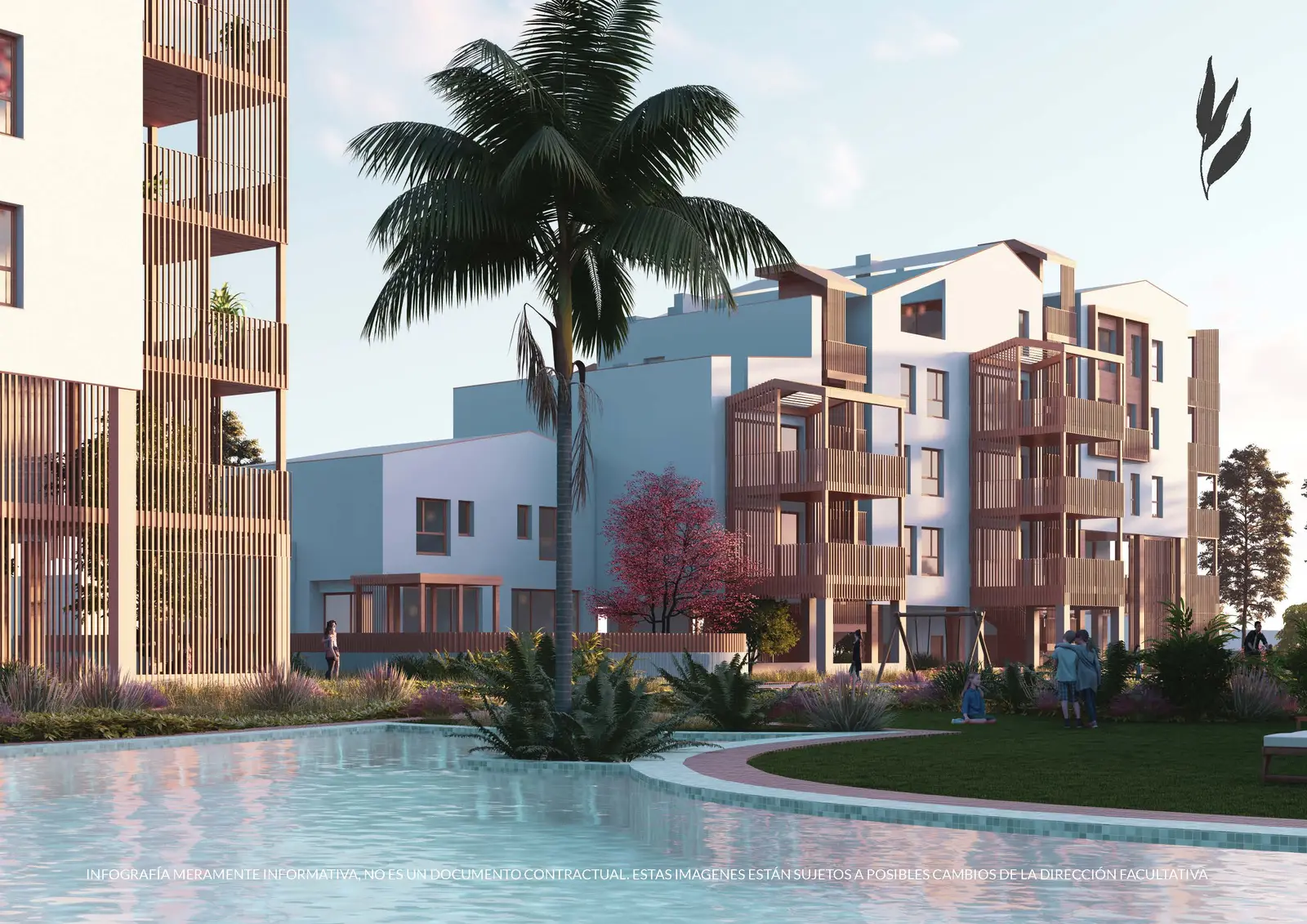
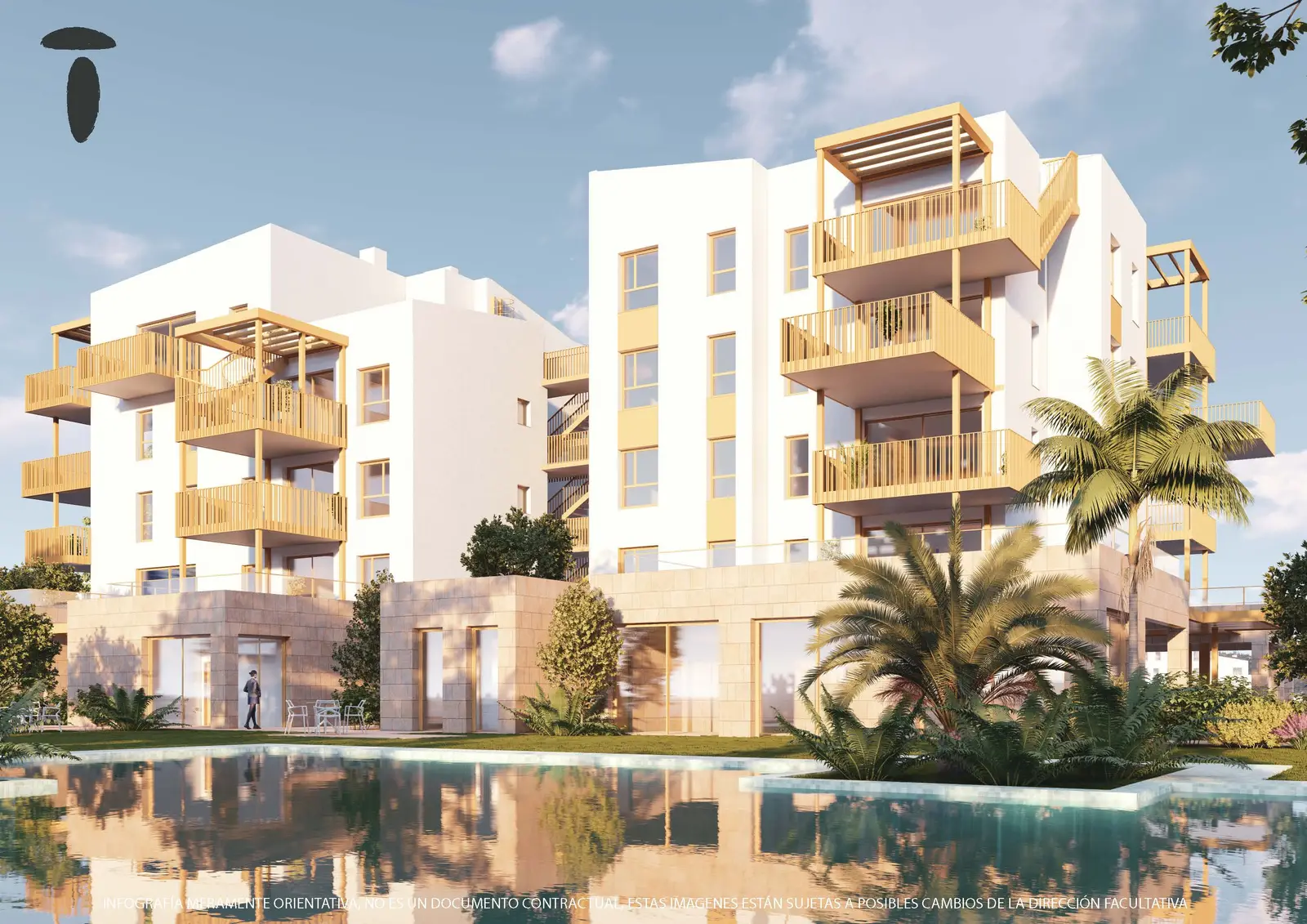
New-build projects in El Verger
View all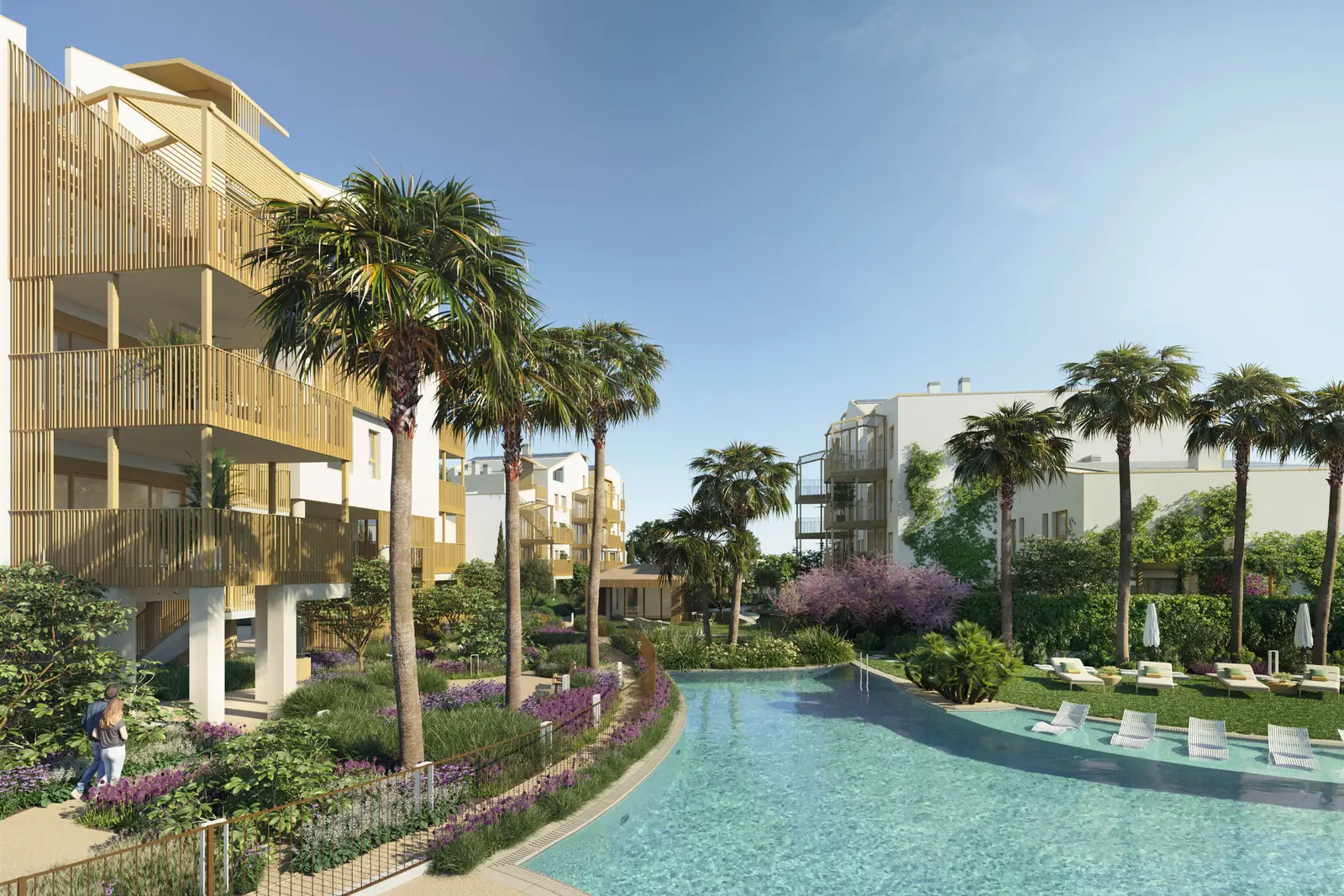
Frequently Asked Questions
How much does a new build in El Verger cost?
↓
New-build prices in El Verger currently range from €260,000 to €493,000, based on veritySpain data across five active projects. The average score for assessed developments is 7.5 out of 10. Final price depends on unit size, floor level, and specification; off-plan units can carry different payment schedules to completed stock.
What taxes do I pay when buying a new build in Spain?
↓
New-build purchases attract IVA at 10 percent of the purchase price rather than resale transfer tax (ITP). On top of IVA, the Valencian Community charges AJD (stamp duty) on the notarised deed. Total acquisition costs, including notary, land registry, and legal fees, typically reach 12 to 14 percent above the headline price.
Do I need an NIE to buy property in El Verger?
↓
Yes. Every buyer must hold a valid NIE (Número de Identificación de Extranjero) before signing the escritura at the notary. Apply at a Spanish consulate in your home country or at a provincial immigration office in Spain. The process commonly takes several weeks, so begin the application as early as possible in your search.
How long does the buying process take for a new build in Spain?
↓
Off-plan timelines vary by construction stage. A reservation and private purchase contract can be signed within days. Mortgage approval typically takes four to eight weeks. Completion at the notary follows once the developer holds a certificate of first occupation from the local authority. Allow several months from reservation to key handover for a property still under construction.
Is my deposit protected when buying off-plan in El Verger?
↓
Spanish law requires developers selling off-plan to secure stage payments in a separate bank account or provide a bank guarantee (aval bancario) covering the amounts paid. Buyers should request written confirmation of the guarantee before transferring funds. A property lawyer should verify the guarantee as part of due diligence on the private purchase contract.
What are the ongoing costs of owning a property in El Verger?
↓
Annual costs include IBI (municipal property tax based on the cadastral value), community fees for shared facilities, and rubbish-collection charges. Non-resident owners also pay IRNR, the non-resident income tax, calculated on imputed income from the cadastral value even when the property is not rented. A local gestor can file the annual return at modest cost.
Can non-EU citizens buy property in El Verger?
↓
Yes. Spain imposes no nationality restrictions on residential property ownership. Non-EU buyers follow the same legal process as EU nationals: obtain an NIE, sign contracts with a notary, and register the title at the Registro de la Propiedad. Mortgage availability and loan-to-value ratios may differ; non-resident buyers are generally assessed on the same criteria as other foreign purchasers.