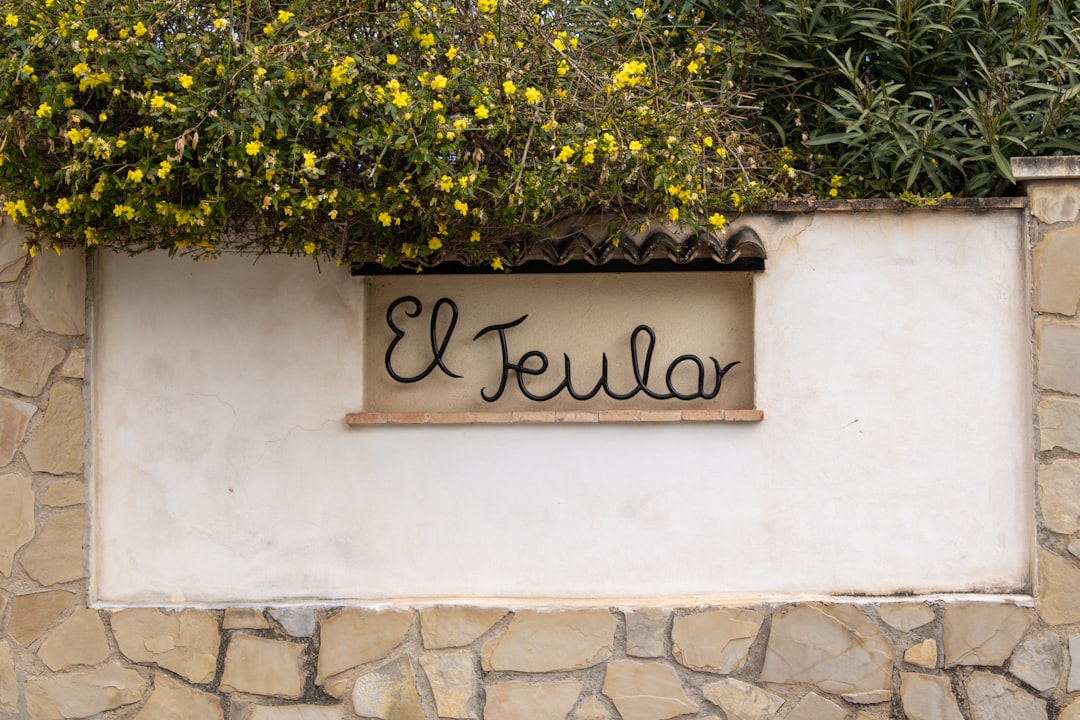
Living el verger expat guide: climate, healthcare, schools, cost of living and communities in this Marina Alta town. veritySpain analysis, 5 projects rated.
Living el verger expat life means entering a small Valencian municipality where veritySpain has analysed 5 residential projects, with scores averaging 7.5/10 and asking prices running from €260k to €493k. El Verger sits in the Marina Alta comarca, roughly 10 km north of Dénia, at the point where the Serpis river plain opens toward the Mediterranean. The population is just under 5,000 residents. A significant share are long-settled northern Europeans, which means the day-to-day infrastructure for newcomers, from multilingual solicitors to foreign-language GP consultations, is already in place. The municipality is small enough to feel cohesive and large enough to support weekly market days, a public health centre, and reliable bus connections to Dénia and Gandia. veritySpain data, 2025
Climate and daily rhythm
El Verger records more than 300 days of sunshine per year, a figure consistent across the Costa Blanca norte as a whole. Summers are warm and dry, with July and August temperatures regularly reaching 32–34 °C inland, while prevailing sea breezes from the south-east moderate coastal areas. Winters are mild: frost is rare below the surrounding mountains, and outdoor dining continues year-round in the town square. Rain falls mainly in autumn, often sharply, which feeds the irrigated orange and almond groves that define the agricultural strip around the town. The seasonal calendar shapes daily life directly. Local markets rotate between neighbouring towns: Dénia on Monday, Pego on Tuesday, El Verger itself on Saturday morning. This gives residents access to fresh produce without reliance on large supermarkets. The rhythm is unhurried by northern European standards. Shops close for a midday break from approximately 14:00 to 17:00. That pause is not an inconvenience to adapt around; most long-term expats come to regard it as a structural feature worth preserving.
Healthcare and schools
El Verger is served by the Centro de Salud on Calle Alicante, part of the Departament de Salut Dénia network, which operates through a public-private partnership with Ribera Salud. Residents registered on the padrón municipal gain access to this network at no additional cost under the Spanish Sistema Nacional de Salud. English-speaking GPs and multilingual nursing staff are available, reflecting the area's established international population. Specialist referrals go to the Hospital de Dénia, approximately 10 km south, which covers surgery, emergency care, and outpatient clinics. Sistema Nacional de Salud, Spain Private insurance supplements are common among expats for faster access to specialists and elective procedures; premiums for a healthy adult in this age bracket typically run considerably lower than equivalent cover in northern Europe. For families with children, the nearest Spanish state secondary school is in Dénia. There is no English-medium international school in El Verger itself, though several operate within a 30-minute drive toward Jávea and Calpe. The British School of Valencia and other international schools are accessible for families prioritising continuity with a British or American curriculum, though the commute is substantial.
Cost of living
El Verger offers a cost structure materially lower than equivalent coastal towns on the Costa del Sol or the Balearics. Groceries purchased at local markets or the Mercadona in Dénia run at a discount to northern European equivalents. A weekday menú del día, a two-course lunch with bread and a drink, costs between €10 and €13 at the town's bars. Utilities are a more complex picture: electricity tariffs in Spain are indexed to wholesale market prices and have been volatile in recent years, which affects monthly bills more than many buyers anticipate. Community fees in new-build developments in the €260k–€493k price bracket typically cover pool maintenance, communal garden upkeep, and sometimes building insurance. Buyers should request a full breakdown of cuotas de comunidad before signing any reservation contract, as these vary substantially between projects. Property transfer taxes in the Comunitat Valenciana are governed by Impuesto de Transmisiones Patrimoniales for resale properties and IVA plus Actos Jurídicos Documentados for new builds. The exact rates are set by the regional government and should be confirmed with a local gestor or abogado at the time of purchase, as they are subject to revision.
Expat communities and social life
El Verger has an active Residents' Association, and the wider Marina Alta area supports several British, Dutch, and German social clubs based in Dénia. The town itself organises fiestas around its patron saint's day in August and during Fallas in March, both of which draw significant local and neighbouring participation. The Saturday market is a de facto social gathering point for the international community. Voluntary organisations, including the Red Cross and local charitable groups, provide another entry point for newcomers who want to integrate beyond the expat social circuit. Language is a practical consideration. Catalan Valencian is the co-official language alongside Castilian Spanish in this comarca, and while Castilian is universally understood, learning at least conversational Valencian is appreciated by local residents and useful in civic contexts such as dealing with the Ajuntament. Several language-exchange groups operate in Dénia for those who want structured practice. The proximity to Jávea, Calpe, and Gandia means that the range of international restaurants, English-language bookshops, and specialist food importers within a 30-minute drive is substantially wider than El Verger's own modest high street might suggest.
Key takeaways
- El Verger has 5 veritySpain-analysed projects, averaging 7.5/10, priced between €260k and €493k.
- The Spanish public health system covers padrón-registered residents; private supplements reduce specialist waiting times significantly.
- Local cost of living runs below comparable coastal destinations; utility bills are the most variable line item to budget carefully.
- English-medium international schools are within a 30-minute drive but not located in El Verger itself.
- Property taxes vary by transaction type; independent legal advice from a local abogado is essential before committing.
The market in numbers
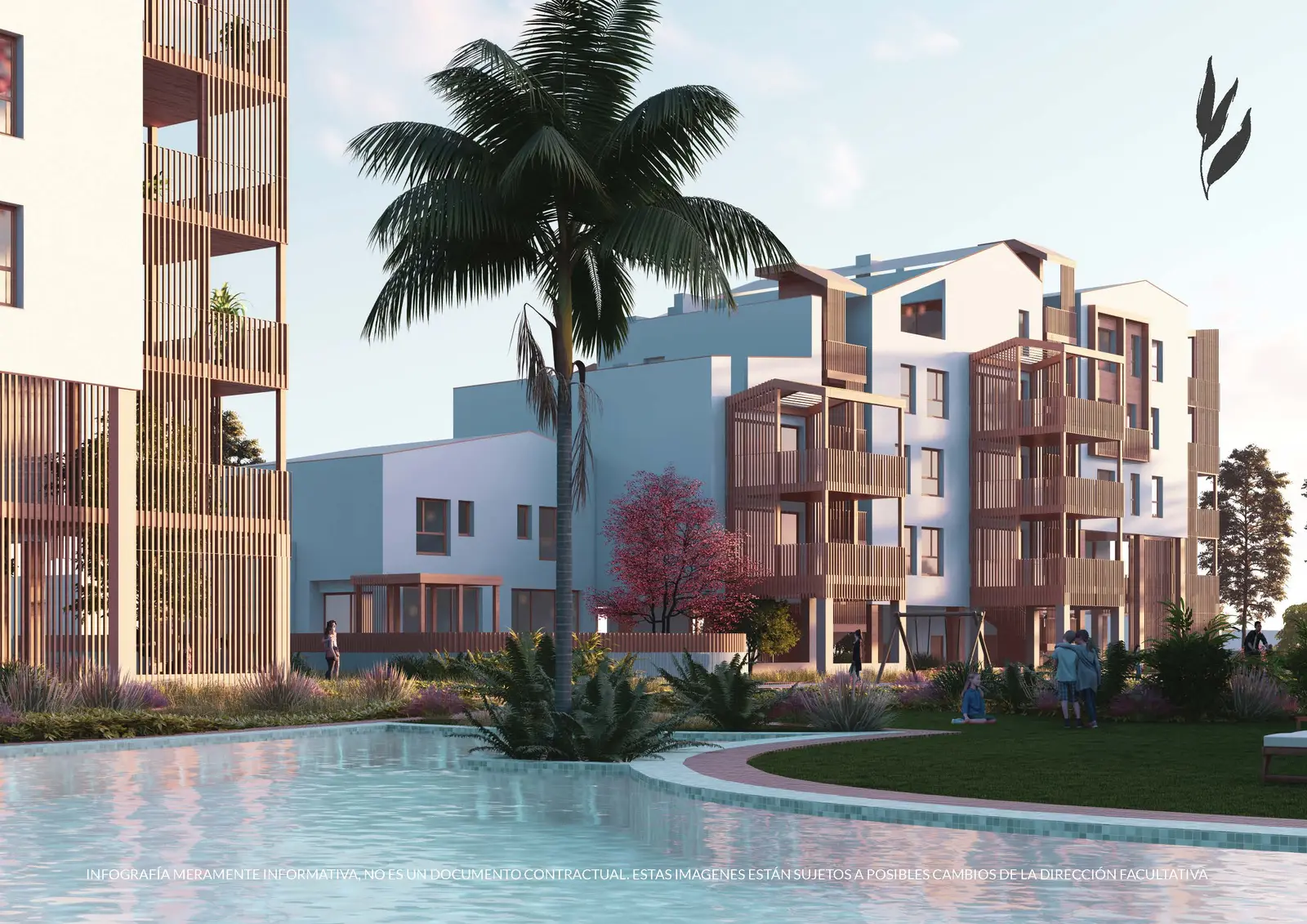
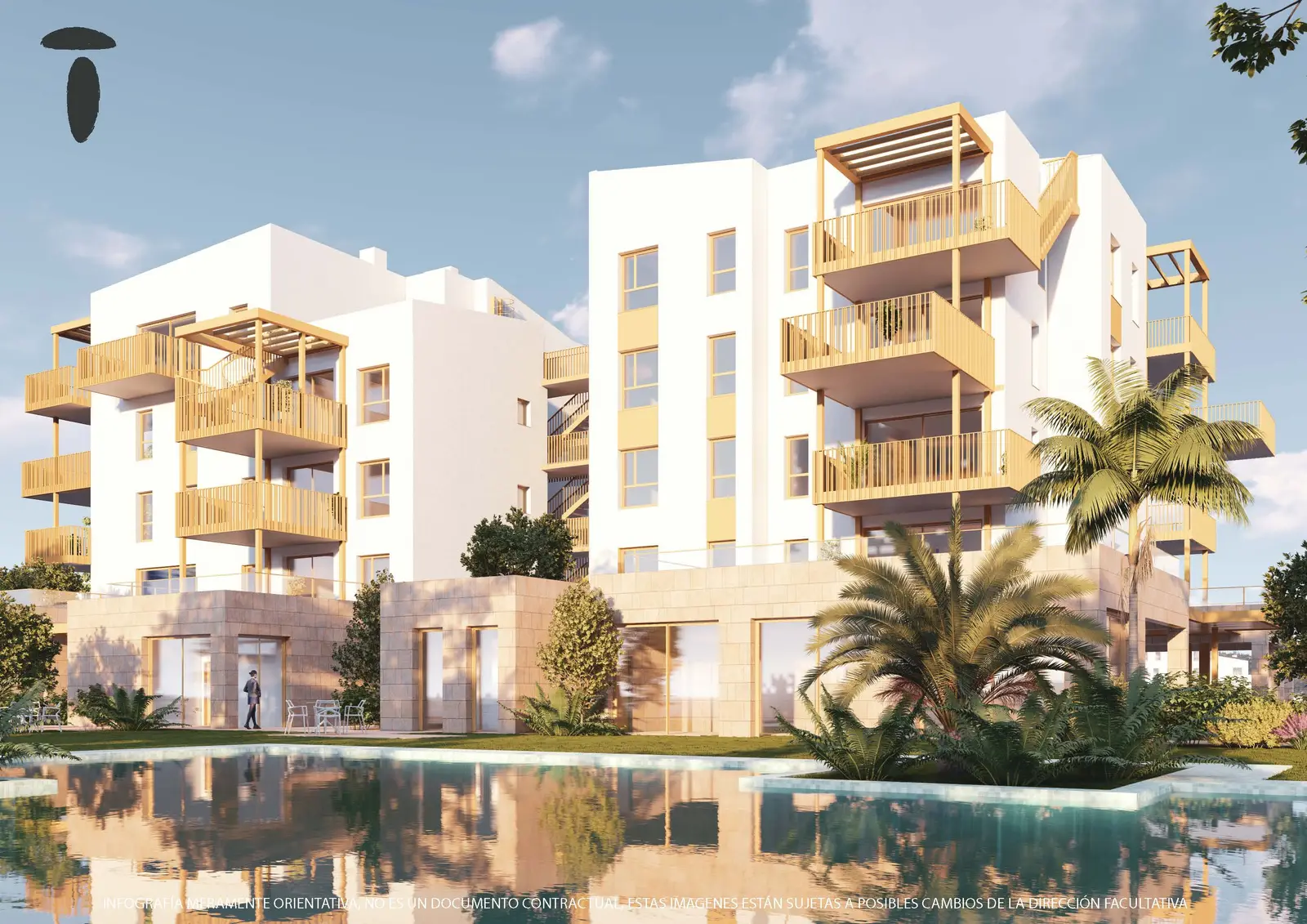
New-build projects in El Verger
View all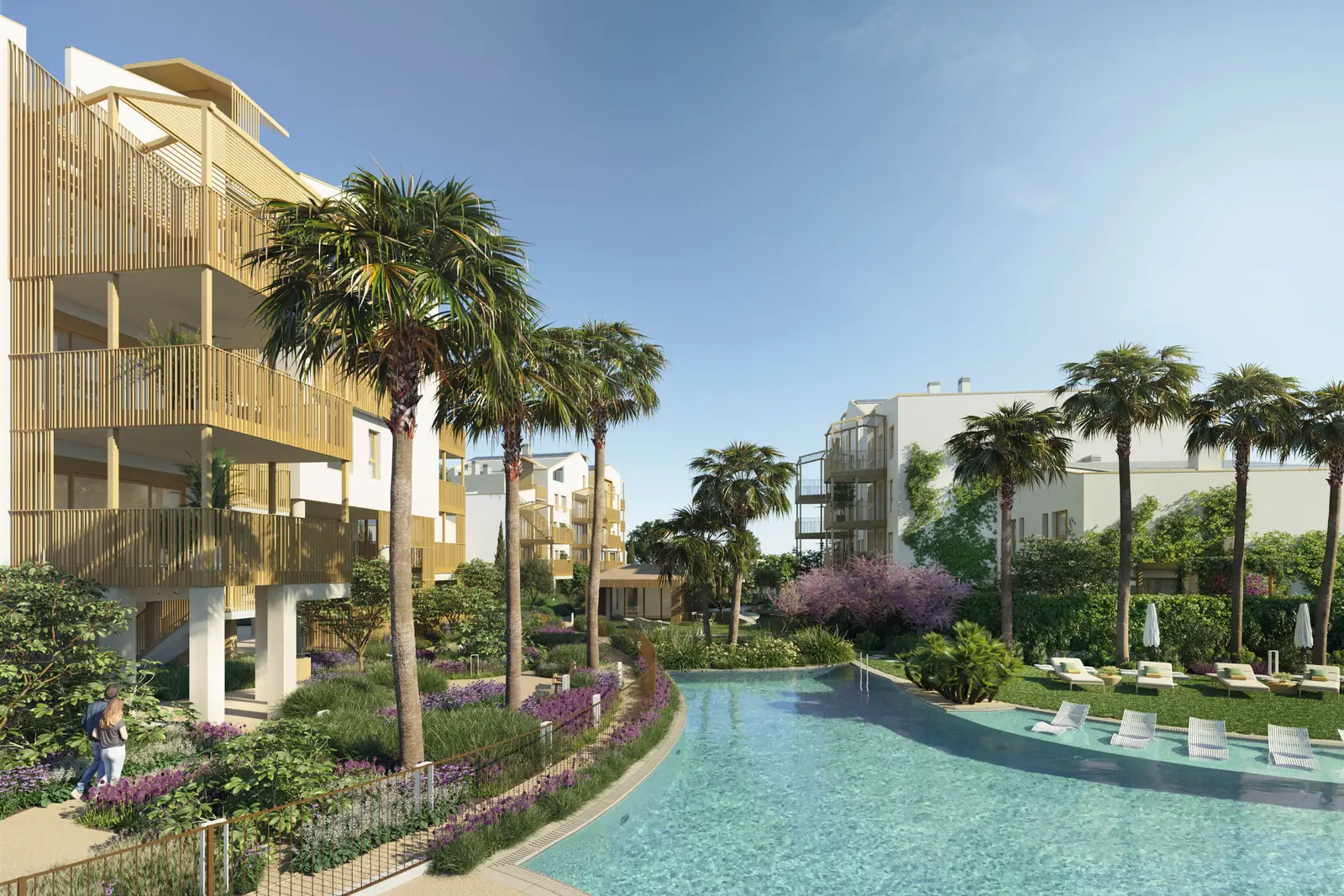
Frequently Asked Questions
Is El Verger a good place to live as an expat?
↓
El Verger suits expats who want a small, established international community without the density of larger resort towns. veritySpain rates 5 local projects at an average of 7.5/10. Infrastructure for newcomers, including multilingual healthcare and English-speaking legal services, is already in place. The town is quieter than Dénia but well connected to it.
What is the cost of living in El Verger, Spain?
↓
Day-to-day costs run below northern European levels. A weekday lunch at a local bar costs roughly €10 to €13. Groceries at local markets are notably affordable. Electricity bills have been more volatile in recent years due to wholesale market pricing. Community fees in new-build developments vary and should be checked carefully before purchase.
How is healthcare for expats in El Verger?
↓
El Verger is served by the Centro de Salud Dénia network, run under the Sistema Nacional de Salud. Residents registered on the padrón gain public health access. The Hospital de Dénia handles specialist and emergency care. Many expats also carry private supplemental insurance for faster specialist access, which is considerably cheaper here than in northern Europe.
Are there English-speaking schools near El Verger?
↓
There is no English-medium international school in El Verger itself. Spanish state schools serve the town, with secondary provision in Dénia. Several international schools offering British and American curricula operate within approximately 30 minutes by car, toward Jávea and Calpe. Families should factor school commutes into their location decision.
What language is spoken in El Verger?
↓
Castilian Spanish is universally spoken and understood. Valencian, the regional co-official language, is also used in civic and some commercial contexts. Most long-term expats learn conversational Castilian at minimum. Language-exchange groups in nearby Dénia offer structured practice. The established international community means English is widely understood in services catering to foreign residents.
What are the property taxes when buying in El Verger?
↓
New-build purchases attract IVA plus Actos Jurídicos Documentados, both set at regional and national levels. Resale properties are subject to Impuesto de Transmisiones Patrimoniales at rates set by the Comunitat Valenciana. Rates are subject to change and should be confirmed with a local abogado or gestor at the time of purchase rather than assumed from older guidance.
What is the community like for expats in El Verger?
↓
El Verger has a long-established northern European community, predominantly British, Dutch, and German. A local Residents' Association is active, and social clubs in nearby Dénia extend the network further. The Saturday market functions as a regular informal gathering point. Town fiestas in August and March draw both local and international residents into shared civic life.