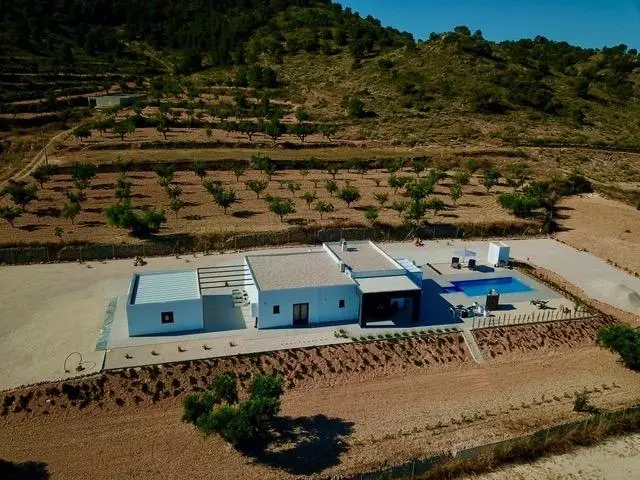
New build la canalosa properties range from €215k to €410k. Step-by-step buying guide for international purchasers: contracts, NIE, taxes, completion.
New build la canalosa is a small but growing segment of the Costa Blanca interior market, with veritySpain-tracked projects spanning €215,000 to €410,000 and an average editorial score of 7.2 out of 10. La Canalosa sits in the Hondón de las Nieves municipality in the Vinalopó Medio comarca, roughly 40 kilometres inland from Alicante. Buyers here are typically seeking a quieter alternative to the overcrowded coastal strips. This guide walks international purchasers through each formal stage, from signing a reservation contract to collecting keys, and sets out the cost layers that shape total outlay in this province.
Reservation and preliminary contracts
A reservation contract secures your chosen plot or unit and typically requires a deposit of between €3,000 and €6,000, payable on the day of signing. That sum is held by the developer and is deducted from the final purchase price. Speed matters here: in a small supply market such as La Canalosa, units at this price point can move quickly. After reservation, the next formal step is the contrato de arras or contrato privado de compraventa, which is the private purchase agreement. At this stage buyers typically commit 10 percent of the agreed price. Losing the arras through buyer withdrawal means forfeiting the deposit; a developer withdrawal obliges them to return double. Appoint a Spanish-qualified independent lawyer before signing anything. They will carry out due diligence on the developer's build licence, the nota simple from the Land Registry, and the community of owners (comunidad de propietarios) statutes.
NIE, mortgage and banking
Foreign buyers need a Número de Identificación de Extranjero (NIE) before any notarial act can proceed. The NIE is a tax identification number issued by the Spanish National Police. Applications can be lodged at a consulate in your home country or at a Policía Nacional office in Alicante province. Allow two to four weeks. A Spanish bank account is also essential: mortgage repayments, community fees and utility direct debits all require a Spanish IBAN. Non-resident buyers can access Spanish mortgage finance, though lenders typically restrict the loan-to-value ratio to 60–70 percent of the appraised value, compared with higher limits for residents. Banco de España supervisory data shows that new mortgage origination in the Valencia Community has remained active across the mid-price segment, though loan terms and fixed-rate spreads vary between lenders and should be compared across at least three institutions.
Taxes and purchase costs
New-build purchases in Spain are subject to IVA (VAT) at 10 percent of the purchase price, plus Impuesto de Actos Jurídicos Documentados (AJD), the stamp duty equivalent, which in the Valencia Community stands at 1.5 percent of the declared value. Together with notary fees, Land Registry fees and lawyer's fees, total acquisition costs on a new build in Alicante province generally run to 13–15 percent above the agreed price. On a property at the lower end of the La Canalosa range, that means budgeting a meaningful additional sum on top of the headline price. Resale properties attract a different tax, ITP (Impuesto de Transmisiones Patrimoniales), currently set at 10 percent in the Valencia Community for most transactions. Registradores de España publishes annual data on property registrations by province, which gives context on overall transaction volumes in the Alicante market without requiring buyers to rely on developer-supplied figures.
Completion and handover
Completion takes place before a notary public (notario), who reads the public deed of sale (escritura de compraventa) aloud before all parties sign. Bring your NIE, passport, proof of funds or mortgage offer, and the signed private contract. The notary fees are regulated by a national scale and are not individually negotiable. After signing, the escritura must be registered at the Registro de la Propiedad; this process typically takes two to eight weeks. During that window you already hold the keys and are the legal owner, but the property does not appear in your name in the public registry until registration completes. New-build handovers include a snagging inspection (listado de defectos) that buyers are entitled to conduct before signing. Document every defect in writing and ensure the developer signs the list. Structural defects carry a ten-year guarantee under the Spanish Ley de Ordenación de la Edificación.
Key takeaways
- La Canalosa new builds tracked by veritySpain range from €215,000 to €410,000 with a 7.2/10 average score.
- Appoint an independent Spanish lawyer before signing a reservation contract or private purchase agreement.
- Obtain your NIE and open a Spanish bank account before the notarial completion date.
- Budget 13–15 percent above the headline price to cover IVA, AJD, notary, registry and legal fees.
- Exercise your right to a written snagging inspection at handover; structural defects carry a ten-year statutory guarantee.
The market in numbers
New-build projects in La Canalosa
View all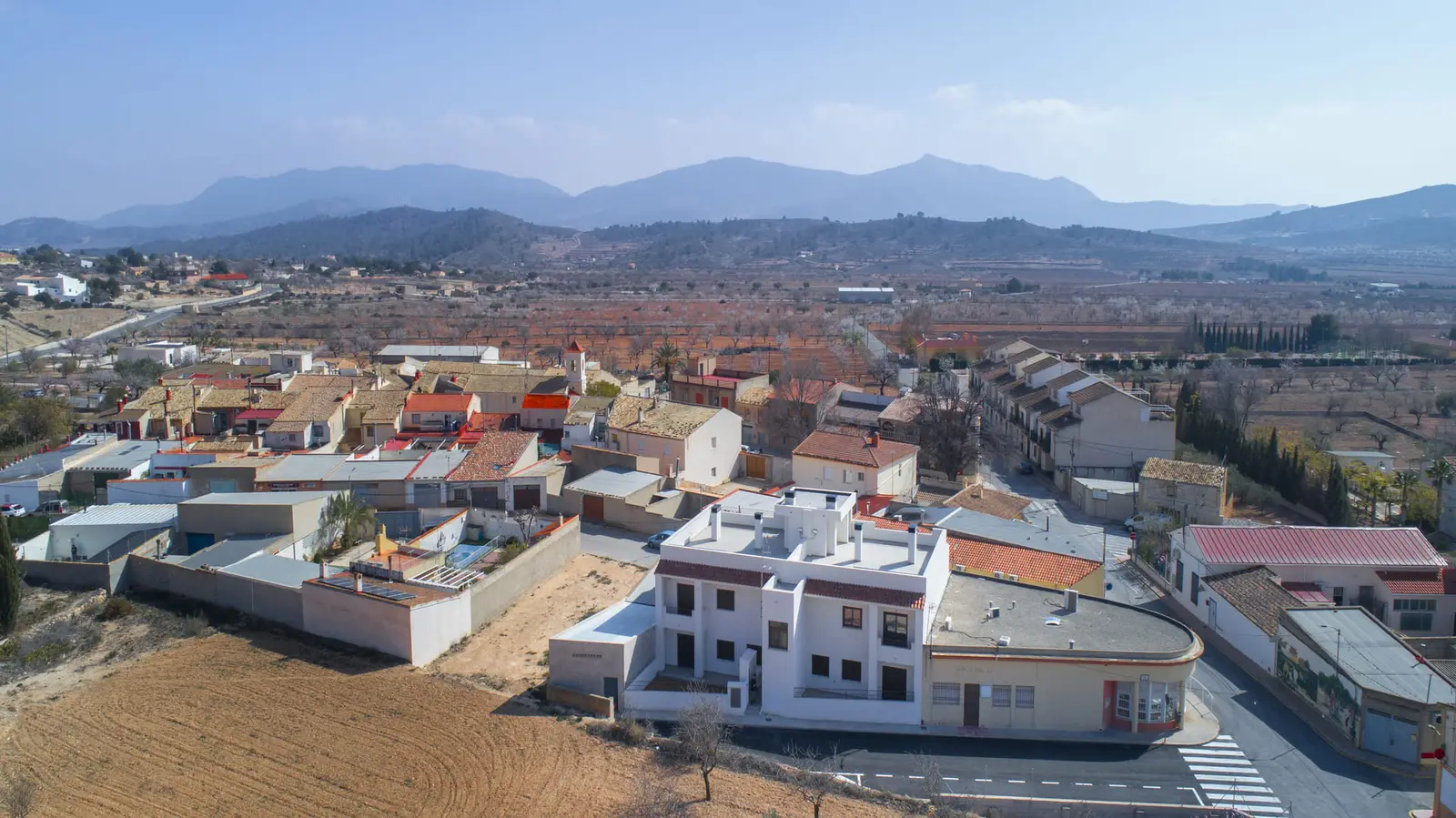
Frequently Asked Questions
How much does a new build in La Canalosa cost?
↓
veritySpain-tracked new builds in La Canalosa range from €215,000 to €410,000. The range reflects differences in plot size, build specification and phase of development. Buyers should add 13–15 percent on top of the headline price to cover taxes, notary fees and legal costs before arriving at their true total outlay.
What taxes do I pay when buying a new build in Spain?
↓
New build purchases attract IVA at 10 percent of the agreed price plus stamp duty (AJD) at 1.5 percent in the Valencia Community. Resale properties pay ITP instead. On top of those headline taxes, buyers pay notary fees, Land Registry fees and, if using an independent lawyer, professional fees.
Do I need a NIE to buy property in La Canalosa?
↓
Yes. A Número de Identificación de Extranjero (NIE) is mandatory before a notarial deed can be signed. Apply at a Spanish consulate in your country or at a Policía Nacional office in Alicante province. The process typically takes two to four weeks, so begin the application early in your search.
Can non-residents get a mortgage for a Spanish new build?
↓
Non-residents can access Spanish mortgage finance. Most lenders cap the loan-to-value ratio at 60–70 percent of the appraised value for non-residents, compared with higher limits for residents. Compare offers from at least three lenders and factor in arrangement fees, valuation costs and the binding offer (FEIN) documentation requirements.
How long does the buying process take in Alicante province?
↓
From reservation to key handover on a new build that is already under construction, the timeline is typically three to six months. Off-plan purchases can extend to 12–24 months depending on build stage. Land Registry registration after completion takes a further two to eight weeks but does not prevent you from taking possession of the property.
What is a snagging inspection and is it legally required?
↓
A snagging inspection (listado de defectos) is a documented check of the property at handover, identifying any defects or unfinished works. It is not legally mandatory, but buyers are entitled to conduct one before signing the final deed. Record all defects in writing and have the developer countersign the list to preserve your warranty rights.
Is La Canalosa a good area to buy property?
↓
veritySpain assigns the projects it has analysed in La Canalosa an average editorial score of 7.2 out of 10, based on data quality, pricing and location fundamentals. The area suits buyers seeking a quieter inland setting at a lower price point than the coastal strip. As with any small market, supply is limited and due diligence on individual developers is essential.