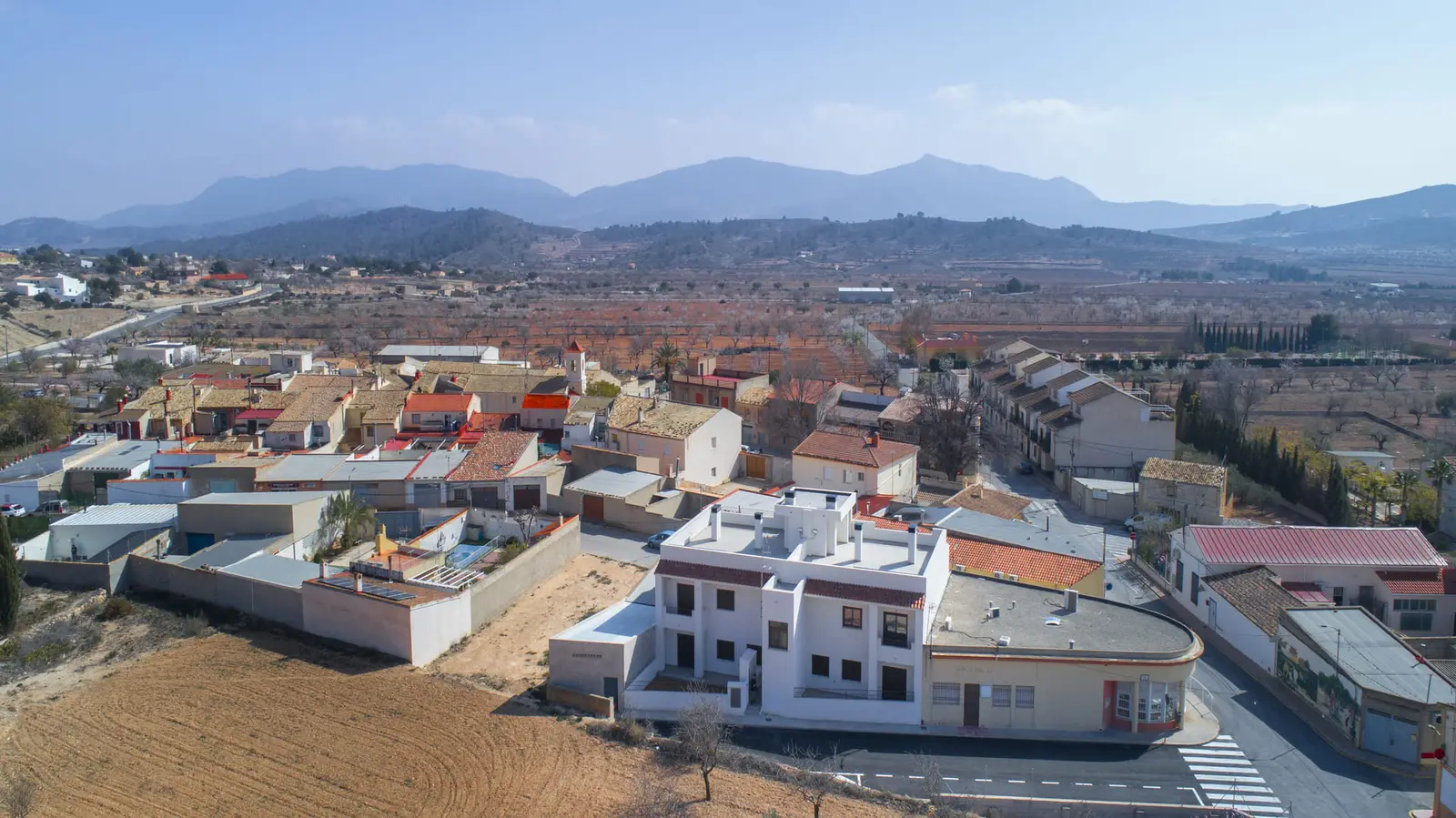
Property investment in La Canalosa: veritySpain analyses 2 projects scoring 7.2/10, with asking prices from €215k to €410k. Read the independent market view.
Property investment in La Canalosa starts with a narrow but real data set: veritySpain has analysed two residential projects in this Alicante municipality, returning an average score of 7.2 out of 10, with asking prices spanning €215k to €410k. That score reflects sound fundamentals rather than speculative momentum. La Canalosa sits in the southern interior of Alicante province, roughly equidistant from the coastal resorts of Torrevieja and the provincial capital, a position that shapes both its pricing and its buyer profile. The market is small. Serious buyers should treat it accordingly, weighing it as a lower-volume, lower-competition alternative to the saturated costal strip rather than as a high-liquidity urban bet.
Market context and pricing
The €215k–€410k price range across two veritySpain-tracked projects points to a wide spread for a single municipality. At the lower end, buyers are typically acquiring smaller villas or townhouses on modest plots; toward €410k, the offer shifts to detached properties with larger land. veritySpain editorial data places both analysed projects above the publication's 6.0 publication threshold, which suggests the underlying asset quality clears a basic bar. Spain's broader residential market has seen sustained price growth in southern Alicante over the past several years, driven by continued northern-European demand. La Canalosa, being inland rather than coastal, generally prices below comparable coastal municipalities, which represents a structural discount that can be meaningful for buyers with a longer horizon. Low transaction volumes are a fact of life here. Liquidity should be factored in before any purchase decision.
Rental yield and income potential
Rental yield data specific to La Canalosa is not available in sufficient volume to cite precise figures. Overstating rental returns is one of the most common errors in inland Spain commentary. What the geography supports is a view: proximity to Torrevieja and the CV-95 corridor means medium-term rental demand exists, primarily from workers and families rather than the short-stay tourist market that dominates the coast. Short-term holiday lets are a different story. The municipality's inland character limits peak tourist rental weeks compared with beachfront Alicante. Buyers targeting rental income should model conservative occupancy rates. Banco de España publishes residential rental indices that, taken at the provincial level, provide a useful ceiling when estimating sustainable yield. Independent modelling from that base, discounted for inland location, is the appropriate method.
Buyer profile and demand drivers
Two verified projects in a municipality is a thin market. It is not a thin market because demand is absent; it reflects La Canalosa's early-stage visibility in national and international property search. Buyers arriving here tend to fall into two groups. The first is cost-conscious northern Europeans, often Dutch or German, who have priced themselves out of the coast and are moving inland in search of space and value. The second is Spanish families from Alicante city seeking a primary or secondary residence with a garden. Both groups prioritise lower density and outdoor space over walkability scores, which is a relevant distinction when assessing resale prospects. Transaction volumes in comparable inland Alicante municipalities, as tracked by Registradores de España on a quarterly basis, have remained steady rather than contracting, suggesting demand persists even in lower-profile locations.
Risks and considerations
Limited liquidity is the primary risk. With few comparable sales on record, accurate valuation at resale is harder than in deeper markets. Exit timelines may be longer. Currency risk affects non-euro buyers: sterling and Swedish krona fluctuations have historically altered effective yields for UK and Swedish purchasers by a meaningful margin. Planning and legal due diligence in Alicante province requires verification of the municipio's urban classification, particularly for rural plots, because land use designations affect what can be built and at what cost. Spanish purchase taxes (IVA or ITP depending on new or resale) add to the acquisition cost and should be modelled from the outset. The supply side is constrained; La Canalosa has a limited pipeline of new projects, which can protect existing asset values but also means fewer reference points for appraisals.
Key takeaways
- veritySpain tracks two projects in La Canalosa, both scoring above 7.0 on a 10-point scale.
- Asking prices range from €215k to €410k, offering a structural discount relative to coastal Alicante municipalities.
- Rental yield data is insufficient to cite with precision; buyers should model conservatively using provincial benchmarks.
- Low transaction volume is the main liquidity risk; budget for a longer exit horizon than coastal alternatives.
- Legal due diligence on land classification and purchase tax structure is essential before any offer is made.
The market in numbers
New-build projects in La Canalosa
View all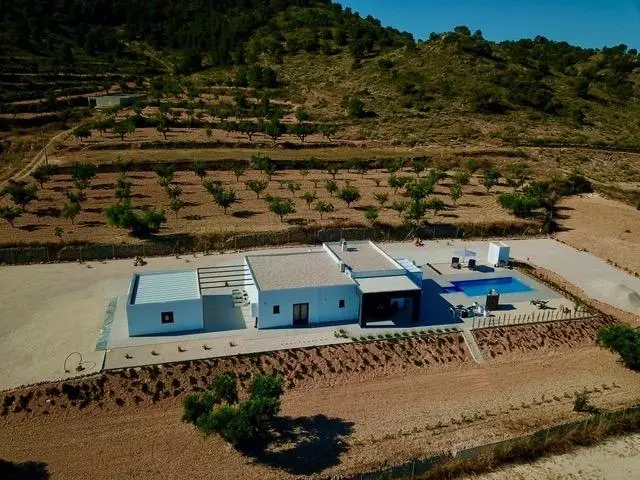
Frequently Asked Questions
Is La Canalosa a good place to invest in property?
↓
La Canalosa offers structural value relative to coastal Alicante, with veritySpain-tracked projects scoring 7.2 out of 10. The market is small and transaction volume is low, which limits liquidity. Buyers with a longer investment horizon and conservative yield expectations are better placed than those seeking quick capital turnover.
What is the average property price in La Canalosa?
↓
Across the two projects analysed by veritySpain, asking prices range from €215k to €410k. This spread reflects differences in plot size and build specification. The municipality generally prices below coastal equivalents in the same province, making it a relatively accessible entry point in southern Alicante.
Can I get rental income from a property in La Canalosa?
↓
Rental income is possible, primarily from medium-term residential lets rather than short-stay tourism. The inland location limits peak holiday occupancy compared with coastal towns. Buyers should model conservative occupancy and use provincial rental index data from Banco de España rather than coastal benchmarks when projecting returns.
How does La Canalosa compare to coastal towns in Alicante for investment?
↓
La Canalosa trades higher liquidity and tourist rental potential for lower entry prices and less competition. Coastal towns like Torrevieja have deeper resale markets but command significant price premiums. For buyers prioritising space and value over liquidity, the inland discount can outweigh the reduced exit flexibility over a medium-term horizon.
What taxes apply when buying property in La Canalosa?
↓
New properties are subject to IVA (VAT) plus stamp duty (AJD). Resale properties attract Impuesto de Transmisiones Patrimoniales (ITP), which in the Valencian Community is set by the regional government. Both routes add a material cost to the acquisition that must be factored into any return calculation from the outset.
What should I check before buying land or a villa in La Canalosa?
↓
Confirm the land's urban classification with the local Ayuntamiento, as inland Alicante has areas of non-developable rural land that restrict construction and future sale options. Verify building licences, community charges, and utility connections. Independent legal representation by a Spanish solicitor is standard practice and worth the cost at any price point.
How many properties are available in La Canalosa?
↓
veritySpain currently tracks two residential projects in La Canalosa. This is a low-supply market by nature, not a function of broader regional weakness. Limited supply can protect existing values but also reduces comparable sale data, making independent valuation and legal due diligence more important than in higher-volume municipalities.