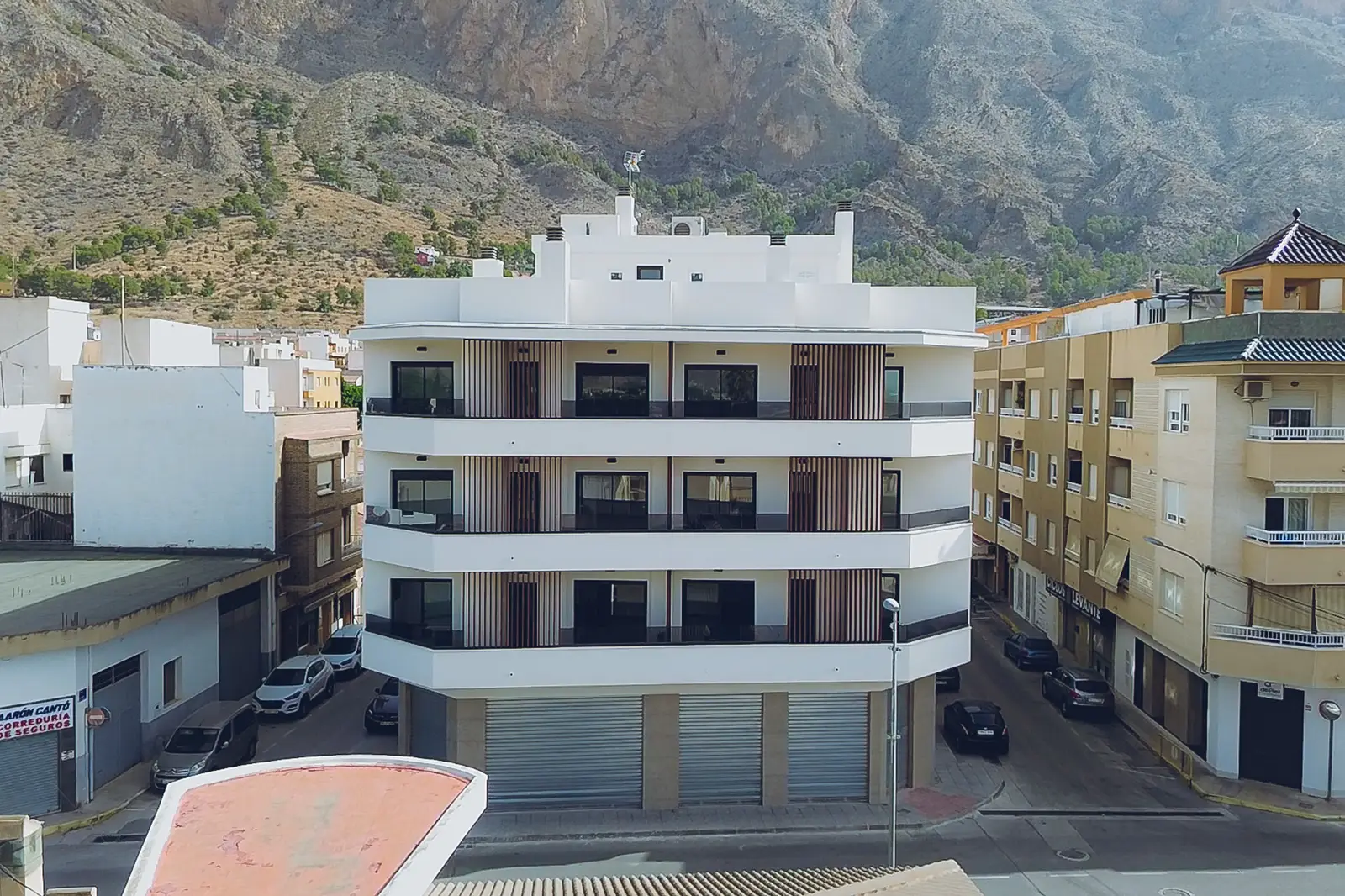
Property investment in Redován analysed: veritySpain scores one project 7.4/10 from €190,000. Rental outlook, comparable towns, fiscal costs, and market context.
Property investment in Redován starts from a clear baseline: veritySpain has analysed one active project in the municipality, scoring it 7.4 out of 10, with an entry price of €190,000. That single data point tells a focused story. Redován is a small inland town in southern Alicante, roughly 20 kilometres from the coast at Torrevieja, sitting within the Vega Baja del Segura comarca. The municipality is compact, Spanish-speaking in character, and largely residential. For an investor who wants to avoid the price premium attached to front-row Costa Blanca towns, that distance from the shoreline is the defining trade-off to understand before committing capital.
Market context and positioning
Redován sits in a sub-regional market where property values are shaped by proximity to the coast, infrastructure access, and local employment. Transaction volumes across inland Alicante have remained relatively stable over recent years, according to figures published by Registradores de España, though Redován itself generates a modest share of those totals given its population of roughly 8,000 residents. New development in the Vega Baja tends to concentrate in larger municipalities such as Orihuela and Torrevieja. Redován occupies a quieter position in that hierarchy. Prices are lower than coastal equivalents. The gap between an inland entry point like €190,000 and comparable coastal stock is real and measurable. That spread can work in an investor's favour, but it also reflects genuine demand differences.
Rental market and yield considerations
Long-term residential rental is the more realistic strategy for investors in Redován. Short-term holiday lets thrive on coastal access, and Redován's 20-kilometre remove from the sea limits that segment's appeal to all but the most budget-conscious holiday tenant. Banco de España data on national rental market conditions points to continued upward pressure on rents in Spanish urban centres, but smaller inland municipalities operate on different dynamics. Demand here is driven by working households, retirees on fixed incomes, and, to a degree, labour migration connected to agricultural and light-industrial activity in the Vega Baja. Yields are not verifiable from a single project data point alone, so investors should model conservatively, anchoring assumptions to the local private-rental market rather than tourist projections.
Comparable towns and competitive landscape
Inland Alicante offers several towns that function as benchmarks for Redován. Callosa de Segura, Cox, and Algorfa all operate within a similar price band, serving similar buyer profiles: cost-conscious domestic buyers, northern-European retirees seeking affordability, and smaller investors focused on long-term holds. Each has its own character, infrastructure quality, and proximity calculus relative to Alicante city, the AP-7 motorway, and the Costa Blanca coastline. Redován's score of 7.4/10 from veritySpain's analysis places it in creditable territory. A score at that level reflects a project that meets baseline quality thresholds on construction, documentation, and location, without reaching the premium tier reserved for best-in-class coastal or urban assets.
Practical investment considerations
Purchasing property in Spain carries well-known fiscal obligations that every investor must factor into returns. Transfer tax (ITP) on resale property in the Valencian Community currently stands at 10%. New-build purchases attract IVA at 10% plus stamp duty. These are fixed legal costs, not variables. Beyond acquisition costs, ongoing charges include community fees, IBI (local property tax), and, for non-residents, the annual imputed income tax on property. Currency risk is not a factor for euro-zone buyers, but sterling or Nordic-currency buyers should account for exchange-rate volatility. Financing conditions have tightened across Spain following interest-rate movements from the European Central Bank, meaning cash buyers currently hold a structural advantage in negotiation.
Key takeaways
- Redován's sole analysed project scores 7.4/10, with an entry price of €190,000.
- Inland location reduces holiday-let potential but supports long-term residential rental demand.
- Transaction activity in the Vega Baja is modest; investors should expect lower liquidity than coastal towns.
- Fiscal costs including ITP or IVA at 10% must be budgeted before calculating net returns.
- veritySpain's limited dataset for Redován calls for conservative assumptions and on-the-ground due diligence.
The market in numbers
New-build projects in Redován
View allFrequently Asked Questions
Is Redován a good place to invest in property?
↓
Redován offers a lower entry point than coastal Alicante towns, with veritySpain scoring one analysed project at 7.4/10. It suits investors targeting long-term residential rental rather than holiday lets. The market is small, liquidity is limited, and buyers should research local rental demand carefully before committing.
What is the average property price in Redován?
↓
Based on veritySpain's current dataset, the analysed project in Redován is priced at €190,000. This reflects inland Alicante pricing, which sits below comparable coastal towns. Broader market pricing varies with property type and condition, so buyers should compare active listings directly.
What taxes apply when buying property in Redován?
↓
Resale purchases in the Valencian Community attract transfer tax (ITP) at 10%. New-build properties are subject to IVA at 10% plus stamp duty (AJD). These are fixed legal costs. Non-resident owners also pay an annual imputed income tax on the property's cadastral value.
Can I earn rental income from a property in Redován?
↓
Long-term residential rental is the most realistic income strategy in Redován. The town's distance from the coast limits short-term holiday-let demand. Rental income from Spanish property is taxable, and non-EU residents face a higher withholding rate than EU residents under Spanish law.
How does Redován compare to other inland Alicante towns?
↓
Redován is comparable to Callosa de Segura, Cox, and Algorfa in price band and buyer profile. All serve cost-conscious buyers and smaller investors. Differences lie in infrastructure quality, transport links, and exact distance to the coast. A 7.4/10 veritySpain score places Redován's analysed project in solid mid-range territory.
What is the rental yield potential in Redován?
↓
Rental yields in Redován cannot be stated precisely from veritySpain's current data. Investors should model conservatively, anchoring to local private-rental market rates rather than tourist benchmarks. Long-term tenants in the Vega Baja include working households and retirees, supporting steady if modest demand.
Is Redován suitable for non-resident foreign buyers?
↓
Yes, non-resident buyers can purchase property in Spain without restriction. They need an NIE (tax identification number), a Spanish bank account, and professional legal representation. Non-residents pay a higher rate on rental income than residents, and must file annual tax returns for any Spanish property held.