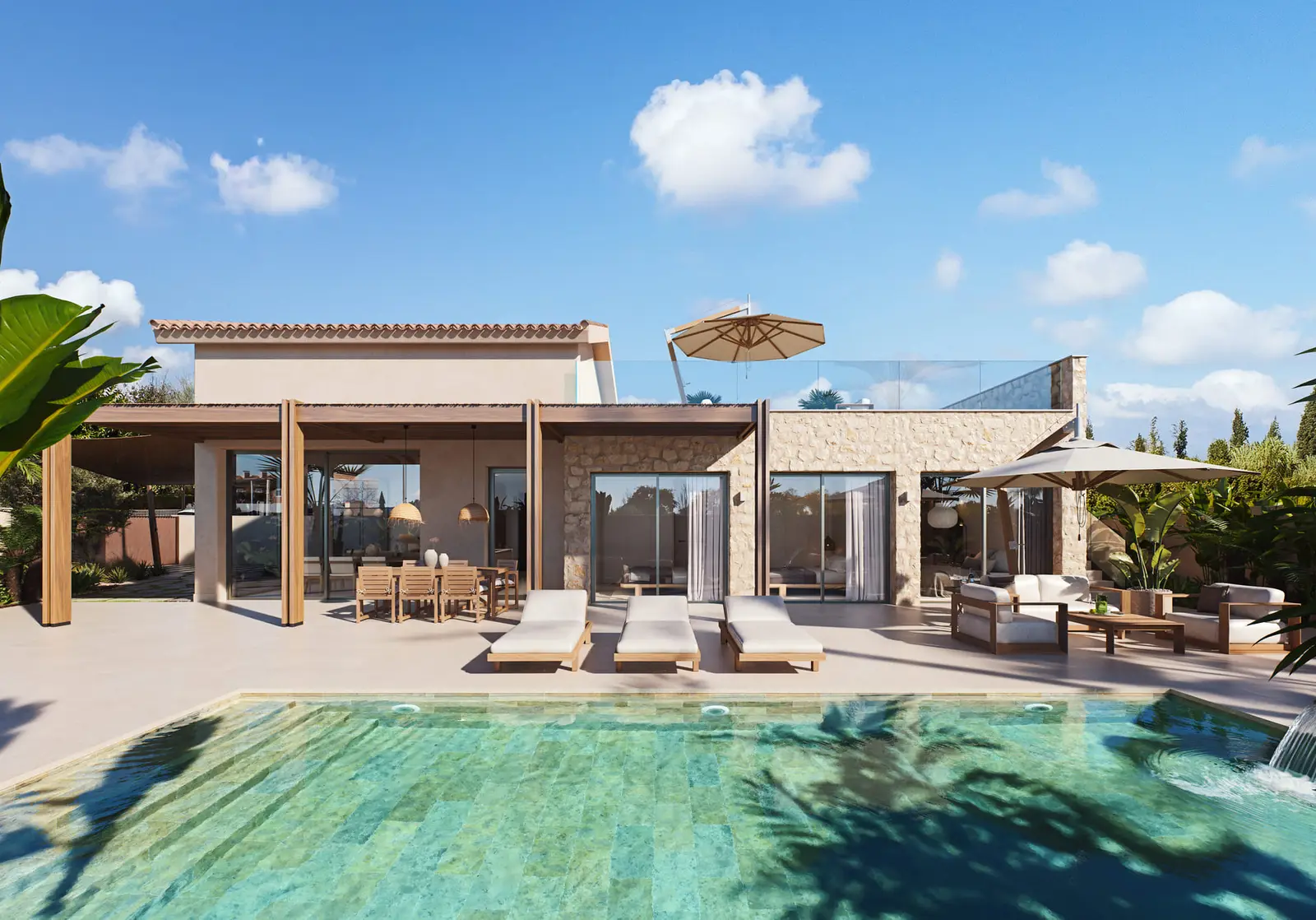
Property investment in Cabo de Palos: veritySpain analyses the €1.39m–€2.6m price band, rental dynamics, and medium-term holding case on the Costa Cálida.
Property investment in Cabo de Palos sits at the premium end of the Costa Cálida market, with the two projects currently tracked by veritySpain carrying price tags between €1,390,000 and €2,600,000 and an average editorial score of 7.3 out of 10. That score signals above-average build quality and location fundamentals, though the small project count means any aggregated figure should be treated as indicative rather than statistically definitive. Cabo de Palos is a compact coastal enclave on the southern tip of the Mar Menor peninsula in Murcia, bordered to the east by the Mediterranean and to the west by the La Manga strip. Its geography limits supply. That constraint, more than any single economic cycle, is the structural argument for holding property here over the medium term.
Market position and price context
Two veritySpain-scored projects set the current observable price band: €1,390,000 at the lower threshold and €2,600,000 at the upper end, which places Cabo de Palos firmly in the upper segment of the Murcia coastal market. veritySpain data shows the average score of 7.3/10 reflects projects that clear the publication's quality bar with room to spare, though neither project is rated in the top tier that would justify a premium above comparable Costa del Sol stock. Transaction volumes in the surrounding Region of Murcia are tracked by Registradores de España on a quarterly basis; their series shows that coastal municipalities in this region have attracted sustained foreign buyer interest across recent years, though precise local-level figures for Cabo de Palos alone are not available in public disclosures at municipal granularity. Buyers in this price band are predominantly northern European nationals purchasing as either primary leisure residences or long-hold assets. Cash purchases are common at this end of the market.
Rental yield and occupancy dynamics
Rental income potential in Cabo de Palos follows the seasonal pattern typical of Mediterranean resort markets: high summer occupancy, thin off-season demand. The municipality's appeal is concentrated in July and August, with a secondary shoulder season in June and September. Precise yield benchmarks for this specific village are not available in public datasets at the level of detail needed for a defensible quoted figure. What the geography does support is the argument that supply-constrained coastal locations tend to hold rental pricing better than oversupplied inland or suburban markets. The Murcia regional authority has introduced licensing requirements for tourist lets, which adds a compliance layer for rental investors. Prospective buyers should verify current tourist-rental licence requirements with a local gestoria before completing, as the regulatory landscape has shifted in several Spanish coastal regions in recent years. Short. Regulatory compliance is not optional.
Comparable towns and regional context
Cabo de Palos sits within a 45-minute drive of Cartagena, the regional port city with its own residential market and significantly higher transaction volumes. To the north, the La Manga strip offers a longer stretch of coastline with a wider range of price points, including lower-entry apartments that attract a different buyer profile. Cabo de Palos differs in that it has a functioning village centre with restaurants, a dive school, and a working fishing harbour, which gives it a year-round residential character that La Manga's more resort-oriented built environment does not replicate as well. The comparison that matters for investment is not price-per-square-metre against Cartagena but rather the scarcity premium against La Manga: Cabo de Palos has a smaller available land bank and a more defined identity. That distinction tends to preserve values during broader market slowdowns better than generic resort strips.
Buyer profile and holding strategy
At €1,390,000 to €2,600,000, the buyer entering Cabo de Palos today is not a first-time Spanish property investor. These are buyers with existing exposure to European real assets who are allocating a portion of a broader portfolio to coastal leisure property. The holding period that matches this market is typically five years or longer. Spanish property transfer taxes (ITP) at the regional rate and notary and registration costs add up to roughly 10 to 12 percent of the purchase price on resale acquisitions, which means short-term flipping is structurally penalised. New-build transactions attract IVA at 10 percent rather than ITP. Longer holds allow the entry cost to amortise and give the asset time to benefit from the structural supply constraint that defines this peninsula. Financing at this price point is available from Spanish banks for EU-resident buyers, typically up to 70 percent loan-to-value, though product availability for non-residents should be confirmed with a Spanish mortgage broker ahead of making an offer.
Key takeaways
- Cabo de Palos projects tracked by veritySpain range from €1,390,000 to €2,600,000 with an average score of 7.3/10.
- Supply is structurally constrained by the peninsula's geography, supporting price stability over the medium term.
- Rental income is strongly seasonal; verify tourist-rental licence requirements before purchase.
- Spanish transaction costs of 10 to 12 percent make this a medium-to-long-hold market, not a short-term play.
- A small public dataset means buyers should weight veritySpain scores and independent legal due diligence over broad regional averages.
The market in numbers
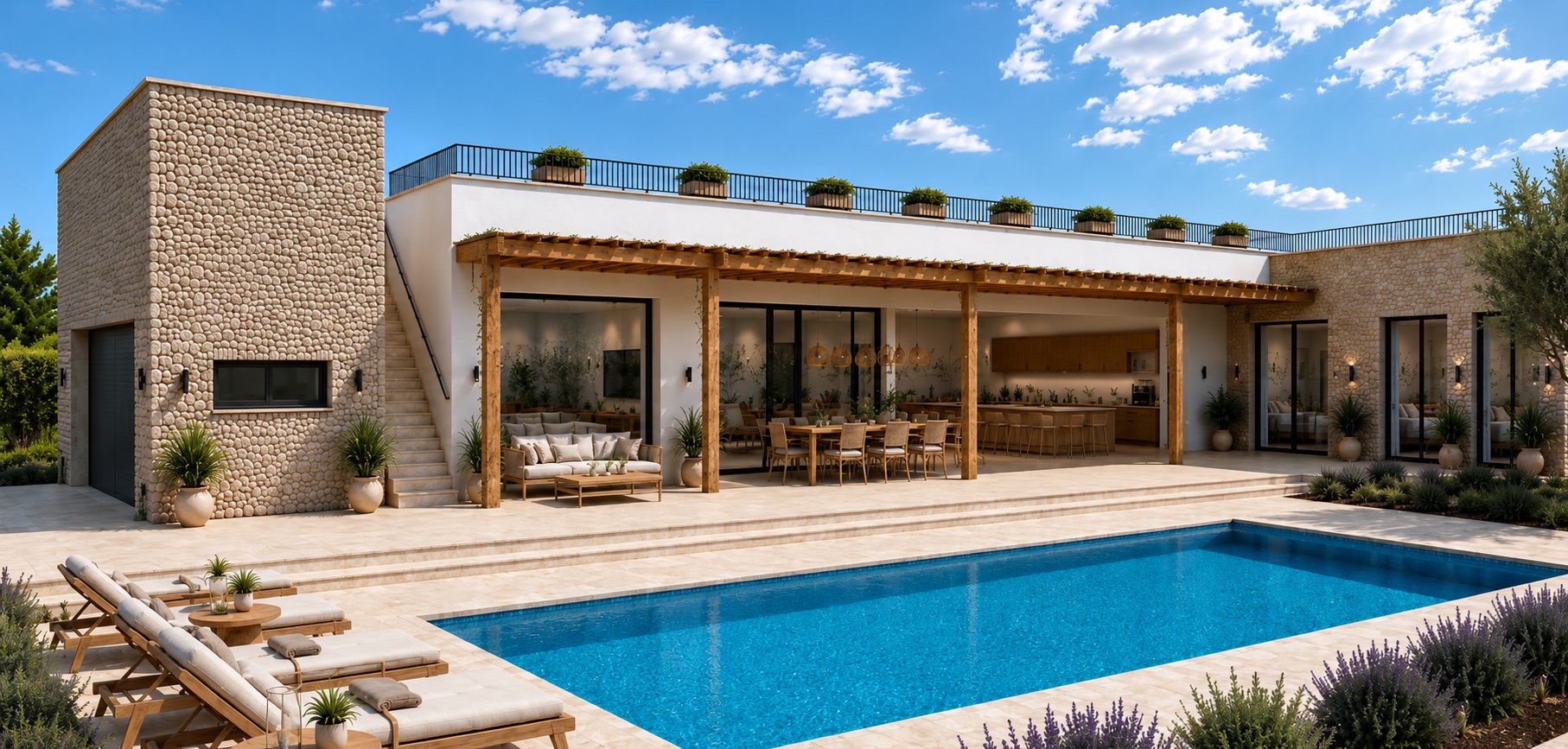
New-build projects in Cabo de Palos
View all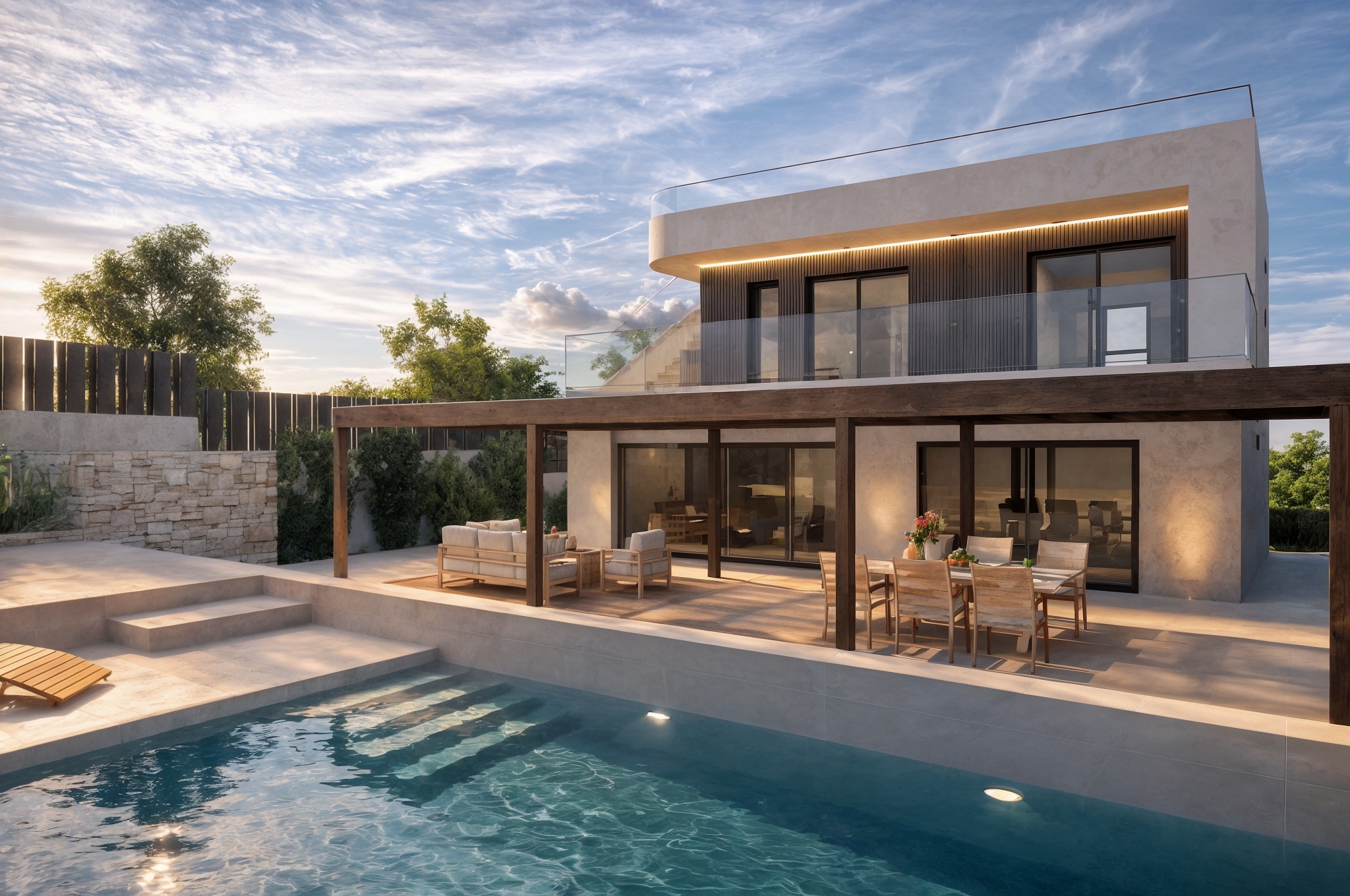
Frequently Asked Questions
Is Cabo de Palos a good place to invest in property?
↓
Cabo de Palos offers a structurally supply-constrained coastal location in Murcia with a small number of higher-quality projects. veritySpain's average score of 7.3/10 across tracked projects signals above-average fundamentals. The market suits buyers with a medium-to-long hold horizon given Spanish transaction costs and the area's seasonal rental profile.
What is the property price range in Cabo de Palos?
↓
Projects currently tracked by veritySpain in Cabo de Palos range from €1,390,000 to €2,600,000. This places the area firmly in the upper segment of the Costa Cálida market, appealing primarily to northern European buyers seeking a premium coastal asset rather than a volume-market investment.
What are the rental yield prospects in Cabo de Palos?
↓
Rental demand in Cabo de Palos peaks sharply in July and August with a secondary shoulder in June and September. Precise yield benchmarks are not publicly available at this municipality's level of granularity. Buyers should budget for high seasonal occupancy offset by thin winter demand, and must hold a valid tourist-rental licence from the Murcia regional authority.
How do transaction taxes work for property buyers in Spain?
↓
Resale property in Spain attracts regional transfer tax (ITP), which in Murcia amounts to a significant percentage of the purchase price. New-build purchases attract IVA at 10 percent instead. Combined with notary and registration fees, total acquisition costs typically reach 10 to 12 percent of the purchase price, making short-term trading structurally expensive.
How does Cabo de Palos compare to La Manga as an investment location?
↓
Cabo de Palos has a smaller land bank and a functional village centre with year-round residential character, which distinguishes it from the more resort-oriented La Manga strip. That scarcity and identity tend to support values during market slowdowns. La Manga offers lower entry prices and broader supply but lacks the same supply constraint argument.
Can non-residents get a mortgage to buy in Cabo de Palos?
↓
Spanish banks offer mortgages to EU-resident non-residents, typically up to 70 percent loan-to-value on coastal properties. Product availability and rates vary by lender and nationality. Buyers should engage a Spanish mortgage broker or independent financial adviser before making an offer, particularly for transactions in the €1.4m to €2.6m price band.
What is the minimum recommended holding period for Cabo de Palos property?
↓
Given Spanish acquisition costs of 10 to 12 percent of the purchase price, the minimum defensible holding period is five years. Longer holds allow entry costs to amortise and give the asset time to benefit from the structural supply constraint inherent to the peninsula's geography. Short-term flipping is penalised by tax and transaction economics.