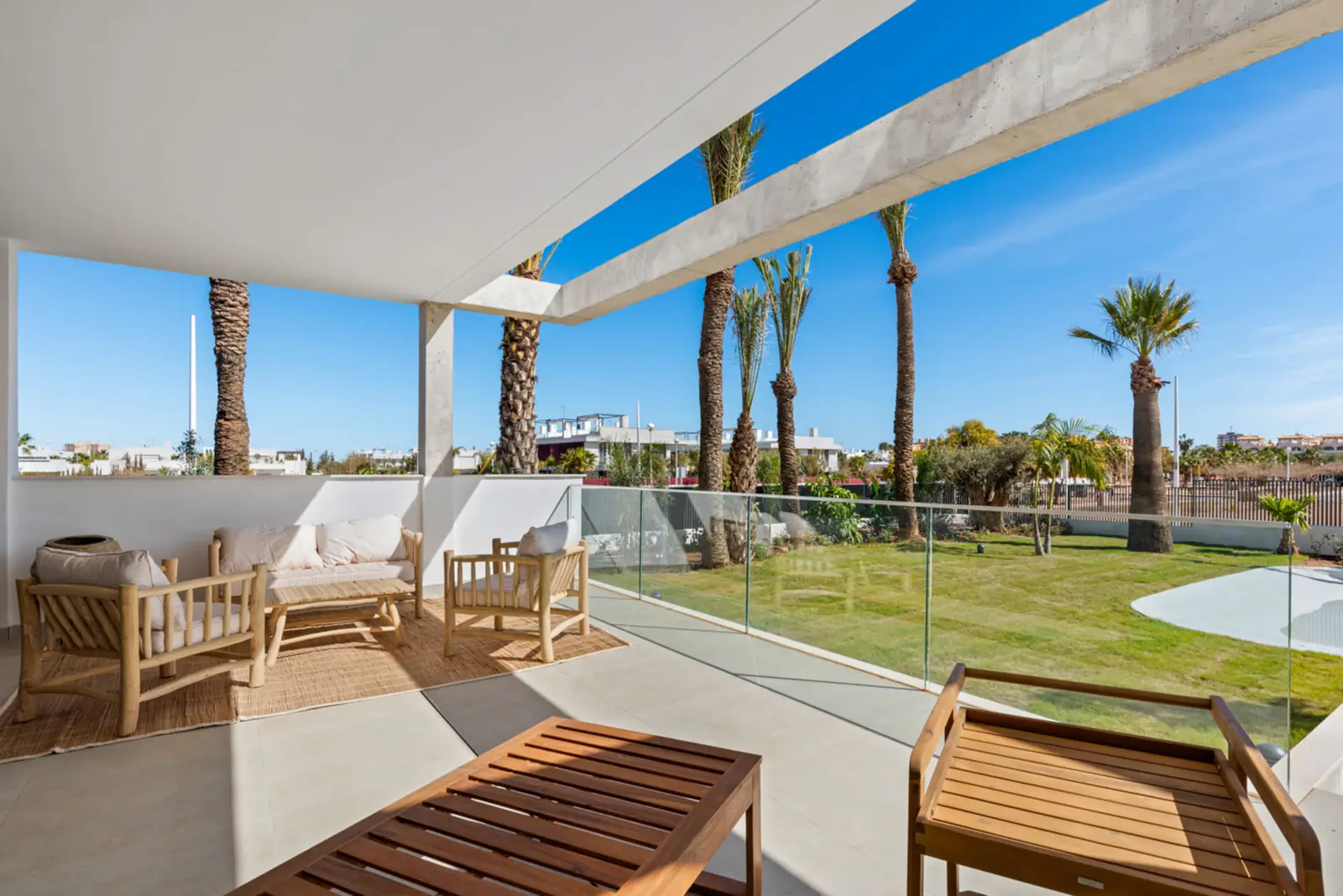
New build Islas Menores: price range €305k–€358k, taxes, contracts and legal steps for international buyers. Independent guide by veritySpain.
New build Islas Menores purchasers currently face a price band of €305,000 to €358,000, and the two projects analysed by veritySpain have returned an average editorial score of 8.4 out of 10. That combination of mid-range entry point and strong quality signal makes the process worth understanding in full before committing. The buying sequence for a new-build in Spain is more structured than in many northern European markets: a reservation contract comes first, followed by a private purchase contract, staged construction payments, and finally a notarial deed. Each stage carries distinct legal and fiscal obligations that international buyers must navigate with care.
Reservation contract and due diligence
A reservation contract typically requires a deposit of around €3,000 to €6,000, taken off the final purchase price. Pay it only into the developer's client account, confirmed in writing. This first contract locks the unit and removes it from sale; it is not the formal purchase agreement. At this stage, a lawyer should verify the developer's Licencia de Obra (building licence), confirm the plot is registered free of encumbrances in the Registro de la Propiedad, and check the developer holds a Bank Guarantee or Insurance Policy protecting your staged payments under Ley 20/2015. Short cuts here are expensive. Appoint an independent lawyer before signing anything. The Murcia region has a designated professional body, the Ilustre Colegio de Abogados de Murcia, whose directory provides verified practitioners.
Private purchase contract and staged payments
Stage payments typically amount to 20 to 30 percent of the purchase price, paid across the construction period. Each payment must be covered by the bank guarantee mentioned above: if the developer fails to deliver, the guarantee returns every euro. The private purchase contract (Contrato Privado de Compraventa) sets the delivery date, the final specification, and the penalty clauses for late completion. Read the penalty clauses: weak ones favour the developer. Construction timelines in the Murcia region have historically ranged from 18 to 30 months, though site-specific factors and planning delays can extend that. Withhold the outstanding balance until you have inspected the property and signed the snagging list (Acta de Entrega). Registradores de España publishes quarterly data on new-build completions and transaction volumes in each province, which gives a useful sense of market activity without requiring guesswork about specific figures.
Taxes and closing costs at the notaría
IVA at 10 percent applies to new-build residential property across Spain; this is non-negotiable and applies in Murcia as elsewhere. On top of IVA, Actos Jurídicos Documentados (AJD) stamp duty runs at 1.5 percent of the purchase price in the Region of Murcia. Budget a further 1 to 1.5 percent for notary and land-registry fees, and between 1 and 1.5 percent for legal fees on a transaction in this price range. In total, buyers should provision 13 to 14 percent above the headline price to cover all acquisition costs. At the notaría, both parties sign the Escritura de Compraventa. The notary does not advise either side; your lawyer must attend or review in advance. Agencia Tributaria publishes the IVA rate and AJD bands in full, and regional variations are confirmed by the Comunidad Autónoma de la Región de Murcia.
Mortgage finance for non-residents
Non-resident buyers in Spain can typically access loan-to-value ratios of 60 to 70 percent from Spanish lenders, lower than the 80 percent ceiling available to tax residents. Fixed-rate mortgages have become the standard product following the interest-rate volatility of 2022 and 2023. A mortgage in Spain requires a tasación (independent valuation) by a bank-approved firm; costs around €300 to €500. The bank's Oferta Vinculante (binding mortgage offer) must be issued at least ten days before signing; use that window to check the total cost of credit. In a new-build transaction, the mortgage is often signed the same day as the Escritura. Currency risk matters: for buyers earning in sterling or another non-euro currency, even a modest exchange-rate move can shift the effective cost meaningfully. Banco de España publishes supervisory data on mortgage products and non-resident lending conditions, which provides a reliable reference for rate benchmarking without the need for speculative projections.
Key takeaways
- The Islas Menores new-build market covers a price range of €305,000 to €358,000, with an average veritySpain score of 8.4.
- Appoint an independent Spanish lawyer before paying any reservation deposit; check the developer's bank guarantee immediately.
- Budget 13 to 14 percent above the purchase price to cover IVA at 10 percent, AJD at 1.5 percent, and notary and legal fees.
- Non-residents should expect loan-to-value ratios of 60 to 70 percent and should use the mandatory ten-day mortgage cooling-off period fully.
- Request a full snagging inspection before signing the notarial deed; do not release the final payment until defects are documented.
The market in numbers
New-build projects in Islas Menores
View all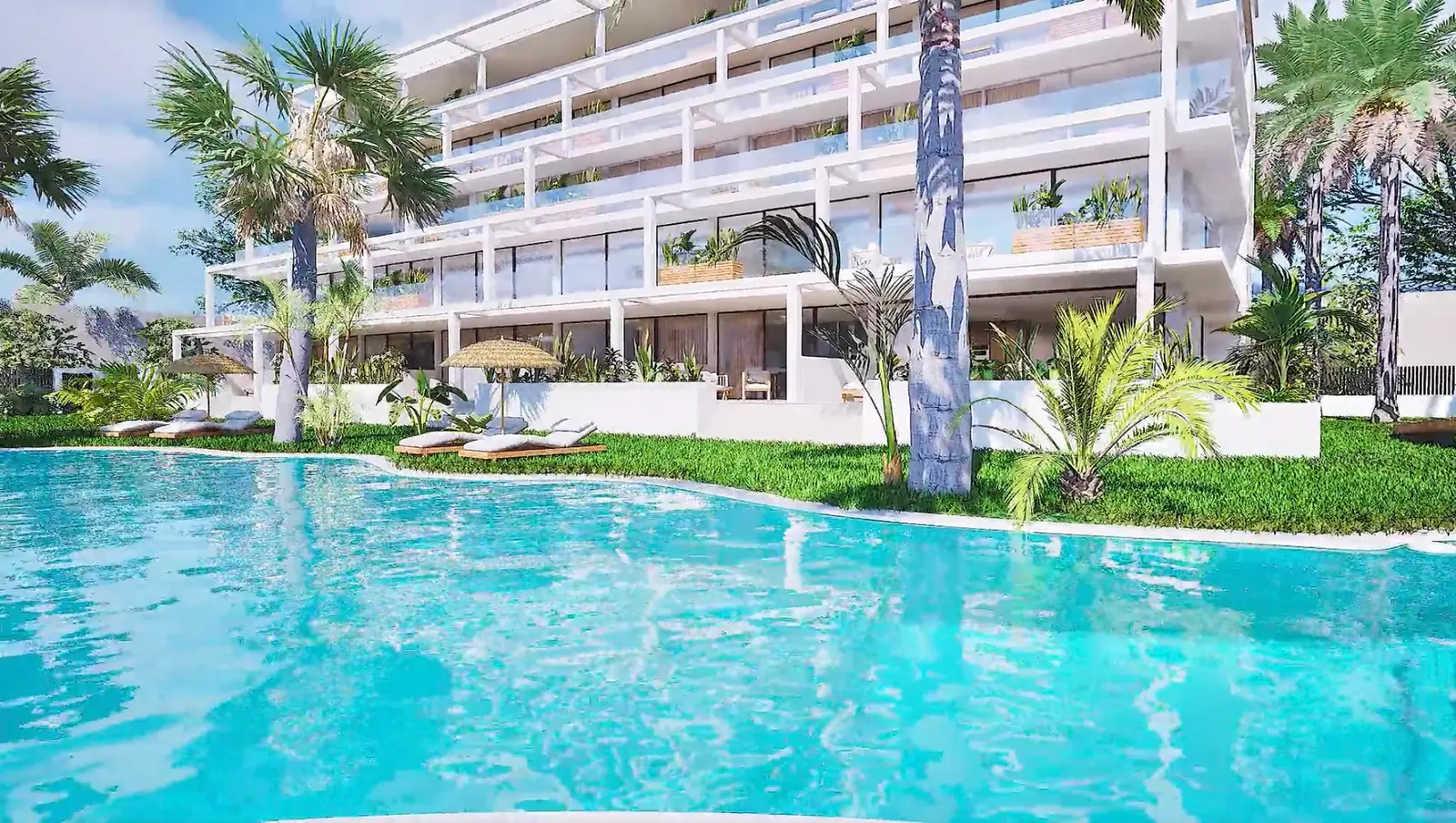
Frequently Asked Questions
What is the buying process for a new build in Islas Menores?
↓
The process runs from reservation contract to Escritura de Compraventa at the notaría. You sign a reservation contract, then a private purchase contract with staged payments, and finally the notarial deed on completion. An independent lawyer should accompany each stage to verify the developer's bank guarantee and check the land registry title.
How much does it cost to buy a new build in Islas Menores?
↓
Current new-build prices in Islas Menores run from €305,000 to €358,000 according to veritySpain's project data. On top of that, buyers should budget 13 to 14 percent in acquisition costs: IVA at 10 percent, AJD stamp duty at 1.5 percent in Murcia, plus notary, land-registry and legal fees.
What taxes do I pay when buying a new build in Murcia?
↓
New-build residential purchases in Spain are subject to IVA at 10 percent. In the Region of Murcia, Actos Jurídicos Documentados stamp duty adds 1.5 percent of the purchase price. Notary and land-registry fees typically amount to a further 1 to 1.5 percent. These figures are set by the Agencia Tributaria and the regional government.
Can I get a mortgage in Spain as a non-resident buyer?
↓
Yes, Spanish banks lend to non-residents, though the maximum loan-to-value ratio is typically 60 to 70 percent rather than the 80 percent available to residents. Fixed-rate products have become standard. The bank must issue a binding offer at least ten days before signing, giving buyers time to review total credit costs.
What is a bank guarantee in a Spanish new-build purchase?
↓
A bank guarantee (or insurance policy under Ley 20/2015) protects all staged payments made before the property is delivered. If the developer fails to complete or goes insolvent, the guarantee returns every payment you have made. Your lawyer must confirm the guarantee is in place before you transfer any money beyond the reservation deposit.
How long does it take to buy a new build in the Murcia region?
↓
Construction periods in Murcia have historically run from 18 to 30 months, depending on the development and planning conditions. The legal steps from reservation to signing the Escritura are completed within that window. Once the notarial deed is signed and registered, legal ownership transfers to the buyer.
Do I need a lawyer to buy a new build in Spain?
↓
Spanish law does not require a buyer's lawyer, but independent legal advice is strongly recommended. A lawyer checks the developer's building licence, verifies the bank guarantee, reviews the private purchase contract, attends the notaría, and handles post-completion registration and tax filings. Legal fees on a transaction in the €305k to €358k range typically amount to 1 to 1.5 percent.