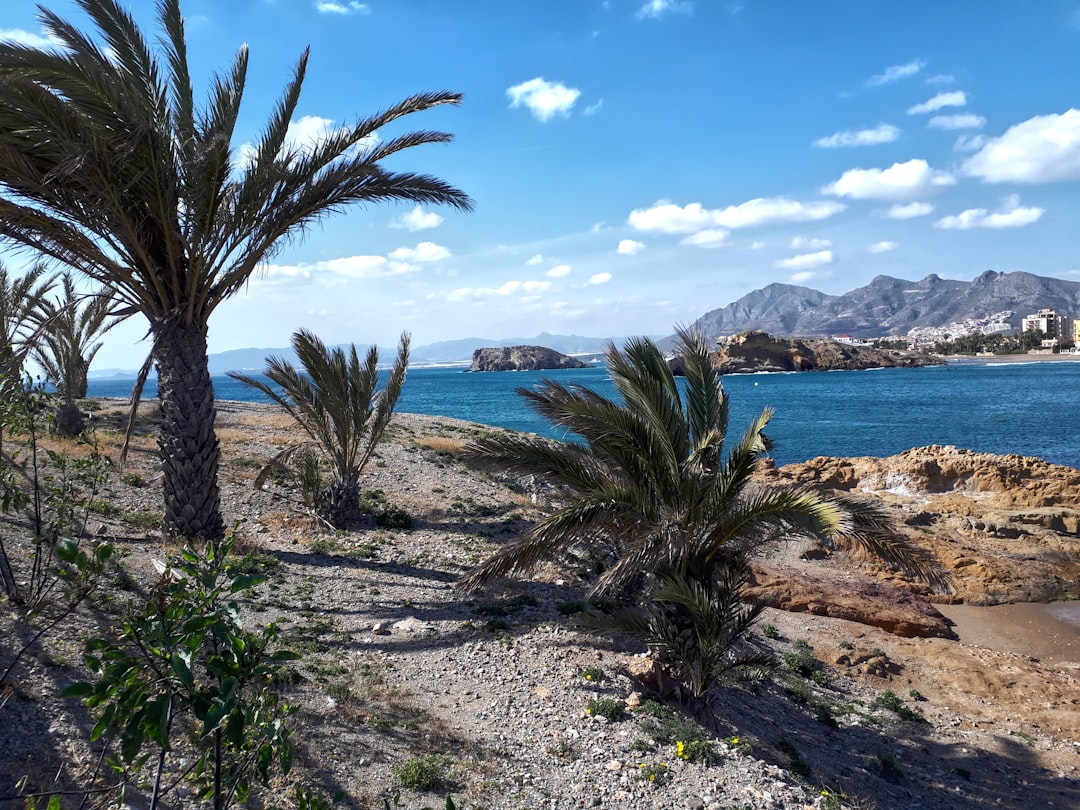
Living in Mazarrón as an expat: climate, costs, healthcare and schools. veritySpain analysed 10 projects (avg 7.3/10) in this Costa Cálida municipality.
Living in Mazarrón as an expat means joining a community priced between €105,000 and €340,000 for residential property, according to veritySpain data drawn from 10 analysed projects scoring an average of 7.3 out of 10. The municipality sits on Murcia's Costa Cálida, a stretch of coastline shielded from Atlantic weather by the Sierra de las Moreras range, which produces one of the highest sunshine totals on mainland Spain. Daily life here is genuinely low-key. The permanent foreign-resident population is sizable enough to support English-language services, yet small enough that local Spanish culture has not been displaced. For expats willing to engage with the town on its own terms, the practical case is straightforward.
Climate and outdoor life
Mazarrón records more than 300 sunny days per year, a figure the Spanish Meteorological Agency (AEMET) publishes for the Murcia region consistently. Temperatures rarely drop below 10°C in winter and regularly exceed 30°C in summer without the extreme humidity found further along the Mediterranean coast. Two main beach areas, Puerto de Mazarrón and Bolnuevo, are within easy reach of the town centre. Water quality in the bay has repeatedly met EU Bathing Water Directive standards, data published by the Ministry for Ecological Transition each season. The surrounding countryside is semi-arid. Walking and cycling routes connect the sierra to the coast with minimal traffic. Year-round outdoor use is realistic. This is not a seasonal resort that empties in October.
Cost of living and healthcare
Everyday costs in Mazarrón track below the Spanish national average recorded by the INE, as the municipality has no premium-resort pricing tier. Supermarket staples, restaurant menus and utility bills sit at levels typical of inland Murcia rather than coastal tourist corridors. INE consumer price surveys consistently show Murcia as one of Spain's lower-cost regions. Healthcare access splits along residency status. Registered residents, known as empadronados, access the Spanish public health system through the local health centre in the town and the Hospital Rafael Méndez in Lorca, roughly 40 km north. EU citizens post-retirement qualify under the S1 form system. Non-EU expats and those below retirement age need private health insurance; several international providers offer policies tailored to Spain-based residents at competitive premiums compared with northern European markets.
Schools and families
Two state primary schools operate within the municipality, supplemented by the wider Murcia regional network for secondary education. No international school operates within Mazarrón itself; families requiring English-medium schooling typically commute to Murcia city or to the international schools in the Altea or Alicante corridors, a consideration worth factoring into a purchase decision. veritySpain data notes that the buyer profile across the 10 analysed projects skews toward retirees and semi-retired couples rather than families with school-age children, which aligns with the local educational infrastructure. Spanish state schools admit foreign children and provide support for non-Spanish speakers, making short-term or part-year arrangements workable for families who are not fully relocating. Smaller class sizes than urban centres are common here.
Expat community and daily practicalities
Northern European nationals, primarily British, German and Dutch, represent the largest foreign-resident cohort in Mazarrón, a distribution reflected in the range of estate agents, legal advisers and property managers operating bilingually. Several weekly English-language social groups meet in Puerto de Mazarrón, covering everything from walking clubs to charity fundraising. The town has a functional commercial centre: banks, legal notaries, a municipal market and a weekly street market provide the infrastructure for full-time residency without constant travel to Murcia city. Public transport connections to Murcia and Cartagena exist but are infrequent; a car is effectively essential. Residency registration, the empadronamiento process, is handled at the town hall and is straightforward for EU nationals. Non-EU residents require an NIE number and, after 90 days, a residency permit under current Spanish immigration rules.
Key takeaways
- Property prices range from €105,000 to €340,000 across veritySpain's 10 analysed Mazarrón projects, scoring 7.3/10 on average.
- AEMET data confirms more than 300 sunny days per year, with mild winters making year-round residency practical.
- Public healthcare is accessible for registered residents; non-EU and working-age expats need private cover.
- No international school operates locally; families with school-age children should factor in commuting distances.
- A car is essential: public transport to Murcia and Cartagena is limited, though daily services do exist.
The market in numbers
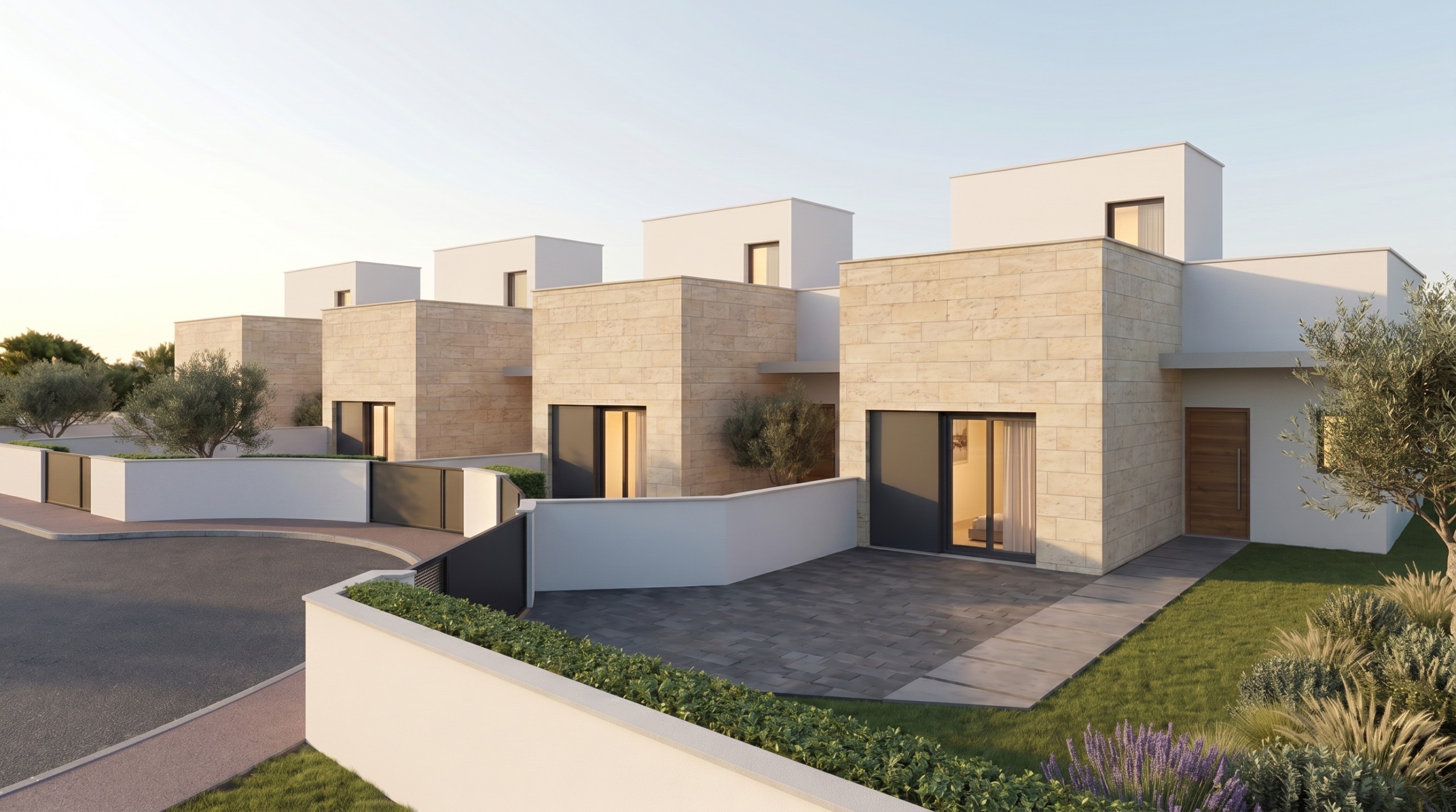
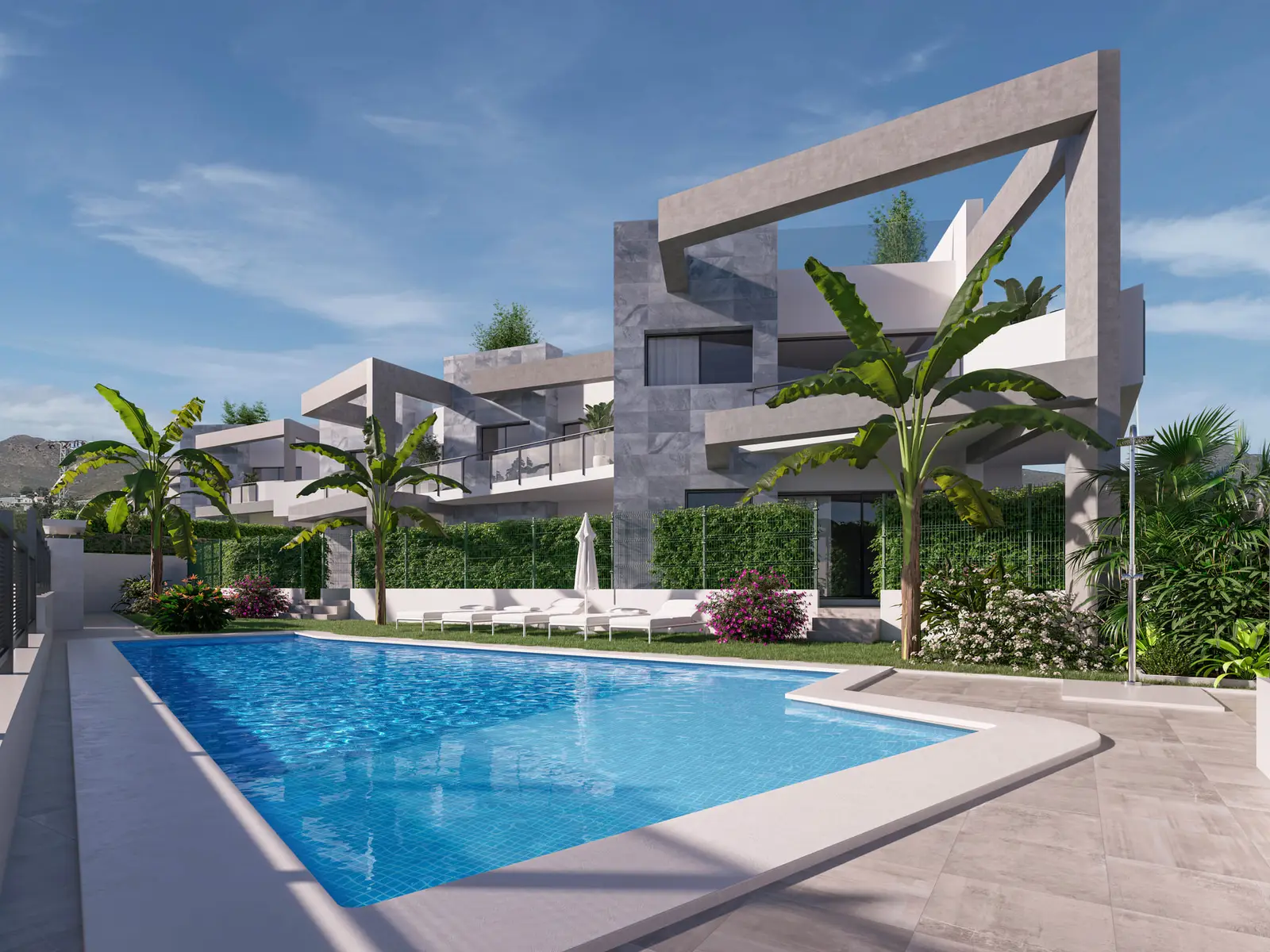
New-build projects in Mazarrón
View all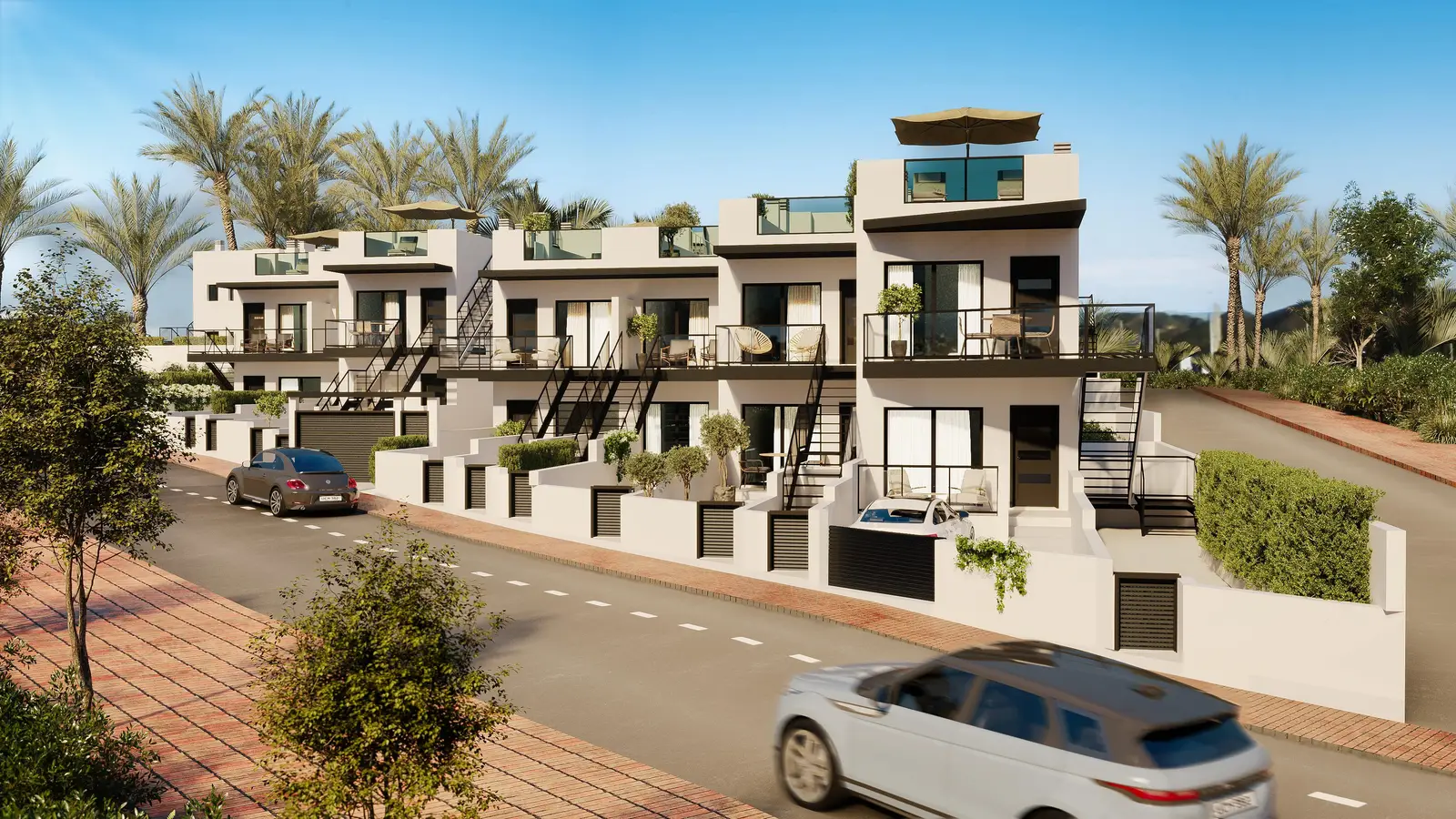
Frequently Asked Questions
Is Mazarrón a good place to live as an expat?
↓
Mazarrón works well for expats who want low costs, reliable sunshine and a genuine Spanish-town atmosphere rather than a resort strip. The expat community is large enough to provide English-language services, healthcare access is manageable for registered residents, and veritySpain's 10 analysed projects average a 7.3 out of 10 score, indicating solid residential quality.
What is the cost of living like in Mazarrón?
↓
Costs track below the Spanish national average, with no premium-resort pricing tier. Supermarket staples, local restaurants and utility bills reflect typical Murcia levels. Property ranges from €105,000 to €340,000 across analysed projects, making it one of the more affordable coastal municipalities on mainland Spain's Mediterranean side.
How does healthcare work for expats in Mazarrón?
↓
Registered residents access the Spanish public health system through the local health centre and Hospital Rafael Méndez in Lorca. EU retirees qualify via the S1 form. Non-EU nationals and working-age expats need private health insurance. International providers offer Spain-specific policies at rates generally lower than northern European equivalents.
Are there international schools near Mazarrón?
↓
No international school operates within Mazarrón. State schools admit foreign children and provide language support. Families requiring English-medium education typically commute to Murcia city or to international schools in the Alicante area. The local buyer profile, per veritySpain data, skews toward retirees rather than families with school-age children.
What is the climate like in Mazarrón?
↓
AEMET data for the Murcia region records more than 300 sunny days per year. Winters are mild, with temperatures rarely falling below 10°C. Summers are hot and dry. The Sierra de las Moreras range moderates Atlantic weather. Two beach areas, Puerto de Mazarrón and Bolnuevo, meet EU Bathing Water Directive standards consistently.
Do I need a car to live in Mazarrón?
↓
Yes, a car is effectively essential. Public transport connections to Murcia and Cartagena exist but run infrequently. The town centre has banks, markets and legal services, but reaching the wider region comfortably requires personal transport. Most expat residents factor vehicle ownership into their relocation budget from the outset.
How do I register as a resident in Mazarrón?
↓
EU nationals register at the town hall via the empadronamiento process, which requires proof of address and identity. Non-EU nationals need an NIE number first, then a residency permit after 90 days under current Spanish immigration rules. The town hall in Mazarrón handles both processes and bilingual assistance is available through local legal advisers.