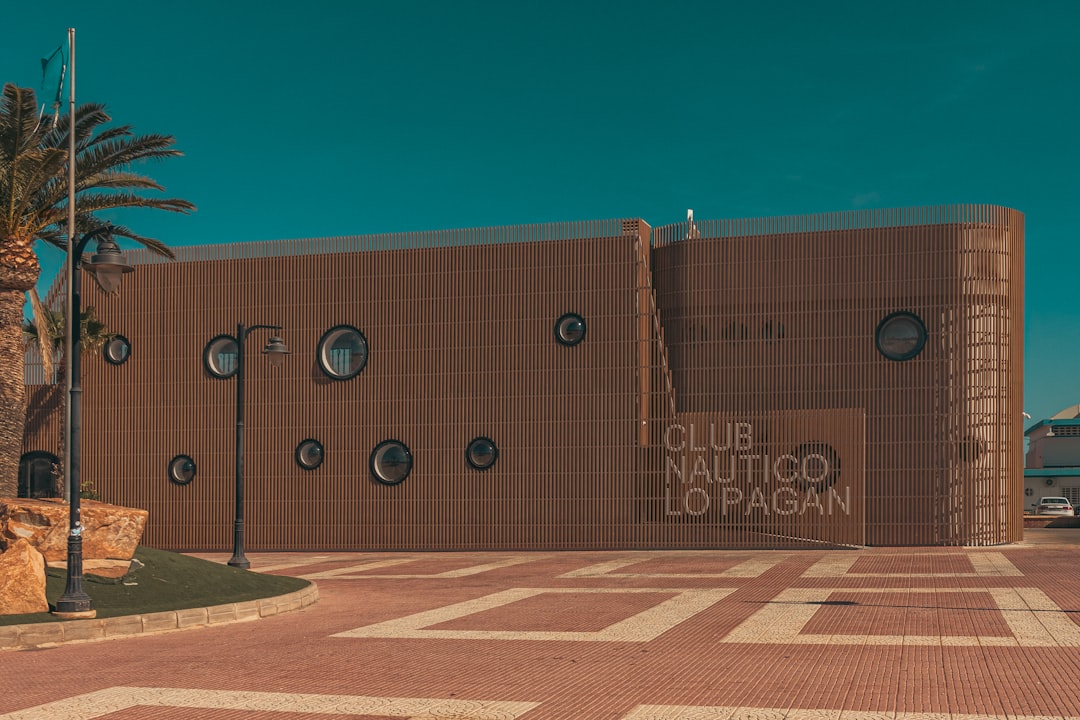
Living in Santiago de la Ribera as an expat: climate, cost of living, healthcare and schools on Spain's Mar Menor coast. Independent editorial data from veritySpain.
Living in Santiago de la Ribera as an expat starts at a price point of around €250k for the one new-build project veritySpain has scored in the municipality, which earned an 8.0/10 on our editorial assessment. That single data point reflects the reality of this small Mar Menor resort: development is limited, the market is thin, and the community of resident foreigners is compact. The town sits on the western shore of the Mar Menor lagoon, in the municipality of San Javier, Murcia. Winters are mild. Summers are long and hot. The lagoon, with water temperatures that stay above 20 °C well into October, is the defining geographical fact that shapes daily life here.
Climate and everyday rhythm
San Javier airport, four kilometres from the town centre, records an annual average of 320 days of sunshine, making this one of the sunniest coastal strips in continental Europe. AEMET climate data for Murcia confirms average annual rainfall below 300 mm, placing the area in a semi-arid Mediterranean classification. Summer temperatures routinely reach 35 °C between July and September, which compresses outdoor activity into mornings and evenings. The lagoon itself acts as a thermal buffer: its shallow, enclosed water heats quickly in spring and retains warmth into autumn, supporting a long season for water sports, paddleboarding, and swimming. Winter days are short but often clear, with daytime highs around 16 to 18 °C. Fog is rare. The rhythm of life follows the sun: early starts, a long midday pause, and social activity in the late afternoon and early evening. That pattern is worth accounting for when relocating from northern Europe.
Cost of living and housing context
Murcia remains one of Spain's most affordable regions by cost-of-living measures. Supermarket prices, utility bills, and restaurant tabs run materially below Madrid or Barcelona levels, and below most of the Costa del Sol. INE (Instituto Nacional de Estadística) regional household-expenditure surveys consistently place Murcia in the lower quartile of Spanish regional costs. Rental supply in Santiago de la Ribera is seasonal: the market tilts heavily toward summer lets, which means long-term furnished rentals are scarce between November and April. Expats who want year-round housing should expect to negotiate directly with owners or engage a local agent willing to convert a holiday let into a 12-month contract. The €250k price point in veritySpain's current data represents new-build stock; resale apartments can be found below that figure, though the pool is small. Buyers should budget for Spanish purchase costs of roughly 10 to 13% above the headline price, covering IVA or ITP, notary fees, and land-registry charges.
Healthcare and essential services
The nearest public hospital is Hospital Los Arcos del Mar Menor, in Torre-Pacheco, approximately 15 kilometres from Santiago de la Ribera. The facility covers the comarca and provides emergency, surgical, and specialist services. Registering with a local GP (médico de cabecera) at the San Javier health centre is straightforward for EU citizens with a valid S1 form or social-security coverage, and for non-EU residents who have contributed to Spanish social security or taken out approved private health insurance. Private clinic options exist in San Javier and the larger urban centre of Cartagena, 35 kilometres south. Dental care, which is largely excluded from the public system, is well served by private practices in San Javier at fees significantly below UK or German benchmarks. Pharmacies in the town operate standard Spanish hours and stock a wide range of prescription and over-the-counter medications. Residents coming from the UK post-Brexit need to verify their GHIC coverage scope before arrival.
International communities and schools
The Mar Menor shore has attracted a long-established British and northern-European population, supplemented more recently by arrivals from Germany, the Netherlands, and Scandinavia. Santiago de la Ribera itself is a small town; the broader San Javier municipality and the Los Alcazares strip to the south hold the largest concentration of registered foreign residents in the comarca. Padrón municipal data, Ayuntamiento de San Javier shows foreign-national registrations consistently representing a significant share of the municipal population, though the precise year-on-year breakdown fluctuates. No international school operates within Santiago de la Ribera itself. Families with school-age children typically look to Murcia city, which has several accredited international schools offering British and IB curricula, or to private Spanish schools in San Javier that provide English-language reinforcement. The local state primary and secondary system is entirely in Castilian Spanish, with Valencian not mandated here given the Murcia regional jurisdiction. Language classes and integration support are available through voluntary associations active along the Mar Menor.
Key takeaways
- VeritySpain has assessed one project in Santiago de la Ribera, scoring 8.0/10, with prices at €250k.
- The Mar Menor lagoon provides a mild, extended outdoor season; winters are clear but short.
- Murcia's cost of living is among Spain's lowest, though long-term rental supply is tight year-round.
- Hospital Los Arcos del Mar Menor in Torre-Pacheco is the main public healthcare facility for the area.
- No international school is within the town; families should plan for Murcia city or private options in San Javier.
The market in numbers
New-build projects in Santiago de la Ribera
View all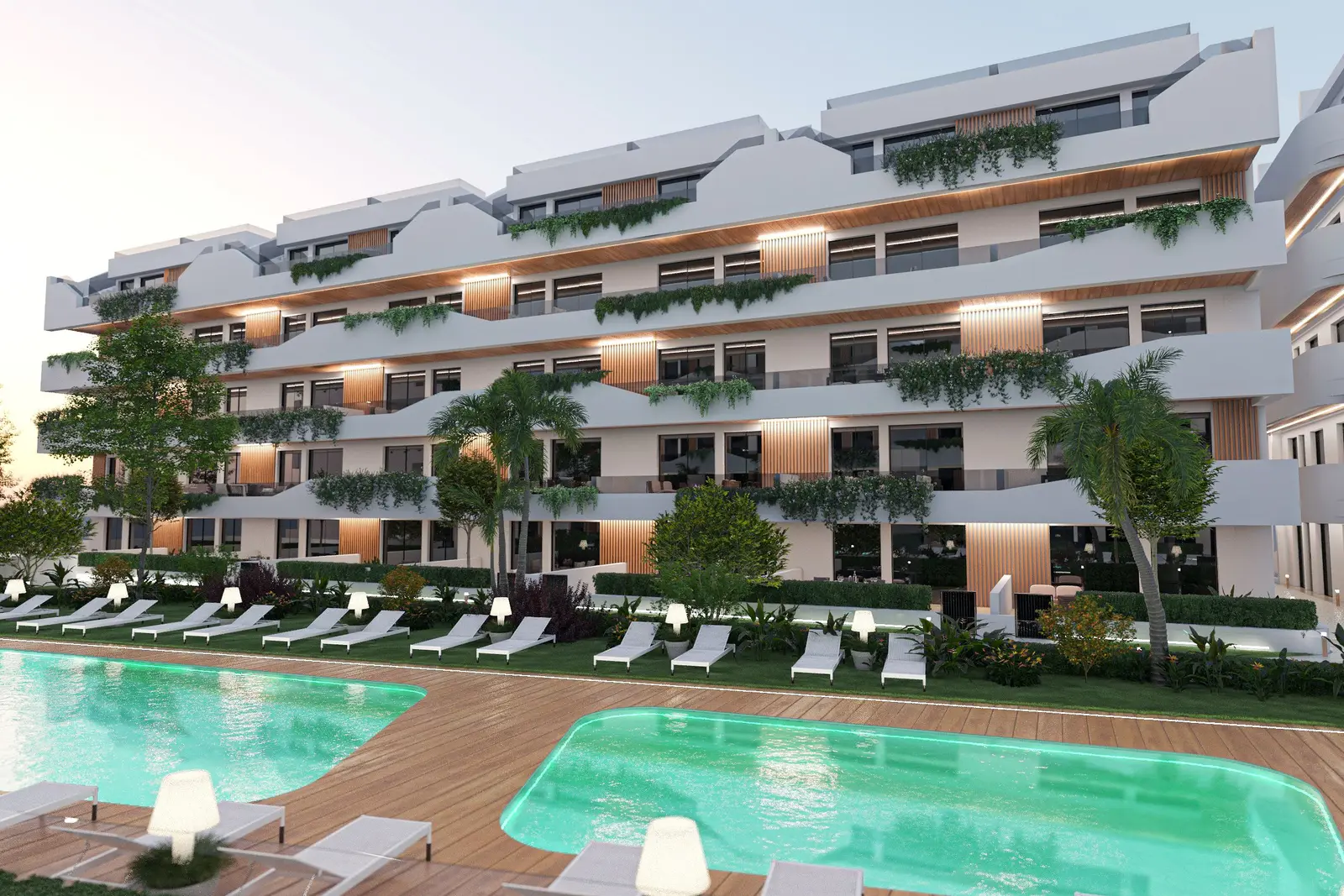
Frequently Asked Questions
Is Santiago de la Ribera a good place to live as an expat?
↓
Santiago de la Ribera suits expats who want a quiet, sun-drenched coastal base with low living costs and easy access to the Mar Menor lagoon. The town is small, so amenities are limited locally, but San Javier and Cartagena provide healthcare, schools, and retail within a short drive. The foreign-resident community is established but not large.
What is the cost of living in Santiago de la Ribera?
↓
Day-to-day costs in the Murcia region are among the lowest in Spain. Groceries, utilities, and dining out run well below Madrid or Costa del Sol levels. Housing is the main variable: long-term rentals are scarce due to the seasonal market, and new-build purchase prices start around €250k based on veritySpain's current project data.
What healthcare options are available near Santiago de la Ribera?
↓
The main public hospital is Hospital Los Arcos del Mar Menor in Torre-Pacheco, around 15 km away. EU citizens with an S1 form or valid social security coverage can register with a local GP in San Javier. Private clinics operate in San Javier and Cartagena. UK residents should confirm their GHIC coverage before relying on the public system.
Are there international schools near Santiago de la Ribera?
↓
No international school operates in Santiago de la Ribera itself. Families typically look to accredited international schools in Murcia city, which offer British and IB programmes. Private Spanish schools in San Javier provide English-language support. The state system in this Murcia region teaches in Castilian Spanish without a Valencian requirement.
What is the climate like in Santiago de la Ribera year-round?
↓
AEMET data places the San Javier area among the sunniest in continental Europe, averaging around 320 days of sunshine annually. Summers are hot, frequently reaching 35 °C. Winters are mild with daytime highs of 16 to 18 °C and very low rainfall. The Mar Menor lagoon retains warmth well into autumn, extending the outdoor swimming season.
How do I buy property in Santiago de la Ribera as a foreign buyer?
↓
Foreign buyers need an NIE (Número de Identificación de Extranjero) before completing a Spanish property purchase. Budget for total purchase costs of roughly 10 to 13% above the headline price, covering IVA or ITP, notary fees, and land-registry charges. VeritySpain's current data shows one scored new-build project at €250k in the municipality.
What is the expat community like in Santiago de la Ribera?
↓
A long-established community of British, German, Dutch, and Scandinavian residents lives along the Mar Menor shore. Santiago de la Ribera itself is small; the broader San Javier municipality and the Los Alcazares strip hold the largest concentrations of registered foreign nationals. Local voluntary associations run language classes and integration support throughout the year.