
Property investment in La Cala: veritySpain analyses the Costa Blanca market, entry prices from €275k, yields and key risks for buyers.
Property investment in La Cala starts from €275,000 for projects currently tracked by veritySpain, which scores this Alicante municipality at 7.6 out of 10. La Cala sits on the Costa Blanca, a coastline with documented long-run demand from northern European buyers. The local market is small: veritySpain has analysed one project here to date. That limited coverage is itself informative. When a municipality has few active developments, it typically indicates either early-cycle supply or a constrained land bank, both of which carry implications for buyers weighing entry timing.
Market context on the Costa Blanca
The Costa Blanca south corridor, which runs from Alicante city toward Torrevieja and beyond, has logged sustained foreign-buyer activity over the past decade, Registradores de España data on provincial foreign-purchase share confirms. La Cala falls within Alicante province, where that international cohort consistently represents a meaningful proportion of total transactions. Neighbouring towns such as Guardamar del Segura and San Miguel de Salinas offer a comparison baseline: lower price points with higher inventory, while coastal nodes closer to Alicante city command premiums for infrastructure access. La Cala sits between those poles. Its current entry price of €275,000 reflects a market at an early stage of pricing formation rather than a mature resort. Buyers should treat comparable-town analysis as their primary valuation tool here, given the thin local data set.
Investment fundamentals
A 7.6 editorial score from veritySpain indicates the project analysed meets the publication's thresholds for build quality, location rationale and commercial viability. Scores below 6.0 are not published. That 7.6 baseline is relevant context for investors: it signals a project the editorial team regards as viable rather than marginal. Yields in coastal Alicante towns are shaped by seasonal rental demand, primarily July and August, with shorter shoulder seasons in April to May and September to October. Banco de España analyses of Spanish housing markets note that coastal provincial markets show different liquidity profiles from primary urban markets. Investors should budget for longer vacancy periods than in Madrid or Valencia city, and should not anchor yield expectations to those urban benchmarks. A conservative hold period of five or more years is standard practice in these markets.
Regulatory and fiscal environment
Spain applies a 10 percent IVA on new-build purchases from a developer, which affects total acquisition cost directly. Resale properties attract ITP (Impuesto de Transmisiones Patrimoniales), with Valencian Community rates tiered by price. Annual costs include IBI (local rates), community fees if the property sits within a development, and non-resident income tax if the owner is not resident in Spain. Rental income is taxable in Spain for non-residents under IRNR. These are well-established statutory obligations; buyers should confirm current rates with a Spanish tax adviser before contracting. Legal due diligence via an independent Spanish solicitor is standard and strongly advisable for any off-plan purchase.
Risks and considerations for La Cala
One project in veritySpain's coverage is a thin data set. It means market-level price trends, absorption rates and resale velocity cannot be stated with confidence for La Cala specifically. That is not a reason to avoid the market, but it is a reason to do additional primary research: talk to local agents, check the Catastro for comparable sales, and review the municipal urban plan (PGOU) for any planned supply that could dilute future values. Infrastructure access matters in smaller coastal towns. Proximity to Alicante-Elche airport is a positive for rental demand. Roads, healthcare access and year-round services are factors that buyers intending to let the property should evaluate directly. The €275,000 entry price provides a single reference point, not a market distribution.
Key takeaways
- veritySpain's single tracked project in La Cala scores 7.6 out of 10, with entry at €275,000.
- The Costa Blanca records consistent foreign-buyer demand, confirmed by Registradores de España provincial data.
- Yield expectations should be calibrated for a seasonal market, not compared to primary Spanish cities.
- New-build buyers must factor 10 percent IVA into total acquisition cost alongside legal and fiscal fees.
- Thin local data means independent primary research, including Catastro and PGOU review, is essential before committing.
The market in numbers
New-build projects in La Cala
View all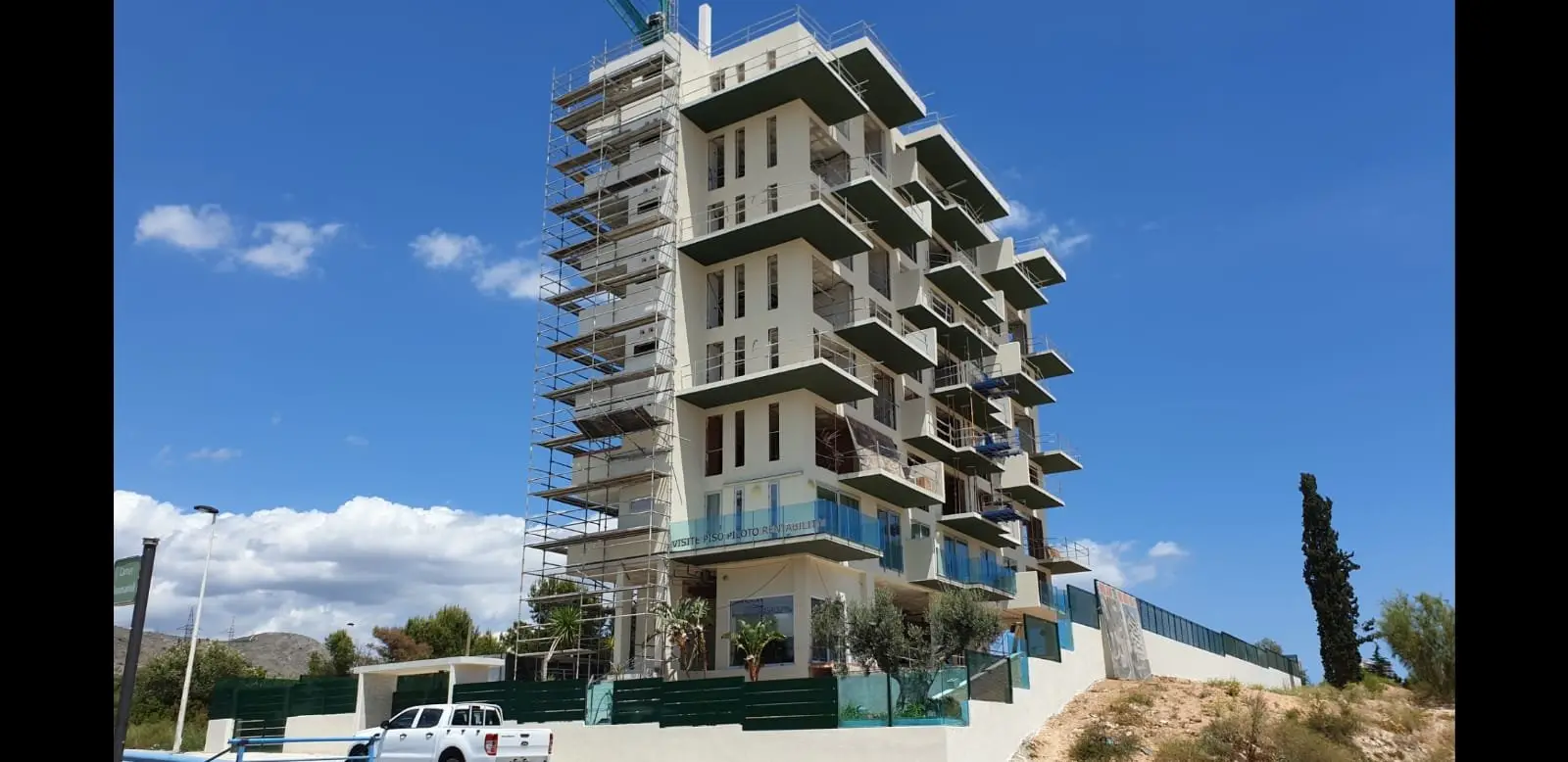
Frequently Asked Questions
What is the average property price in La Cala?
↓
veritySpain currently tracks one project in La Cala, with pricing at €275,000. The local dataset is small, so this figure reflects a single development rather than a broad market average. Buyers should cross-reference with Catastro records and comparable coastal towns in Alicante province for a fuller picture.
Is La Cala a good place to invest in property?
↓
veritySpain scores the analysed La Cala project at 7.6 out of 10, indicating viable quality and location. The market is early-stage with limited inventory. That can suit investors with a longer hold horizon, but thin local data means thorough due diligence is more important here than in more established Costa Blanca towns.
What are rental yields like in La Cala?
↓
Precise yield figures for La Cala are not available in veritySpain's current dataset. Coastal Alicante markets are typically seasonal, with peak demand in summer months. Banco de España analysis notes that coastal provincial markets carry different liquidity and vacancy profiles than urban markets. Investors should model conservative assumptions and consult local letting agents.
What taxes apply when buying property in La Cala?
↓
New-build purchases in Spain are subject to 10 percent IVA. Resale purchases in the Valencian Community attract ITP, tiered by price. Additional costs include notary fees, land registry fees and legal fees. Non-resident owners also face annual IRNR obligations. A Spanish tax adviser and independent solicitor should be engaged before signing any purchase contract.
How does La Cala compare to other Costa Blanca towns for investment?
↓
La Cala has lower inventory and fewer tracked projects than established towns like Guardamar del Segura or Torrevieja. Its entry price of €275,000 sits at a level consistent with smaller coastal markets. Less data means less certainty on price trends, but also potentially less competition for well-located stock. Comparable-town analysis is the most reliable valuation method here.
Can non-EU citizens buy property in La Cala?
↓
Yes. Spain imposes no nationality restrictions on property purchases. Non-EU buyers must obtain an NIE (Número de Identificación de Extranjero) before completing a transaction. Mortgage access for non-residents is available from Spanish banks but subject to tighter loan-to-value ratios than for residents. Legal representation by an independent Spanish solicitor is strongly advisable.
What should I check before buying off-plan in La Cala?
↓
Verify the developer's bank guarantee covering stage payments, as required under Spanish law. Review the municipal urban plan (PGOU) for planned nearby supply. Check the Catastro for comparable recent sales. Confirm the development's building licence is in place. Engage an independent Spanish solicitor, separate from the developer's recommended lawyer, to conduct full title and planning due diligence.