
Living la cala expat life: climate, cost of living, healthcare, schools and community. veritySpain's independent guide to settling in La Cala, Alicante.
Living la cala expat life centres on a small coastal village in Alicante province where veritySpain has reviewed one residential project, scoring it 7.6 out of 10 and recording an asking price of €275k. The village sits on the southern Costa Blanca, roughly equidistant between Torrevieja and Guardamar del Segura. Winters are mild, summers are dry and hot, and the microclimate makes outdoor activity possible eleven months of the year. The property market here is modest in scale. veritySpain editorial data records a single analysed project at this stage, which reflects how early the village remains as a formal residential destination rather than a weakness in the location itself.
Climate and daily rhythm
La Cala sits within the Vega Baja del Segura comarca, which records fewer than 300 millimetres of rain annually, placing it among the driest inhabited areas in continental Europe. Temperatures in January average around 12 degrees Celsius; July averages around 30. That combination matters to long-term residents. It makes running and cycling viable year-round, keeps terrace cafes open almost continuously, and lowers heating costs significantly compared to northern Europe. Short winters. The coast is walkable from most residential zones, which shapes the daily pattern for most expat residents: morning coffee on the terrace, a walk or swim before noon, lighter afternoon activity during peak summer heat, evenings on the paseo. INE 2025 population data shows the Vega Baja subregion has one of the highest proportions of foreign-born residents of any Spanish comarca, indicating that this rhythm is well-established across the wider area.
Cost of living
Grocery costs at Spanish supermarket chains such as Mercadona and Lidl run materially below northern European equivalents for staples including fresh produce, fish, and olive oil. Restaurant prices at local bars follow the standard Spanish menu del dia format: a three-course lunch with wine for around €10 to €14 is the norm in village-scale establishments, though beachfront venues command a premium. Utility bills benefit from the climate. Heating demand is low. A typical two-bedroom property requires minimal gas or electric heating between March and November. Running costs for a property in the €275k bracket are generally manageable on a combination of pension income and modest savings. The one area where costs tend to surprise new arrivals is car dependency: public transport between smaller coastal villages and larger towns such as Torrevieja or Guardamar is limited, and a car is effectively necessary for routine errands outside walking distance.
Healthcare and services
Spain operates a national health system, the Sistema Nacional de Salud, which EU citizens registered as residents (via the S1 form or direct enrolment) can access for primary and specialist care. The nearest full-service hospital to La Cala is in Torrevieja, a 20-minute drive, and it includes an emergency unit. General practice consultations at local centros de salud are free for registered residents. Private insurance is available from providers including Sanitas and Adeslas, and premiums for a healthy adult in their fifties run at a fraction of equivalent UK or German private cover. Waiting times for non-urgent specialist referrals within the public system can extend to several months in high season; private insurance largely eliminates that friction. Schools catering to English-speaking children exist in the Torrevieja catchment, including several bilingual and British-curriculum options that draw from across the southern Costa Blanca.
Expat community and integration
Foreign-born residents make up a substantial share of the permanent population across the Vega Baja, with significant British, Belgian, Dutch, and German communities concentrated in coastal villages. La Cala itself is small, which means social life tends to integrate organically rather than through formal expat clubs. Local bars become informal gathering points, and Spanish language classes in nearby towns attract new arrivals who want to move beyond tourist-level communication. Market days in Guardamar and Torrevieja function as community anchors where nationalities mix naturally. Digital infrastructure is adequate for remote workers: fibre optic connections are available in most residential zones, though coverage can be patchy on newer urbanisations at the village edge. The overall tone of the community is settled rather than transient, which suits buyers planning to stay for a decade or more rather than those testing the water for a year.
Key takeaways
- veritySpain scores La Cala's one analysed project at 7.6/10, with an asking price of €275k.
- The Vega Baja microclimate delivers over 300 sunny days per year, cutting heating bills significantly.
- A car is essential; public transport between smaller coastal villages remains limited and infrequent.
- NHS-equivalent healthcare is accessible to registered residents, with private top-ups available at low cost.
- The resident community is established and multinational, with integration easier than in larger resort towns.
The market in numbers
New-build projects in La Cala
View all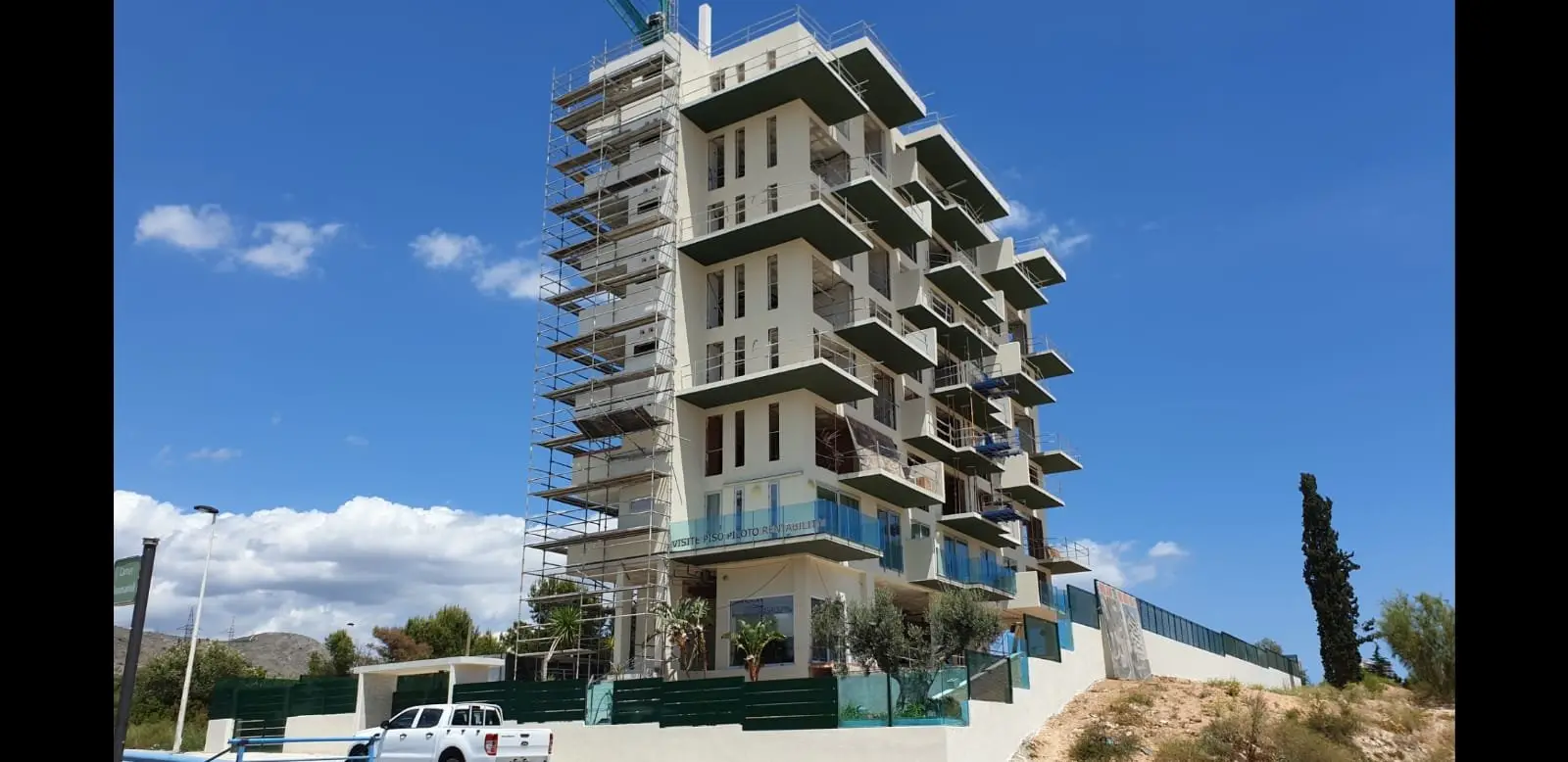
Frequently Asked Questions
Is La Cala a good place to live as an expat?
↓
La Cala suits expats seeking a quiet coastal village with a mild climate and manageable costs. The Vega Baja area has one of Spain's highest concentrations of foreign-born residents, so integration is straightforward. veritySpain rates the one reviewed project at 7.6/10, suggesting baseline quality in the local residential stock.
What is the cost of living in La Cala, Alicante?
↓
Day-to-day costs run below northern European levels. A three-course menu del dia lunch costs roughly €10 to €14. Groceries at Mercadona or Lidl are cheaper than UK or German equivalents. The main hidden cost is car ownership, which is effectively required given limited public transport.
How is healthcare for expats living in La Cala?
↓
EU residents who register on the Spanish padrón can access the public health system. The nearest hospital is in Torrevieja, around 20 minutes away. Private insurance from providers such as Sanitas is affordable and reduces waiting times for non-urgent specialist appointments considerably.
What is the climate like in La Cala, Costa Blanca?
↓
The Vega Baja receives under 300 millimetres of annual rainfall, making it one of the driest areas in continental Europe. January averages around 12 degrees Celsius; July around 30. The climate supports outdoor activity year-round and keeps utility costs low compared to most of northern Europe.
Are there English-speaking schools near La Cala?
↓
Several bilingual and British-curriculum schools operate within the Torrevieja catchment area, which serves the wider southern Costa Blanca. These cater to British and international families at both primary and secondary level. Spanish state schools are also an option for families wanting full linguistic integration.
What is the property market like in La Cala?
↓
veritySpain has reviewed one project in La Cala, priced at €275k. The market is small and relatively early-stage as a formal destination. Transaction volumes across the Vega Baja comarca are tracked by INE and Registradores de España, though local figures for La Cala specifically are not separately published.
Do I need a car to live in La Cala, Alicante?
↓
Yes. Public transport connections between La Cala and larger nearby towns such as Torrevieja and Guardamar del Segura are limited. A car is necessary for supermarket shopping, medical appointments, and most routine errands. Budget for purchase, insurance, and annual ITV inspection costs accordingly.