
New build Cartagena properties range from €265k to €700k. Step-by-step guide for international buyers: NIE, contracts, taxes, and completion.
New build cartagena properties currently range from €265,000 to €700,000, a spread that reflects the city's diversity of product: compact two-bedroom apartments near the port district at the lower end, to spacious four-bedroom villas on the hillside estates above the Mar Menor at the top. veritySpain has analysed three active projects in the municipality, awarding an average score of 7.3 out of 10. That score signals a market where quality is credible but selectivity still matters. Cartagena is a UNESCO-considered historic port city in the Murcia region, on Spain's Costa Cálida, with a naval heritage stretching back to the Carthaginians. Buying here as an international purchaser follows a defined legal sequence. Knowing each step in advance removes the surprises that derail transactions.
Reservation contract and NIE registration
The process starts with two parallel tasks: signing a reservation contract and obtaining a Número de Identidad de Extranjero (NIE). The reservation contract, typically a one-to-two page document, secures the unit from the developer's sales list and is accompanied by a deposit of roughly €3,000 to €10,000, held in a client account. That sum is usually deducted from the stage payment due on signing the private purchase contract (contrato de arras or contrato de compraventa privada). The NIE is a tax-identification number issued by Spain's Ministerio del Interior; without it, no Spanish property transaction can be notarised. Ministerio del Interior (Spain) publishes the full NIE application procedure and current consulate appointment availability. Applying through the Spanish consulate in your home country before you travel is faster than queuing at a Spanish Foreigners Office. Keep a certified copy: you will need it at every subsequent stage.
Private purchase contract and stage payments
New-build transactions in Spain use a stage-payment structure rather than a single completion payment. After the reservation phase, the developer presents the contrato de arras privado, which commits both parties: the buyer forfeits the deposit if they walk away; the developer pays double if they default. Stage payments during construction typically amount to 20-30% of the purchase price, spread across construction milestones. Spanish law, under the Ley 57/1968 (amended by Ley 38/1999), requires developers to hold all stage payments in a ring-fenced account backed by a bank guarantee or insurance bond. Ley 38/1999 de Ordenación de la Edificación defines the legal framework protecting buyers' advance payments. Always verify that the guarantee certificate is in place before transferring any stage payment. A Spanish-qualified property lawyer (abogado) should review the contract before you sign.
Taxes and transaction costs
IVA (VAT) of 10% applies to new residential builds in Spain; this is charged on top of the purchase price, not included. In addition, Actos Jurídicos Documentados (AJD), the stamp duty equivalent, is payable on the deed at a rate set by each autonomous community. In Murcia, the AJD rate for new-build residential purchases is currently 1.5% of the declared value. Notary fees, land registry fees, and legal fees add further costs typically estimated at 1-2% of the purchase price in aggregate. Mortgage arrangement fees, if applicable, are paid separately. Budget for total acquisition costs of approximately 13-15% above the headline price. Agencia Tributaria (Spain) publishes current IVA and AJD guidance for property transactions. No additional transaction taxes are levied on the developer side in Murcia for standard new-build residential sales.
Completion at the notary and post-completion steps
Completion takes place before a Spanish notary (notario), who reads the escritura de compraventa aloud, confirms both parties' identity and NIE numbers, and witnesses the transfer of the remaining balance, usually via a banker's draft (cheque bancario). The title deed is signed on the same day. Registration at the Registro de la Propiedad follows: in practice, the notary's office submits electronically, and the registered deed is returned within days to a few weeks depending on the office's caseload. After registration, utilities must be contracted in the new owner's name: electricity (typically Iberdrola or Endesa on the Costa Cálida), water (often the local mancomunidad), and broadband. Community fees for the urbanisation begin from the date specified in the community statutes, usually the completion date. Transaction volumes in Cartagena's new-build segment have remained active according to data periodically published by Registradores de España, reflecting continued demand from both national and northern-European buyers attracted by the climate and the port city's regeneration programme.
Key takeaways
- New build cartagena prices run from €265,000 to €700,000; budget 13-15% above the net price for taxes and fees.
- Obtain your NIE before or immediately after reservation: no Spanish property deed can be signed without one.
- Stage payments during construction must be backed by a bank guarantee under Spanish law; always verify this in writing.
- IVA at 10% plus AJD at 1.5% (Murcia rate) are the two main taxes on a new residential purchase in this region.
- Completion happens before a notary; land registry registration follows automatically, typically within days to weeks.
The market in numbers
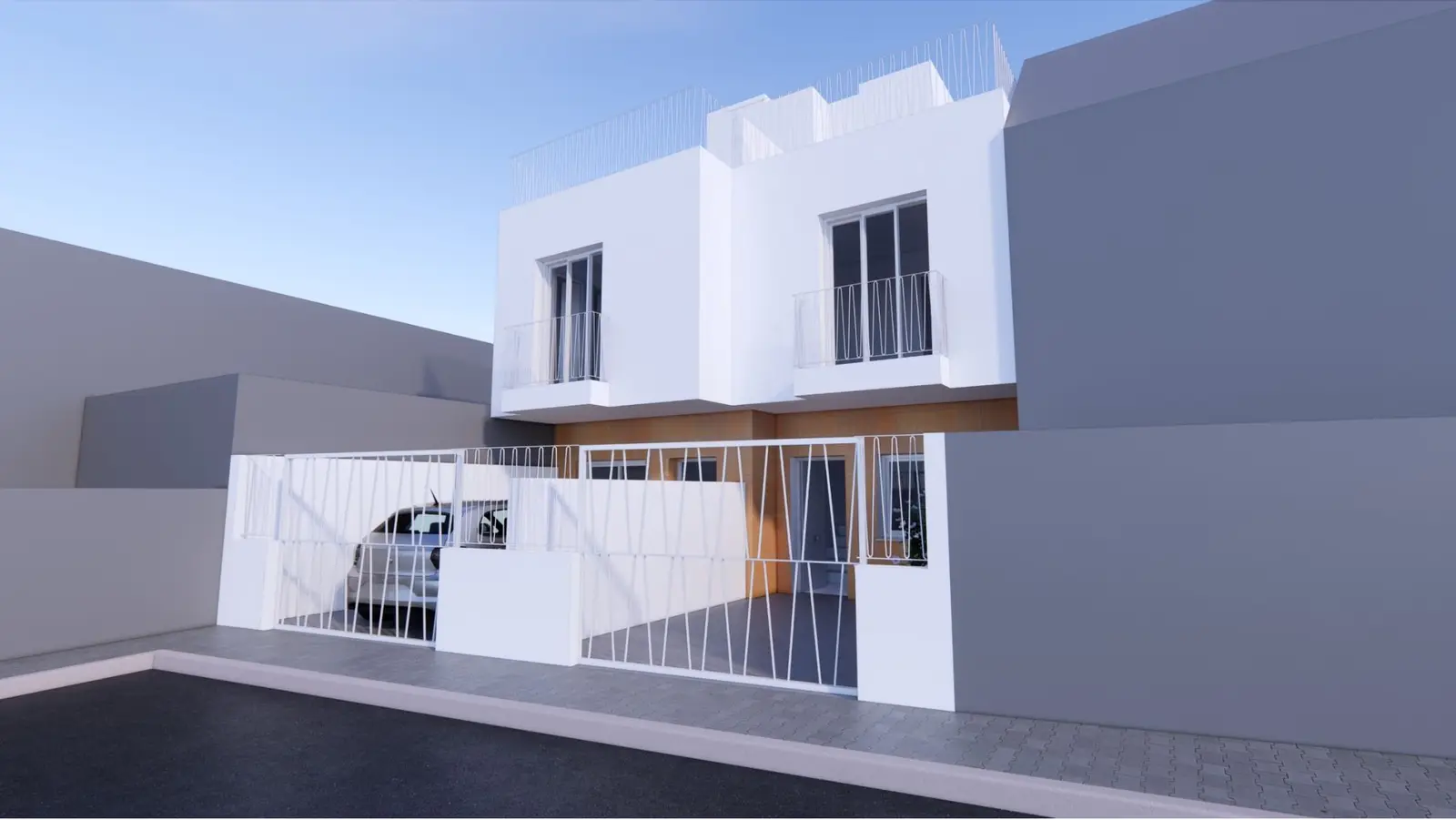
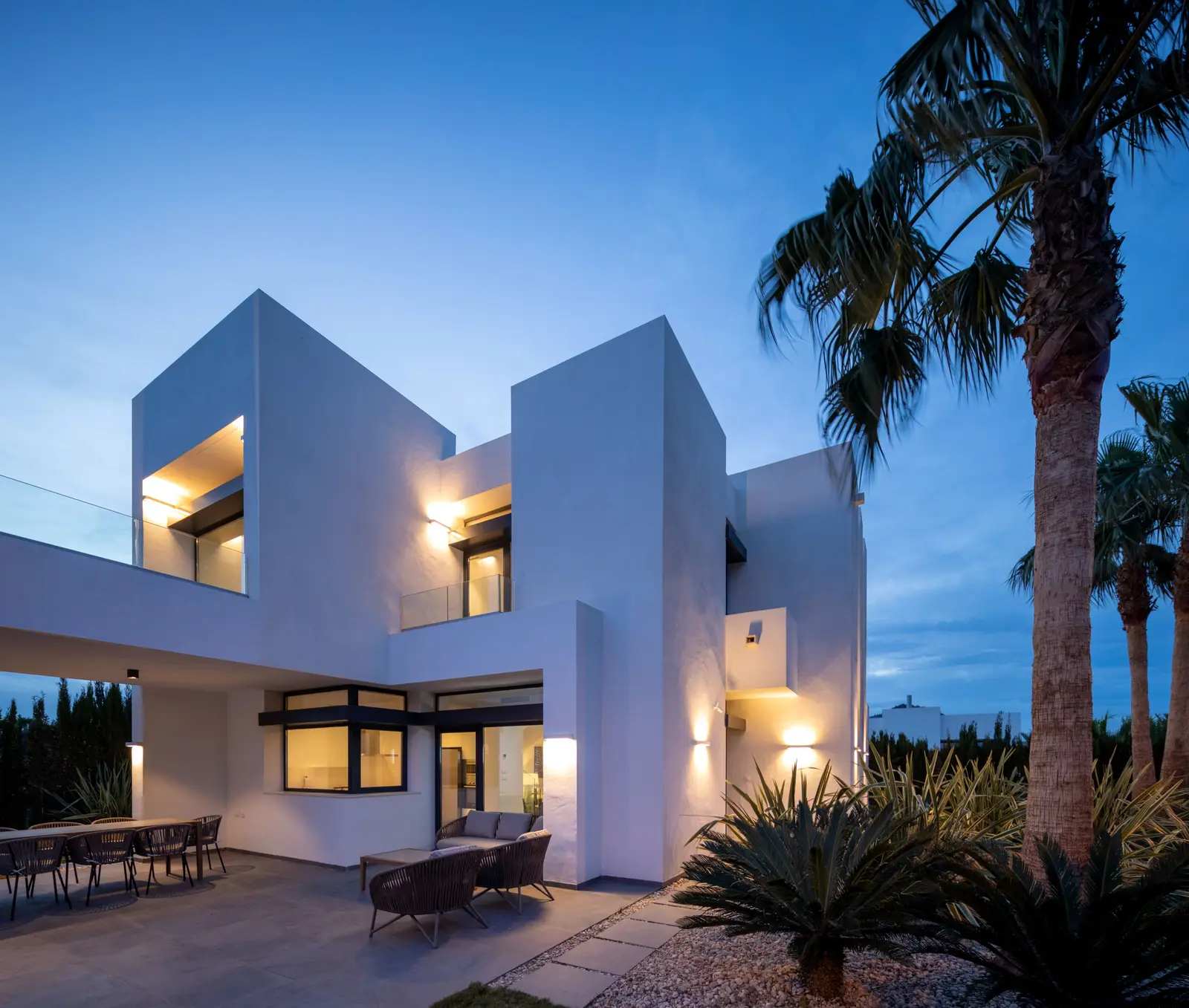
New-build projects in Cartagena
View all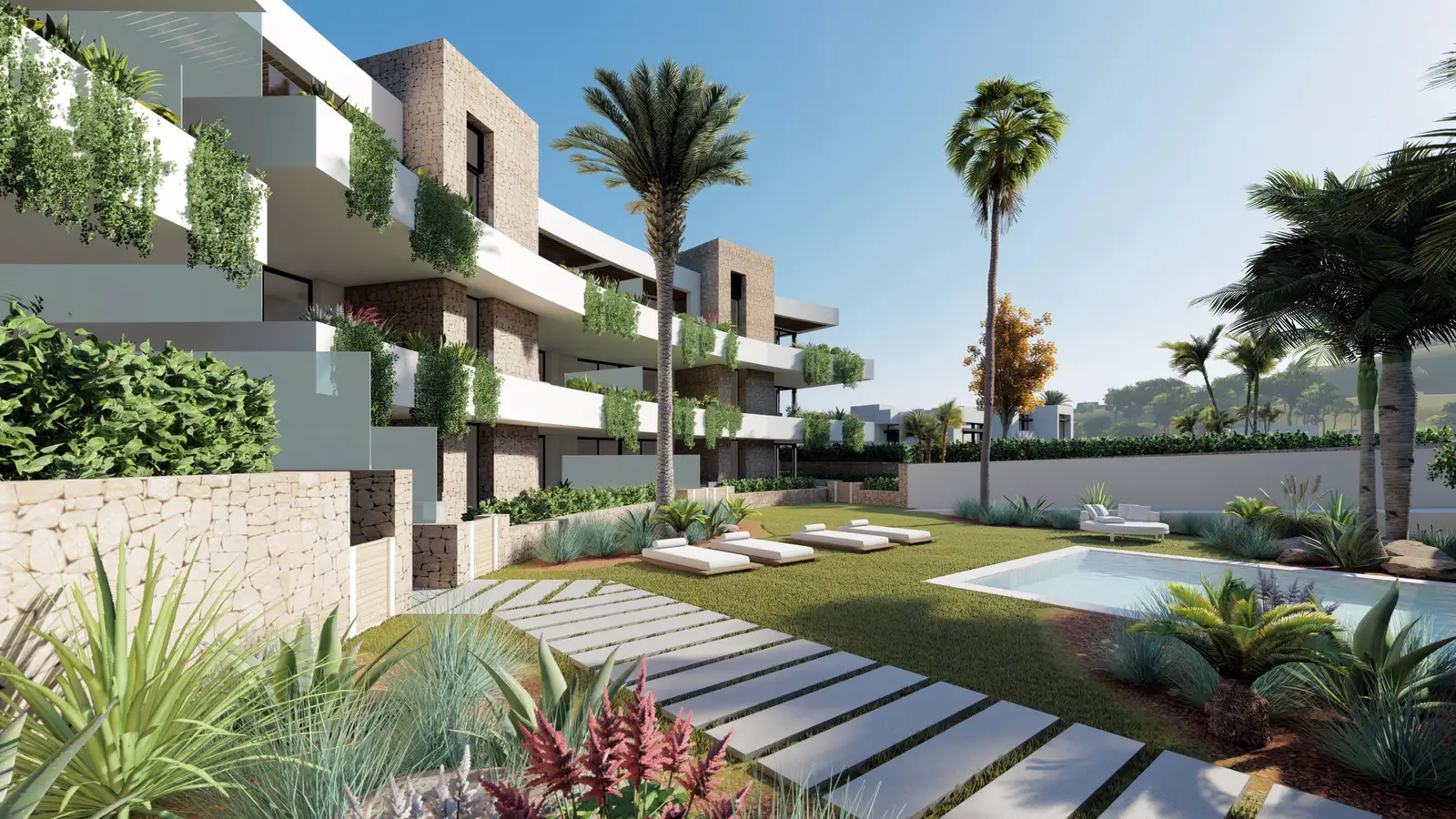
Frequently Asked Questions
What taxes do I pay when buying a new build in Cartagena?
↓
New build purchases in Cartagena attract IVA at 10% of the purchase price plus Actos Jurídicos Documentados (stamp duty) at 1.5% in Murcia. Notary, land registry, and legal fees add roughly 1-2% more. Total acquisition costs above the net price typically run to 13-15%.
Do I need an NIE to buy property in Cartagena?
↓
Yes. A Número de Identidad de Extranjero (NIE) is mandatory for any property transaction in Spain. Without it, the notary cannot complete the title deed. Apply at the Spanish consulate in your home country before travelling to Spain to avoid delays at local Foreigners Offices.
How are stage payments protected on a new build in Spain?
↓
Spanish law requires developers to hold all buyer stage payments in a ring-fenced account protected by a bank guarantee or insurance bond. This protection derives from Ley 38/1999 de Ordenación de la Edificación. Always request a copy of the guarantee certificate before transferring any payment.
How long does the buying process take from reservation to keys in Cartagena?
↓
Timeline depends on the construction phase at the time of purchase. Buying off-plan can mean 18 to 36 months to completion. Buying a near-complete or finished unit shortens this to the time needed for contract review, NIE processing, and notary appointment, typically six to twelve weeks.
What is a contrato de arras and how does it differ from a reservation contract?
↓
A reservation contract simply removes a unit from the sales list and is usually informal and short. A contrato de arras is a formal bilateral contract: if the buyer withdraws, the deposit is forfeited; if the developer withdraws, they must pay the buyer double the deposit. It is signed before the notarial deed.
Can I get a mortgage as a non-resident buying in Cartagena?
↓
Yes, Spanish banks offer non-resident mortgages, though the loan-to-value ratio is generally capped at 70% for non-residents compared with up to 80% for residents. You will need to provide proof of income, recent tax returns, and bank statements. Mortgage costs are separate from the property acquisition taxes.
What are the average veritySpain scores for new build projects in Cartagena?
↓
veritySpain has analysed three active new-build projects in Cartagena, returning an average score of 7.3 out of 10. Scores below 6.0 are not published. The 7.3 average indicates a market with credible product quality, though individual project scores vary across the €265,000 to €700,000 price range.