
Living in Cartagena as an expat: climate, cost of living, healthcare, schools, and community. Projects rated 7.3/10, from €265k to €700k.
Living in Cartagena as an expat means choosing a city where veritySpain has analysed three active projects and found an average score of 7.3/10, with property in the pipeline priced from €265,000 to €700,000. The city sits on the Costa Cálida in the Murcia region, a stretch of Mediterranean coastline that records some of the highest annual sunshine hours in continental Spain. Healthcare, cost of living, and international schooling all sit at levels that favour long-term relocation over short stays. The climate is mild in winter and dry in summer, rarely reaching the humidity that characterises Valencia or the Costa Brava. Climate data published by AEMET consistently places Cartagena among the driest provincial capitals in Spain.
Climate and daily outdoor life
Cartagena averages more than 300 days of sun per year, according to AEMET historical records. Winters are short: January averages rarely fall below 10°C, and frost is almost unknown at sea level. That thermal cushion lets outdoor routines run year-round. The Mar Menor lagoon, a short drive north, offers calm, shallow water that is popular with families and older residents. Summer heat is real: July and August regularly exceed 35°C in the interior, though coastal breezes moderate temperatures in the city centre. Rain is concentrated in short, intense autumn downpours. Residents who arrive from northern Europe frequently describe the rhythm as more predictable than at home. Dust from the Sahara deposits on cars several times per year. Bring sunblock.
Cost of living and healthcare
Basic grocery spending in Cartagena runs noticeably below Madrid and Barcelona prices, a pattern consistent with Murcia's position as Spain's primary fruit and vegetable producing region. Eating out at a local menu del día averages around €12 to €15, putting Cartagena firmly in the lower half of Spanish city costs. Healthcare access is the city's strongest practical argument for long-term residents. Hospital General Universitario Santa Lucía opened in 2011 and covers the entire metropolitan area with a full range of specialist services, including oncology and cardiology units. EU citizens with a valid S1 or EHIC card access the public system free of charge. Private insurance policies for an adult under 60 typically run €50 to €80 per month through providers such as Sanitas, Asisa, or AXA. Ministerio de Sanidad statistics show Murcia's health system consistently ranks above the national median on waiting-time indicators for elective procedures.
International community and schools
3,000-plus registered foreign nationals call Cartagena their primary residence, a figure tracked by the Padrón Municipal and published annually by INE. British, German, Scandinavian, and Dutch residents form the largest northern European clusters. Community life organises itself largely around the port district and the newer coastal developments to the south. An expat social calendar exists, driven by volunteer groups, the Cámara de Comercio events, and informal networks on platforms such as Internations. State schools teach entirely in Spanish, which integrates children quickly but demands some linguistic confidence from day one. The nearest fully accredited international school offering an English-medium curriculum through to Bachillerato is in Murcia city, roughly 50 kilometres north, making the commute manageable but not trivial. Private bilingual Spanish-English options exist within Cartagena itself, with fees in the €400 to €700 per month range.
Practical setup: residency, tax, and transport
EU citizens who intend to stay beyond 90 days must register on the Registro Central de Extranjeros and obtain a NIE number, a process handled at the national police station on Calle Jara. Non-EU nationals follow a longer Autorización de Residencia route, for which a qualified gestor is worth the €300 to €500 cost. Spain's Non-Habitual Resident (Beckham Law) tax regime offers a flat 24% income tax rate for the first six years, capped at income up to €600,000, and is a relevant consideration for higher earners. Cartagena has a functioning local bus network, but car ownership is practical rather than optional for residents outside the historic centre. The AVE high-speed rail link does not serve Cartagena directly; the closest mainline station is Murcia, connected by regional RENFE rail. Alicante-Elche Airport is 100 kilometres north and serves the widest range of international routes.
Key takeaways
- veritySpain rates Cartagena projects at an average of 7.3/10, with entry prices from €265,000.
- AEMET records confirm more than 300 annual sunshine days, making outdoor routines consistently viable year-round.
- Hospital Santa Lucía provides full specialist cover; private insurance typically costs €50 to €80 per month for adults under 60.
- INE Padrón data confirm an established international resident base with active northern European community groups.
- Non-EU buyers should budget for NIE registration costs and consider advice on the Beckham Law flat-rate tax option.
The market in numbers
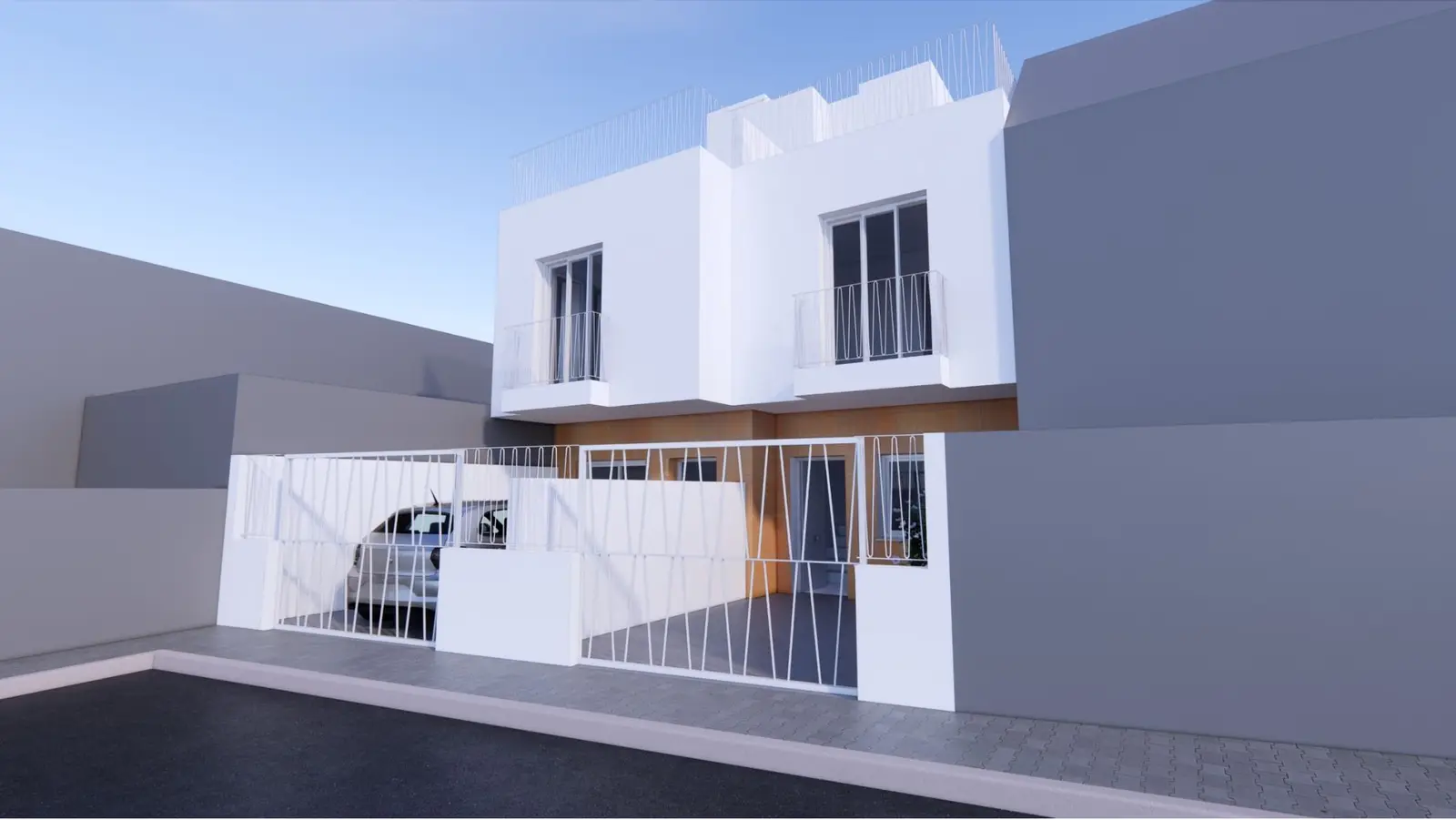
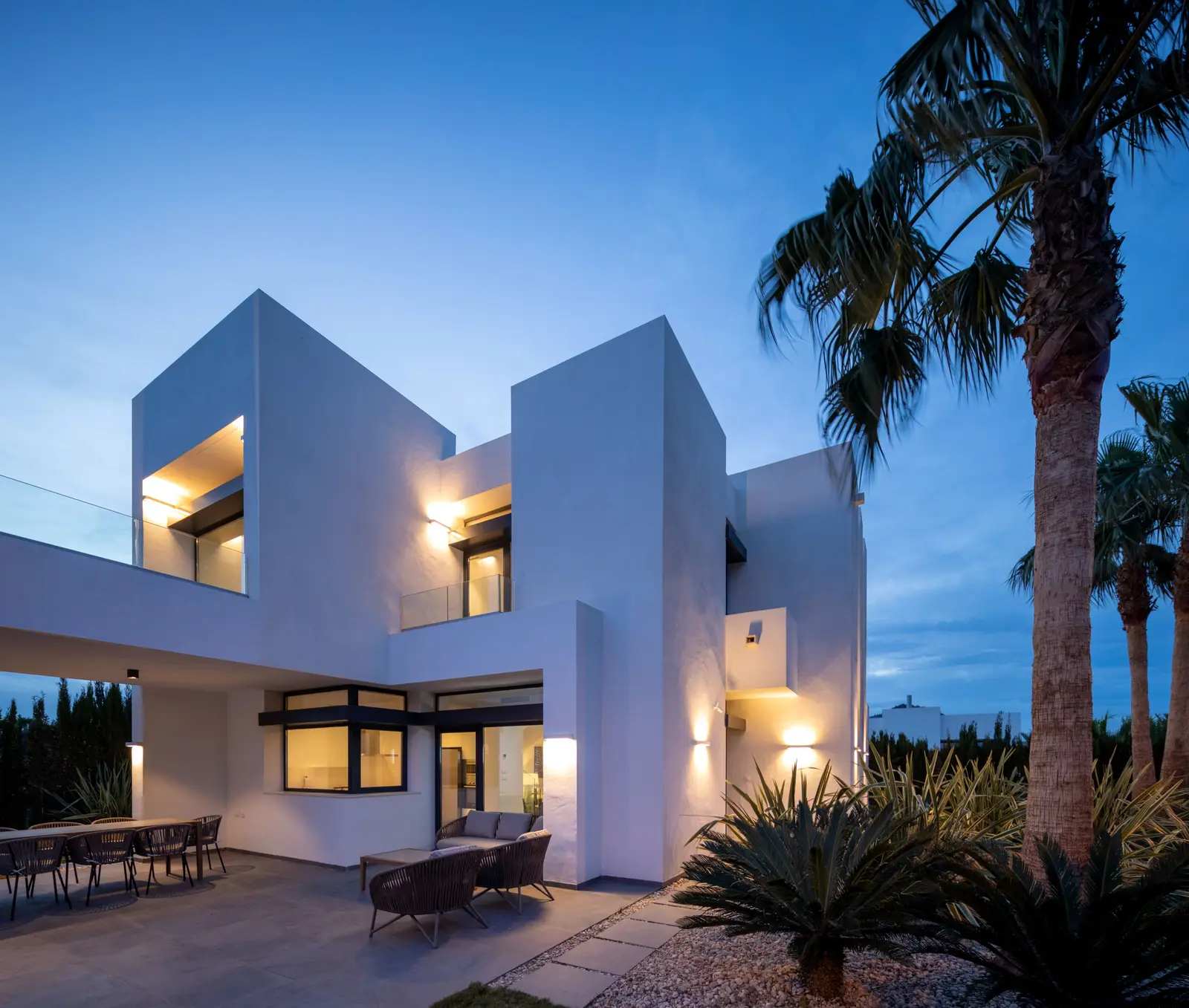
New-build projects in Cartagena
View all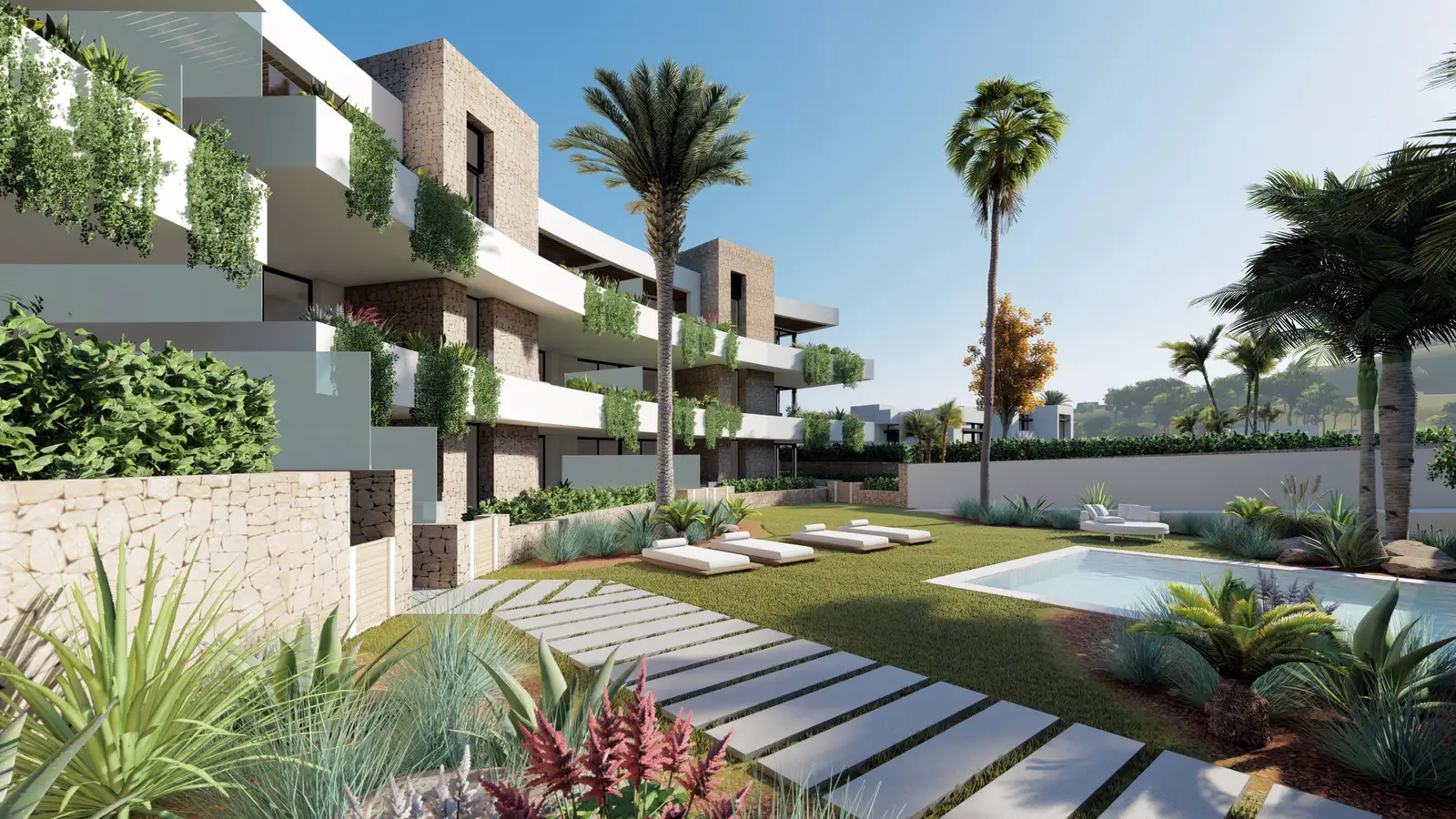
Frequently Asked Questions
What is the cost of living in Cartagena compared to other Spanish cities?
↓
Cartagena sits in the lower half of Spanish city costs. Murcia region grocery prices run below Madrid and Barcelona, and a local menu del día averages €12 to €15. Rent and utilities follow a similar pattern, making the city one of the more affordable Mediterranean options for expats on fixed incomes or remote salaries.
Is healthcare good for expats living in Cartagena?
↓
Healthcare is strong. Hospital General Universitario Santa Lucía covers the area with a full specialist offer. EU citizens with a valid S1 or EHIC card access public care at no charge. Private cover runs roughly €50 to €80 per month through major providers. Murcia's health system ranks above the national median on waiting-time indicators, according to Ministerio de Sanidad statistics.
How is the climate in Cartagena for year-round living?
↓
AEMET historical records place Cartagena among Spain's sunniest provincial areas, with over 300 sun days per year. Winters are mild, rarely dropping below 10°C at sea level. Summers are dry and hot, regularly exceeding 35°C inland, though sea breezes moderate the coast. The pattern suits those arriving from northern Europe who want a more predictable outdoor calendar.
Are there international schools in Cartagena?
↓
Private bilingual Spanish-English schools operate within the city, with fees roughly €400 to €700 per month. A fully accredited international school with an English-medium curriculum through to Bachillerato is in Murcia city, about 50 kilometres north. State schools teach in Spanish, which integrates children quickly but requires some early linguistic support for non-Spanish-speaking families.
How do I get a NIE number as an expat in Cartagena?
↓
EU citizens register at the Registro Central de Extranjeros at the national police station on Calle Jara and obtain a NIE number. Non-EU nationals follow an Autorización de Residencia process. Engaging a local gestor typically costs €300 to €500 and saves considerable administrative time. Both routes require proof of address, insurance, and financial means before approval.
Is there an established expat community in Cartagena?
↓
Yes. INE Padrón Municipal data confirm thousands of registered foreign nationals as primary residents, with strong British, German, Scandinavian, and Dutch clusters. Community life centres on the port district and coastal developments to the south. Organised networks operate via groups such as Internations and through local Cámara de Comercio events, providing an accessible entry point for new arrivals.
What property prices should expats expect in Cartagena?
↓
veritySpain's current feed shows projects priced from €265,000 to €700,000, with an average quality score of 7.3/10 across three analysed developments. The range reflects both apartment-scale entry points and larger residential units closer to the coast. Transaction tax (ITP) on resale properties in Murcia runs at 8%, and new-build purchases attract 10% IVA plus stamp duty.