
Property investment in Cartagena: verified price range €265k–€700k, average veritySpain score 7.3/10, rental demand, fiscal costs and market comparisons.
Property investment in Cartagena draws attention from buyers across Europe, with verified listings tracked by veritySpain ranging from €265,000 to €700,000 and an average score of 7.3 out of 10 across the three projects currently in analysis. That score reflects a market that is orderly rather than frothy: pricing is grounded in real construction costs and local purchasing power, not speculative momentum. Cartagena sits on the Costa Cálida in the Region of Murcia, giving it year-round mild temperatures and a coastline that generates consistent short-term rental demand. The city also carries the weight of a genuine urban economy: a naval base, a public university, and a port that handles commercial freight alongside leisure vessels. Those structural factors give the residential market a depth that smaller coastal resorts cannot match.
Price landscape and what the figures reflect
Listings analysed by veritySpain sit between €265,000 and €700,000, a range wide enough to capture both entry-level apartments in outer districts and larger units closer to the historic centre or the seafront at La Manga del Mar Menor. The spread matters. Buyers at the lower end are typically targeting yield-oriented assets: smaller flats with straightforward letting potential. Buyers nearer the upper bound are acquiring larger family units or premium-finish properties where capital appreciation is the primary thesis. Neither segment is homogeneous. Condition, floor level, parking provision, and proximity to services shift values materially within each band. Broad comparisons with Alicante or Murcia city are instructive for context, but Cartagena's own micro-geography means that comparable units two streets apart can differ by 15 to 20 percent.
Rental demand and the Costa Cálida context
Rental activity in Cartagena draws from two distinct pools: a permanent residential tenant base fed by the university and naval employment, and a seasonal population that concentrates on the Mar Menor coastline and the old quarter during summer months. Both pools matter for investors, and they pull in different directions. Long-term residential lets tend to offer stability and lower vacancy risk. Short-term holiday rentals in designated tourist zones can generate higher gross revenue per night but carry regulatory overhead: Murcia's regional government requires a tourist licence for short-stay accommodation, and enforcement has increased since regional authorities tightened rules across southern Spain. Transaction volumes published by INE (Instituto Nacional de Estadística) have been broadly positive for Murcia as a whole in recent years, reflecting genuine end-user demand rather than purely speculative activity. That is a useful baseline for investors weighing Cartagena against higher-profile Costa del Sol markets where price-to-income ratios are more stretched.
Fiscal and legal framework for non-resident buyers
Spain's property purchase costs are meaningful. Non-resident buyers of resale property pay Impuesto de Transmisiones Patrimoniales (ITP) at rates set by each region; Murcia currently applies a standard rate of 8 percent on the declared transaction value. New-build purchases attract IVA at 10 percent plus stamp duty. On top of transfer tax, buyers budget for notary fees, land registry fees, and legal representation, which together typically add a further 1.5 to 2 percent of the purchase price. Non-resident owners are also subject to an annual imputed income tax on properties not let commercially, calculated on a percentage of the cadastral value. A tax adviser familiar with Spanish non-resident obligations is not optional for foreign investors. Banco de España publishes periodic assessments of Spanish residential market conditions and financing trends that provide useful macroeconomic context when evaluating medium-term price trajectories.
Cartagena versus comparable Costa Cálida markets
Murcia's coastal corridor includes markets that each present a different investment profile. Mazarrón, roughly 40 kilometres south-west of Cartagena, is more heavily weighted toward low-density villas and caters predominantly to a northern European retirement buyer. Águilas, further south, is smaller and less liquid. Los Alcázares and San Pedro del Pinatar sit on the inner shore of the Mar Menor and benefit from calmer waters, but face the ecological pressures that have affected the lagoon's water quality over the past decade, a factor that prudent buyers factor into long-term assessments. Cartagena's urban scale gives it advantages those smaller resorts cannot offer: a regional hospital, a main-line rail connection to Madrid, and a commercial infrastructure that supports year-round residency rather than seasonal occupation only. For investors prioritising liquidity, urban Cartagena's larger buyer pool is a genuine structural advantage. The three projects in veritySpain's current coverage reflect this variety, scoring an average of 7.3, which indicates solid fundamentals without the premium pricing that would compress forward returns.
Key takeaways
- veritySpain tracks three Cartagena projects with an average score of 7.3 out of 10 and prices from €265,000 to €700,000.
- The city's naval base, university, and port create permanent tenant demand that seasonal resorts cannot replicate.
- Short-term rentals require a Murcia regional tourist licence; enforcement of unlicensed lets has increased in recent years.
- Total purchase costs for non-residents typically reach 11 to 13 percent of the transaction price once tax, notary, and legal fees are included.
- Cartagena's urban scale and rail connectivity give it stronger resale liquidity than smaller Costa Cálida resort markets.
The market in numbers
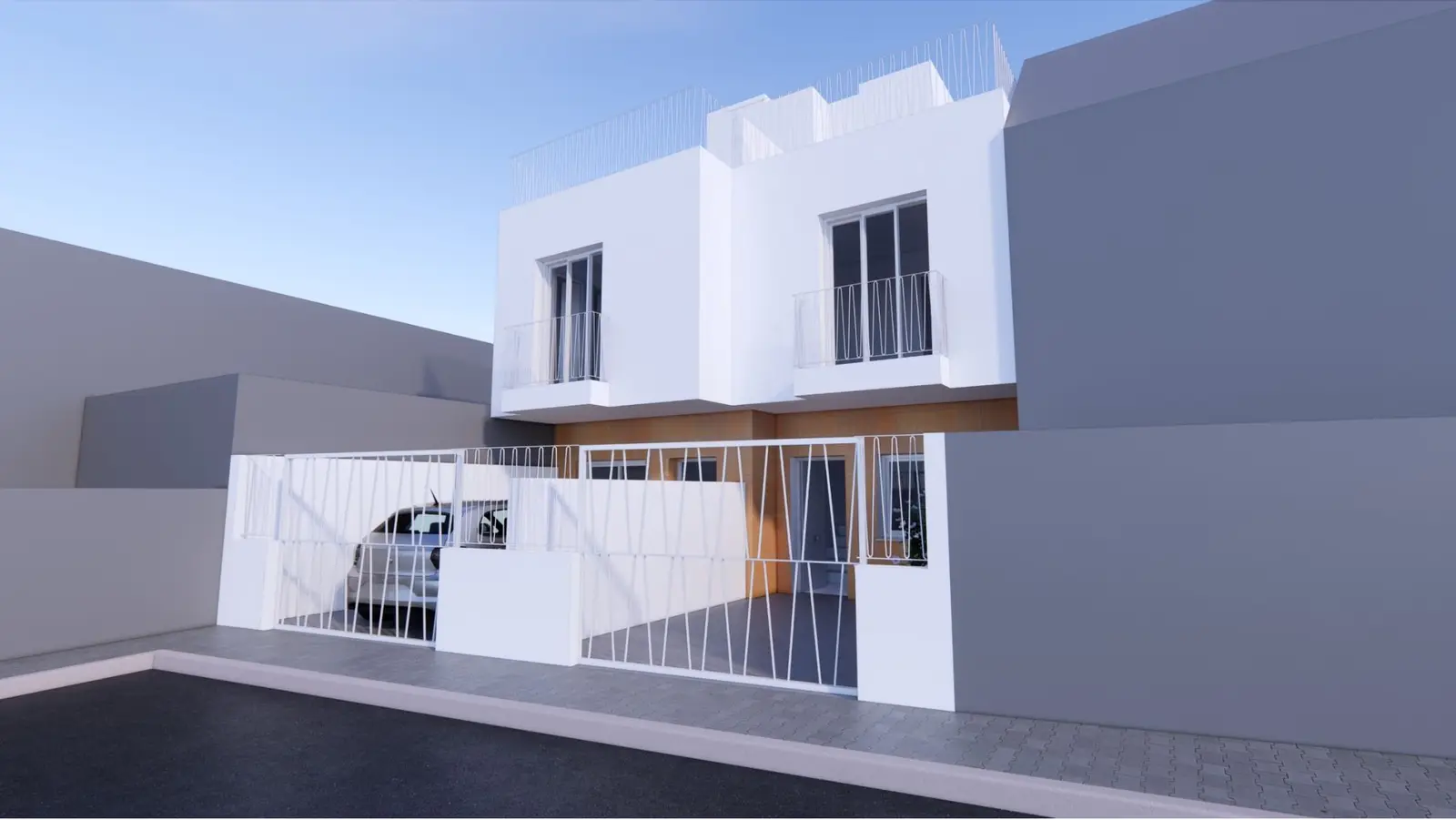
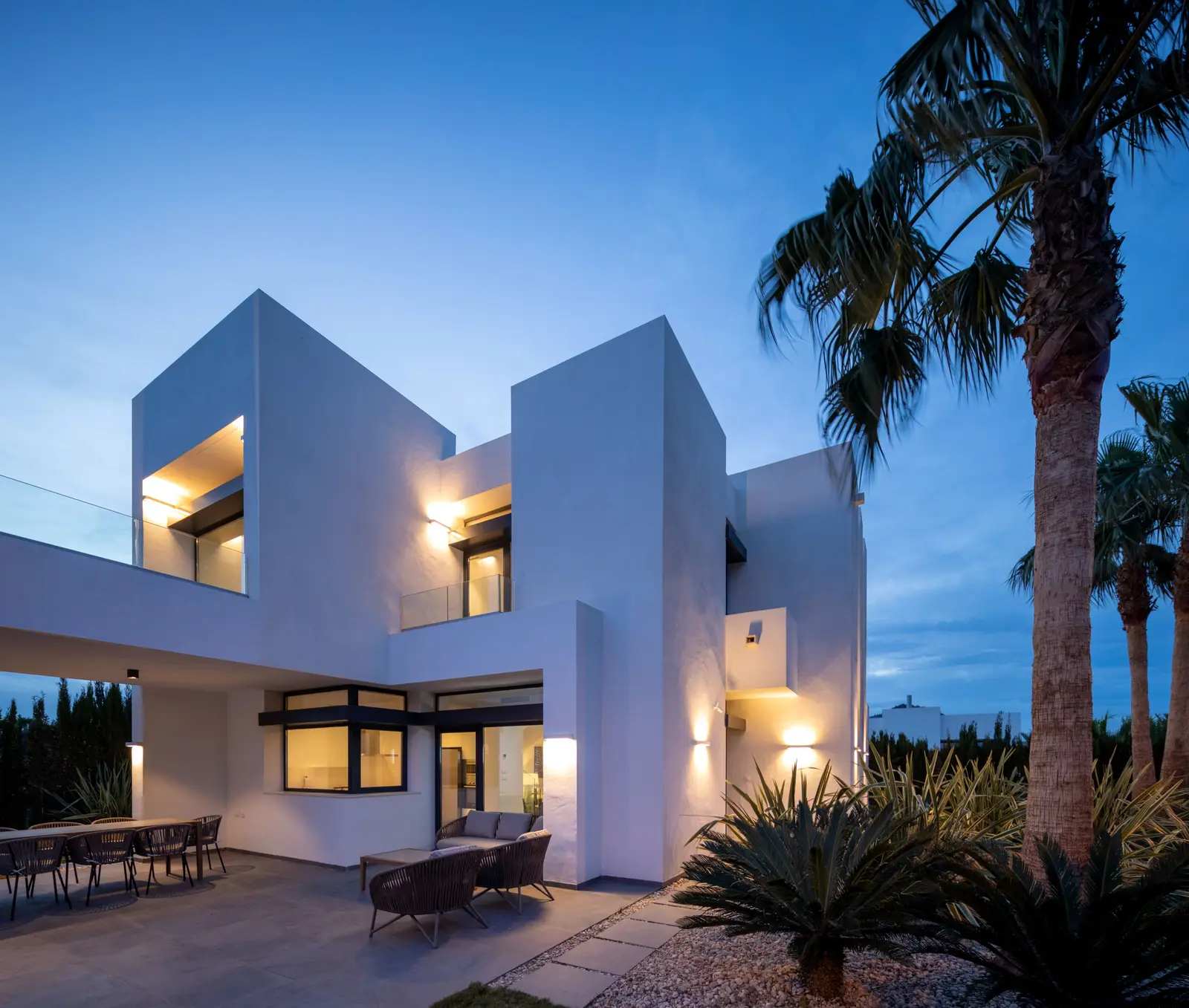
New-build projects in Cartagena
View all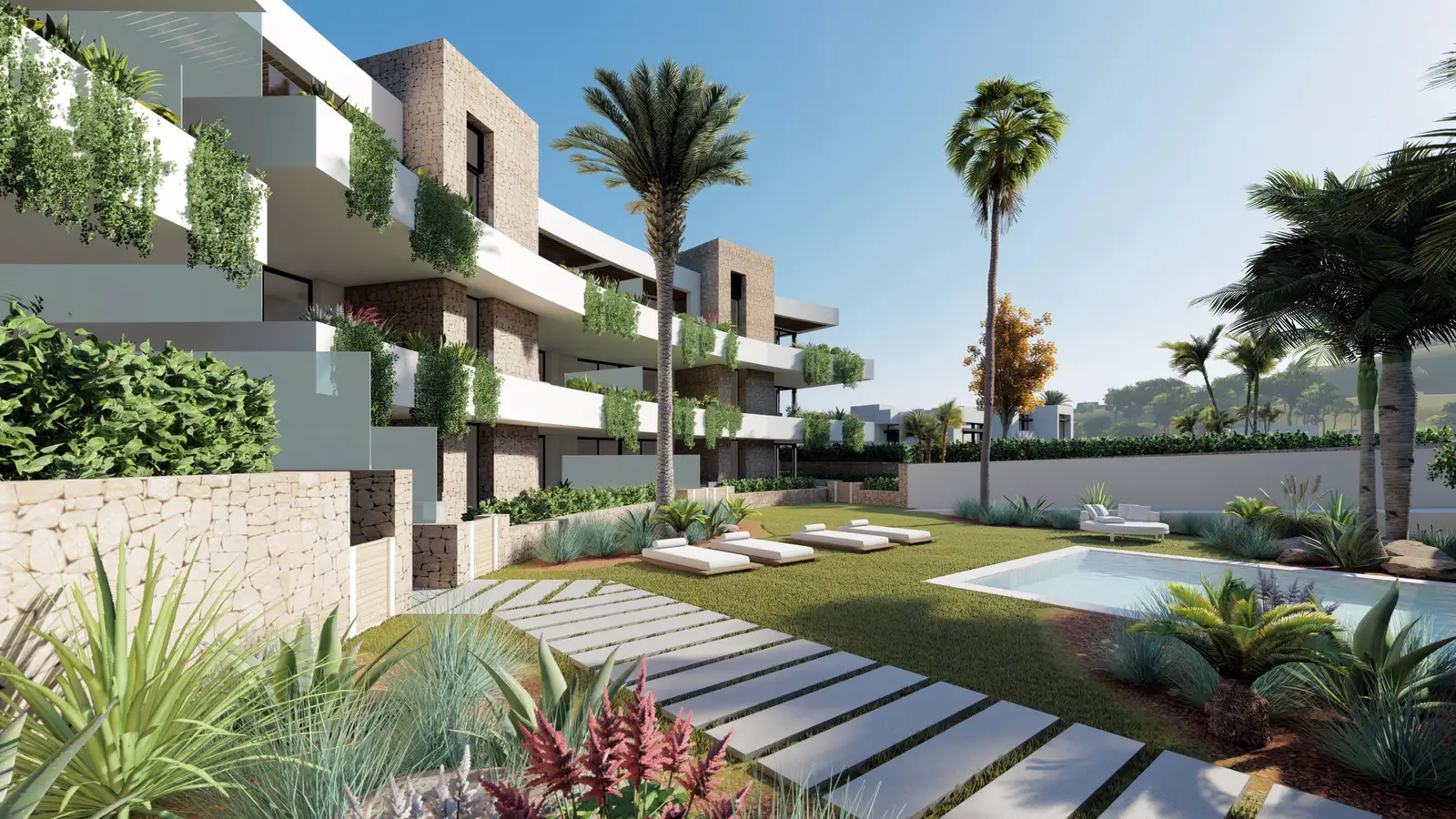
Frequently Asked Questions
Is Cartagena a good place to invest in property?
↓
Cartagena offers a diversified economic base: a naval base, public university, commercial port, and coastal tourism. veritySpain's three analysed projects average 7.3 out of 10, indicating solid fundamentals. The urban scale creates year-round demand from permanent residents and students, which smaller resort markets cannot match. Buyers should factor in total purchase costs of around 11 to 13 percent for non-residents.
What is the property price range in Cartagena?
↓
Verified listings tracked by veritySpain range from €265,000 to €700,000. Entry-level apartments in outer districts sit near the lower end, while larger units with premium finishes or seafront proximity approach the upper range. Condition, floor level, parking, and proximity to services create significant variation within those bands.
What taxes do non-residents pay when buying property in Cartagena?
↓
Resale purchases attract Murcia's Impuesto de Transmisiones Patrimoniales (ITP) at 8 percent of the declared transaction value. New-build purchases incur IVA at 10 percent plus stamp duty. Notary, land registry, and legal fees typically add a further 1.5 to 2 percent. Non-resident owners also pay annual imputed income tax on properties not commercially let.
Can I rent out my Cartagena property as a holiday let?
↓
Short-term tourist rentals in Murcia require a regional tourist licence before advertising or accepting bookings. Enforcement has increased across the region in recent years. Properties in designated tourist zones can achieve higher nightly revenue than long-term residential lets, but regulatory compliance, property management costs, and seasonal occupancy patterns all affect net returns.
How does Cartagena compare with other Costa Cálida markets?
↓
Cartagena's urban scale sets it apart from smaller resort towns. It has a regional hospital, main-line rail link to Madrid, and a commercial infrastructure that supports year-round residency. Mazarrón, Águilas, and the Mar Menor shores serve predominantly seasonal or retirement buyers. For investors prioritising resale liquidity, Cartagena's larger permanent population is a structural advantage.
What rental demand exists in Cartagena beyond summer tourism?
↓
Cartagena has a permanent tenant base drawn from the Universidad Politécnica de Cartagena, military and naval personnel, and port industry workers. That year-round demand reduces the vacancy risk that affects purely seasonal coastal markets. Long-term residential lets in well-connected urban neighbourhoods typically show lower void periods than holiday-focused coastal units.
What does a veritySpain score of 7.3 mean for Cartagena?
↓
veritySpain scores projects on a 1.0 to 10.0 scale based on independently verified data from the property feed. An average of 7.3 across three Cartagena projects indicates solid fundamentals: adequate pricing relative to location and specification, acceptable build quality indicators, and no compliance flags. Projects scoring below 6.0 are not published on the platform.